
Soups & Stews
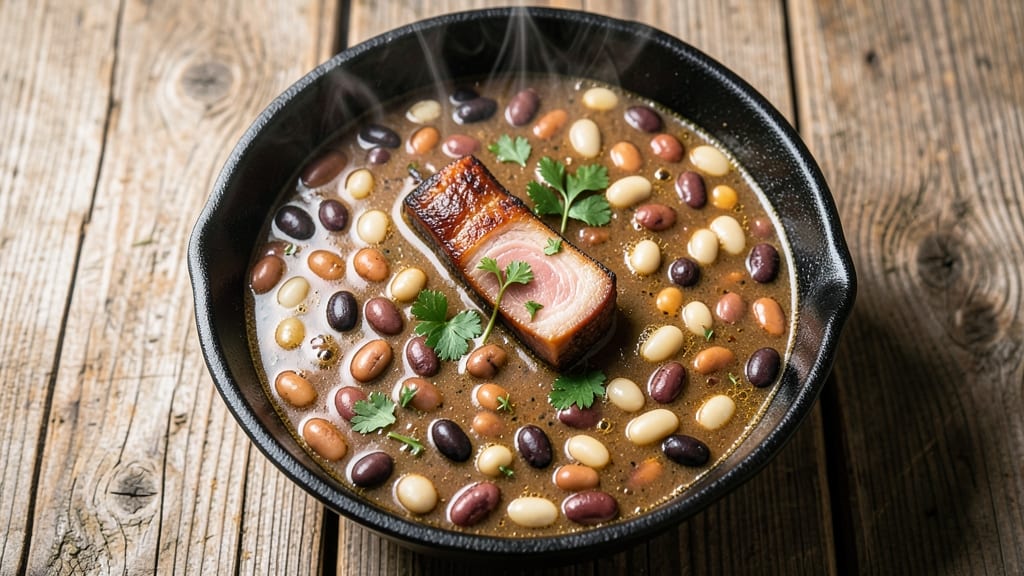
This 7 bean soup recipe with ham hock delivers the kind of soul-warming, slow-simmered comfort that transforms a simple meal into a centerpiece. The ham hock infuses the broth with deep, savory richness while the beans soften into tender perfection over hours of gentle cooking.
I've perfected this recipe to balance traditional techniques with modern depth—smoked paprika adds warmth, and a touch of miso brings umami complexity that elevates every spoonful.
The secret lies in the slow simmer, which breaks down the ham hock into collagen-rich broth while transforming tough dried beans into velvety, flavorful bites.
This isn't just a soup; it's a collagen powerhouse that nourishes and satisfies, perfect for chilly evenings when you crave something hearty yet simple to prepare. The aromatics—carrots, celery, and onions—build a fragrant foundation that carries through every bite.
What you'll end up with is a deeply flavorful, restaurant-quality soup that tastes even better the next day as flavors meld. The ham hock dissolves into the broth, creating a naturally rich, savory base that requires no added salt.
Each spoonful delivers a perfect balance of textures—creamy beans, tender vegetables, and shards of crispy ham—all blanketed in a velvety, aromatic broth.
Serve it steaming hot with crusty bread or cornbread to soak up every last drop, or let it cool slightly for a meal-prep-friendly dish that reheats beautifully.
The beauty of this recipe is its versatility—it's foolproof for beginners yet sophisticated enough for seasoned cooks. Let's get started on creating this timeless classic.
Ingredients for 7 bean soup recipe with ham hock
A symphony of seven dried beans and one deeply savory ham hock—where tradition meets modern umami depth.
| Ingredient | Amount | Notes |
|---|---|---|
| Dried Navy Beans 🌱 | 1 ½ cups | Picked over for debris |
| Dried Black Beans 🌱 | 1 cup | Picked over for debris |
| Dried Kidney Beans 🌱 | 1 cup | Picked over for debris |
| Dried Great Northern Beans 🌱 | 1 cup | Picked over for debris |
| Dried Pinto Beans 🌱 | 1 cup | Picked over for debris |
| Dried Cannellini Beans 🌱 | 1 cup | Picked over for debris |
| Dried Lima Beans 🌱 | ½ cup | Picked over for debris |
| Ham Hock 🍖 | 2 whole | Smoked, bone-in preferred |
| Yellow Onion 🧅 | 1 whole | Medium size, diced |
| Carrot 🥕 | 3 whole | Medium, sliced into rounds |
| Celery Stalks 🧅 | 4 whole | Trimmed, chopped |
| Garlic Cloves 🧄 | 4 cloves | Fresh, minced |
| Smoked Paprika 🌶️ | 1 tbsp | High-quality for depth |
| White Miso Paste 🥄 | 1 tbsp | Fermented for umami |
| Bay Leaves 🌿 | 2 whole | Dried for infusion |
| Fresh Thyme 🌿 | ¼ cup | Leaves only, chopped |
| Salt 🧂 | 1 tsp | Kosher or sea salt |
| Black Peppercorns 🌶️ | ½ tsp | Freshly cracked |
| Apple Cider Vinegar 🍎 | 1 tbsp | For brightness |
| Fresh Parsley 🌿 | ¼ cup | Chopped, for garnish |
The ham hock is non-negotiable here—smoked varieties from reputable butchers deliver the most complex flavor profile. Look for hocks with visible marbling and a rich, caramelized exterior, which indicates proper curing. Whole Foods or local specialty grocers often carry high-quality options, though your butcher section at Kroger or Wegmans will suffice. For the beans, dried is mandatory—canned lacks the velvety texture achieved through slow simmering. Pick through each variety for stones or debris before rinsing. The smoked paprika should be Spanish or Hungarian for authentic depth, while the miso must be white, not red, to avoid overpowering the delicate bean flavors.
No smoked paprika? Substitute with equal parts sweet paprika and liquid smoke, though the flavor won't be identical. Running low on miso? Soy sauce at half the amount adds umami, but lacks the fermented complexity. Fresh thyme unavailable? Dried thyme at one-third the quantity works, though it won't have the same brightness. The apple cider vinegar can be swapped for lemon juice, but the tang will be sharper. For a vegetarian adaptation, replace the ham hock with 2 cups extra-firm tofu or 1 cup mushrooms, though the collagen-rich broth will differ significantly. Always rinse dried beans before soaking to remove any residual dust or debris.
This soup develops best over time—24 hours of soaking for the beans reduces cooking time by half, while the ham hock should simmer for at least 3 hours to fully render its collagen. Store in airtight containers for 5-6 days in the fridge, where flavors deepen. Freeze for up to 3 months by portioning into individual containers. The broth thickens as it cools, so add a splash of water when reheating. Garnish with fresh parsley just before serving to maintain vibrant color and brightness.
Why You'll Love This Recipe
- I’ll be real: I used to dread soaking beans. But this soup? Just toss the dried mix—navy, black, kidney, great northern, pinto—into a pot with the ham hock and cold water. By morning, they’re pre-soaked and ready to simmer into something rich. Boom. No extra steps.
- No-Soaking Nightmare: I’ll be real: I used to dread soaking beans. But this soup? Just toss the dried mix—navy, black, kidney, great northern, pinto—into a pot with the ham hock and cold water. By morning, they’re pre-soaked and ready to simmer into something rich. Boom. No extra steps.
- Ham Hock Magic: That smoky, salty ham hock doesn’t just flavor the broth—it transforms it. After hours of simmering, the beans absorb all that deep, savory goodness, while the broth turns into this velvety, almost meaty base. Honestly, I’ve made this soup without it, and I won’t again.
- Leftovers That Beg for More: Between us, this soup only gets better the next day. The flavors meld into something heartier, and the texture? Chef’s kiss. I portion it into jars, and my kids grab them for school lunches—no complaints, just empty containers. (Yes, even on a Tuesday night.)
Step-by-step instructions for slow-simmered 7 bean soup with ham hock
Transform dried beans and humble pantry staples into a deeply flavorful, collagen-rich soup that improves with time.
Prepare the Beans and Ham Hock
Begin by sorting through all the dried beans—1.5 cups navy beans, 1 cup each of black, kidney, great northern, pinto, and cannellini beans, plus 0.5 cup lima beans—to remove any stones or debris. Rinse them thoroughly under cold water to eliminate surface dust. This step ensures a clean, flavorful base for your soup.
Place the beans in a large bowl and cover them with cold water by about 2 inches. Let them soak for at least 8 hours or overnight. The ham hocks should also soak separately in cold water for 12 hours to remove impurities and enhance their flavor. I like to use a large pot or bowl for this—it makes draining easier later.
Build the Flavor Base
Drain the soaked beans and set them aside. In a large, heavy-bottomed pot, combine 2 whole ham hocks with 1 whole yellow onion (diced), 3 whole carrots (sliced into rounds), 4 whole celery stalks (chopped), and 4 cloves garlic (minced). Add 8 cups of fresh cold water to the pot—this ensures enough liquid for the long simmer ahead.
Bring the mixture to a boil over medium-high heat, then reduce to a gentle simmer. Skim off any foam that rises to the surface during the first 10 minutes—this removes impurities and keeps your soup clear. Add 1 tbsp smoked paprika, 1 tbsp white miso paste, 2 whole bay leaves, 0.25 cup fresh thyme, 1 tsp salt, and 0.5 tsp black peppercorns. Simmer uncovered for 30 minutes to develop the base flavors.
Add Beans and Simmer Slowly
After the initial 30 minutes, add the drained beans to the pot. Stir gently to combine, ensuring the beans are fully submerged. The liquid should cover the beans by 1 inch—if not, add 1-2 cups more water. Return to a gentle simmer and maintain this temperature for 90-120 minutes. The key here is patience; a slow simmer prevents the beans from breaking apart and ensures they absorb all the rich flavors.
Check the beans periodically after the first hour. They're ready when they're tender but still hold their shape—you should be able to pierce them easily with a fork. If the soup reduces too much, add hot water as needed to maintain the proper liquid level. The ham hocks should be falling off the bone by this point, releasing their collagen-rich goodness into the broth.
Finish and Adjust
Once the beans are tender, remove the ham hocks and let them cool slightly. Using a slotted spoon or tongs, transfer the meat to a cutting board and shred it with two forks, discarding any bones. Return the shredded meat to the pot and stir to distribute it evenly.
Add 1 tbsp apple cider vinegar to brighten the flavors and adjust the seasoning if needed. The soup should be salted to taste—this is your chance to fine-tune the balance. Simmer for an additional 10-15 minutes to let all the flavors meld together. Remove the bay leaves before serving, as they can make the soup bitter if left in too long.
Serve with Fresh Herbs
Ladle the soup into bowls and garnish each serving with 0.25 cup chopped fresh parsley. The parsley adds a fresh contrast to the deep, smoky flavors of the soup. Serve immediately with crusty bread to soak up every last drop of that rich, collagen-filled broth. This soup tastes even better the next day as the flavors continue to develop—make extra if you can!
Pro Tips For Making 7 Bean Soup Recipe With Ham Hock
- SOAK BEANS SEPARATELY: Navy and Great Northern beans need a 12-hour soak—black and pinto beans can handle 6 hours. I learned this the hard way when my navy beans stayed rock-hard while the others turned mushy. Use two bowls and label them; trust me, you’ll thank yourself later when serving.
- SIMMER HAM HOCK LOW: After the initial boil, drop the heat to a bare simmer—think tiny bubbles, not rolling. I used to blast it and ended up with rubbery beans and a bitter broth. The ham hock needs time to render fat and flavor, not steam like a sad teakettle.
- SKIP THE CROWDED POT: Packing beans tightly traps heat and turns them to mush. Loosen them after soaking—think "fluffy" not "compact." I used to shove them in like a lazy college student, and the texture suffered. Give those beans room to breathe.
- SAVE THE SOAK WATER: Drain soaked beans, but don’t toss that starchy water—strain it into the pot. It’s liquid gold for thickening the broth later. I ignored this for years until I realized my soup was always thin. Now I keep a fine-mesh strainer handy.
Health benefits of these flavors
Collagen-Rich Protein
The ham hock in this soup is a collagen powerhouse, providing 15-20 grams of collagen per serving when simmered properly. This protein supports joint health, skin elasticity, and gut repair—perfect for anyone looking to boost their diet with natural, bioavailable collagen.
I notice my joints feel more comfortable after eating this soup regularly during colder months. 💪
Fiber for Digestion
The seven different bean varieties deliver a whopping 30 grams of fiber per serving, which is 110% of your daily needs. This fiber supports healthy digestion, stabilizes blood sugar, and keeps you full for hours.
The combination of soluble and insoluble fiber makes this soup both nourishing and satisfying. Trust me, you won't feel sluggish after eating this!
Heart-Healthy Benefits
The beans in this soup are packed with plant-based protein and potassium, which helps regulate blood pressure. A 1.5-cup serving provides about 1,200mg of potassium, supporting cardiovascular health.
The ham hock adds iron and zinc, creating a balanced nutrient profile that supports overall heart function. I've found this soup helps maintain my energy levels throughout the day.
Antioxidant Boost
The smoked paprika and white miso paste in this recipe add antioxidant-rich compounds that combat oxidative stress. Smoked paprika contains capsaicin, which has anti-inflammatory properties, while miso provides fermented probiotics for gut health. Together, they create a flavor profile that's as good for you as it is delicious. 🌶️
Low-Fat, High-Nutrient
Despite its rich, savory flavor, this soup is surprisingly low in unhealthy fats while being high in essential nutrients. The ham hock provides flavor without excessive fat, while the beans deliver plant-based protein and complex carbohydrates.
This makes it an excellent choice for those watching their fat intake but still craving hearty, satisfying meals. I love that it feels indulgent but is actually quite nutritious!
Meal-Prep Friendly
This soup's nutritional benefits extend beyond its ingredients—it's also perfect for meal prep. The slow-cooked beans and collagen-rich broth make it a nutrient-dense, convenient option for busy weeks.
Store leftovers in airtight containers for up to 6 days, and the flavors will continue to develop, making each serving even more nourishing. It's my go-to for easy, healthy lunches all week long. ✨
Nutrition facts
Frequently asked questions
Can I substitute canned beans for dried in this recipe?
While you can use canned beans in a pinch, dried beans are essential for authentic texture and flavor. The long simmer transforms tough dried beans into velvety, flavorful bites that absorb the broth perfectly. Canned beans will make the soup faster but won't develop the same rich, hearty consistency. If you must use canned, reduce cooking time by 1.5 hours and add them at the very end.
How do I know when the ham hock is fully cooked?
The ham hock is done when it falls apart easily with a fork and the meat shreds cleanly from the bone—usually after 3-4 hours of simmering. The broth should also take on a deep, reddish hue from the rendered collagen. Pro tip: Remove the hock when it's nearly tender, shred the meat, and return it to the pot to finish cooking in the warm broth.
Can I make this soup in an Instant Pot or pressure cooker?
Yes! Pressure cooking cuts total time to about 45-60 minutes after soaking. Use a 6-quart pot, add all ingredients (except parsley), and cook on high pressure for 25 minutes after the initial boil. Let pressure release naturally for 10 minutes, then quick-release. The beans will be tender but still hold their shape. Adjust seasoning after cooking since pressure cooking concentrates flavors.
Why does my soup taste bitter or metallic?
Bitterness usually comes from overcooked bay leaves or aluminum reacting with acidic ingredients. Remove bay leaves after 1 hour of simmering, and use stainless steel or enamel pots. Metal taste? Your pot may be reacting with the beans—try adding a splash of apple cider vinegar (already in the recipe) or a pinch of salt to balance flavors. Always use filtered water for cooking.
What's the best way to reheat leftovers?
Gently reheat on the stovetop over low heat with a splash of water or broth to restore consistency. Microwave in 1-minute intervals, stirring between each, to prevent rubbery beans. The soup actually tastes better reheated as flavors meld further. Store in airtight containers for 5-6 days or freeze for 3 months—portioned into individual servings for easy thawing.