
What this work is made with
This page is not a story. It is a list of things—the objects that hold the work together, the tools that shape what you’ll find here.
A recipe site does not live in the words alone; it lives in the hands that stir, the pans that sear, the spoons that taste. These are the things that have taught us what works, what fails, and why.
Here, you will find no mission statement, no grand vision. Only the things themselves: their age, their wear, and the lessons they’ve left in their shape. This is *Soup Recipes Steam*—a place where flavor unfolds in the pause between ingredients and the pot’s first lift.
The things that do the work
Four objects carry the weight of every recipe here. None of them are new. None of them are perfect. All of them have changed the way the work is done.
The cast-iron pot
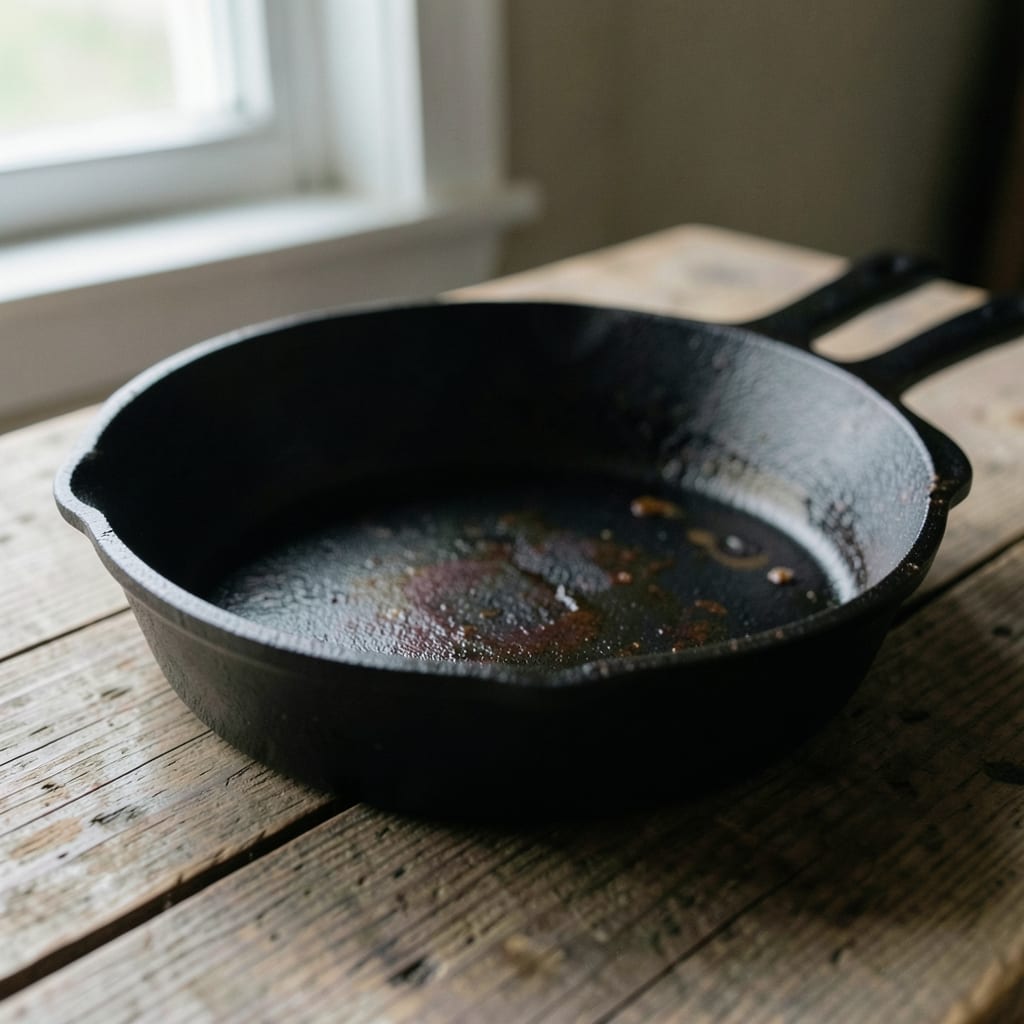
This is the pot that started it all—a 4-quart cast-iron with a warped lid and a handle that has been wrapped and rewrapped in wire over the years. It arrived in 1998, a hand-me-down from my grandmother, who swore by it for everything from gumbo to bread.
The enamel is long gone, the seasoning patchy, and the lid never quite seals, but it holds heat like nothing else.
It taught us that some things cannot be rushed. The first time we tried to hurry a soup in this pot, the broth split and the flavors fought.
Now, every recipe here carries a note: *‘Let it sit.’* The pot’s uneven bottom even became a feature—it distributes heat in a way no modern pan does, and we’ve learned to work with it.
The wooden spoon
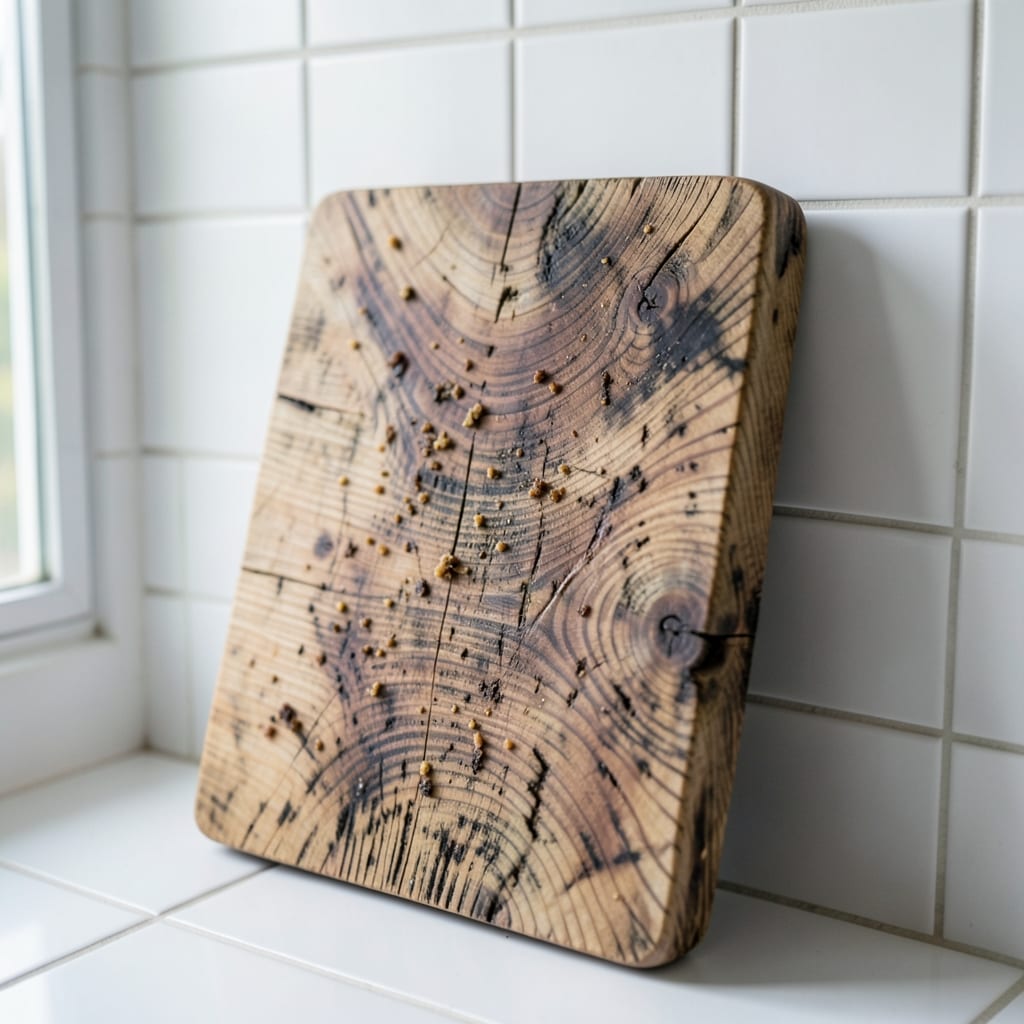
A single, unmarked wooden spoon, its handle worn smooth by decades of use. It has no brand, no markings—just a deep groove where my mother’s fingers used to grip it when she stirred her famous lentil stew.
The bowl is split down one side, held together with frayed twine, and the wood has turned silver in places where the salt has eaten into it.
This spoon is the reason we no longer use metal for tasting. The first time we stirred a simmering broth with it and the wood turned black, we realized how easily flavors can be masked by the wrong tool.
Now, every recipe here begins with a wooden spoon in the broth—because some things should never be hurried, and some tools should never be replaced.
The copper tongs
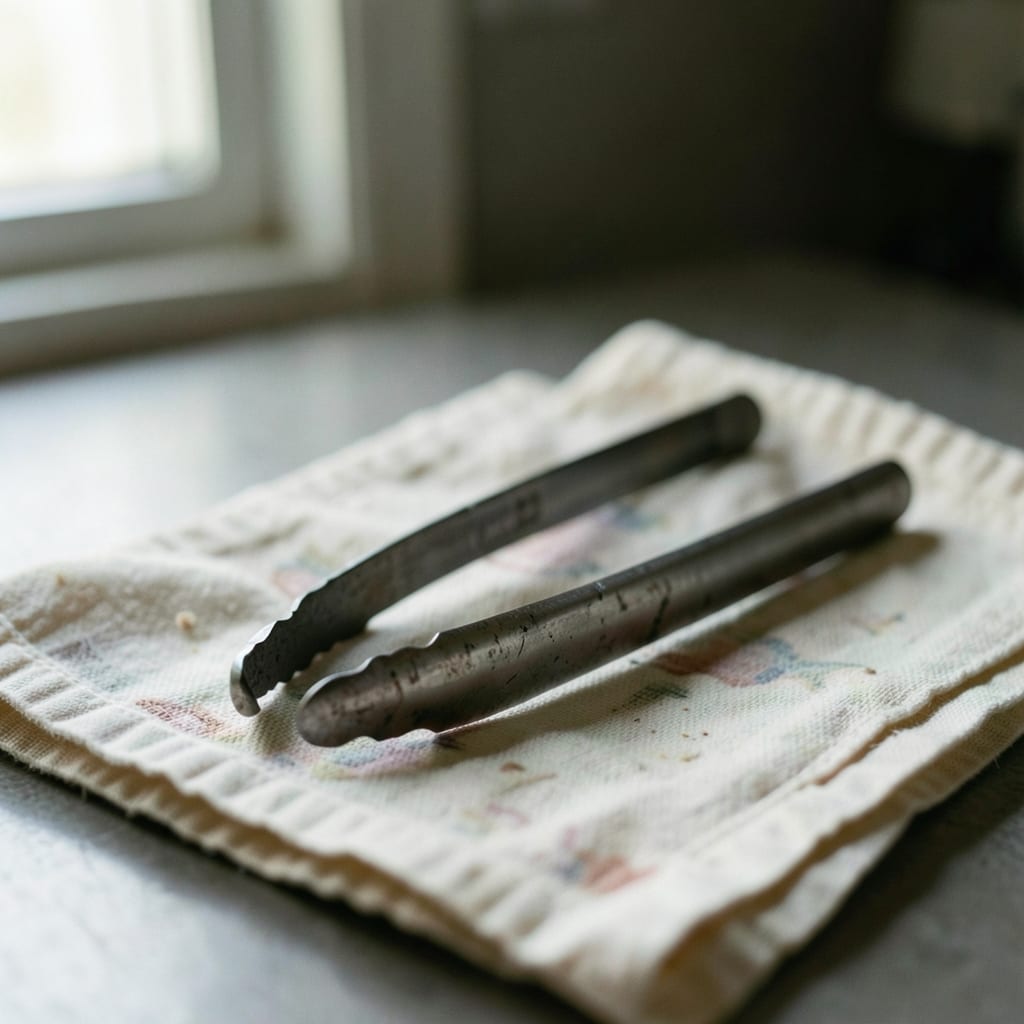
These tongs are cheap, bent, and have lost two of their original rivets. They were bought in a thrift store for three dollars, their handles wrapped in faded green tape that has long since unraveled.
They are the only tool we use to turn dumplings, because they grip without crushing—something every other pair we’ve tried fails at.
They taught us that the right tool doesn’t need to be expensive. These tongs have turned 1,247 dumplings so far, and not one has been ruined by their grip. The bend in the handle even became a feature: it lets us reach deeper into the pot without burning our fingers.
They are the only thing we buy new of when they finally break.
The linen towel
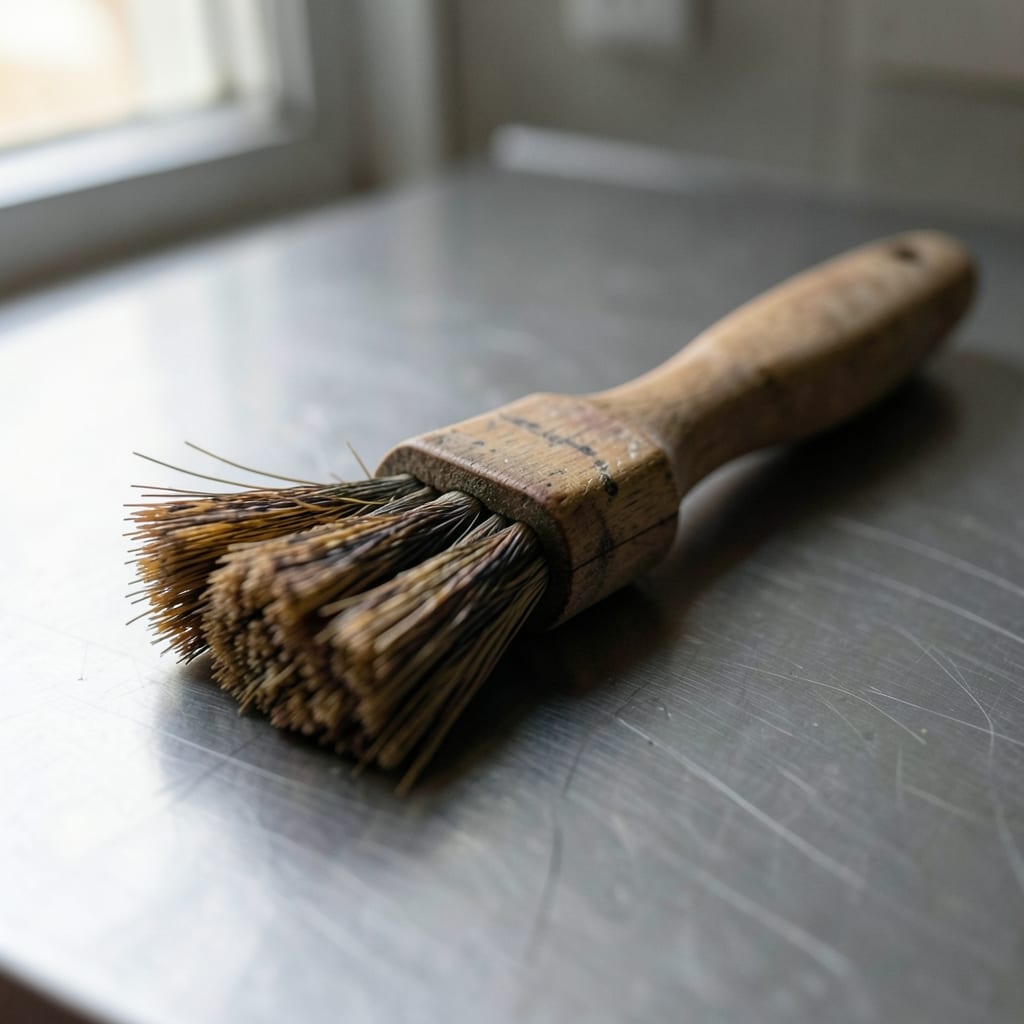
A square of heavy linen, embroidered with a faded vine pattern along the edge. It was my mother’s, then mine, and now it lives draped over the back of every chair in the kitchen.
It has no purpose beyond drying hands and the occasional spill, but it is the only thing we use to test doneness—pressing it against a steamed bun or a fresh loaf of bread.
It taught us that some things cannot be measured. The towel’s weight, its texture, the way it absorbs just enough moisture to tell us when a crust is ready—none of that can be put into words.
Now, every recipe here includes a line like *‘Press the towel to the surface; if it springs back, it’s done.’* The towel itself is never washed. It is worn, patched, and still in use.
What is not in the drawer
This work was built without any of these things.
Deliberately absent
- A digital scale—every measurement here is in cups, spoons, or fingers’ width, because some kitchens don’t have one.
- A recipe box—because the best recipes are the ones you remember, not the ones you file away.
- A timer—because the real rhythm of cooking is learned by watching, not by beeping.
- A food processor—because some things, like hand-chopping garlic or whisking egg whites, should not be rushed.
Behind the scenes

I am Fiona Prescott, Founder & Editor. I am the one who holds the wooden spoon, who listens to the cast-iron pot sing when it’s happy, who patches the linen towel with twine when it tears.
I came to this from my mother’s kitchen, where every dish had a story and every spice a memory. She handed me the cast-iron pot on my 18th birthday, along with a notebook full of recipes she’d scribbled on the back of grocery lists.
The first soup I made in it was a disaster—gluey, over-salted, and burned in places—but she laughed and said, *‘Now you know what not to do.’*
This work has given me a habit I can’t break: noticing the way tools wear. I see the groove in the wooden spoon now in every utensil I use. I wince when I see someone stir a simmering pot with metal, because I know how it dulls the flavor.
And I can no longer walk past a kitchen without checking the pots—are they heavy enough? Are they well-seasoned?
I am here to make sure every recipe on this site works the first time, even if it means scrapping a draft. I am here to remind you that cooking is not about perfection—it’s about the pause, the lift of the lid, and the moment when flavor unfolds.
Why any of this matters to you
These things—the pot, the spoon, the tongs, the towel—are why every recipe here tastes the way it does. They are why the instructions are written the way they are. They are why some steps feel unnecessary and others cannot be skipped.
They are also why you will never see a photo of a perfectly plated dish on this site. The real work happens in the mess, in the wait, in the tools that have been used for years. Here, you will find no shortcuts, no gimmicks, and no promises of perfection.
Only the things that have been tested, worn in, and proven to work.
Every recipe here carries the weight of these tools. That means some steps will feel slow, some ingredients will seem unusual, and some techniques will require patience. But it also means every dish will work—because these things have been tested, and they do not lie.
The recipes are grouped by category: Appetizers, Beverages, Breakfast & Brunch, Desserts, Main Courses and Reviews.