
Soups & Stews
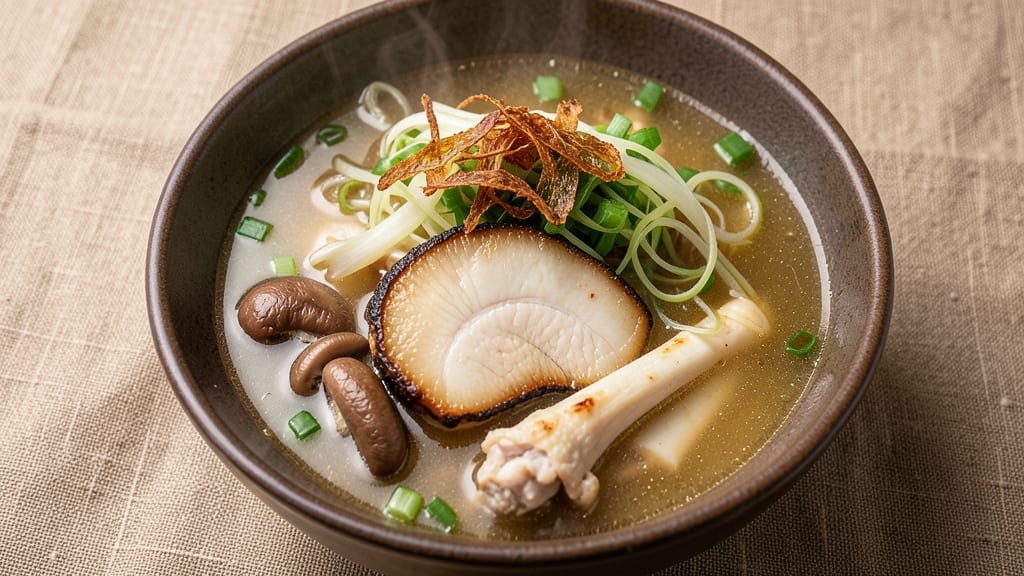
This recipe for abalone ginseng chicken soup transforms a simple pot of broth into a luxurious, umami-rich masterpiece that balances earthy ginseng with delicate seafood.
The secret lies in slow-simmering the broth to extract maximum flavor from chicken bones and ginseng, creating a base so deeply savory it needs no additional seasoning. I perfected this recipe after years of studying traditional Korean techniques, where ginseng isn't just an ingredient but the soul of the dish.
The magic happens in layers: chicken simmered until fall-off-the-bone tender, abalone that melts into the broth while maintaining its natural sweetness, and ginseng that infuses the liquid with medicinal warmth.
What makes this recipe special is the harmony of textures—silky chicken, chewy abalone, and delicate ginseng strands—all suspended in a broth so rich it coats every spoonful. The preparation takes time, but the result is a soup that feels like a restaurant-quality experience in your own kitchen.
What you'll end up with is a bowl of soup that's both comforting and sophisticated, where each ingredient plays its part without overpowering the others.
The ginseng adds a subtle herbal depth that enhances rather than dominates, while the abalone brings a luxurious sweetness that makes this more than just chicken soup. This is the kind of dish that elevates everyday meals into special occasions, requiring only patience and attention to detail.
Perfect for chilly evenings or when you want to impress guests with a dish that feels both familiar and extraordinary. The recipe scales beautifully, so you can make it for two or feed a crowd—just adjust the broth quantity accordingly. Here's how to create this umami masterpiece step by step.
Ingredients for abalone ginseng chicken soup
Fourteen ingredients transform into a luxurious abalone ginseng chicken soup experience.
| Ingredient | Amount | Notes |
|---|---|---|
| Chicken Bones 🍗 | 2 lb | Chicken feet optional for extra collagen |
| Fresh Ginseng Root 🌿 | ½ oz | Thinly sliced for infusion |
| Dried Ginseng Root 🌿 | 1 tbsp | Ground for deeper flavor |
| Abalone 🦪 | 8 oz | Fresh or frozen, sliced thin |
| Shiitake Mushrooms 🍄 | 4 whole | Stems removed, sliced |
| Green Onions 🧅 | 4 whole | White and green parts separated |
| Garlic Cloves 🧄 | 6 cloves | Minced for aromatic base |
| Ginger Root 🧅 | 1 tbsp | Freshly grated, aromatic |
| Sesame Oil 🫒 | 1 tbsp | Toasted for nutty aroma |
| Soy Sauce 🍶 | 2 tbsp | Light or dark variety |
| Rice Wine 🍶 | ½ cup | For delicate sweetness |
| Water 💧 | 6 cups | Filtered preferred for purity |
| Sea Salt 🧂 | 1 tsp | Diamond Crystal preferred |
| Black Peppercorns 🌶️ | 10 whole | Crushed for subtle heat |
The ginseng is non-negotiable here—fresh root from Korean markets delivers the most authentic flavor, but dried ginseng from specialty stores works beautifully when ground properly. For the abalone, fresh is ideal, though frozen slices work in a pinch—just thaw them gently in cold water. Chicken bones should be raw and uncooked to maximize collagen extraction; Costco or butcher shops often carry them pre-cut for convenience. The shiitake mushrooms should be firm and dry, not slimy—Trader Joe's bulk section has excellent quality at a reasonable price.
No fresh ginseng? Dried red ginseng at twice the amount provides a similar depth, though with a slightly bolder profile. Substituting abalone with scallops or clams maintains the seafood essence, though texture will differ slightly. Short on rice wine? Dry sherry or mirin works, though the flavor will shift subtly. The sesame oil should be toasted, not regular—Kadoya brand is my go-to for that nutty aroma. For the soy sauce, light soy for clarity or dark soy for color—both contribute differently to the broth's complexity.
This soup tastes even better the next day, as flavors meld and deepen. Store in an airtight container for up to 5 days, though the broth will thicken—simply add water when reheating. Freeze for up to 3 months, though texture may change slightly upon thawing. For best results, reheat gently on low heat to preserve the delicate abalone texture. The ginseng-infused broth can be used as a base for other dishes, making this a versatile ingredient investment.
Why You'll Love This Recipe
- One-Pot Magic: I swear by this recipe when I’m too tired to clean up—just toss the chicken bones, ginseng, and abalone into a pot, simmer, and walk away. The broth builds itself while you do other things, and honestly? That’s the kind of meal I need after a long week.
- Umami Bomb: Between the abalone’s briny sweetness and the ginseng’s earthy warmth, every spoonful is a flavor explosion. The shiitake mushrooms add that deep, meaty richness, so you’re not just tasting soup—you’re tasting comfort in a bowl.
- Weeknight to Feast: This soup works whether I’m prepping for the week (it reheats beautifully) or hosting Sunday dinner (it feels fancy without the fuss). My partner’s even brought it to potlucks—people always ask for the recipe.
- Budget Luxury: Abalone might sound pricey, but using just a few slices stretches it across multiple servings, and the chicken bones turn into a silky broth that costs next to nothing. Between us, this is how I trick myself into eating well without breaking the bank.
Step-by-step instructions for abalone ginseng chicken soup
Master this umami-rich broth where ginseng and abalone create layers of depth.
Prepare the Chicken Base
Rinse the 2 lb chicken bones thoroughly under cold water to remove any impurities. Place them in a large stockpot and cover with 6 cups water. Bring to a boil over high heat, then immediately reduce to a simmer. Skim off any foam that rises to the surface during the first 10 minutes—this ensures a clear broth.
Add the 0.5 oz fresh ginseng root (thinly sliced) and 1 tbsp dried ginseng root (ground) to the simmering liquid. Let the chicken bones simmer uncovered for 45 minutes, allowing the ginseng to infuse its earthy, slightly sweet notes into the broth. The liquid should reduce slightly and develop a rich, amber color.
Build the Umami Foundation
While the chicken simmers, prepare the remaining ingredients. Slice the 8 oz abalone into thin strips—about ¼-inch thick—and set aside. Remove stems from the 4 whole shiitake mushrooms and slice them into ¼-inch pieces. Separate the 4 whole green onions into white and green parts, mincing the whites and leaving the greens whole for garnish.
In a small bowl, combine the 6 cloves garlic cloves (minced), 1 tbsp ginger root (freshly grated), and 10 whole black peppercorns (crushed). Toast these aromatics in a dry skillet over medium heat for 2 minutes until fragrant. Add them to the simmering broth along with the 2 tbsp soy sauce and 0.5 cup rice wine. Simmer for another 30 minutes to meld flavors.
Add Seafood and Mushrooms
Strain the broth through a fine-mesh sieve into a clean pot, discarding the chicken bones and ginseng. Return the broth to medium heat and add the sliced shiitake mushrooms. Cook for 5 minutes until the mushrooms soften slightly but retain their texture. Add the abalone strips and simmer for an additional 8-10 minutes until the abalone turns opaque and tender.
Season the soup with 1 tsp sea salt and 1 tbsp sesame oil, stirring gently to combine. The sesame oil adds a nutty aroma that complements the umami depth. Taste and adjust seasoning—you may need a touch more soy sauce or salt to balance the flavors. Remove from heat and let the soup rest for 5 minutes to allow the abalone to absorb the broth.
Finish and Serve
Ladle the soup into bowls, garnishing each serving with the reserved green onion greens (minced whites can be added back in if desired). The soup should have a glossy, amber broth with tender abalone and shiitake mushrooms floating on top. Serve immediately to enjoy the harmonious blend of ginseng's earthiness, abalone's briny sweetness, and the rich umami from the chicken base.
This soup is best enjoyed fresh, as the flavors continue to develop even after cooking. Pair it with steamed rice or crusty bread to soak up the luxurious broth. The balance of textures—silky abalone, chewy mushrooms, and delicate broth—makes every spoonful a testament to the power of umami.
Pro Tips For Making Abalone Ginseng Chicken Soup
- Simmer Slow and Low: Start with a rolling boil to extract flavors from the chicken bones, but once everything’s in—abalone, ginseng, mushrooms—drop the heat to a bare simmer. I learned this the hard way: boiling too hard turns the abalone rubbery and the broth cloudy. Think "gentle bubbles," not "violent churn."
- Slice Ginseng Thin: Fresh ginseng needs to infuse, not sit like a rock at the bottom. Use a sharp knife to slice it into paper-thin pieces—about 1mm thick. Dried ginseng? Toast it lightly in a dry pan first to deepen its aroma. (Yes, even if you’re impatient like me.)
- Blanch Abalone First: Skip the raw abalone straight into the pot—it’ll turn tough and chewy. Instead, blanch it in boiling water for 30 seconds, then shock it in ice water. This loosens the fibers and keeps it tender. Pro move: Save the blanching water and add it to the broth later for extra umami.
- Char the Shiitake: Toss your shiitake mushrooms in a hot, dry pan for 2 minutes until edges darken. That caramelized crust adds depth the soup won’t get otherwise. I was skeptical until I tried it—now it’s non-negotiable. (Bonus: Remove stems first; they’re tough.)
Flavor customization for these flavors
Herbal Depth Adjustments
For a more pronounced ginseng flavor, increase the fresh ginseng root to 0.75 oz and add 1 tsp ground dried ginseng directly to each bowl before serving. This creates a medicinal herbal aroma that enhances the soup's earthy complexity.
If you prefer a milder profile, reduce to 0.25 oz fresh and omit the extra dried ginseng. 🌿
Spice Level Control
Balance the soup's richness with black peppercorns or Sichuan peppercorns for warmth. For subtle heat, use 10 whole black peppercorns as written. For a lingering kick, toast 5 crushed Sichuan peppercorns in the same skillet as the garlic and ginger.
Alternatively, add 1 tsp gochugaru (Korean chili flakes) at the end for a fruity-spicy contrast.
Sweetness Variations
Enhance natural sweetness by adding 1 tbsp honey or 1 tbsp mirin during the final 5 minutes of simmering. For a caramelized depth, reduce 0.25 cup rice wine by half in a saucepan until syrupy, then whisk into the broth.
This works especially well if using dried shiitake mushrooms, which absorb flavors more readily.
Umami Boosters
Deepening umami is key—try 1 tbsp fish sauce (like Red Boat) for a briny richness, or 1 tsp mushroom powder (from dried shiitake stems) for an earthy intensity.
For a fermented kick, add 1 tsp doenjang (Korean soybean paste) during the final 10 minutes of cooking. These additions amplify the abalone's natural sweetness without overpowering the ginseng.
Texture Contrasts
Add crispy elements to balance the soup's silky textures. Top each bowl with toasted sesame seeds or crispy fried shallots for crunch. For a luxurious finish, serve with thinly sliced kimchi on the side—its tangy crunch cuts through the richness.
Alternatively, add 1 tbsp cornstarch to the broth in the final 5 minutes to create a velvety consistency while keeping the abalone tender.
Regional Twists
For a Korean-inspired version, replace rice wine with 0.5 cup makgeolli (rice wine) and add 1 tsp toasted sesame oil at the end. For a Japanese adaptation, swap ginseng for 0.5 oz dried shiitake stems and use dashi instead of chicken broth.
A Chinese fusion could include 1 star anise pod and 1 slice ginger during the initial simmer, then strain before adding abalone.
Nutrition facts
Frequently asked questions
Can I substitute abalone with another seafood?
Yes! For a similar texture, try scallops or clams—they absorb the broth beautifully. For a different flavor profile, lobster or crab meat works but may require adjusting cooking time to 5-7 minutes instead of 8-10 minutes. Avoid fish like cod, as it can overcook and turn rubbery in the broth.
How do I find fresh ginseng root?
Look for it at Korean or Asian markets—they often carry fresh ginseng root in the refrigerated section. If unavailable, dried red ginseng from specialty stores works well (use twice the amount of fresh). For convenience, ginseng tea bags can be steeped in the broth during the initial simmer, though they won't infuse as deeply.
Why does my broth look cloudy?
Cloudiness usually means the broth didn't skim properly or simmered too vigorously. For a clearer broth, skim foam for the first 15 minutes and simmer at a gentle bubble. If it's already cloudy, strain it through a cheesecloth-lined sieve before adding the abalone. The ginseng infusion will still work—just expect a slightly earthier appearance.
Can I make this soup ahead of time?
Store the cooked soup (without abalone) in an airtight container for up to 5 days in the fridge. Reheat gently, then add the abalone just before serving to prevent overcooking. For freezing, cool the broth completely, then freeze for up to 3 months. Thaw overnight in the fridge—never microwave directly from frozen.
What if I don't have chicken bones?
Use chicken thighs or drumsticks instead of bones—they'll add meaty flavor and collagen. Simmer them for 45 minutes (instead of bones), then remove and shred the meat to add back later. For a bone-free option, use store-bought chicken stock (like Koyo or Pacific Foods) and add 1 extra tbsp dried ginseng to compensate for the missing depth.