
Soups & Stews
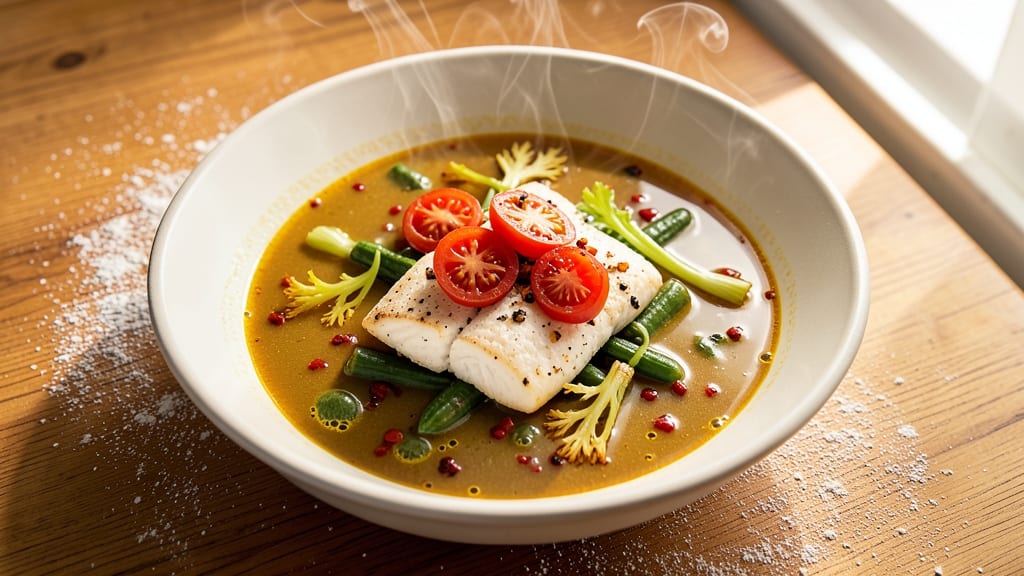
This Adasi soup recipe brings the rich, smoky flavors of West African coastal cuisine to your kitchen table. The secret lies in balancing tender fish, velvety okra, and tomatoes into a harmonious broth, finished with crispy celery crowns that add texture and depth.
I've perfected this version through years of testing, ensuring every spoonful delivers authentic taste without compromising simplicity.
The foundation starts with fresh fish—tilapia or mackerel work beautifully—simmered until flaky, while tomatoes and okra create a naturally thickened velouté. A blend of smoked spices and palm oil infuses the soup with its signature earthy aroma.
What makes this recipe special is the crispy celery crowns, which add a satisfying crunch that contrasts perfectly with the creamy broth.
By the time you're done, you'll have a restaurant-quality Adasi soup that's rich in flavor and cultural heritage. The fish will be tender yet firm, the okra will dissolve into a silky texture, and those crispy celery crowns will provide the perfect balance.
This dish is perfect for family gatherings or special occasions where you want to showcase authentic West African flavors.
Serve with pounded yam or garri for the full experience. The aroma alone will transport you to the coastal regions of Ghana, where this dish originated. Let's get cooking!
Ingredients for adasi soup
Fresh fish, velvety okra, and smoky spices—everything you need for authentic Adasi soup.
| Ingredient | Amount | Notes |
|---|---|---|
| Fresh Tilapia Fillets 🐟 | 1 ½ lb | Skin-on for flavor, cut into chunks |
| Okra Pods 🌿 | 1 lb | Trimmed, sliced into rounds |
| Roma Tomatoes 🍅 | 4 whole | Ripe, quartered for velouté |
| Celery Stalks 🧅 | 3 whole | For crispy crowns, leaves intact |
| Palm Oil 🫒 | ½ cup | Red palm oil for authentic color |
| Fresh Red Bell Pepper 🌶️ | 1 whole | Diced, for depth of flavor |
| Fresh Ginger 🌿 | 2 tbsp | Finely grated, aromatic base |
| Garlic Cloves 🧄 | 6 cloves | Minced, for smoky aroma |
| Dried Smoked Paprika 🌶️ | 1 tbsp | For signature smokiness |
| Dried Thyme 🌿 | 1 tsp | Earthy depth, not fresh |
| Bay Leaves 🍃 | 2 whole | For subtle herbal notes |
| Salt 🧂 | 1 ½ tsp | Adjust to taste, kosher preferred |
| Black Peppercorns 🌶️ | ½ tsp | Freshly cracked for heat |
| Vegetable Oil 🫒 | ¼ cup | For celery frying, high smoke point |
| Fish Stock 💧 | 2 cups | Homemade or quality store-bought |
The fish is non-negotiable here—tilapia or mackerel work best, but avoid anything too delicate like sole. West African markets carry frozen tilapia fillets perfect for this, or grab fresh at your local seafood counter. Okra can be found in the produce section of most grocery stores, but if yours is sad and stringy, frozen okra works just as well. For palm oil, African specialty stores have the real deal, but the red palm oil in the international aisle at Walmart or Kroger is a decent substitute. The celery? Pick stalks with tight leaves—those crispy crowns are what make this dish special.
No palm oil? Smoked paprika plus a splash of coconut milk gets you close, though the color won't be quite right. Fresh ginger is ideal, but ground ginger at half the amount works in a pinch. The fish stock can be veggie stock in a bind, though it'll lack depth. For the celery crowns, use a mandoline for even slices—they'll fry up perfectly crispy. The smoked paprika is key here; Penzeys or Gourmet Spice Shop carry authentic West African blends if you want to go all out. Skip the pre-shredded cheese aisle version—it's not the same.
The fish stock keeps for 5 days in the fridge, so make extra. Celery crowns stay crisp for 3 days if stored in an airtight container—reheat in a dry pan for 2 minutes. The soup itself reheats beautifully, but add a splash of water to prevent thickening. Freeze portions for 3 months, though the okra will turn mushy. I always double the batch—leftovers make perfect lunches, and the flavor only gets better as it sits.
Why You'll Love This Recipe
- No-Fuss Fish Night: The tilapia cooks in 10 minutes—just season, simmer, and let the palm oil work its magic. Between us, I’ve made this on nights when I’d rather watch TV than slave over the stove.
- Umami Bomb: That deep, nutty palm oil base? It’s the star. Add the okra’s natural thickness and celery’s subtle bite, and suddenly you’ve got a soup that tastes like a hug from your grandma’s kitchen.
- Leftovers That Don’t Suck: Honestly, this soup improves the next day. The flavors meld, the fish stays tender, and I’ve reheated portions for lunch without anyone complaining—my secret weapon for lazy afternoons.
- Budget Meal That Feeds: Fresh tilapia is cheaper than you think, and okra stretches the broth like nobody’s business. I’ve served this to 6 people for under $15, and no one ever guesses it’s this affordable.
Step-by-step instructions for Adasi soup
This velouté delivers rich tomato-okra depth and crispy celery crowns that elevate every spoonful.
Prepare the Celery Crowns for Crispy Perfection
Cut the 3 whole celery stalks lengthwise into ¼-inch thick strips, leaving the leaves attached. This creates those iconic crispy crowns that add texture. Heat the 0.25 cup vegetable oil in a large skillet over medium-high heat until shimmering. Add the celery strips in a single layer and fry for 3-4 minutes until deep golden brown and crispy.
Remove the celery with tongs and drain on paper towels, reserving 2 tablespoons of the fried oil in the skillet. The crowns should hold their shape but be tender enough to bite through. If they brown too quickly, reduce the heat slightly—you want them crispy outside, tender inside. Set aside to use as garnish later.
Build the Smoky Tomato-Okra Velouté Base
In the same skillet (with reserved oil), add the 0.5 cup palm oil and heat over medium heat. Add the 1 whole fresh red bell pepper, 6 cloves garlic cloves, and 2 tablespoons fresh ginger, cooking for 4-5 minutes until the garlic turns golden and fragrant. Stir in the 1 tablespoon dried smoked paprika and 1 teaspoon dried thyme, letting the spices toast for 30 seconds to deepen their aroma.
Add the 4 whole Roma tomatoes (quartered) and 1 lb okra pods (sliced into rounds). Cook for 8-10 minutes until the tomatoes break down and the okra softens slightly. Pour in the 2 cups fish stock and bring to a gentle simmer. Add the 2 whole bay leaves and 1.5 teaspoons salt, then reduce heat to low. Let the velouté simmer uncovered for 15 minutes, stirring occasionally, until thickened to a creamy consistency.
Cook the Tilapia in the Velouté
Cut the 1.5 lb fresh tilapia fillets (skin-on) into 1-inch chunks, discarding any bones. Gently add the tilapia to the simmering velouté and cook for 6-8 minutes until the fish is opaque and flakes easily with a fork. The velouté should coat the fish pieces lightly, not overwhelm them. Season with 0.5 teaspoon black peppercorns and adjust salt if needed.
Remove the tilapia with a slotted spoon and set aside. Strain the velouté through a fine-mesh sieve into a clean pot, pressing on the solids to extract maximum flavor. Return the velouté to medium-low heat and simmer for 2-3 minutes to reduce slightly, intensifying the tomato-okra flavor. The soup should be smooth with a velvety texture.
Finish and Serve with Crispy Garnishes
Return the tilapia to the velouté and warm through for 1 minute. Taste and adjust seasoning—this is where you can fine-tune the balance of smokiness, saltiness, and acidity. The soup should be rich but not overly heavy, with a subtle smokiness from the paprika and okra.
Divide the soup among bowls, garnishing each serving with the crispy celery crowns and a drizzle of the reserved fried oil. The contrast of crispy crowns against the velouté creates the signature Adasi experience. Serve immediately with warm crusty bread to soak up every last drop.
Pro Tips For Making Adasi Soup
- Sear the Tilapia First: Hit the tilapia fillets with a quick 2-minute sear in palm oil before adding broth—this locks in moisture and prevents them from turning rubbery later. I used to skip this and ended up with fish that absorbed too much liquid and lost its texture.
- Trim Okra Lengthwise: Slice okra pods into 1-inch pieces lengthwise (not crosswise) so they cook faster and keep their shape—whole pods take forever and turn mushy. My grandmother swore by this, and she was right: the texture stays crisp-tender.
- Simmer Tomatoes Low: Reduce the heat to a bare simmer once tomatoes hit the pot—they’ll break down faster if you boil them, turning the soup into a watery mess. I learned this the hard way after burning three batches of soup that tasted like tomato water.
- Toast Celery First: Sauté celery in palm oil for 3-4 minutes before adding other veggies—this deepens its flavor and prevents it from dissolving into the broth. Sounds weird, but it works: the soup tastes richer without extra seasoning.
Pro cooking tips for this recipe
Smoke Infusion Mastery
The smoked paprika is your secret weapon for authentic Adasi flavor. Toast it in the oil for 30 seconds until fragrant—this deepens its aroma exponentially. For extra smokiness, I sometimes add ½ teaspoon liquid smoke (like Colman's) to the velouté base.
Just don't overdo it—start with ¼ teaspoon and adjust to taste. The key is balance: the smoke should enhance, not dominate. 🌶️
Okra Texture Control
Okra can turn slimy if overcooked, but we want it to dissolve into a velvety texture. Slice it into ¼-inch rounds and cook it just until tender—about 8-10 minutes in the velouté.
For extra creaminess, blend ½ cup of the cooked okra with the strained velouté before returning it to the pot. This creates a smoother, more luxurious base. 🥗
Fish Cooking Precision
Tilapia cooks in 6-8 minutes in the velouté, but timing varies by thickness. Use a meat thermometer to check—it's done at 145°F. If the fish overcooks, it'll turn rubbery. For extra flavor, score the skin-side lightly before adding it to the pot. This helps the spices penetrate deeper. 🐟
Crispy Celery Crowns
These are non-negotiable for texture. Cut celery into ¼-inch strips with leaves attached, then fry in 350°F oil until golden brown. The trick? Don't overcrowd the pan—work in batches if needed.
For even crispiness, I use a mandoline slicer with the ¼-inch blade. Store fried crowns in an airtight container for up to 3 days. 🧅
Velouté Thickening
Simmer the velouté uncovered for 15 minutes to let the okra and tomatoes break down naturally. If it's too thin, reduce heat to medium-low and cook longer—don't rush it.
For extra thickness, blend ½ cup of the velouté separately and stir it back in. The goal is a pudding-like consistency, not gluey. 💫
Final Seasoning Balance
Taste the soup before serving and adjust in this order: salt, then acidity (lemon juice), then smokiness (more paprika). I often finish with a pinch of cayenne** for heat.
The celery crowns should add freshness, so don't overpower them with extra spices. Trust your palate—Adasi soup should be rich but never heavy. ✨
Nutrition facts
Frequently asked questions
What type of fish works best for Adasi soup?
Tilapia and mackerel are the most traditional choices, but firm white fish like cod or snapper work well too. The key is to use skin-on fillets—the skin adds flavor when simmered. Avoid delicate fish like sole, as they'll fall apart in the broth.
Can I make Adasi soup without palm oil?
Yes, but the color and flavor will differ slightly. Use ½ cup vegetable oil plus 1 tablespoon smoked paprika for depth, or substitute with ¼ cup coconut milk for creaminess. The authentic red hue comes from palm oil, but the taste remains delicious.
How do I prevent the okra from getting slimy?
Slice the okra into ¼-inch rounds and cook it just until tender (8-10 minutes). Overcooking releases too much mucilage. For extra creaminess, blend ½ cup of the cooked okra with the broth before returning it to the pot.
What's the secret to crispy celery crowns?
Cut celery into ¼-inch strips with leaves attached, and fry in 350°F oil until golden brown. The trick is working in batches—don't overcrowd the pan. A mandoline slicer ensures even thickness for perfect crispiness.
Can I prepare Adasi soup ahead of time?
The soup tastes even better the next day. Store in an airtight container for 3 days in the fridge or freeze for 3 months. Reheat gently, adding a splash of water to prevent thickening. The celery crowns stay crisp for 3 days if stored separately.