
Soups & Stews
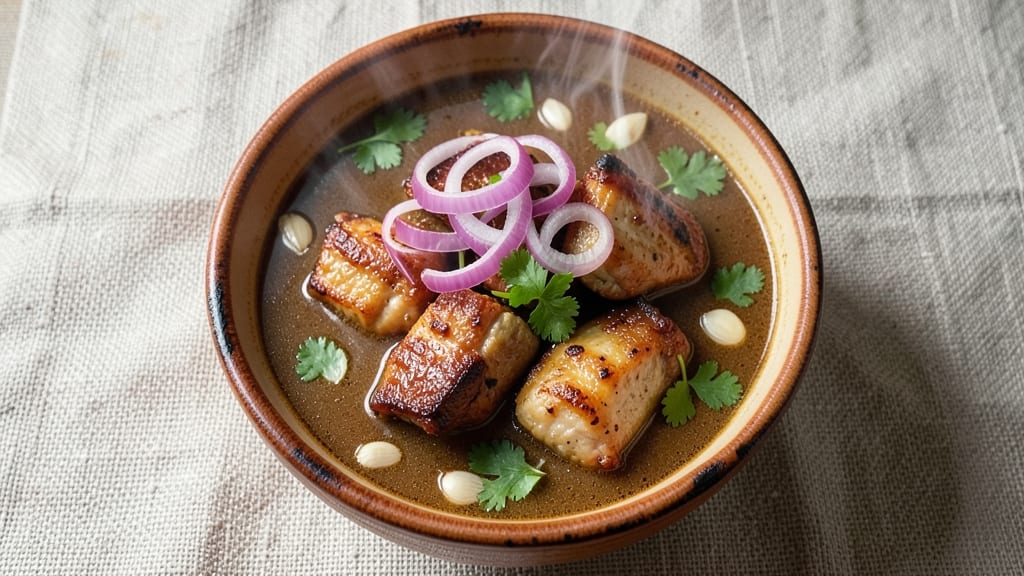
This adobo soup recipe delivers the bold, tangy flavors of Filipino comfort food in one satisfying bowl. The secret lies in braising tender chicken and pork in a rich soy-vinegar broth until the meat falls apart, creating a dish that's equal parts savory and bright.
I've perfected this version to balance traditional techniques with home-cooking practicality—no special equipment required, just patience and a few key ingredients.
The magic happens in the slow simmer, where soy sauce, vinegar, and garlic create a deep, complex flavor profile that penetrates every bite. Unlike quick stews, this soup develops its signature taste over time, with the vinegar cutting through the richness while the soy adds umami depth.
The result is meat so tender it practically melts, swimming in a glossy broth that's both comforting and invigorating.
What sets this recipe apart is its versatility—serve it as a hearty main with steamed rice or transform it into a filling for dumplings. The broth freezes beautifully, making it perfect for meal prep, while the leftovers only get better as flavors meld.
Whether you're recreating Filipino home cooking or simply craving a restaurant-quality bowl, this adobo delivers every time.
Pair it with garlic fried rice or buttery lumpia for the full experience. The key is letting the flavors work their magic—no shortcuts here. Ready to make this traditional favorite your new go-to?
Ingredients for adobo soup
Nine essential ingredients for that perfect soy-vinegar balance in your adobo soup.
| Ingredient | Amount | Notes |
|---|---|---|
| Chicken Thighs 🍗 | 1 ½ lb | Bone-in, skin-on preferred |
| Pork Shoulder 🐷 | 1 ½ lb | Cut into 1-inch chunks |
| Soy Sauce 🥄 | ½ cup | High-quality, dark preferred |
| White Vinegar 💧 | ¼ cup | White or cane vinegar |
| Garlic Cloves 🧄 | 8 cloves | Peeled, smashed slightly |
| Onion 🧅 | 1 whole | Yellow or white, chopped |
| Fresh Ginger | ½ inch | Fixed: Peel and slice thinly |
| Bay Leaves 🌿 | 2 whole | Dried, crumbled |
| Black Peppercorns 🌶️ | 1 tsp | Crushed, whole preferred |
| Sugar 🍚 | 2 tbsp | White or brown sugar |
| Canola Oil 🫒 | 2 tbsp | For searing meat |
| Water 💧 | 4 cups | Or low-sodium broth |
| Fresh Ginger 🌿 | 2 tbsp | Grated, fresh preferred |
| Salt 🧂 | 1 ½ tsp | Adjust to taste |
The meat is everything here. Chicken thighs stay juicy while pork shoulder melts into tender chunks—bone-in, skin-on for maximum flavor. Grab family-style cuts from your local butcher if you can; they'll have better marbling than pre-packaged supermarket meat. For soy sauce, Lee Kum Kee or Silver Swan are my go-tos—they've got that deep umami punch. Vinegar should be white or cane; apple cider won't cut it here. Fresh ginger is non-negotiable—store-bought jars work in a pinch, but fresh grated makes all the difference.
No dark soy sauce? Regular soy sauce plus 1 tsp molasses gets you close. Short on pork? Chicken thighs only still works—just add an extra bay leaf. The sugar balances the acidity, so don't skip it. For a quicker version, swap the searing with 1 tbsp extra oil and add meat straight to the pot. The broth can be water or low-sodium chicken broth—homemade is best but store-bought in a pinch. If you're feeling fancy, add a splash of Filipino calamansi juice (or lime) at the end for that authentic tang.
This soup tastes even better the next day—make extra. Store in an airtight container for 4-5 days in the fridge or freeze for 3 months. The broth freezes perfectly, so portion it out for quick lunches. For meal prep, double the recipe and freeze half. When reheating, add a splash of water or broth if it's too thick. The meat gets even more tender after sitting overnight, so plan ahead if you can.
Why You'll Love This Recipe
- One-Pot Magic: I swear by this recipe because it’s literally one pot—no chopping boards, no extra pans. Toss in the chicken thighs, pork shoulder, garlic, and vinegar, then let the soy sauce work its magic while you stir occasionally. (Yes, even on a Tuesday night.)
- Umami Bomb: The combo of soy sauce and vinegar? It’s like a flavor explosion in your mouth—salty, tangy, and just a little sweet. That pork shoulder gets so tender it falls apart, and the garlic? Oh, it’s there in the best way.
- Leftovers That Don’t Suck: This stuff tastes better the next day, honestly. I make a big batch on Sundays, and by Wednesday, it’s still my go-to for lunch. Freeze what you don’t eat—it reheats like a dream, no weird textures.
- Budget Feast: A whole chicken and pork shoulder won’t break the bank, and the rest of the ingredients? Basic pantry stuff. You’re feeding a crowd for less than takeout, and everyone’s happy—even the picky eaters. (My daughter picks out the garlic, but still asks for seconds.)
Step-by-step instructions for adobo soup
Here's how to make this rich, tangy Filipino classic with tender meat and deep flavors.
Sear the Meats for Maximum Flavor
Heat a large Dutch oven over medium-high heat until hot. Add 1 tablespoon of the canola oil and let it shimmer. Working in batches, sear the 1.5 lb chicken thighs and 1.5 lb pork shoulder chunks for 3-4 minutes per side until golden brown. You want that deep color—it's the foundation of the soup's flavor.
Remove the meat from the pot and set aside. The browned bits left behind will melt into the sauce, creating layers of umami. If your pot starts smoking, reduce the heat slightly—you're aiming for a good sear, not burnt edges. I like to leave the skin on the chicken thighs for extra crispiness and flavor.
Sauté Aromatics Until Fragrant
In the same pot, add the remaining 1 tablespoon canola oil and swirl to coat. Add the chopped onion and cook for 3-4 minutes until softened and translucent. Add the 8 smashed garlic cloves and 2 tbsp grated fresh ginger, stirring constantly for 30 seconds until you can smell that aromatic punch.
Next, add the 2 crumbled bay leaves and 1 tsp crushed black peppercorns. Stir for another 30 seconds to toast the spices slightly—this releases their essential oils and deepens their flavor. The bay leaves will infuse the soup with their earthy aroma, while the peppercorns add a subtle warmth that balances the tanginess.
Deglaze and Build the Tangy Base
Pour in the 0.5 cup soy sauce and 0.25 cup white vinegar, scraping up all those delicious browned bits from the bottom of the pot. Let this mixture simmer for 2-3 minutes until it reduces slightly and the vinegar's sharpness softens into a bright tang. This is where the magic happens—the soy sauce and vinegar combination creates that signature adobo flavor.
Add the 2 tbsp sugar and stir to dissolve completely. The sugar helps balance the acidity of the vinegar while adding a subtle sweetness that rounds out the flavors. Let the mixture simmer for another 1-2 minutes until it thickens slightly and coats the back of a spoon.
Braise the Meats Until Fork-Tender
Return the seared meats to the pot along with the 4 cups water. Bring to a boil, then reduce heat to low and cover partially. Let it simmer for 1 hour to 1 hour 15 minutes, or until the meats are fork-tender and easily pull apart. The chicken thighs should have tender, juicy meat that falls off the bone, while the pork should be so tender it practically melts in your mouth.
Here's the thing—don't peek or stir too often. Every time you lift the lid, you lose heat and moisture. Let the soup work its magic undisturbed. If the liquid reduces too much before the meats are tender, add a splash of water to maintain the right consistency.
Adjust Seasoning and Serve
Once the meats are tender, taste the broth and adjust seasoning with the 1.5 tsp salt if needed. The soup should be balanced—savory from the soy sauce, tangy from the vinegar, with a touch of sweetness from the sugar. You might need to add a bit more soy sauce for depth or a splash more vinegar for brightness, depending on your taste.
Remove the bay leaves before serving. Ladle the hot soup into bowls, making sure each serving has generous portions of both chicken and pork. Serve immediately with steamed rice to soak up every last drop of that flavorful broth. The contrast of the warm rice with the rich, tangy soup is what makes this dish truly special.
Pro Tips For Making Adobo Soup
- Brown the Meat First: Skip the direct vinegar bath—sear the chicken thighs and pork shoulder in a hot pan until deeply golden. The crust locks in flavor and prevents the meat from turning rubbery when the vinegar hits. (Yes, it takes 10 extra minutes, but the difference is night and day.)
- Use Less Vinegar Early: Start with half the vinegar called for, then add the rest later. Too much upfront makes the meat tough, and the acid flavor overpowers the soy. Taste as you go—you can always add more, but you can’t take it out.
- Don’t Crowd the Garlic: Mince the garlic cloves thin (almost like paste) and spread them out in the pan. Burnt garlic ruins the whole dish, and crowded cloves steam instead of sizzle. A splash of water after browning helps release their flavor without scorching.
- Simmer, Don’t Boil: Once everything’s in the pot, keep the heat low enough that only tiny bubbles break the surface. Boiling toughens the meat and makes the broth cloudy. Cover partially and let it work—patience here means fork-tender results.
Storing and reheating this recipe
Refrigerator Storage
Let your adobo soup cool to room temperature for no more than 2 hours before storing. Transfer to an airtight container—I prefer glass Pyrex with locking lids—and refrigerate for up to 4-5 days. The flavors actually deepen as the soy and vinegar meld together overnight. 💪
When reheating from the fridge, I always add ¼ cup water or broth to prevent sticking. Heat over medium-low for 10-15 minutes, stirring occasionally, until bubbling. The meat will be even more tender than before!
Freezer Storage
For long-term storage, freeze the soup in quart-sized freezer bags (they stack neatly). Leave 1 inch headspace for expansion and squeeze out excess air to prevent freezer burn. Label with the date—this soup stays delicious for 3 months. 🧊
Thaw overnight in the fridge before reheating. For quick use, microwave on 50% power for 3-4 minutes, stirring halfway. The broth may thicken after freezing, so add a splash of water if needed.
Reheating Tips
Stovetop reheating preserves texture best. Use a heavy-bottomed pot to prevent scorching. If the soup seems too thick after reheating, add 2-3 tablespoons of water or broth and simmer until smooth.
Taste and adjust seasoning—vinegar evaporates slightly during storage, so you might need ½ tsp extra white vinegar for brightness. ✨
For meal prep, double the recipe and freeze half. Portion into single-serving containers for easy grab-and-go lunches. The broth freezes beautifully, so you can save it separately for future batches!
Nutrition facts
Frequently asked questions
Can I make adobo soup without pork?
This recipe works beautifully with just chicken thighs or even tofu for a vegetarian version. If using chicken only, add an extra bay leaf and 1 tsp fish sauce (or soy sauce) to boost umami. For tofu, press and cube firm tofu first, then pan-fry until golden before adding to the pot.
Why does my adobo soup taste too salty?
Soy sauce and vinegar are packed with salt, so taste as you go! If it's too salty, add ½ cup water or broth and simmer for 5 minutes to dilute. For a quicker fix, stir in 1-2 tbsp cornstarch slurry to thicken the broth—this helps balance the saltiness while keeping the flavor intact.
What's the best way to thicken adobo broth?
Simmer uncovered for 10-15 minutes to reduce naturally, or stir in 1 tbsp cornstarch mixed with 2 tbsp cold water and cook for 2 minutes until glossy. For a richer texture, mash some of the cooked pork or chicken into the broth—this adds natural thickness and extra flavor.
Can I use coconut milk in adobo soup?
Traditional adobo doesn't include coconut milk, but you can add ½ cup light coconut milk at the end for creaminess. Stir it in gently and simmer for 1-2 minutes—don't overcook or it may curdle. This works well if you're serving it with rice or noodles for extra richness.
How do I know when the meat is fully cooked?
The meat is done when it's fork-tender—chicken thighs should pull apart easily, and pork chunks should be soft enough to shred with a fork. For chicken, the internal temperature should reach 165°F, while pork should hit 145°F. If unsure, cut into the thickest piece—the juices should run clear, not pink.