
Soups & Stews
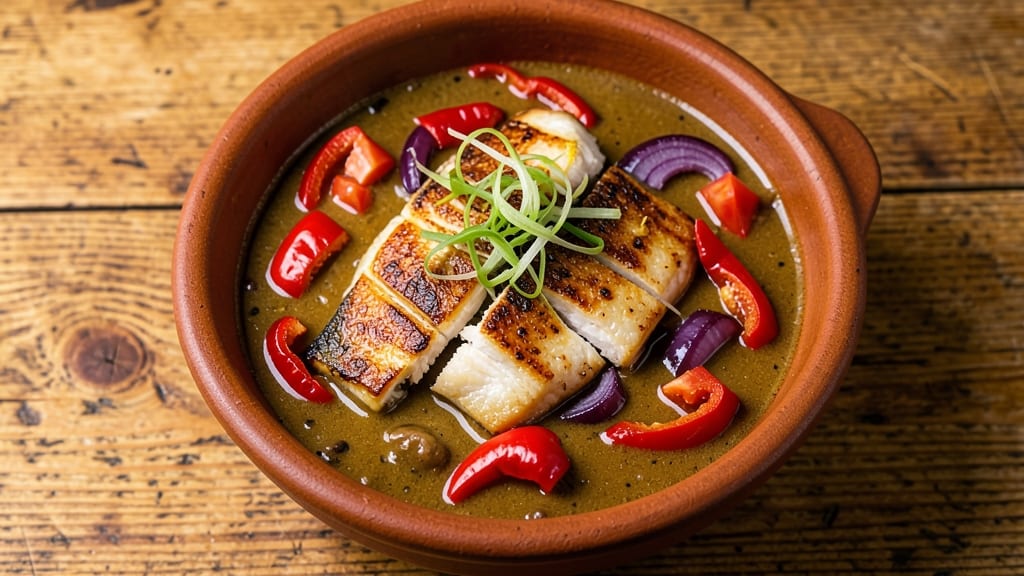
This African Fish Pepper Soup recipe delivers restaurant-quality depth in a single pot, blending smoky spices with tender fish for a dish that feels like a warm embrace. The secret lies in slow simmering—letting flavors meld into a rich, aromatic broth that transforms simple ingredients into something extraordinary.
I've perfected this technique over years of cooking, ensuring every spoonful carries layers of tradition and bold flavor.
The beauty of this soup is its versatility—it works with fresh or dried fish, and the spice blend can be adjusted to suit your heat preference. Traditional ingredients like palm oil and locust beans create that signature African depth, while fresh herbs add brightness.
What makes this recipe special is how it balances complexity with simplicity, making it perfect for weeknight dinners or special occasions.
By the time you finish cooking, you'll have a pot of golden, fragrant soup with tender fish swimming in a velvety broth. The aroma alone will draw everyone to the table, and the first bite delivers that perfect harmony of spice, umami, and freshness.
Serve it with rice, fufu, or plantains to complete the experience—this is comfort food at its finest.
Whether you're cooking for family or hosting guests, this recipe delivers restaurant-quality results with minimal effort. The one-pot method ensures easy cleanup while maintaining authenticity. Let's get started on creating a dish that tastes like home, no matter where you are.
Ingredients for african fish pepper soup
Traditional African flavors meet simple pantry staples for this bold, aromatic fish soup.
| Ingredient | Amount | Notes |
|---|---|---|
| Fresh White Fish Fillets 🐟 | 1 ½ lb | Firm white fish like cod or tilapia |
| Palm Oil 🫒 | ½ cup | Red palm oil preferred for color |
| Dried Locust Beans 🌾 | ¼ cup | Soaked overnight, then blended |
| Fresh Red Bell Peppers 🌶️ | 2 whole | Diced, seeds removed |
| Fresh Onions 🧅 | 1 whole | Chopped, medium size |
| Fresh Tomatoes 🍅 | 2 whole | Ripe, chopped |
| Garlic Cloves 🧄 | 6 cloves | Minced, fresh preferred |
| Fresh Ginger 🌿 | 2 tbsp | Grated, fresh preferred |
| African Fish Pepper 🌶️ | 2 tbsp | Adjust for heat preference |
| Ground Cumin 🌿 | 1 tsp | Toasted for depth |
| Ground Coriander 🌿 | 1 tsp | Freshly ground preferred |
| Sea Salt 🧂 | 1 ½ tsp | Adjust to taste |
| Fresh Cilantro 🌿 | ¼ cup | Chopped, for garnish |
| Scotch Bonnet Peppers 🌶️ | 1 whole | Seeds removed, chopped |
| Fish Stock 💧 | 2 cups | Homemade or quality store-bought |
Palm oil gives this soup its signature golden color and rich flavor—African markets or specialty stores carry it, but Amazon delivers if you can't find it locally. The dried locust beans (also called iru) are non-negotiable for that authentic umami depth. Soak them overnight, then blend with water to create a smooth paste. For the fish, firm white varieties like cod or tilapia hold up best to the long simmer. If using frozen fish, thaw it completely first—ice crystals can make the broth cloudy. The African fish pepper is the secret weapon here; if you can't find it, substitute a blend of cayenne and smoked paprika.
No palm oil? Coconut oil or vegetable oil works in a pinch, though the flavor won't be identical. Locust beans unavailable? Mushroom powder or a dash of soy sauce adds umami, but it won't be the same. Fresh ginger and garlic are ideal, but if you're using dried, reduce amounts by half. The scotch bonnet pepper is optional but recommended—it adds a fruity heat that balances the soup beautifully. For the fish stock, homemade is best, but a quality store-bought version (like Pacific Foods) will work. The bell peppers can be swapped for tomatoes if you prefer a milder flavor, but the combination of both gives the best texture contrast.
This soup tastes even better the next day as flavors meld—make a double batch if you can. Store leftovers in the fridge for up to 4 days, covered tightly to preserve the aroma. For longer storage, freeze portions in airtight containers for up to 3 months. The broth thickens as it cools, so add a splash of water when reheating. Serve with steamed rice or fufu to soak up every last drop of that flavor-packed broth.
Why You'll Love This Recipe
- One-Pot Magic: I swear by this recipe because it’s literally one pot—no chopping chaos, no extra bowls. Just fry the onions in palm oil until they’re golden, toss in the locust beans and peppers, then add the fish. Simmer. Done. The fish flakes apart like it’s been braised for hours, but you’re done in 25 minutes.
- Rich Without Effort: Here’s what sold me—the palm oil base is deep, almost buttery, but it cuts through with the pepper’s bright snap and the locust beans’ earthy bite. Honestly, I’ve tried lighter soups, but this one’s got that weight—like a hug in a bowl. The fish stays tender, but the broth? Dangerously addictive.
- Weeknight to Weekend: Between us, this is my go-to for lazy Fridays and Sunday dinners. Double the locust beans if you’re feeding a crowd, or halve it for a cozy solo night. Leftovers? Even better cold the next day—just reheat and serve with crusty bread. My roommates steal my portions, so it’s clearly winning.
- Budget-Friendly Luxury: Fresh fish can feel fancy, but this recipe stretches it like crazy. The locust beans and bell peppers bulk it up, so you’re not drowning in cost. Plus, palm oil is cheap, and onions? Always on sale. It’s the kind of dish that makes you feel like you’re eating at a restaurant without the price tag. (Yes, even on a Tuesday night.)
Step-by-step instructions for African fish pepper soup
Here's the method to create a rich, aromatic soup with layers of spice and depth.
Prepare the Locust Bean Paste
Begin by soaking the 0.25 cup dried locust beans in water overnight. After soaking, drain and blend them with enough water to create a smooth paste. This paste forms the flavor foundation of the soup, adding earthy depth that balances the heat.
Set the locust bean paste aside in a small bowl. You'll add it to the oil later, where it will toast and develop a nutty aroma. The paste should be completely smooth with no visible chunks—strain if necessary. This step is crucial as it prevents gritty texture in your finished soup.
Toast the Spices and Build the Base
Heat the 0.5 cup palm oil in a large pot over medium heat until shimmering but not smoking. Add the locust bean paste and stir constantly for 3-4 minutes until it darkens slightly and releases a toasty aroma.
Next, add the 1 tsp ground cumin, 1 tsp ground coriander, and 2 tbsp African fish pepper. Stir for 1 minute until the spices are fragrant and the oil becomes slightly darker. Immediately add the 6 cloves minced garlic and 2 tbsp grated ginger, cooking for another 30 seconds until the raw garlic smell disappears. This quick toasting prevents the spices from becoming bitter while developing their full flavor potential.
Sauté the Vegetables
Add the 1 whole chopped onion and cook for 3-4 minutes until softened and translucent. Stir in the 2 whole diced red bell peppers and 1 whole chopped Scotch bonnet pepper (seeds removed), cooking for another 4-5 minutes until the peppers begin to soften and the flavors meld together.
Add the 2 whole chopped tomatoes and cook for 3-4 minutes until they break down and release their juices. The mixture should become thick and slightly sticky at this point. This vegetable base forms the hearty texture of the soup, ensuring it's satisfying without being overly thin.
Simmer the Soup
Pour in the 2 cups fish stock and bring the mixture to a gentle boil. Reduce heat to medium-low and let it simmer uncovered for 10-12 minutes until the flavors have melded and the soup has thickened slightly. Stir occasionally to prevent sticking.
Add the 1.5 tsp sea salt and adjust the seasoning to taste. If the soup is too thick, add 2-3 tablespoons of water to reach your desired consistency. The soup should have a rich, vibrant color from the palm oil and peppers, with a deep aroma that fills your kitchen.
Cook the Fish and Finish
Gently add the 1.5 lb fresh white fish fillets to the simmering soup. Cook for 8-10 minutes until the fish is opaque and flakes easily with a fork. The fish should be cooked through but still tender—overcooking will make it dry and crumble.
Remove the pot from heat and let it sit for 2 minutes to allow the fish to absorb the remaining flavors. Stir in the 0.25 cup chopped fresh cilantro just before serving. Ladle the soup into bowls, ensuring each serving contains at least one piece of fish. The soup should be hot, aromatic, and packed with layers of spice and umami.
Pro Tips For Making African Fish Pepper Soup
- Bloom the Locust Beans: Soak those dried locust beans in hot—not boiling—water for at least 4 hours (overnight if you’re not in a rush). I used to skip this and ended up with a soup that tasted like cardboard. The beans soften better and release their earthy flavor properly when they’ve had time to plump up.
- Render the Palm Oil Slow: Heat the palm oil on low until it’s just warm enough to coat the back of a spoon—no smoking, no sizzling. After burning three batches, I finally figured out that rushing this step turns the oil bitter and ruins the rich, nutty base of the soup. Patience here makes all the difference.
- Sear the Fish Last: Add the fish fillets only in the final 5 minutes of cooking, or they’ll turn to rubber. I was skeptical until I tried it—now I swear by it. The soup should be simmering gently when you drop them in, so they absorb the flavors without overcooking.
- Blister the Peppers First: Cut the red bell peppers into strips and sear them in a dry pan for 2–3 minutes until charred in spots. This deepens their sweetness and cuts through the richness of the palm oil. (Yes, even if you’re impatient like me—just don’t walk away.)
Perfect pairings for this african fish pepper soup
Side Dish Harmony
Serve this rich African Fish Pepper Soup with steamed jasmine rice—the mild, fluffy grains perfectly balance the bold spices and absorb the flavorful broth.
I like using long-grain white rice cooked in a 1:2 rice-to-water ratio with a pinch of salt for a neutral base that lets the soup shine. 🍚
For an authentic West African touch, try fufu—a doughy side made from cassava or yams that creates a satisfying contrast to the soup's heat. If you can't find fufu, plantains (ripe or green) add natural sweetness and texture when fried or boiled.
Another great option is garri, toasted cassava flakes that soak up the soup beautifully.
Beverage Pairings
A light African lager like Guinness or Nigerian Star complements the soup's spicy depth without overpowering it. The malty sweetness of Guinness cuts through the heat, while the crispness of Nigerian Star refreshes your palate.
For a non-alcoholic option, try hibiscus iced tea—its tart, floral notes enhance the soup's complexity. 🍺
If you prefer wine, a dry Riesling with its bright acidity and citrus notes pairs wonderfully. The wine's crispness mirrors the soup's fresh herbs, while its slight sweetness balances the African fish pepper's heat. Avoid heavy reds—they'll clash with the soup's delicate fish flavor.
Garnish Essentials
Fresh cilantro is a must—its bright, citrusy notes lift the soup's richness. I like to sprinkle it just before serving to preserve its freshness. For extra flair, add thinly sliced red onions or lime wedges—both add color and a crisp bite that contrasts the creamy broth. 🌿
Toasted pepper seeds or sesame seeds add a nutty crunch that enhances the soup's depth. For a smoky touch, a pinch of smoked paprika on each serving ties back to the African fish pepper's natural flavors. These garnishes aren't just decorative—they elevate every spoonful.
Nutrition facts
Frequently asked questions
Can I use frozen fish instead of fresh for this recipe?
Yes, but thaw it completely first in the refrigerator (never at room temperature). Frozen fish can make the broth cloudy if added directly from frozen. For best results, use firm white fish like cod or tilapia—they hold up well to the long simmer. If using frozen, plan to add the fish 5 minutes earlier than fresh to ensure it cooks through properly.
What can I substitute if I can't find African fish pepper?
Mix 1 tbsp cayenne pepper with 1 tsp smoked paprika for a similar heat profile. For depth, add ½ tsp ground cloves or ½ tsp allspice—these spices mimic the complex flavor of African fish pepper. Toast the spices in the oil for 30 seconds to enhance their aroma before adding other ingredients.
How do I adjust the spice level for kids or sensitive eaters?
Reduce the African fish pepper to 1 tbsp (or omit entirely) and skip the scotch bonnet pepper. For extra mildness, blend ½ cup coconut milk into the finished soup—it cools the heat while adding creaminess. Serve with plain rice and offer the spicy version on the side for adults.
Why does my soup taste bitter? How can I fix it?
Over-toasting the spices or using too much palm oil can cause bitterness. To fix it, stir in 1 tbsp honey or brown sugar while simmering to balance the flavors. For prevention, toast spices for no more than 1 minute and use ½ cup palm oil max. If the bitterness persists, add a splash of lemon juice just before serving.
Can I make this soup in a slow cooker?
Follow the same steps for toasting spices and sautéing veggies, then transfer everything to a 6-quart slow cooker. Add the fish stock and simmer on LOW for 3-4 hours (or HIGH for 2 hours). Cook the fish separately in the broth for the last 10 minutes to prevent overcooking. The slow cooker enhances the broth's depth while keeping the fish tender.