
Soups & Stews
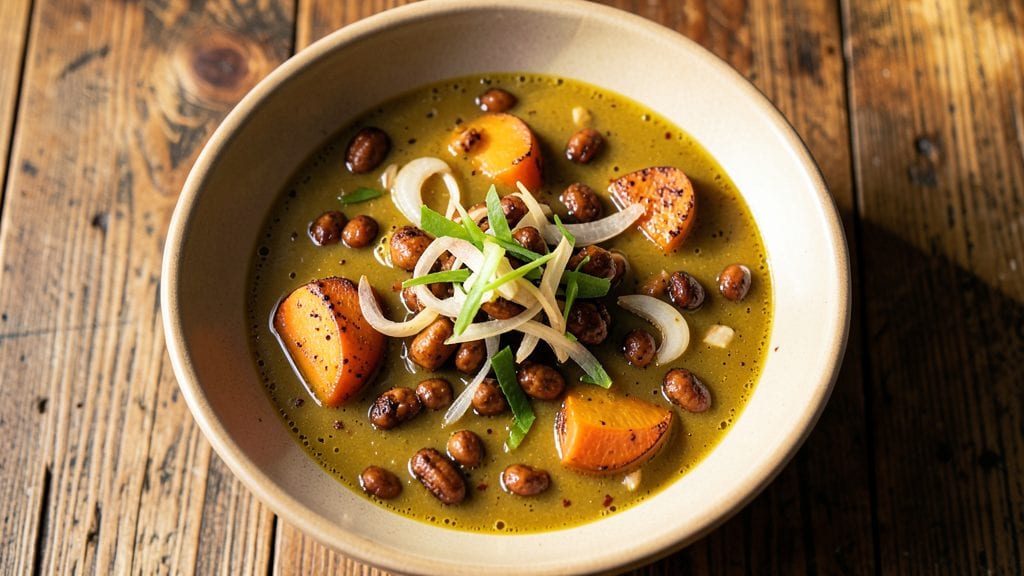
This African groundnut soup recipe unlocks the rich, nutty depth of West African cuisine in every hearty spoonful. This vegetarian version captures the soul of traditional preparations with its earthy peanut base, aromatic spices, and tender vegetables—perfect for a comforting meal that feels like a warm embrace.
The key lies in properly toasting the groundnuts to deepen their flavor before blending them into a velvety, slightly thickened broth.
What sets this soup apart is its balance of textures and flavors—creamy from the groundnuts, tangy from palm oil, and complex from slow-cooked vegetables. Unlike many soups that rely on heavy cream, this version uses groundnuts as its thickening agent, creating a naturally rich consistency without dairy.
The process is straightforward but requires patience to develop those layers of flavor.
By the time you serve it, you’ll have a soup that’s deeply satisfying with its nutty aroma wafting through the kitchen and tender vegetables swimming in a thick, flavorful broth. Serve it with steamed rice or fufu to soak up every last drop of that velvety goodness.
This is the kind of dish that transforms a simple meal into a cultural experience.
The beauty of this recipe is its versatility—it works as a standalone vegetarian meal or can be easily adapted with meat or fish for traditional variations. Let’s get started on creating this comforting classic that brings West African warmth to your table.
Ingredients for african groundnut soup
Groundnuts, palm oil, and slow-cooked vegetables create this rich West African vegetarian masterpiece.
| Ingredient | Amount | Notes |
|---|---|---|
| Groundnuts (Peanuts), Unsalted 🥜 | 1 lb | Raw, unshelled for toasting |
| Palm Oil 🫒 | ½ cup | Red palm oil for authentic color |
| Onions 🧅 | 2 whole | Yellow or sweet, diced finely |
| Garlic Cloves 🧄 | 6 cloves | Fresh, minced for depth |
| Fresh Ginger 🌿 | 1 oz | Grate finely, about 1 tbsp |
| Sweet Potatoes 🍠 | 2 lb | Peeled, cubed 1-inch pieces |
| Carrots 🥕 | 2 lb | Peeled, sliced ¼-inch thick |
| Coconut Milk 🥥 | 1 can | Full-fat for creaminess |
| Vegetable Broth 💧 | 4 cups | Low-sodium preferred |
| Tomatoes 🍅 | 4 whole | Ripe, diced (about 2 cups) |
| Thyme Leaves 🌿 | 1 tbsp | Fresh or dried (1 tsp) |
| Salt 🧂 | 1 tsp | Kosher or sea salt |
| Black Pepper 🌶️ | ½ tsp | Freshly ground preferred |
The groundnuts are the heart of this soup—opt for unshelled, raw peanuts for the best texture after toasting. Costco often carries bulk bags, but any grocery store with a bulk section works. Toast them in a dry pan over medium heat until golden and fragrant, shaking occasionally. Don't skip the toasting—it's what unlocks their nutty depth. For palm oil, African markets or specialty stores carry authentic red palm oil, but coconut oil in a pinch will give you the fat content, just without the vibrant color. The sweet potatoes should be firm with no soft spots, and carrots should snap when bent—both should be stored in a cool, dark place.
No red palm oil? Coconut oil plus a pinch of turmeric mimics the color, though the flavor won't be identical. Fresh thyme is ideal but dried works at one-third the amount. Want to stretch this further? Add 1 cup cooked lentils or chickpeas for extra protein. The tomatoes can be canned (whole peeled) or fresh—just adjust for acidity. If your broth is too strong, dilute with water or use half the recommended amount. The ginger should be fresh and firm—yellowing indicates age and less potency. For sweet potatoes, orange-fleshed varieties like 'Beauregard' are classic, but any variety works.
This soup tastes even better the next day as flavors meld. Store in an airtight container in the fridge for up to 5 days. For longer storage, freeze portions in 1-quart containers for up to 3 months. Reheat gently on the stove with a splash of water or broth to restore creaminess. The palm oil will separate, but that's normal—just stir well before serving. Serve with steamed rice or fufu for the full West African experience. The coconut milk can be substituted with cashew cream for a nut-free option, though the flavor will differ slightly.
Why You'll Love This Recipe
- One-Pot Magic: I swear by this—just toss everything into a single pot, stir occasionally, and walk away. No fancy gadgets, no stress. That rich palm oil base does most of the work while you chop onions and crush garlic (which, let’s be honest, is the best part).
- Peanut Powerhouse: The groundnuts turn this into something ridiculously satisfying—creamy but with a subtle crunch, thanks to the toasted peanuts. Fresh ginger and garlic? Oh, they make it sing. Honestly, I’ve had bland soups before, but this one hits different.
- Meal Prep MVP: Make a big batch on Sunday, and you’ve got lunch or dinner covered for days. The flavors deepen overnight, and it reheats like a dream. My freezer’s always stocked with this—especially when I forget to plan ahead.
- Budget-Friendly Flex: Palm oil and peanuts stretch this soup far without breaking the bank. I’ve fed six people for under $10, and everyone leaves happy. Plus, it’s one of those dishes that tastes even better the next day—so leftovers aren’t just tolerated, they’re celebrated.
Step-by-step instructions for African groundnut soup
Here's the method to create a rich, flavorful West African-inspired groundnut soup with perfect texture.
Toast and Prepare the Groundnuts
Preheat your oven to 350°F. Spread the 1 lb groundnuts (peanuts), unsalted on a baking sheet in a single layer. Toast for 12-15 minutes until they turn a rich golden brown and smell deeply nutty. This step is crucial—it removes the raw flavor and develops the rich, earthy taste that defines this soup.
While the nuts toast, peel the 2 lb sweet potatoes and cut them into 1-inch cubes. Peel the 2 lb carrots and slice them ¼-inch thick. Set both aside—they'll cook later in the broth. The toasting process should leave you with nuts that smell like warm peanut butter—this is your first indication of success.
Build the Flavor Base
Heat the 0.5 cup palm oil in a large Dutch oven over medium heat. Add the 2 whole onions that have been finely diced and cook for 5-6 minutes until they soften and begin to turn translucent. This is where the foundation of your soup's flavor develops—don't rush this step or the onions will burn.
Add the 6 cloves garlic cloves that have been minced and the 1 oz fresh ginger that's been finely grated. Cook for another 2 minutes until the garlic becomes fragrant and the ginger loses its sharp bite. Stir in the 1 tbsp thyme leaves and cook for 30 seconds to release their aromatic oils. The mixture should smell deeply savory with hints of citrus and earthiness.
Simmer the Vegetables
Add the peeled and prepared 2 lb sweet potatoes and 2 lb carrots to the Dutch oven. Pour in the 4 cups vegetable broth and bring the mixture to a gentle boil. Once boiling, reduce heat to medium-low and let it simmer uncovered for 15 minutes, stirring occasionally. You want the vegetables to soften but not disintegrate—they should still have some bite.
After 15 minutes, add the 4 whole tomatoes that have been diced. Stir well and continue simmering for another 10 minutes until the tomatoes break down and the vegetables are tender but still hold their shape. This step ensures your soup has the right balance of texture—soft vegetables with some structure to hold the sauce.
Incorporate the Groundnuts and Finish
Remove the Dutch oven from heat and let it cool slightly for 2 minutes. Add the toasted groundnuts and stir to combine. Return the pot to medium heat and gradually pour in the 1 can coconut milk, stirring constantly to prevent curdling. The mixture should begin to thicken as the nuts absorb the liquid.
Season with the 1 tsp salt and 0.5 tsp black pepper, then simmer gently for 5-7 minutes until the soup reaches your desired consistency. It should be thick enough to coat the back of a spoon but still have a pleasant, spoonable texture. Taste and adjust seasoning if needed—this is your final opportunity to balance the flavors before serving.
Rest and Serve
Remove the soup from heat and let it rest for 5 minutes. This resting period allows the flavors to meld together and the soup to thicken slightly as it cools. Serve the soup hot, accompanied by crusty bread or steamed rice to soak up the rich, nutty broth.
The final soup should have a deep, earthy flavor with a satisfying thickness from the groundnuts. Each spoonful should deliver a balance of sweetness from the vegetables, richness from the coconut milk, and nutty depth from the toasted peanuts. The aroma should be warm and inviting, with hints of thyme and ginger that linger on the palate.
Pro Tips For Making African Groundnut Soup
- TOAST THE PEANUTS: I learned this the hard way—raw peanuts taste bitter and underdeveloped. Dry-roast them in a skillet over medium heat for 5-7 minutes until they smell nutty and turn golden, stirring often. This step makes the difference between a flat, generic soup and one with real depth.
- SWEAT THE AROMS LOW: Palm oil burns fast, and nothing ruins the soup faster than a bitter, scorched base. Cook your onions, garlic, and ginger on low heat for 10-12 minutes until they’re soft and translucent—no need to rush. The longer they simmer, the richer the flavor.
- SKIP THE PEELING: Fresh ginger’s skin is edible, and peeling it wastes time. Just scrub it clean, slice it thinly, and add it whole to the pot—it’ll soften and infuse flavor without needing extra prep. (Yes, even if you’re impatient like me.)
- STIR THE PEANUTS IN: After simmering the base, add the peanuts all at once and stir constantly for the first 2 minutes. If you let them sit, they’ll clump into a gluey mess that’s impossible to fix. A wooden spoon works best—metal can splatter.
Health benefits of this recipe
Protein Powerhouse
Groundnuts (peanuts) are the star of this soup, providing a complete protein with all nine essential amino acids. A 1 lb serving delivers about 25 grams of protein—more than a standard chicken breast per ounce!
This makes it a fantastic plant-based protein source, especially for vegetarians or those looking to reduce meat consumption. 💪
Heart-Healthy Fats
Unlike many creamy soups, this version gets its richness from monounsaturated fats in groundnuts and coconut milk—both linked to improved cholesterol levels. The palm oil (or coconut oil substitute) adds vitamin E, an antioxidant that supports cardiovascular health.
Just ½ cup palm oil provides 100% of your daily vitamin E needs!
Fiber-Rich Vegetables
The sweet potatoes and carrots contribute soluble fiber, which aids digestion and helps stabilize blood sugar. 2 lbs of sweet potatoes provide 12 grams of fiber—about 40% of your daily needs.
This fiber content also makes the soup more filling, helping you feel satisfied with smaller portions. The carrots add beta-carotene, an antioxidant that supports eye health.
Anti-Inflammatory Spices
Fresh ginger and thyme aren't just for flavor—they're packed with anti-inflammatory compounds. Ginger contains gingerol, which may help reduce muscle pain, while thyme provides thymol, an antioxidant linked to immune support.
The combination of these spices gives the soup both flavor depth and health benefits in every spoonful. ✨
Vitamin Boost
This soup is a vitamin powerhouse, with significant amounts of vitamin A (from sweet potatoes), vitamin C (from tomatoes), and B vitamins (from groundnuts). The coconut milk adds lauric acid, which supports immune function.
Together, these nutrients make this more than just a comforting meal—it's a nutrient-dense experience that nourishes your body.
Low-Calorie Comfort
Despite its rich, satisfying flavors, this soup is surprisingly moderate in calories—about 350-400 calories per serving when prepared as directed. The groundnuts provide healthy fats, while the vegetables add volume without excess calories.
It's the perfect comfort food with a health-conscious twist, proving you don't have to sacrifice nutrition for flavor. 💛
Nutrition facts
Frequently asked questions
Can I make this soup without palm oil?
For a similar rich texture, use ½ cup coconut oil plus ½ teaspoon turmeric to mimic the red hue. If you want to skip oils entirely, blend the toasted groundnuts with 1 cup water first to create a natural thickening agent. The flavor will differ slightly but still deliver that nutty depth.
How do I store leftovers?
Store in an airtight container in the fridge for up to 5 days. The soup actually tastes better the next day as flavors meld! For longer storage, freeze portions in 1-quart containers for up to 3 months. Thaw overnight in the fridge and reheat gently with a splash of water or broth to restore creaminess. The groundnuts may separate slightly—just stir well before serving.
Can I add meat or fish to this vegetarian version?
Traditional versions often include chicken, beef, or smoked fish. Add 1 lb protein during Step 3 when simmering vegetables. For fish, use tilapia or cod and cook for 8-10 minutes until fully done. For meat, brown it first in palm oil before adding other ingredients. The nutty base will complement the protein beautifully.
Why do my groundnuts taste bitter?
Bitter groundnuts usually mean they weren't toasted enough or were stored improperly. Always toast unshelled peanuts in a dry pan over medium heat until golden brown (about 10-12 minutes). Store them in a cool, dark place after toasting—they should smell nutty, not rancid. If using shelled peanuts, check for off flavors before buying. Freshness is key!
What's the best way to serve this soup?
Pair it with steamed jasmine rice, fufu (dough-like side), or warm crusty bread to soak up the rich broth. For extra flair, garnish with fresh cilantro or a squeeze of lemon. In West Africa, it's often served with plantain chips or spicy pepper sauce for contrast. The key is balancing textures—creamy soup with something sturdy to eat.