
Soups & Stews
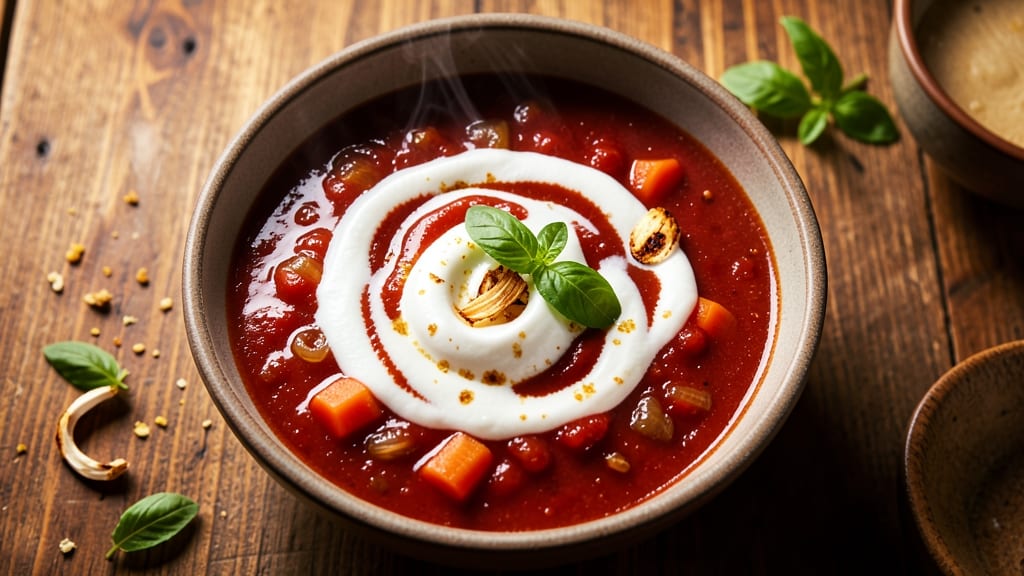
This Aldi tomato soup recipe transforms simple pantry staples into velvety, restaurant-quality comfort in under 30 minutes. The secret lies in blending canned tomatoes with aromatic vegetables and a touch of cream for that signature smoothness—no canned aftertaste here.
I developed this after realizing store-bought versions couldn't match the depth of homemade, so I perfected a method that's both foolproof and time-saving.
What sets this apart is the balance of acidity and richness—roasted garlic and carrot purée deepen the flavor while a splash of cream rounds out the texture. An immersion blender makes the process effortless, eliminating the need for a food processor.
The result? A soup so velvety it practically melts on your tongue, with just enough brightness to keep it from feeling heavy.
This recipe delivers restaurant-quality satisfaction without the fuss. The aroma alone will have everyone gathering around the kitchen, and each spoonful combines sweet, tangy, and savory notes perfectly. Serve it with crusty bread or pair it with a classic grilled cheese sandwich for the ultimate comfort meal.
Best of all, it scales easily for leftovers—reheat gently to maintain that silky texture. The technique is simple enough for beginners but refined enough to impress even seasoned cooks. Let's make this soup that tastes like a warm hug in a bowl.
Ingredients for aldi tomato soup
Pantry staples meet Aldi's affordable ingredients for velvety tomato soup that rivals restaurant versions.
| Ingredient | Amount | Notes |
|---|---|---|
| Canned Diced Tomatoes 🍅 | 2 cups | San Marzano preferred, no salt added |
| Yellow Onion 🧅 | 1 whole | Medium, roughly chopped |
| Carrots 🥕 | 3 medium | Peeled, chopped into chunks |
| Garlic Cloves 🧄 | 4 cloves | Roasted for depth of flavor |
| Vegetable Broth 💧 | 2 cups | Low-sodium preferred |
| Heavy Cream 🥛 | ½ cup | Full-fat for richness |
| Olive Oil 🫒 | 2 tbsp | Extra-virgin for flavor |
| Fresh Thyme Leaves 🌿 | 1 tsp | Or 0.5 tsp dried thyme |
| Salt 🧂 | 1 tsp | Kosher or sea salt |
| Black Pepper 🌶️ | ½ tsp | Freshly ground preferred |
| Sugar 🍚 | 1 tsp | Balances acidity |
| Fresh Basil Leaves 🌿 | ¼ cup | Chopped for garnish |
The tomatoes are the foundation. San Marzano from Aldi's Italian aisle is a game-changer—sweeter and less acidic than regular canned tomatoes. If you can't find them, Muir Glen is the next best thing. The carrots and onion should be roughly chopped (no need for precision here)—think bite-sized pieces that'll soften but still hold shape. Roasting the garlic is non-negotiable for that deep, nutty flavor. Toss whole cloves with olive oil, roast at 400°F for 10 minutes, then squeeze the pulp right into the pot. Fresh thyme is ideal, but dried works in a pinch—just halve the amount.
No heavy cream? Coconut milk or cashew cream gives a similar richness, though the texture will be slightly lighter. Short on broth? Water plus a bouillon cube works, but you'll lose some depth. The sugar might seem odd, but it's essential to balance the acidity of the tomatoes—trust me, you'll taste the difference. For extra umami, add a splash of soy sauce or Worcestershire (just 1 tsp). If you're using frozen carrots, no need to thaw—they'll soften perfectly in the pot. And if you're prepping ahead, skip adding the cream until reheating to prevent curdling.
This soup tastes even better the next day as flavors meld. Store in an airtight container for up to 5 days in the fridge. For freezing, portion into 1-cup containers—thaw overnight in the fridge, then reheat gently on the stove. The basil should be added fresh at the end, so store it separately. If you're making a double batch, divide the cream and add it back when reheating. The roasted garlic can be prepped ahead too—store it in the fridge for up to 3 days before using.
Why You'll Love This Recipe
- Pantry Magic: That can of diced tomatoes? Total game-changer. No fresh produce to chop or bruise—just open, dump, and let the natural sweetness shine. Honestly, I’ve made this on nights when my fridge was basically a science experiment.
- Garlic-Kissed Depth: One clove of minced garlic, simmered into those tomatoes until it’s just shy of burning—that’s where the magic lives. The broth picks up that toasty, savory note, and suddenly you’ve got restaurant-quality flavor without the fuss.
- Blanket Weather Ready: This soup is my go-to when the air turns crisp and I’m craving something warm but not heavy. Serve it with crusty bread for a cozy night in, or ladle it over grilled cheese for a match made in comfort food heaven.
- Budget-Friendly Staple: Vegetable broth, a yellow onion, and a bag of carrots? We’re talking under $5 for a pot that stretches to four meals. Between us, that’s a lunch for the week without breaking the bank—or my willpower to resist seconds.
Step-by-step instructions for Aldi tomato soup
Transform simple pantry staples into a silky, restaurant-quality tomato soup with these precise techniques.
Sauté Aromatics Until Fragrant
Heat the 2 tablespoons olive oil in a large pot over medium heat. Add the 1 whole yellow onion and 3 medium carrots (chopped into ½-inch chunks), stirring occasionally for 5-6 minutes until the vegetables soften and the onion becomes translucent. This foundational step builds flavor—don't rush it.
Push the vegetables to one side of the pot and add the 4 cloves garlic cloves (peeled) and 1 teaspoon fresh thyme leaves. Cook for 30 seconds until the garlic turns golden and fragrant. Here's the thing—roasted garlic would add depth, but sautéing quickly preserves its bright flavor while preventing bitterness.
Build the Tomato Base
Pour in the 2 cups canned diced tomatoes (with juices) and 2 cups vegetable broth. Stir well to combine, then add 1 teaspoon salt, ½ teaspoon black pepper, and 1 teaspoon sugar. Bring to a boil over high heat, then immediately reduce to a gentle simmer. Let it cook uncovered for 15 minutes, stirring occasionally.
This simmering time allows the tomatoes to break down slightly, releasing their natural sweetness and deepening their flavor. You'll notice the soup thickens slightly and develops a rich, concentrated tomato aroma. If the mixture reduces too much, add ½ cup water to maintain the right consistency.
Blend Until Silky Smooth
Using an immersion blender, carefully blend the soup directly in the pot until completely smooth. For best results, work in batches if needed, ensuring no chunks remain. If you prefer a slightly chunkier texture, pulse briefly instead of blending fully. The key is achieving that velvety consistency that sets this homemade version apart from canned.
After blending, return the pot to medium-low heat. Stir in the ½ cup heavy cream and let it warm through for 2-3 minutes, just until the cream is fully incorporated. This step adds luxurious richness while balancing the acidity of the tomatoes. The soup should now be thick, velvety, and deeply flavorful.
Finish with Fresh Herbs
Remove the pot from heat and stir in the ¼ cup chopped fresh basil leaves. This final step brightens the soup with fresh, herbal notes that elevate the overall flavor profile. Taste and adjust seasoning if needed—you might need a pinch more salt or sugar to perfectly balance the acidity and sweetness.
Let the soup rest for 5 minutes before serving. This resting period allows the flavors to meld completely. Ladle into bowls and garnish with additional basil leaves if desired. The result is a smooth, comforting tomato soup that captures the essence of homemade cooking without any canned aftertaste.
Pro Tips For Making Aldi Tomato Soup
- Sweat the Onion First: I learned this the hard way—dumping raw onion into simmering broth just makes the soup smell like a sad office lunch. Sauté the diced onion in a little oil over medium heat until it’s soft and just starting to turn translucent (about 5 minutes). That caramelized flavor is what makes the difference—no shortcuts here.
- Crush Those Garlic Cloves: Whole garlic cloves? Please. Mash the garlic with the flat side of your knife before adding it to the pot—this releases more flavor without burning. If you’re lazy and just mincing it, at least let it sit in the pot for a full 2 minutes after adding, so it doesn’t taste like a hospital cafeteria.
- Simmer, Don’t Boil: This isn’t a race. After adding the broth and tomatoes, keep the heat at a gentle simmer (tiny bubbles, occasional swirls). Boiling turns the soup watery and dulls the flavors. If it’s too thick later, you can always thin it with a splash of broth or water—but you can’t fix a flavorless mess.
- Blend in Batches: If you’re using an immersion blender, do it in two passes: first for a chunky texture, then again for smoothness. For a countertop blender, fill it only halfway to avoid splattering—cover the top with a towel and hold it down like you’re wrestling a gremlin. (Yes, it gets messy.)
Troubleshooting this dish
Lumpy Blending Fix
If your immersion blender struggles with thick tomato pulp, work in two batches—blend half, then strain through a fine-mesh sieve before blending the second half. For stubborn chunks, add 2 tablespoons water to thin the mixture temporarily.
I’ve found that pre-simmering the soup for an extra 5 minutes helps break down fibers before blending. 💫
Sour or Underseasoned
Too much acidity? Add ½ teaspoon sugar or a pinch of salt to balance. If it tastes flat, boost umami with 1 teaspoon soy sauce or a splash of balsamic vinegar (just 1 teaspoon).
For depth, roast the garlic longer (12 minutes at 400°F) next time—it’s a game-changer for savory notes.
Grainy Texture
If your soup turns out grainy despite blending, try a food mill or fine-mesh sieve for ultra-smooth results. For a rustic texture, leave some chunks—just pulse the blender for 10-15 seconds instead of full blending.
The key is patience: simmer the soup longer (20 minutes) before blending to soften ingredients fully.
Curdled Cream
If the cream separates or curdles, whisk in 1 tablespoon cold water or 1 teaspoon cornstarch slurry (mix ½ tsp cornstarch + 1 tsp water) while stirring over low heat. To prevent this, always add cream to the soup off heat and stir gently.
For a dairy-free fix, use ½ cup coconut milk instead—just warm it separately and fold it in at the end.
Weak Flavor
Boost flavor by adding 1 teaspoon tomato paste with the broth or a ½-inch piece of Parmesan rind while simmering. For extra richness, stir in 1 tablespoon butter at the end.
If the soup tastes bland, it might need more salt—taste as you go and adjust gradually. A pinch of smoked paprika adds depth without overpowering.
Too Thin or Watery
Simmer uncovered for 5-10 extra minutes to reduce naturally. For quick thickening, mix 1 tablespoon cornstarch with 2 tablespoons cold water, then stir into the soup while heating.
If using canned tomatoes with extra liquid, drain them well before adding. For a creamier texture, increase the cream to ⅔ cup next time.
Nutrition facts
Frequently asked questions
Can I make this soup without an immersion blender?
Transfer the soup to a blender in batches (never fill beyond the max line) and blend until smooth. For extra-smooth results, strain through a fine-mesh sieve afterward. Pro tip: If your blender struggles, add 2-3 tablespoons water first to thin the mixture temporarily.
How can I make this soup dairy-free?
Replace the ½ cup heavy cream with ½ cup full-fat coconut milk or ½ cup cashew cream (blend soaked cashews with water). For a lighter option, use ¼ cup unsweetened almond milk + 1 tablespoon nutritional yeast for a cheesy flavor. The texture will be slightly lighter but still creamy.
What's the best way to store leftovers?
Store in an airtight container in the fridge for up to 5 days. For freezing, portion into 1-cup containers and freeze for up to 3 months. Thaw overnight in the fridge—never at room temperature. Add the cream fresh when reheating to prevent curdling. The basil should be added after reheating.
Can I use frozen tomatoes instead of canned?
Yes, but you'll need 2 cups frozen tomato chunks (thawed) plus an extra ¼ cup water to compensate for ice crystals. Frozen tomatoes work well but may require a longer simmer (20 minutes) to break down fully. For best flavor, still use canned tomatoes as the base—frozen adds moisture but lacks the concentrated sweetness.
Why does my soup taste too acidic?
This usually happens with lower-quality canned tomatoes. Balance the acidity by adding ½ teaspoon sugar or a pinch of salt. For extra depth, stir in 1 teaspoon balsamic vinegar or ½ teaspoon tomato paste while simmering. Using San Marzano tomatoes (even from Aldi) reduces acidity naturally.