
Soups & Stews
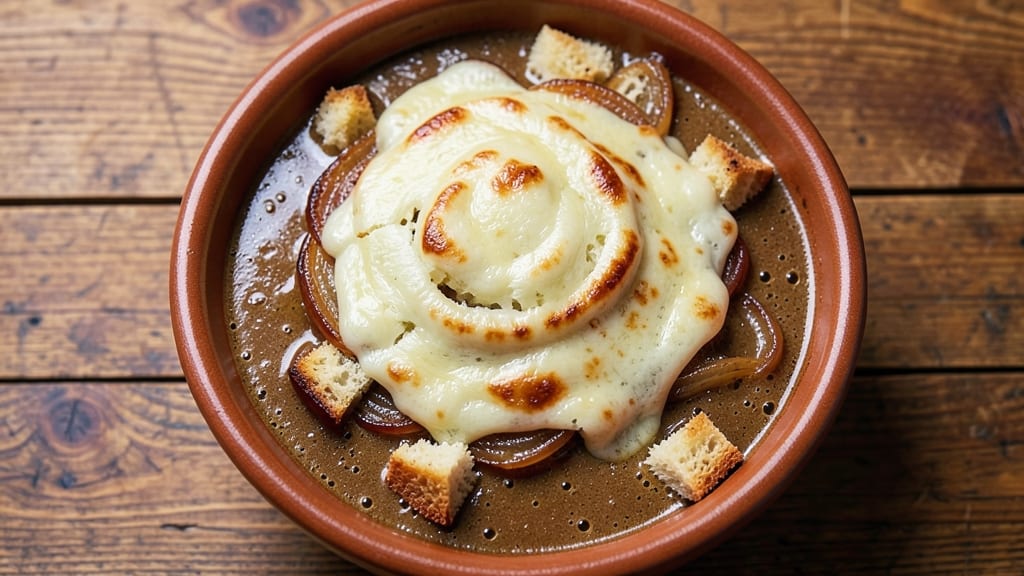
This ale house French onion soup recipe transforms humble ingredients into a restaurant-worthy masterpiece with deep caramelized onions, rich beef broth, and golden cheese-topped bread. The secret lies in slow-cooking onions until they're sweet and jammy, then building a velvety broth that forms the soul of this classic.
I've perfected this version to deliver the perfect balance of savory, sweet, and umami flavors that make every spoonful irresistible.
What sets this recipe apart is the two-stage caramelization—first in the pan, then in the oven—creating layers of flavor that store-bought versions simply can't match. The beef broth develops depth from a simple roux, while the bread toasts to crispy perfection under the broiler.
This isn't just soup; it's a comforting, hearty dish that feels like a warm hug on a chilly evening.
The crowning glory comes when melted Gruyère and cheddar form a bubbling, golden blanket over the bread, creating that signature crispy crust we all crave. Serve with a cold glass of ale or crisp white wine to complete the ale house experience.
The aroma alone will have everyone gathering around the table.
Perfect for cozy weeknight dinners or special occasions, this soup comes together with simple ingredients but requires patience for the best results. The slow caramelization and rich broth make it worth every minute of waiting. Let's get started on creating this timeless classic in your own kitchen.
Ingredients for ale house french onion soup
Six ingredients create the soul of this soup—caramelized onions, rich broth, and melty cheese—plus a few pantry staples you already own.
| Ingredient | Amount | Notes |
|---|---|---|
| Yellow Onions 🧅 | 4 whole | Thinly sliced, 1-inch thick |
| Unsalted Butter 🧈 | ½ cup | European-style preferred |
| All-Purpose Flour 🌾 | 2 tbsp | For roux, use Diamond Crystal |
| Beef Broth 🍲 | 6 cups | Homemade or high-quality store-bought |
| Dry White Wine 🍷 | ½ cup | Sauvignon Blanc or Chardonnay |
| Gruyère Cheese 🧀 | 1 ½ cups | Freshly grated, aged 12+ months |
| Sharp Cheddar Cheese 🧀 | 1 cup | Shredded, aged variety |
| Baguette 🍞 | 1 whole | Crusty, day-old preferred |
| Olive Oil 🫒 | 2 tbsp | Extra-virgin for finishing |
| Fresh Thyme 🌿 | ¼ cup | Leaves only, stems removed |
| Garlic Cloves 🧄 | 4 cloves | Minced, 1 tsp total |
| Salt 🧂 | 1 ½ tsp | Kosher or sea salt |
| Black Pepper 🌶️ | ½ tsp | Freshly cracked |
| Bay Leaves 🍃 | 2 whole | Removed before serving |
| Dried Parsley 🌿 | 1 tbsp | For garnish, chopped fine |
The onions are everything here. Sweet yellow onions caramelize best, so grab a couple pounds from Whole Foods or your local market—they'll have more flavor than the sad little red ones. Thinly slice them (1/8-inch thick) and don't rush the cooking. I use a Le Creuset Dutch oven for even heat distribution, but any heavy pot works. The butter should foam and turn golden—this is where the magic happens. If you're short on time, Trader Joe's sells pre-sliced onions in a bag, but fresh is always better.
No wine? Substitute extra beef broth—just add 2 tbsp of balsamic vinegar for depth. Gruyère is non-negotiable for that signature flavor, but Comté cheese works in a pinch if you can't find it. The baguette should be stale enough to hold up to the cheese topping—Costco sells perfect day-old loaves if you're not into bread shopping. Fresh thyme is ideal, but dried at 1/4 the amount gets you close. The flour is just for the roux—if you're gluten-free, use cornstarch instead.
This soup tastes even better the next day—make a double batch and freeze half. Store leftovers in the fridge for 5 days with the cheese on top, or freeze for 3 months. To reheat, warm gently on the stove and broil the cheese topping for 2-3 minutes until bubbly. The bread stays crispy if you toast it fresh out of the oven—broil for 2-3 minutes max or it'll burn. Garnish with fresh parsley right before serving to keep it vibrant.
Why You'll Love This Recipe
- One-Pot Magic: I swear by this—just onions, butter, and flour in a pot, then broth and wine. No chopping boards cluttered with scraps, no extra dishes. The onions caramelize right in the pot while you stir, and suddenly you’ve got a rich, golden base with zero fuss.
- Wine-Infused Depth: That splash of dry white wine? It’s not just flavor—it’s transformation. It cuts through the richness of the butter and beef broth, leaving behind a brightness that makes the whole soup sing. Honestly, I’ll often double it if I’m feeling fancy.
- Weeknight to Dinner Party: Make a double batch on Sunday, reheat for lazy evenings, or serve it in mugs at your next gathering. The crispy cheese topping turns it into an instant crowd-pleaser—no one will guess it’s the same recipe that saved my Tuesday night.
- Budget-Friendly Luxury: You’re basically making restaurant-quality soup for the price of a grocery run. The onions are cheap, the broth is hearty, and the wine adds sophistication without breaking the bank. Leftovers taste just as good the next day—if they last that long.
Step-by-step instructions for ale house French onion soup
Here's how to transform simple ingredients into a restaurant-worthy bowl of golden, cheesy perfection.
Caramelize the Onions Until Deep Brown
Heat a large Dutch oven over medium-low heat and melt the ½ cup unsalted butter until it foams but doesn't brown. Add the 4 whole yellow onions (thinly sliced) and stir to coat completely in the butter. The onions should sizzle gently—this is your signal to reduce the heat to low and let them cook undisturbed.
Here's the thing—caramelizing onions takes patience. It takes 45-60 minutes until they turn deep golden brown and develop that sweet, jammy texture. Stir occasionally, but not too often—you want those onions to develop a crusty bottom. When they're ready, they'll look like liquid gold with rich brown spots. The aroma should be intense and irresistible—this is when you know you've done it right.
Build the Roux and Deglaze with Wine
Once the onions are perfectly caramelized, sprinkle the 2 tablespoons all-purpose flour over them and stir vigorously for 2 minutes to cook off the raw flour taste. This creates a roux that will thicken your soup beautifully. Keep the heat at medium-low—too high and the flour will burn before it transforms.
Pour in the ½ cup dry white wine and scrape up all those delicious browned bits from the bottom of the pot. Let the wine simmer for 3-4 minutes until it reduces by half and the alcohol cooks off. You'll notice the aroma change from sharp wine to something richer and more complex. This is the foundation of your soup's depth of flavor—don't rush this step.
Simmer the Soup to Perfection
Gradually whisk in the 6 cups beef broth while stirring constantly to prevent lumps. Add the 1.5 teaspoons salt, ½ teaspoon black pepper, 2 whole bay leaves, and ¼ cup fresh thyme. Bring the soup to a gentle simmer, then reduce heat to low and let it cook uncovered for 20-25 minutes to meld all the flavors together.
While the soup simmers, you'll want to keep an eye on it—it should reduce slightly but remain soupy. The bay leaves should be removed before serving, and the thyme leaves can be strained out if you prefer a smoother texture. Taste and adjust seasoning if needed—this is where your soup comes together. The onions should be tender but still hold their shape, and the broth should be rich and flavorful.
Prepare the Cheesy Bread Crowns
Preheat your broiler to high. Cut the 1 whole baguette into ½-inch thick slices, then cut each slice diagonally to create triangles. Brush both sides generously with 2 tablespoons olive oil and toast them under the broiler for 3-4 minutes until golden brown and crispy. Watch them closely—they'll burn quickly once they start browning.
While the bread toasts, mix the 1.5 cups gruyère cheese and 1 cup sharp cheddar cheese together in a bowl. Once the bread is toasted, place a triangle on each soup bowl, then sprinkle a generous layer of the cheese mixture over each piece. The cheese should melt beautifully when the soup is added, creating that perfect golden crust.
Assemble and Broil to Golden Perfection
Ladle the hot soup over the cheesy bread in each bowl, making sure the bread is completely submerged. Transfer the bowls to a baking sheet and broil for 2-3 minutes until the cheese is bubbly and golden brown on top. This final step is crucial—it creates that perfect ale house finish with crispy, melted cheese on top.
Remove from the broiler, sprinkle with 1 tablespoon dried parsley and serve immediately. The contrast of the warm, cheesy bread crowns floating in the rich onion broth is what makes this soup truly special. Each bite should deliver layers of caramelized onion, savory broth, and gooey melted cheese—pure comfort food magic.
Pro Tips For Making Ale House French Onion Soup
- Sweat, Don’t Burn: Cut the onions into even ¼-inch slices and cook them on medium-low heat with the butter. I learned this the hard way—high heat turns them into sad, bitter mush instead of sweet, caramelized gold. A splash of wine early on helps dissolve the fond (those brown bits) later, so don’t wait until the end.
- Deglaze Aggressively: After the onions soften, add the wine immediately and scrape the bottom of the pot like you’re digging for buried treasure. That fond is flavor central, and skipping this step means you’re basically skipping half the soul of the soup. Use a wooden spoon—it’s more forgiving than a spatula.
- Strain the Broth: If you’re using store-bought beef broth, strain it through a fine-mesh sieve first. I know, it’s extra work, but it removes the grit that turns your creamy soup into a textural disaster. For homemade broth, skip this—just make sure it’s well-reduced and rich.
- Toast the Flour: Cook the roux (flour + butter) for 2-3 minutes until it’s the color of peanut butter, not pale paste. This adds nutty depth and prevents a raw, floury aftertaste. Stir constantly—lumpy roux is a crime in French onion soup, and no one’s coming to your rescue.
Common mistakes when making your ale house french onion soup
Rushing Caramelization
Don't rush the onion caramelization—this is where the magic happens! I've seen beginners crank the heat too high, resulting in burned onions instead of sweet, jammy perfection. Keep the heat at low and let those onions cook for 45-60 minutes until deep golden brown.
The aroma alone should tell you when they're ready—it's that irresistible sweetness that makes this soup special. 🧅
Skipping the Roux
Some recipes skip the roux entirely, but trust me, it makes all the difference. The 2 tablespoons flour cooked into the onions creates a velvety texture that thickens the broth beautifully.
If you're short on time, you can use 1 tablespoon cornstarch instead, but the flavor won't be quite the same. Cook it for 2 minutes to fully develop that nutty, rich taste.
Using Low-Quality Cheese
Cheap, pre-shredded cheese is a common mistake that ruins the final result. The anti-caking agents in pre-shredded cheese prevent it from melting smoothly, creating a grainy, unappetizing texture. Instead, use freshly grated Gruyère and sharp cheddar—the difference is night and day.
If you can't find Gruyère, Comté cheese is a great alternative. Always grate it yourself for the best results. 🧀
Overcrowding the Pot
If you're making this in a small pot, don't try to fit all the onions in at once. Overcrowding steams the onions instead of caramelizing them, leading to a watery, bland soup. Use a large Dutch oven or divide the onions into batches if needed.
The goal is to get those onions golden brown and jammy, not soggy and sad. A Le Creuset Dutch oven is my go-to for even heat distribution.
Broiling the Bread Too Long
Watch those bread triangles like a hawk when broiling! It's easy to burn the bread before the cheese melts, especially if you're distracted. Toast the bread for just 3-4 minutes until golden brown, then add the cheese and soup immediately.
The final broil should only take 2-3 minutes—any longer and you'll end up with crispy, burnt bread instead of perfectly toasted slices. 🍞
Forgetting to Deglaze
After cooking the onions and roux, scraping up those browned bits from the bottom of the pot is crucial. These flavorful fond bits add depth to your soup that you simply can't get any other way.
Pour in the ½ cup white wine and scrape vigorously with a wooden spoon to lift all those delicious bits. Let it simmer until the wine reduces by half—this step is what transforms good soup into great soup.
Nutrition facts
Frequently asked questions
Can I substitute wine with something else?
Yes! If you don't have white wine, use ½ cup beef broth plus 2 tablespoons balsamic vinegar for depth. For a non-alcoholic version, try ½ cup apple cider or ½ cup chicken broth with 1 tablespoon lemon juice. The key is balancing acidity and richness to mimic the wine's complexity.
How do I make this soup vegetarian?
Swap the beef broth for vegetable broth and add 1 cup mushrooms (sliced) with the onions. Use vegetarian cheese like nutritional yeast or vegan Gruyère for the topping. The caramelization process remains the same—just omit the meat elements entirely.
Can I make this ahead of time?
Prepare the soup up to 2 days ahead and refrigerate (without the cheese topping). Reheat gently on the stove, then toast the bread and add cheese fresh. For freezing, cool completely, store in airtight containers for 3 months, and thaw overnight in the fridge. The flavors actually improve with time!
What's the best way to reheat leftovers?
Gently reheat the soup on low heat until warm (don't boil). Toast fresh bread slices, add cheese, then ladle hot soup over them. Broil for 2-3 minutes to melt the cheese perfectly. Never microwave—it makes the bread soggy and cheese rubbery. The broiler gives that restaurant-quality finish!
Why does my cheese not melt smoothly?
Pre-shredded cheese contains anti-caking agents that prevent proper melting. Always use freshly grated cheese—the difference is dramatic! For best results, mix Gruyère and sharp cheddar (50/50 ratio). Grate it yourself using a fine cheese grater or box grater for that creamy, bubbly texture.