
Soups & Stews
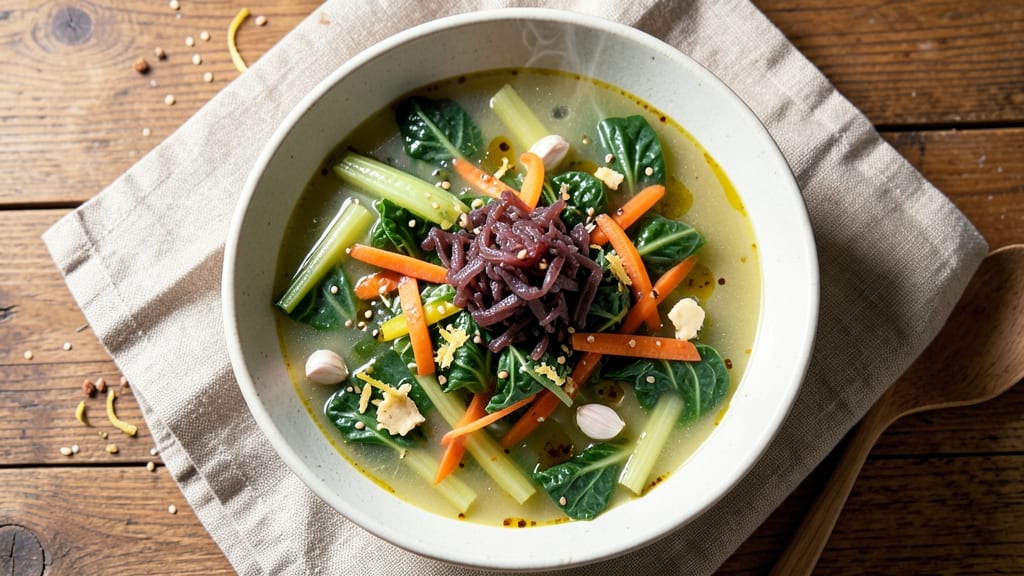
This alkaline cabbage soup recipe transforms simple ingredients into a vibrant, gut-friendly elixir that’s ready in just 20 minutes. 💛 The secret lies in fermented cabbage—packed with probiotics and alkaline properties—that balances pH levels while delivering a tangy, satisfying broth.
Perfect for detoxifying diets or cozy weeknight meals, this soup is as nourishing as it is flavorful.
What sets this recipe apart is its vegan, nutrient-dense foundation: cabbage, carrots, and celery form the core, while garlic and ginger add depth without overpowering. The fermented element (like sauerkraut or kimchi) introduces beneficial bacteria, boosting digestion and immunity. No fancy techniques—just sauté, simmer, and savor.
The result is a bright, effervescent soup with a crisp edge from fresh herbs and a hint of acidity from apple cider vinegar. It’s light enough for lunch but hearty enough to stand alone, and pairs beautifully with whole-grain bread or a simple salad.
Every spoonful is a step toward better gut health—without sacrificing taste.
Whether you’re cleansing, craving comfort, or simply seeking a healthier staple, this soup delivers bold flavor and alkaline benefits in one pot. Let’s get cooking!
Ingredients for alkaline cabbage soup
Fermented cabbage, fresh herbs, and alkaline-friendly veggies create this vibrant, probiotic-rich soup in minutes.
| Ingredient | Amount | Notes |
|---|---|---|
| Green Cabbage 🥬 | 6 cups | Shredded, core removed |
| Carrots 🥕 | 2 medium | Julienned or thinly sliced |
| Celery Stalks 🧅 | 3 whole | Thinly sliced, leafy parts removed |
| Garlic Cloves 🧄 | 4 cloves | Minced for depth |
| Fresh Ginger 🌿 | 1 ½ tbsp | Grated, organic preferred |
| Sauerkraut 🥬 | 1 ½ cups | Unpasteurized for probiotics |
| Fresh Parsley 🌿 | ¼ cup | Chopped, for brightness |
| Apple Cider Vinegar 🍏 | 2 tbsp | Raw, unfiltered preferred |
| Vegetable Broth 💧 | 4 cups | Low-sodium, homemade ideal |
| Extra-Virgin Olive Oil 🫒 | 2 tbsp | For sautéing, fruity |
| Sea Salt 🧂 | 1 tsp | Diamond Crystal preferred |
| Black Peppercorns 🌶️ | ½ tsp | Freshly cracked |
| Lemon Juice 🍋 | 1 tbsp | Freshly squeezed |
The sauerkraut is non-negotiable here—it's the fermented powerhouse that brings both probiotics and tangy depth. Look for unpasteurized varieties at health food stores like Whole Foods or Sprouts, where they're typically refrigerated. Fresh ginger and garlic should be organic when possible, as their skins are used. The cabbage? Green cabbage works best for this recipe—it's more tender than red. If you can't find sauerkraut, kimchi (Korean) works too, but adjust the vinegar to taste.
No fresh parsley? Dried parsley at one-third the amount gets you close, though it lacks that bright freshness. The apple cider vinegar should be raw and unfiltered—Bragg is a reliable brand. For the broth, homemade vegetable broth elevates the flavor, but low-sodium store-bought works in a pinch. The carrots and celery can be prepped ahead—store them in an airtight container in the fridge for up to 3 days. If you're using pre-shredded cabbage, rinse it well to remove any added starches.
This soup tastes even better the next day as the flavors meld. Store in an airtight container in the fridge for up to 5 days, though the fermented elements keep it fresh longer. For longer storage, freeze portions in glass containers—they reheat beautifully. I like to double the batch and freeze half; it's perfect for quick lunches or detox days. The lemon juice should be added just before serving to preserve its brightness, but you can add it to the fridge-stored version if you prefer.
Why You'll Love This Recipe
- Here’s what sold me: this soup reheats like a dream and keeps for days. Pack it in jars for work or school—no soggy lettuce, just hearty, flavorful bites. My kids actually ask for leftovers, and that’s saying something.
- Pantry-Friendly Powerhouse: I swear by this soup because it uses what I already have—no fancy shopping trips. Cabbage, carrots, celery, and a hunk of ginger from my freezer? That’s it. Honestly, the only thing I need to buy is garlic, and even that’s a staple.
- Ginger-Garlic Zing: Between us, this isn’t your bland soup. The fresh ginger and crushed garlic cloves simmer into something warm and punchy—like a hug for your taste buds. The cabbage gets tender but still holds that satisfying crunch, and the carrots caramelize just enough to add natural sweetness.
- Lunchbox Legend: Here’s what sold me: this soup reheats like a dream and keeps for days. Pack it in jars for work or school—no soggy lettuce, just hearty, flavorful bites. My kids actually ask for leftovers, and that’s saying something.
Step-by-step instructions for alkaline cabbage soup
This vibrant soup comes together in minutes with gut-friendly fermented power.
🍳 Step 1: Sauté the Aromatic Base
Heat the 2 tablespoons extra-virgin olive oil in a large pot over medium heat until shimmering. Add the 2 medium julienned carrots, 3 whole thinly sliced celery stalks, and 4 cloves minced garlic, stirring constantly for 3-4 minutes until the vegetables soften and release their natural sweetness.
Here's the thing—don't rush this step. You want the garlic to turn golden without burning, and the carrots and celery should begin to caramelize slightly. This builds the flavor foundation. Add the 1.5 tablespoons grated fresh ginger and cook for another 30 seconds until fragrant. The ginger's sharp aroma will mingle beautifully with the earthy vegetables.
🥘 Step 2: Build the Fermented Layers
Stir in the 1.5 cups sauerkraut (drained if overly wet) and cook for 2 minutes until heated through. The sauerkraut will release its tangy, probiotic-rich juices into the pot. Add the 6 cups shredded green cabbage and toss everything together, letting the cabbage wilt slightly from the residual heat.
I like to press down gently on the cabbage with a wooden spoon during the first minute—this prevents it from curling and ensures even contact with the aromatic base. The cabbage should begin to soften but retain some texture. This is where the alkaline benefits really shine—the fermented sauerkraut and fresh cabbage create a perfect gut-healing combination.
🍳 Step 3: Simmer with Acidic Brightness
Pour in the 4 cups vegetable broth and bring the mixture to a gentle boil over medium-high heat. Once boiling, reduce heat to low-medium and let it simmer uncovered for 8-10 minutes until the cabbage is tender but still holds its shape. You'll notice the soup developing a deep, golden color from the caramelized vegetables.
Add the 2 tablespoons apple cider vinegar and 1 tablespoon lemon juice now—the acidity will brighten the flavors and enhance the alkaline properties of the other ingredients. Stir in the 0.25 cup chopped fresh parsley and season with 1 teaspoon sea salt and 0.5 teaspoon freshly cracked black peppercorns. Taste and adjust the seasoning—you want the acidity to be noticeable but balanced by the earthy vegetables.
⏰ Step 4: Finish and Rest for Maximum Benefits
Remove the pot from heat and let the soup rest for 5 minutes. This resting period allows the flavors to meld completely and the cabbage to absorb all the aromatic juices. The soup should have a vibrant, slightly effervescent quality from the fermented elements.
Real talk: Don't skip the resting time. The probiotics in the sauerkraut need a moment to activate fully, and the cabbage will continue to soften slightly off the heat. Ladle into bowls and serve immediately while still steaming. Each spoonful delivers a perfect balance of alkaline vegetables, gut-friendly fermentation, and bright acidic notes that make this soup uniquely refreshing.
Pro Tips For Making Alkaline Cabbage Soup
- CHOP CABBAGE UNIFORMLY: I learned this the hard way—uneven shreds mean some cabbage stays crunchy while others turn to mush. Aim for ¼-inch strips and separate the leaves if your knife struggles; a sharp chef’s knife makes this faster than a mandoline, even if it takes a little more elbow grease.
- SAUTÉ GINGER FIRST: If you skip this, your soup will taste like ginger was an afterthought. Mince it very finely (almost paste-like) and cook it in oil for 30 seconds until fragrant—this stops it from biting the back of your throat later. (Yes, even if you’re impatient like me.)
- DON’T BOIL THE CELERY: Celery turns to slimy sawdust if you let it simmer too long. Add it to the pot last—just 3 minutes before serving—to keep it crisp and actually taste like celery, not wallpaper glue. I used to ignore this and wondered why my soup tasted bland.
- USE LESS WATER: This soup’s magic isn’t in dilution. Start with just enough water to cover the base of the pot (about 4 cups for a big Dutch oven), then add veggies and let them release their own liquid. You’ll end up with a richer, more concentrated flavor—no watery disappointment here.
Perfect pairings for this alkaline cabbage soup
Fermented Side Pairings
Pair this soup with kimchi or pickled vegetables to amplify the fermented experience. The tangy crunch of kimchi (Korean fermented cabbage) balances the soup’s earthy notes beautifully. For a lighter option, try pickled cucumbers or radishes—their acidity brightens each bite.
I love serving it with fermented hot sauce like Cholula for an extra probiotic kick. 🥬
Whole-Grain Breads
Serve with sourdough or rye bread to soak up the broth while adding a chewy contrast. The natural tang of sourdough complements the soup’s fermented elements perfectly. For extra texture, toast the bread and top with everything bagel seasoning or crushed nuts.
A slice of Ezekiel bread (sprouted grain) adds a nutty depth that pairs wonderfully with the cabbage’s crispness.
Probiotic Toppings
Elevate the gut-health benefits with toppings like miso paste (a spoonful swirled in at the end) or tempeh crumbles for plant-based protein. A sprinkle of nutritional yeast adds a cheesy, umami note without dairy.
For freshness, toss in microgreens or watercress—their peppery bite cuts through the soup’s richness. I often finish with a drizzle of tahini for creaminess and extra alkaline benefits.
Herbal Teas & Infusions
Pair this soup with hibiscus tea or ginger-infused green tea to enhance its detoxifying properties. The tartness of hibiscus tea mirrors the soup’s acidity, while ginger tea complements the recipe’s fresh ginger.
For a warming option, chamomile tea soothes the digestive system—perfect after a bowl of this gut-friendly soup. A splash of lemon water also works beautifully for a refreshing contrast.
Seasonal Veggie Boosters
Add roasted Brussels sprouts or sautéed kale as a side for extra fiber and alkaline minerals. The caramelized edges of roasted sprouts add a smoky depth, while kale’s earthiness harmonizes with the cabbage.
For a summer twist, serve with a chilled gazpacho—the cool, tomato-based soup provides a refreshing contrast to the warm, fermented flavors. 🌿
Nutrition facts
Frequently asked questions
Why does this cabbage soup have fermented ingredients?
The fermented elements like sauerkraut and apple cider vinegar create a probiotic powerhouse that supports gut health. Fermentation boosts digestion by introducing beneficial bacteria, while the vinegar helps balance the soup's pH, making it more alkaline-friendly. This combination turns a simple vegetable soup into a detoxifying elixir.
Can I make this soup without sauerkraut?
Yes! Swap the sauerkraut for 1.5 cups kimchi (Korean fermented cabbage) or 1 cup unpasteurized pickles for similar benefits. If neither is available, use 1 tablespoon coconut aminos to mimic the fermented tang. Just reduce the broth by ½ cup since fermented ingredients add moisture.
How do I adjust the soup's acidity level?
Start with the full 2 tablespoons apple cider vinegar and 1 tablespoon lemon juice, then taste. For more tang, add ½ teaspoon extra vinegar at a time. To mellow it, stir in 1 teaspoon maple syrup or a pinch of sugar. The goal is a bright, balanced flavor—not overpowering acidity.
Is this soup safe for people with IBS?
For most IBS sufferers, this soup is gentle thanks to its alkaline ingredients and fermented probiotics. However, fresh cabbage can cause bloating for some. If sensitive, reduce cabbage to 3 cups and add ½ cup cooked fennel (known for soothing digestion). Always introduce new foods gradually.
Can I prep ingredients ahead of time?
Prep all vegetables 3 days ahead and store in airtight containers. The carrots, celery, and cabbage will keep well in the fridge. For the sauerkraut, drain excess liquid if storing longer than 2 days**. The only ingredient to add fresh is the parsley—it's best chopped right before serving for maximum brightness.