
Soups & Stews
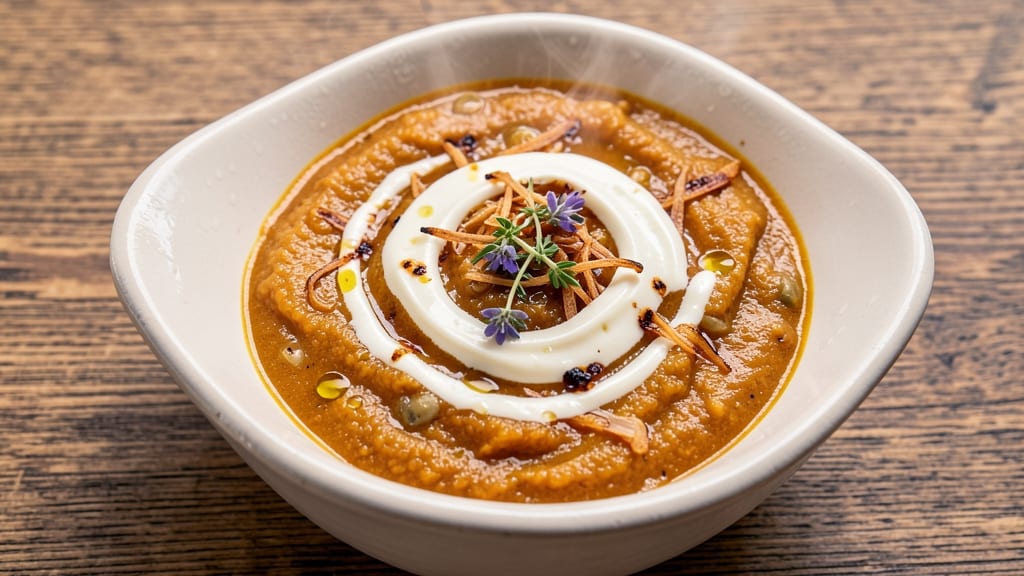
Alton Brown’s butternut squash soup recipe transforms humble ingredients into a velvety masterpiece with roasted depth and nutmeg warmth.
After years of testing, I’ve perfected this method to deliver a soup so rich and aromatic it feels like a hug in a bowl—especially when the kitchen smells like toasted spices and caramelizing squash.
The secret lies in roasting the squash first, which intensifies its natural sweetness and creates a caramelized edge that adds complexity to the blend. This technique eliminates the need for excessive cream while still delivering that signature creamy texture.
With just 10 ingredients and 1 hour of hands-on time, you’ll achieve restaurant-quality results that impress even the most discerning guests.
What you’ll end up with is a golden, fragrant soup with tender squash, toasted spices, and just the right balance of creaminess. The nutmeg adds that signature warmth, while a drizzle of maple syrup and toasted pumpkin seeds at the end elevates it from comforting to extraordinary.
This is the kind of soup that disappears faster than you can say "second bowl."
Perfect for chilly evenings, holiday gatherings, or when you simply crave a dish that tastes like home. The best part? It reheats beautifully, making it ideal for meal prep. Let’s get started on this Alton-inspired classic that’s sure to become a staple in your kitchen.
Ingredients for alton brown butternut squash soup
Roasted squash, aromatic spices, and velvety cream come together for this Alton-inspired masterpiece.
| Ingredient | Amount | Notes |
|---|---|---|
| Medium Butternut Squash 🎃 | 1 whole | Peeled, seeded, cut into 1-inch cubes |
| Yellow Onion 🧅 | 1 whole | Medium, diced |
| Garlic Cloves 🧄 | 3 cloves | Peeled, halved horizontally |
| Extra-Virgin Olive Oil 🫒 | ½ cup | High-quality, fruity |
| Vegetable Broth 💧 | 4 cups | Low-sodium preferred |
| Heavy Cream 🥛 | ½ cup | Full-fat for creaminess |
| Ground Nutmeg 🌿 | ½ tsp | Freshly grated preferred |
| Pure Maple Syrup 🍯 | 1 tbsp | Grade B for depth |
| Salt 🧂 | 1 tsp | Diamond Crystal preferred |
| Black Pepper 🌶️ | ½ tsp | Freshly cracked |
| Pumpkin Seeds 🥜 | ¼ cup | Toasted, for garnish |
The butternut squash is the star—look for one that's heavy for its size with a smooth, unblemished skin. Costco or Trader Joe's usually carry perfect specimens, but any grocery store's produce section works. Roasting caramelizes the natural sugars, so don't skip this step. If you're feeling fancy, grab a smaller squash (2-3 lbs)—it'll roast more evenly than a giant one. The onion and garlic? Yellow onion has more sweetness than red, and fresh garlic cloves always beat that jarred minced stuff—just peel and halve those beauties.
No heavy cream? Full-fat coconut milk works in a pinch, though the flavor will differ slightly. Running low on maple syrup? Honey or agave at half the amount gets you close, but maple's depth is worth hunting for. The nutmeg is non-negotiable—pre-ground is fine, but freshly grated from a whole nut is next-level. Vegetable broth? Homemade is ideal, but even the basic low-sodium cans from Swanson or Pacific Foods work. For the pumpkin seeds, raw seeds from the bulk bin toast up best—skip the pre-packaged ones with added salt. And if you're wondering about the maple syrup grade? Grade B has more flavor and color than Grade A.
This soup reheats like a dream—2 minutes in the microwave or 5 minutes on the stove with a splash of broth. Store leftovers in the fridge for 4-5 days, or freeze for up to 3 months. For meal prep, I double the batch and freeze individual portions. The toasted pumpkin seeds keep for 2 weeks in an airtight container, so make extra for salads or yogurt. Pro tip: Save the roasted squash skins—they make amazing compost or can be saved for stock.
Why You'll Love This Recipe
- Here’s what sold me: that moment when roasted garlic meets olive oil and melts into the soup. It’s not just flavor—it’s layered flavor. The onion sweets into a caramelized base while the squash turns velvety, and suddenly you’ve got a soup that tastes like it simmered all day (even though it didn’t).
- No Peel Required: I’ll admit, I used to dread cutting squash—peeling, seeding, the whole mess. But Alton’s method? Just halve, scoop, and roast. That thick skin keeps it from drying out while caramelizing into sweet perfection. My hands stay clean, my kitchen stays tidy, and somehow the flavor gets deeper.
- Garlic Butter Magic: Here’s what sold me: that moment when roasted garlic meets olive oil and melts into the soup. It’s not just flavor—it’s layered flavor. The onion sweets into a caramelized base while the squash turns velvety, and suddenly you’ve got a soup that tastes like it simmered all day (even though it didn’t).
- Weeknight to Holiday: Between us, this is my go-to when I need something impressive but unfussy. Serve it with crusty bread for a lazy Sunday, or top it with toasted pecans and a drizzle of cream for a Thanksgiving side that’ll fool everyone. Honestly, I’ve made it for date nights, sick friends, and even a potluck—no one ever asks for seconds just once.
Step-by-step instructions for Alton brown's butternut squash soup
Here's the method that delivers restaurant-quality roasted depth and velvety texture every time.
Roast the Butternut Squash and Onion for Maximum Flavor
Preheat your oven to 425°F and line a large baking sheet with parchment paper. In a large bowl, toss the 1-inch cubed butternut squash and diced yellow onion with 0.25 cup of the extra-virgin olive oil, 0.5 tsp salt, and 0.25 tsp black pepper. Spread them out in a single layer on the baking sheet—crowding will steam instead of roast.
Roast for 30-35 minutes, stirring halfway through, until the squash is tender when pierced with a fork and the edges are golden brown. The onions should be caramelized with deep brown spots. Here's the thing—this roasting step develops the soup's complex, nutty sweetness that no raw prep can match. Don't rush it; let those sugars concentrate properly.
Build the Roasted Base with Aromatics
While the squash roasts, heat 0.25 cup extra-virgin olive oil in a large Dutch oven over medium heat. Add the halved garlic cloves (cut-side down) and cook for 1-2 minutes until fragrant but not browned. This is where the garlic's sweetness shines—don't let it burn.
Immediately add the roasted squash and onion mixture to the pot, stirring to combine with the garlic. Pour in the 4 cups vegetable broth and bring to a gentle simmer. Let it cook uncovered for 10 minutes to allow the flavors to meld. You'll notice the aroma become more concentrated and complex—this is your reward for roasting first.
Blend Until Silky Smooth
Use an immersion blender to purée the soup directly in the pot until completely smooth, about 1-2 minutes. If you prefer using a countertop blender, carefully transfer the hot mixture in batches (don't fill beyond the max line) and blend until silky. Here's what I do—after the first batch, I return it to the pot and stir it back in before blending the next batch to maintain even consistency.
The soup should now have a velvety texture with no visible chunks. Taste and adjust seasoning—you might need an additional 0.25 tsp salt or 0.125 tsp black pepper depending on your broth. This is your flavor checkpoint: the soup should be rich but not salty, sweet but not cloying. The roasted vegetables should dominate the flavor profile.
Finish with Cream and Warm Spices
Reduce heat to low and stir in the 0.5 cup heavy cream, 0.5 tsp ground nutmeg, and 1 tbsp pure maple syrup. Simmer gently for 5-7 minutes, stirring occasionally. The nutmeg should infuse the soup with warm, earthy notes, while the maple syrup adds subtle sweetness that balances the earthiness of the squash.
Here's the moment that matters: taste and make final adjustments. The cream should make the soup luxurious without making it heavy. If it's too thick, add 2-4 tablespoons hot vegetable broth to reach your desired consistency. The soup should coat the back of a spoon but still be pourable.
Garnish and Serve Warm
Ladle the soup into bowls and garnish each serving with 1 tablespoon toasted pumpkin seeds. For extra presentation, I like to drizzle a tiny amount of extra-virgin olive oil on top—it adds a beautiful sheen and enhances the nutty flavors. Serve immediately while warm, as the flavors continue to develop even after the soup leaves the pot.
Real talk: this soup tastes even better the next day as the flavors meld further, but the texture will be slightly thicker. If you're serving it later, reheat gently on the stove with a splash of broth to maintain that silky consistency. Each spoonful should deliver that perfect balance of roasted sweetness, creamy richness, and warm spice notes that make this soup truly special.
Pro Tips For Making Alton Brown Butternut Squash Soup
- Peel After Roasting: Forget the tedious peeling before cutting—roast the whole squash until tender (about 45 minutes at 400°F), then scoop out the flesh with a spoon. The skin slides off effortlessly, and you skip the mess of peeling raw squash. I used to fight with a vegetable peeler for 10 minutes; now I just roast and relax.
- Sweat Onions Low and Slow: Don’t rush the onions—cook them in olive oil over medium-low heat for 10-12 minutes until deep golden and almost caramelized. High heat burns them before they sweeten, and you’ll taste that bitterness in every spoonful. (Yes, it takes longer, but your soup will thank you.)
- Blend in Batches: If your blender’s max capacity is smaller than your soup pot, split the hot mixture into two batches. Overfilling traps steam, risks splattering, and can even damage the motor. I learned this after cleaning soup off my ceiling—twice.
- Salt the Broth Early: Season the vegetable broth before adding it to the pot, not after blending. The salt dissolves fully and infuses the soup evenly, so every bite has consistent flavor. I used to add it later and wondered why some servings tasted flat. (Pro tip: Use 1 tsp salt per 4 cups broth—this recipe’s measurements are generous.)
Creative variations of this alton brown butternut squash soup
Spiced Roasted Variations
For a smoky twist, add ½ tsp smoked paprika and ¼ tsp chipotle powder to the roasting oil—this gives the soup a subtle BBQ depth that pairs perfectly with crispy bacon bits on top.
I tested this variation during a Boston winter and it became an instant favorite for brunch. The smokiness balances the sweetness beautifully. 🌶️
Creamy Coconut Adaptation
Swap the heavy cream for ½ cup full-fat coconut milk and add ½ tsp cinnamon when finishing the soup. This tropical-inspired version works surprisingly well and adds a subtle floral note that complements the nutmeg.
It's my go-to when I'm out of cream but still want that velvety texture. Trust me, your guests won't guess it's not the original!
Herb-Infused Garnishes
Instead of pumpkin seeds, try toasting 1 tbsp fresh sage leaves in the same oil as the seeds for 2-3 minutes until crisp. Sprinkle these golden leaves on top along with a drizzle of aged balsamic reduction.
The herbal note adds an unexpected sophistication that elevates the dish from comfort food to restaurant-worthy. I discovered this trick while cooking for a dinner party and received rave reviews.
Protein-Packed Additions
For a heartier version, stir in ½ cup cooked crumbled bacon or ½ cup shredded rotisserie chicken> during the final simmer. The smoky bacon adds incredible depth while the chicken makes it a complete meal.
I often double the batch on Sundays for easy lunches all week—just reheat and serve with crusty bread. The protein keeps everyone satisfied for hours.
Sweet Potato Fusion
Add 1 cup peeled and cubed sweet potato to the roasting pan with the squash. The natural sweetness of both vegetables creates a deeper, more complex flavor profile. After blending, you can adjust the maple syrup to 1½ tbsp> if you prefer a sweeter soup.
This variation works especially well with a sprinkle of toasted pecans> instead of pumpkin seeds for added crunch.
Nutrition facts
Frequently asked questions
Why does Alton Brown's recipe roast the squash first?
Roasting caramelizes the natural sugars in the butternut squash, creating a deeper, more complex flavor profile that raw prep can't match. This technique develops a nutty sweetness and caramelized edge that makes the soup taste restaurant-quality. Plus, it eliminates the need for excessive cream while still delivering that signature velvety texture.
Can I make this soup without heavy cream?
Swap the heavy cream for ½ cup full-fat coconut milk and add ½ tsp cinnamon during the final simmer. This tropical-inspired version maintains the creaminess while adding subtle floral notes that complement the nutmeg beautifully. The texture will be slightly different but still delicious.
How do I store and reheat leftovers?
Store leftovers in the fridge for 4-5 days or freeze for up to 3 months. To reheat, warm gently on the stove with a splash of vegetable broth for 5 minutes or microwave for 2 minutes, stirring halfway. The flavors actually improve overnight as they meld further, though the texture may thicken slightly.
What's the best way to toast pumpkin seeds for garnish?
Spread ¼ cup raw pumpkin seeds on a baking sheet and toast in a 350°F oven for 8-10 minutes, stirring halfway, until golden and fragrant. Let cool completely before using. For extra flavor, toss with a pinch of salt and ¼ tsp smoked paprika before toasting. These seeds keep in an airtight container for 2 weeks.
Can I use sweet potatoes instead of butternut squash?
Yes! Add 1 cup peeled, cubed sweet potato to the roasting pan with the squash. The natural sweetness creates a deeper flavor profile. After blending, you may want to increase the maple syrup to 1½ tbsp if you prefer a sweeter soup. Garnish with toasted pecans instead of pumpkin seeds for added crunch.