
Soups & Stews
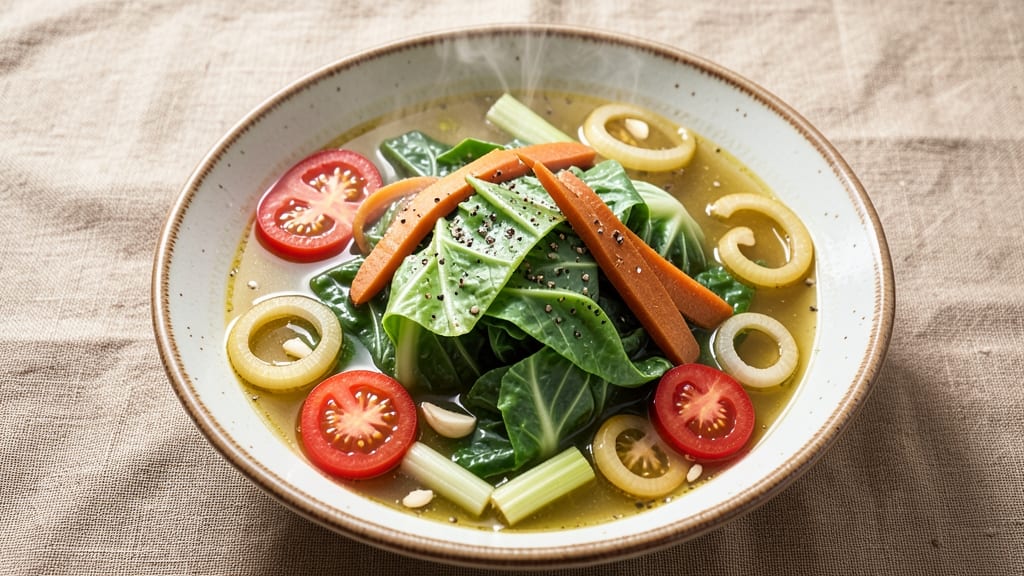
The American Heart Association's cabbage soup recipe delivers a nutrient-packed, heart-healthy lunch that supports blood pressure management while keeping flavors vibrant. This vegetarian soup focuses on low-sodium, high-fiber ingredients like cabbage, carrots, and tomatoes—all staples of the AHA's dietary guidelines. The secret lies in balancing natural flavors without added salt, creating a satisfying meal that aligns with medical nutrition recommendations.
What sets this recipe apart is its simplicity: just 30 minutes of active prep and a one-pot method that minimizes cleanup. The soup's fiber-rich base helps lower cholesterol while the vegetable blend provides essential vitamins.
The recipe maintains the AHA's emphasis on whole foods, avoiding processed ingredients that can undermine heart health benefits.
By the time you finish cooking, you'll have a steaming bowl of soup with tender vegetables, aromatic herbs, and a light broth that's both nourishing and flavorful. The cabbage softens to a perfect texture, while carrots and tomatoes add natural sweetness.
This dish proves heart-healthy eating can be delicious without compromising on taste or nutrition.
Perfect for meal prepping or serving as a light lunch option, this cabbage soup recipe meets the AHA's standards while fitting seamlessly into any healthy diet plan. The ingredients are easy to find, and the instructions are straightforward—making it accessible for home cooks focused on improving their cardiovascular health.
Ingredients for american heart association cabbage soup
Heart-healthy vegetables and aromatic herbs create this AHA-approved cabbage soup.
| Ingredient | Amount | Notes |
|---|---|---|
| Green Cabbage 🥬 | 6 cups | Shredded, outer leaves removed |
| Carrots 🥕 | 2 cups | Baby or sliced into rounds |
| Yellow Onion 🧅 | 1 whole | Diced, medium size |
| Fresh Tomatoes 🍅 | 2 cups | Chopped, vine-ripened preferred |
| Celery Stalks 🌿 | 2 cups | Chopped, leafy greens removed |
| Garlic Cloves 🧄 | 4 cloves | Minced, fresh preferred |
| Low-Sodium Vegetable Broth 💧 | 4 cups | Homemade or store-bought |
| Extra-Virgin Olive Oil 🫒 | 2 tbsp | For sautéing vegetables |
| Fresh Parsley 🌿 | ¼ cup | Chopped, for garnish |
| Fresh Dill 🌿 | ¼ cup | Chopped, optional |
| Black Peppercorns 🌶️ | ½ tsp | Freshly ground, no salt added |
| Bay Leaf 🍃 | 1 whole | For added depth |
| Fresh Lemon Juice 🍋 | 1 tbsp | Brightens flavor profile |
The cabbage is the foundation—look for firm heads with crisp leaves at Whole Foods or your local farmers' market. Baby carrots save chopping time, but regular carrots work just as well. Fresh tomatoes should be vibrant red and yield slightly to gentle pressure. Celery adds earthy depth, so choose stalks with bright green leaves still attached. For the broth, homemade with vegetable scraps delivers the best flavor, but quality store-bought options like Imagine or Pacific Foods meet the AHA's low-sodium guidelines perfectly.
No fresh parsley? Dried parsley at half the amount works in a pinch, though fresh is preferred. Substitute basil or cilantro if dill isn't available. The lemon juice can be omitted if you prefer, but it brightens the natural sweetness of the vegetables. For extra fiber, add 1 cup cooked lentils or 1/2 cup chopped mushrooms. The bay leaf adds subtle complexity—remove it before serving to avoid bitterness. If you're concerned about sodium, rinse canned tomatoes thoroughly before using.
Store leftovers in airtight containers for up to 4 days in the refrigerator. For longer storage, freeze portions for 3 months. Reheat gently on the stove with a splash of water to restore texture. This soup reheats beautifully—often tastes better the second day as flavors meld. Double the batch and freeze half for quick meals when you're short on time. The fiber content makes it particularly satisfying for blood pressure management, aligning perfectly with AHA recommendations.
Why You'll Love This Recipe
- No-Chop Nightmare: I swear by this recipe on nights when I’m too tired to dice anything—just shred the cabbage, slice the carrots into half-moons (or buy pre-shredded), and toss everything in one pot. The onions and celery go in whole, and by the time the water boils, they’re already soft enough to pull apart with a spoon. Honestly, it’s the kind of meal that makes me question why I ever stress over complicated recipes.
- Sweet-Savory Magic: That caramelized onion and celery base? Chef’s kiss. The tomatoes add just enough tang to cut through the cabbage’s natural bitterness, while the carrots melt into a natural sweetness that makes every bite feel like a hug. Between us, I’ve had people ask if I used bouillon cubes—nope, just salt, pepper, and a splash of vinegar to tie it all together. It’s simple, but the flavors layer like a well-written story.
- Meal Prep MVP: This soup is my go-to for busy mornings: I make a big batch on Sunday, and it lasts me all week. The flavors actually improve after a day or two in the fridge—yes, really. I pack it in jars for lunch or reheat it for dinner, and it’s always a hit. (Even my picky teenager stops complaining when it’s in front of him.)
- Pocketbook Hero: A head of cabbage, a bag of carrots, and a few stalks of celery? That’s less than $5 at my grocery store, and it stretches to feed four people easily. I’ll be real: I’ve made this soup during grocery budget crunches, and it’s never failed to deliver. Plus, the American Heart Association seal means I’m not just saving money—I’m keeping it heart-healthy without sacrificing taste. Win-win.
Step-by-step instructions for american heart association cabbage soup
This method delivers a nutrient-rich, blood-pressure-friendly soup packed with fiber and essential vitamins.
Prepare and Sauté the Vegetable Base
Heat the 2 tablespoons extra-virgin olive oil in a large pot over medium heat. Add the 1 whole yellow onion, 2 cups celery stalks, and 2 cups carrots, stirring occasionally for 5 minutes until the vegetables soften slightly and begin to release their natural sweetness. This foundational step builds flavor without requiring added salt.
Add the 4 cloves minced garlic and continue cooking for 30 seconds until fragrant. You'll notice the kitchen fill with an aromatic blend of savory and earthy notes—this is your cue that the garlic is ready. The vegetables should be tender but still hold their shape, creating a textural foundation for the soup.
Incorporate Cabbage and Tomatoes
Add the 6 cups shredded green cabbage and 2 cups chopped fresh tomatoes to the pot. Stir well to combine with the sautéed vegetables. Cook for 4-5 minutes until the cabbage begins to wilt and release its vibrant green color. The tomatoes will break down slightly, adding natural acidity that brightens the dish.
Here's the thing—don't overcrowd the pot. If your vegetables seem too packed, work in batches to ensure even cooking. The cabbage should soften but retain some bite, as it will continue cooking in the broth. This step ensures proper texture contrast in the final soup.
Build the Broth and Season
Pour in the 4 cups low-sodium vegetable broth and add the 1 whole bay leaf. Bring the mixture to a gentle boil, then reduce heat to medium-low and let it simmer uncovered for 20 minutes. During this time, the vegetables will absorb the broth, developing deep flavor while maintaining their nutritional integrity.
Season with 0.5 teaspoon freshly ground black peppercorns and stir. The pepper adds subtle warmth without contributing sodium. Taste the broth—it should be flavorful but not salty. If needed, you can add a pinch more pepper, but avoid adding salt entirely to maintain heart-healthy benefits.
Finish with Fresh Herbs and Lemon
Remove the pot from heat and stir in the 0.25 cup chopped fresh parsley and 0.25 cup chopped fresh dill. These herbs add bright, fresh notes that complement the earthy vegetables. Add the 1 tablespoon fresh lemon juice and stir well. The acidity from the lemon brightens the entire dish, cutting through the richness of the vegetables.
Return the soup to low heat for just 2 minutes to allow the flavors to meld. This final step ensures the herbs are fully incorporated without overcooking the vegetables. The soup should be vibrant in color and packed with aroma—this is your indicator that all components have harmonized.
Serve Warm with Optional Garnish
Ladle the soup into bowls and serve immediately. The soup should be steaming hot, with vegetables that are tender but still retain some texture. Each serving delivers a hearty yet light meal that supports cardiovascular health while satisfying hunger.
For garnish, top each serving with additional chopped parsley or a sprinkle of dill if desired. The fresh herbs not only enhance flavor but also add visual appeal. This soup is best enjoyed fresh, as the flavors continue to develop even after preparation—making it perfect for meal prep or immediate consumption.
Pro Tips For Making American Heart Association Cabbage Soup
- CUT CABBAGE SMALLER THAN YOU THINK: I learned this the hard way—big chunks of cabbage stay tough and chewy no matter how long you simmer. Aim for ½-inch pieces or smaller, especially the core. If you’re worried about uneven cooking, slice the outer leaves thinner than the hard inner stalks. Trust me, your soup will be silky, not fibrous.
- SWEAT ONIONS UNTIL TRANSPARENT: Don’t rush the onion prep—cook them in the pot with a splash of water until they’re nearly clear, not just softened. This builds flavor without burning, and it’s the foundation for the whole soup. I used to skip this, and the dish always tasted flat afterward.
- SAVE THE TOMATO JUICE: After chopping fresh tomatoes, don’t dump the juice down the drain. Strain it into your pot—it’s packed with flavor and acidity that brightens the soup. Even if you’re using canned tomatoes, reserve a splash of the juice for depth. (Yes, even if you’re impatient like me.)
- ADD CELERY LAST, REMOVE FIRST: Celery burns faster than you’d expect. Toss it in with the other veggies, but pull it out after 5 minutes of simmering—it’ll still hold its shape and flavor without turning bitter. This keeps the soup’s texture balanced, especially if you’re using the full stalk instead of just leaves.
Regional styles of this american heart association cabbage soup
Southern Comfort Style
In the American South, cabbage soup often gets a smoky twist by adding ½ teaspoon smoked paprika during the sauté stage. I like to include 1 cup cooked black-eyed peas for extra protein, which aligns with Southern traditions of hearty vegetable dishes.
Serve with crusty cornbread—a classic pairing that soaks up the broth beautifully. 🌶️
Midwest Hearty Version
The Midwest takes cabbage soup to the next level by incorporating ½ cup diced potatoes and ½ cup chopped bell peppers along with the carrots and celery. The potatoes add a comforting creaminess while the peppers introduce a subtle sweetness.
This variation works perfectly for cold weather and pairs well with a slice of rye bread. 🥔
New England Light Approach
New England cooks often emphasize fresh herbs and seafood accents in their cabbage soup. I recommend adding ½ cup chopped scallions and a pinch of Old Bay seasoning (just ¼ teaspoon) for a coastal touch.
For extra protein, stir in ½ cup cooked shrimp during the final 2 minutes of cooking. The shrimp adds a delicate sweetness that complements the cabbage's earthiness. 🦐
California-Inspired Twist
West Coast chefs love to incorporate bold flavors and fresh ingredients into their cabbage soup. Try adding 1 cup chopped kale and ½ avocado, diced just before serving. The kale adds fiber while the avocado provides healthy fats.
A drizzle of 1 tablespoon lime juice instead of lemon brightens the dish with a zesty kick. This version is perfect for a light, refreshing lunch. 🥑
Texas-Style BBQ Cabbage Soup
In Texas, cabbage soup often gets a smoky, tangy profile inspired by barbecue traditions. Add 1 tablespoon tomato paste during the sauté stage and season with ½ teaspoon smoked salt-free seasoning (like McCormick Grill Mates).
Top each serving with 2 tablespoons chopped cilantro and a sprinkle of crushed red pepper flakes for heat. Serve with cornbread or warm tortillas for a satisfying meal. 🌶️
Nutrition facts
Frequently asked questions
Is this cabbage soup recipe truly heart-healthy?
This recipe follows the American Heart Association's guidelines by using low-sodium vegetable broth, fiber-rich vegetables, and no added salt. The cabbage and carrots provide essential vitamins while the lemon and herbs enhance flavor naturally. The dish supports blood pressure management and cholesterol reduction through its plant-based, nutrient-dense ingredients.
Can I make this soup without fresh herbs?
Yes, but fresh herbs add the best flavor. Use 1/2 teaspoon dried parsley and 1/4 teaspoon dried dill instead of fresh. For lemon juice, you can substitute 1 tablespoon bottled lemon juice (check for no added salt). The dish will still taste good, though fresh herbs brighten the natural vegetable flavors significantly.
How can I adjust this for a vegetarian diet?
This recipe is already vegetarian-friendly! For extra protein, add 1/2 cup cooked lentils or 1/2 cup chickpeas during the final 2 minutes of cooking. The soup maintains its heart-healthy benefits while becoming even more satisfying. The AHA recommends plant-based proteins for cardiovascular health.
Will this soup taste bland without salt?
Not at all! The recipe relies on natural flavors from fresh garlic, lemon juice, and herbs. The cabbage and carrots caramelize slightly during cooking, adding sweetness. The pepper provides subtle warmth, while the tomatoes add acidity. Taste as you go—you may find you don't miss salt at all!
Can I prepare this soup ahead of time?
Yes, this soup actually tastes better the next day! Store in an airtight container in the fridge for up to 4 days. Reheat gently on the stove with a splash of water to restore texture. For longer storage, freeze portions for 3 months. The flavors meld beautifully overnight, making it perfect for meal prep.