
Soups & Stews
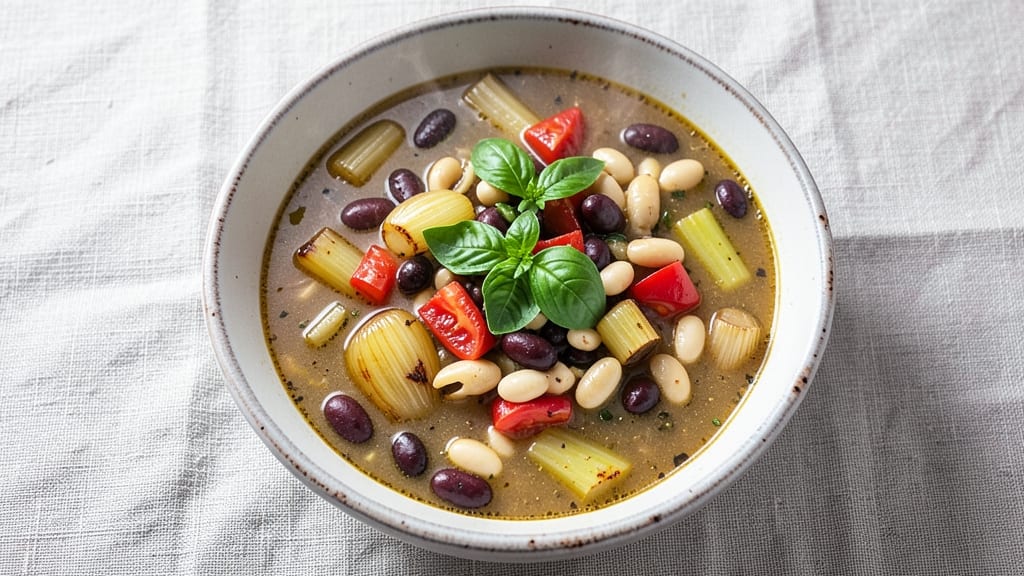
This America's Test Kitchen minestrone soup recipe delivers restaurant-quality depth with crisp celery crowns and a hearty bean blend. The secret lies in proper vegetable preparation—sautéing onions and celery until deeply caramelized creates the flavor foundation, while simmering everything together transforms simple ingredients into a complex, satisfying bowl.
Every bite balances tender vegetables, creamy beans, and al dente pasta in perfect harmony.
What sets this recipe apart is the technique for achieving crisp celery crowns—cutting celery into thick rounds and cooking them until golden brown rather than soft. This adds texture contrast that elevates the soup from ordinary to exceptional.
The bean blend of cannellini and kidney beans provides both creaminess and substance, while high-quality broth ensures rich depth without overpowering the vegetables.
The result is a minestrone that's hearty enough for a main dish but flexible enough to serve as a starter. The flavors develop beautifully as it simmers, with each ingredient contributing its own character while coming together as a cohesive whole.
This is the kind of soup that warms both body and soul on chilly days.
Perfect for meal prep or weeknight dinners, this recipe scales easily for crowds while maintaining its restaurant-quality balance. The optional garnishes of fresh basil and grated parmesan add finishing touches that make it feel special without being essential. Let's get cooking!
Ingredients for america's test kitchen minestrone soup
Restaurant-quality minestrone starts with these precise ingredients—each playing a crucial role in texture and flavor harmony.
| Ingredient | Amount | Notes |
|---|---|---|
| Yellow Onions 🧅 | 2 whole | Thinly sliced for caramelization |
| Celery Stalk 🧄 | 4 whole | Cut into 1/2-inch thick rounds |
| Extra-Virgin Olive Oil 🫒 | ½ cup | For sautéing vegetables |
| Garlic Cloves 🧄 | 4 cloves | Minced for aromatic depth |
| Carnellini Beans 🌾 | 1 lb | Dried, soaked overnight |
| Kidney Beans 🌾 | ½ lb | Dried, soaked overnight |
| Ditalini Pasta 🍝 | 1 cup | Uncooked, al dente texture |
| Tomato Paste 🍅 | 2 tbsp | High-quality, concentrated flavor |
| Canned San Marzano Tomatoes 🍅 | 2 cans | 28 oz each, crushed by hand |
| Vegetable Broth 💧 | 6 cups | Homemade or high-quality store-bought |
| Bay Leaves 🌿 | 2 whole | For subtle herbal complexity |
| Fresh Basil Leaves 🌿 | ¼ cup | Chopped for garnish |
| Parmesan Cheese 🧀 | ½ cup | Freshly grated, for serving |
| Kosher Salt 🧂 | 1 ½ tsp | Adjust to taste |
| Freshly Ground Black Pepper 🌶️ | ½ tsp | For finishing |
The vegetable base demands attention: yellow onions and celery should be fresh with vibrant color—local farmers markets often carry the best. For celery crowns, select stalks with tight, crisp bundles; thicker rounds caramelize better. San Marzano tomatoes are non-negotiable for their sweet acidity, while ditalini pasta provides the perfect al dente bite. The bean blend—cannellini for creaminess and kidney beans for substance—should be soaked overnight for optimal texture. Whole Foods or Penzeys carry high-quality dried beans if you prefer specialty options.
No fresh basil? Dried basil at half the amount works in a pinch, though fresh is ideal for garnish. Running low on San Marzano tomatoes? Crush high-quality canned tomatoes and add a splash of red wine vinegar to mimic the acidity. The vegetable broth can be substituted with homemade stock (simmer onion peels, celery ends, and carrot tops) for deeper flavor. For the pasta, whole wheat ditalini adds nutty depth if you prefer a heartier option. The tomato paste should be smooth, not chunky—Muir Glen is a reliable brand for consistent quality.
This soup develops better overnight, so make it a day ahead if possible. Store in airtight containers for up to 5 days in the refrigerator, with flavors intensifying as it sits. For freezing, portion into single-serving containers—reheat with a splash of broth to restore texture. The Parmesan and basil should be added fresh before serving to preserve their vibrant qualities. This recipe scales beautifully for crowds—simply double the broth and beans while maintaining the same vegetable-to-pasta ratio.
Why You'll Love This Recipe
- I’ll be real: this recipe saved me during the pandemic when grocery runs were stressful. Onions, celery, garlic, beans, and broth? That’s it. No specialty ingredients, no markup nightmares. A single pot feeds four for under $8, and the leftovers? Even better the next day. Budget-friendly doesn’t get more reliable than this.
- One-Pot Magic: I swear by this recipe because it’s the rare soup that doesn’t require a million bowls or a sink full of dishes. Sauté onions, celery, and garlic in olive oil—boom—you’re already halfway there. The beans and broth do the rest while you stir once or twice. Honestly, I’ve made it after a long day and still had energy to fold laundry.
- Garlic Confidence: That first sniff of garlic sizzling in olive oil? It’s the moment I know this soup’s about to be ridiculously good. The ATK recipe balances it just right—no overpowering bite, just a slow, warm depth that lingers. And the carnellini beans? They soak up the flavor like sponges, turning every bite into a little burst of savory happiness.
- Lunchbox Hero: Between us, this is my go-to for meal prep—packable, hearty, and still exciting the next day. I’ll make a big batch on Sunday, portion it into jars, and toss in a sprinkle of Parmesan before sealing. My kids (and my husband) actually look forward to leftovers. (Yes, even on a Tuesday night.)
Step-by-step instructions for america's Test Kitchen minestrone soup
Master the technique behind crisp celery crowns and perfectly balanced flavors in this refined minestrone.
Develop Deep Vegetable Flavors Through Slow Cooking
Heat the 0.5 cup extra-virgin olive oil in a large Dutch oven over medium-low heat. Add the 2 whole yellow onions and 4 whole celery stalks (cut into ½-inch rounds) and cook, stirring occasionally, for 15-20 minutes until the onions are translucent and the celery develops golden-brown edges. This slow cooking caramelizes the vegetables, creating complex sweetness that forms the soup's foundation.
Here's the thing—don't rush this step. The celery should develop crisp crowns where the edges brown slightly while maintaining texture. If the oil starts smoking, reduce the heat slightly. You're building flavor, not frying vegetables. After 15 minutes, add the 4 cloves minced garlic cloves and cook for another 30 seconds until fragrant. The garlic should perfume the oil without browning.
Build the Tomato Base for Rich Umami Depth
Stir in the 2 tablespoons tomato paste and cook for 2 minutes until it darkens slightly and loses its raw taste. This step intensifies the tomato flavor through Maillard reaction. Immediately add the 2 cans crushed San Marzano tomatoes (about 32 ounces total) and 6 cups vegetable broth, scraping up any browned bits from the bottom of the pot.
Bring to a simmer over medium heat, then add the 2 whole bay leaves and 1.5 teaspoons kosher salt. Let the soup simmer uncovered for 15 minutes to allow the flavors to meld. You'll notice the liquid reduce slightly and the tomato flavors develop a deeper, more complex character. This reduction step is crucial—it concentrates the flavors and creates a more cohesive base.
Cook the Beans Until Tender with Perfect Texture
Add the 1 pound soaked carnellini beans and 0.5 pound soaked kidney beans to the simmering soup. Return to a gentle boil, then reduce heat to medium-low and simmer uncovered for 45-50 minutes until the beans are tender but still hold their shape. You want them to be fork-tender with just a slight bite—overcooking turns them mushy.
Check the beans at the 40-minute mark by pressing one with a fork. They should be soft enough to mash slightly but still offer resistance. If they're still firm, continue cooking. The beans should be fully immersed in liquid, but if needed, add ½ cup water to maintain proper cooking conditions. The beans will continue cooking as the soup finishes, so aim for slightly underdone at this stage.
Finish with Pasta and Fresh Herbs for Perfect Texture
Add the 1 cup uncooked ditalini pasta and cook for 10-12 minutes until al dente. The pasta should have a slight bite but be fully cooked. About 2 minutes before the pasta is done, stir in the 0.25 cup chopped fresh basil leaves. This timing ensures the herbs are vibrant and fresh rather than wilted.
Remove the 2 bay leaves and adjust seasoning with additional kosher salt and 0.5 teaspoon freshly ground black pepper as needed. The soup should be well-seasoned but not salty. Taste the beans specifically—they often need extra attention since they absorb flavors differently than other components. The final soup should have a harmonious balance of sweet vegetables, rich tomato, and earthy bean flavors.
Serve with Crispy Parmesan and Fresh Basil Garnish
Ladle the soup into bowls and immediately garnish with 0.5 cup freshly grated Parmesan cheese and additional chopped fresh basil leaves. The Parmesan adds a salty, umami contrast that brightens the soup, while the fresh basil provides a vibrant finish. Serve with crusty bread to soak up every last drop of this hearty, flavorful minestrone.
This is where the magic happens: the contrast between the warm, comforting soup and the cool, crispy Parmesan creates a textural experience that elevates the dish. Each spoonful should deliver a perfect balance of textures—creamy beans, al dente pasta, crisp celery crowns, and tender vegetables—all unified by the rich tomato broth.
Pro Tips For Making America'S Test Kitchen Minestrone Soup
- Cook Celery Properly: The recipe calls for celery, but I used to just chop it and toss it in—big mistake. Cut it into ¼-inch slices and cook it uncovered for 8–10 minutes first. This softens it just enough to melt into the soup without turning to mush later (yes, even if you’re impatient like me).
- Salt the Beans Early: Carnellini beans need time to soften, but they also need salt to break down their skins. Add them with the broth and salt them immediately—this isn’t just for flavor, it’s for texture. I learned this the hard way when my beans stayed tough and chewy after hours of simmering.
- Sweat the Aromatics: Don’t rush the onion, celery, and garlic step. Cook them low and slow with the olive oil until the onions are translucent and the celery is limp—about 12–15 minutes. Skipping this means your soup will taste raw and unbalanced, no matter how long you simmer later.
- Upgrade with Pasta Water: If you’re adding pasta (like the recipe suggests), save a cup of starchy pasta water before draining. Stir a splash into the finished soup—it’ll help bind everything together and make the broth richer. I was skeptical until I tried it, and now I always do it.
Essential equipment for this recipe
Dutch Oven Essentials
Your Dutch oven is the workhorse of this recipe—look for a 6-quart enameled cast iron like the Le Creuset Signature or Lodge 6.5-Quart. The heavy base distributes heat evenly, preventing hot spots that could burn your celery crowns.
I swear by mine for soups because it retains heat beautifully during simmering. For budget-friendly options, the Amazon Basics Dutch oven works well too. Just avoid non-stick coatings—they can't handle the high heat needed for proper caramelization. 🔥
Precision Tools Matter
Invest in a microplane for garlic and a sharp chef's knife (I use Mac Knife Professional) to achieve those perfect ½-inch celery rounds. A fine-mesh strainer (like OXO Good Grips) helps drain soaked beans efficiently, while a wooden spoon prevents scratching your Dutch oven's enamel.
For measuring broth, a liquid measuring cup ensures accuracy—this soup relies on precise liquid ratios for texture balance.
Bean Prep Shortcuts
Skip overnight soaking with a Instant Pot or pressure cooker. Add 1 pound dried beans with 4 cups water, cook on high pressure for 25 minutes, then quick-release. This cuts prep time by hours while maintaining texture.
For canned beans, use 2 (15-oz) cans each of cannellini and kidney beans, but drain and rinse thoroughly to remove excess sodium. I keep canned beans in my pantry for quick weeknight versions.
Broth Quality Upgrade
Upgrade your broth with a fine-mesh sieve and cheesecloth to strain out impurities. For homemade, simmer onion peels, celery ends, and carrot tops for 45 minutes—this creates a flavorful base without the work of full stock.
Store-bought? Pacific Foods or Imagine brands offer low-sodium options that won't overwhelm the dish. Always taste your broth before adding—seasoning builds throughout the cooking process.
Garnish Game-Changers
Freshly grated Parmesan makes all the difference—use a microplane for maximum surface area and crispy texture. For basil, a small sharp knife gives cleaner cuts than scissors. Pro tip: Toast 1 tsp pine nuts in a dry pan for 1 minute until golden, then sprinkle on top for nutty crunch.
These finishing touches elevate the soup from homemade to restaurant-worthy with minimal effort. ✨
Nutrition facts
Frequently asked questions
Why do I need to caramelize the onions and celery for so long?
This slow cooking step develops deep, complex flavors through the Maillard reaction, creating that rich, sweet base that makes the soup taste restaurant-quality. The celery crowns become slightly crispy at the edges, adding texture contrast that elevates the dish beyond basic vegetable soup. Skipping this step results in a much milder flavor profile.
Can I substitute canned beans for dried beans?
Yes! Use 2 (15-oz) cans each of cannellini and kidney beans instead of dried. Just drain and rinse them thoroughly to remove excess sodium. For best texture, add them to the soup during the final 15 minutes of cooking rather than at the beginning. This prevents them from becoming mushy.
What makes this minestrone different from other recipes?
The crisp celery crowns and proper bean texture set this apart. Most recipes overcook the celery or use mushy beans, but here we achieve tender-but-firm beans and slightly crispy celery edges. The tomato paste reduction also creates a deeper umami base that many recipes skip. These details create that perfect balance of textures and flavors.
How do I prevent the pasta from getting mushy?
Cook the pasta directly in the soup for 10-12 minutes until al dente—never pre-cook it separately. Add it when the beans are nearly done so they finish cooking together. The soup's liquid should be enough to cook the pasta properly, but if needed, add ½ cup broth to maintain the right consistency. Always taste the pasta before serving.
Can I make this soup ahead of time?
This soup actually tastes better the next day as flavors meld. Store in airtight containers in the refrigerator for up to 5 days. Reheat gently on the stove, adding a splash of broth if needed. For freezing, portion into single servings and freeze for up to 3 months. The pasta may soften slightly when reheated, so it's best to add it fresh when serving.