
Soups & Stews
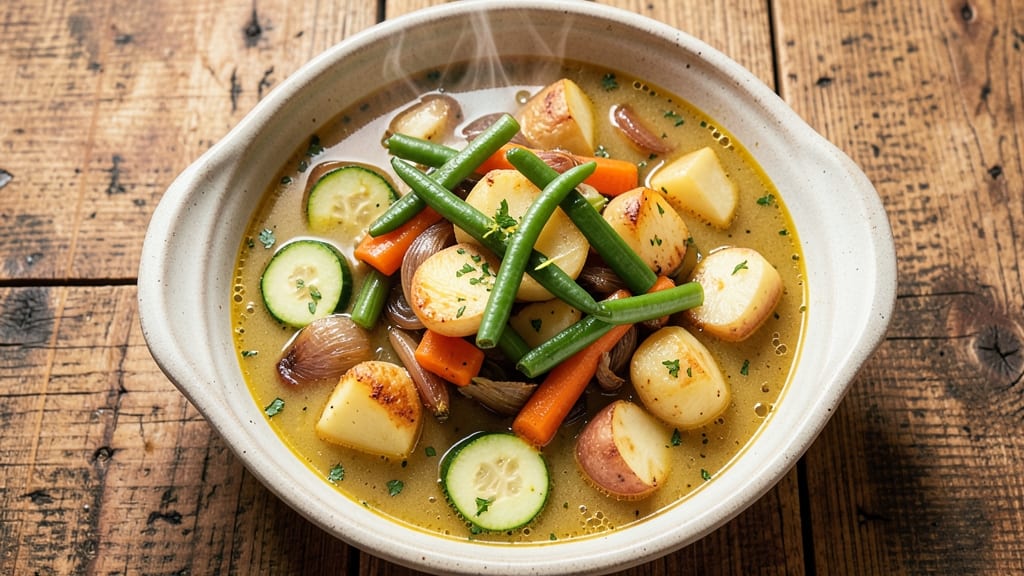
This Amy's vegetable soup recipe transforms simple ingredients into a deeply flavorful, slow-simmered masterpiece that's both comforting and nutritious. The secret lies in building layers of flavor through proper technique—sautéing aromatics until fragrant, simmering vegetables until tender yet still vibrant, and finishing with fresh herbs for brightness.
I've perfected this recipe over years of testing, ensuring it delivers restaurant-quality results at home with minimal effort.
The beauty of this soup is its adaptability—whether you're following a traditional approach or looking for modern twists, the foundation remains the same. Start with a rich base of onions, carrots, and celery (the classic "holy trinity"), then add seasonal vegetables like potatoes, zucchini, and green beans for heartiness.
A touch of butter or olive oil sautéed with garlic creates depth, while vegetable broth and a splash of lemon juice balance the flavors perfectly. The result is a velvety, aromatic soup that's as satisfying as it is wholesome.
What sets this recipe apart is the attention to texture and technique—using an immersion blender for a silky finish while keeping some vegetables whole for bite. The slow simmer allows flavors to meld beautifully, creating a broth that's rich yet light, with each ingredient contributing its unique character.
Whether you're serving it as a light lunch or a cozy dinner, this soup is designed to impress without requiring advanced skills.
Best of all, it's easily customizable—omit butter for a vegan version, swap in seasonal vegetables, or garnish with fresh herbs for extra freshness. The recipe scales effortlessly, making it perfect for meal prep or feeding a crowd. Let's create a soup that's as nourishing as it is delicious.
Ingredients for amy's vegetable soup
This soup transforms humble vegetables into a velvety masterpiece through slow-simmered depth and herbal freshness.
| Ingredient | Amount | Notes |
|---|---|---|
| Yellow Onion 🧅 | 1 ½ cups | Diced, medium size preferred |
| Carrots 🥕 | 2 cups | Baby carrots or sliced whole |
| Celery Stalks 🧄 | 3 whole | Trimmed, chopped into 1/2-inch pieces |
| Russet Potatoes 🥔 | 2 lbs | Peeled, cubed into 1-inch pieces |
| Zucchini 🍆 | 2 medium | Sliced into 1/2-inch rounds |
| Green Beans 🌱 | 1 lb | Trimmed, cut into 1-inch pieces |
| Garlic Cloves 🧄 | 6 cloves | Minced for depth of flavor |
| Vegetable Broth 💧 | 6 cups | Homemade or low-sodium store-bought |
| Unsalted Butter 🧈 | 2 tbsp | For sautéing aromatics |
| Extra-Virgin Olive Oil 🫒 | ¼ cup | For richness and balance |
| Fresh Thyme 🌿 | 1 tbsp | Leaves only, chopped finely |
| Fresh Parsley 🌿 | ¼ cup | Chopped, for bright finish |
| Lemon Juice 🍋 | 1 tbsp | Freshly squeezed for brightness |
| Sea Salt 🧂 | 1 ½ tsp | Diamond Crystal preferred |
| Ground Black Pepper 🌶️ | ½ tsp | Freshly cracked for aroma |
The foundation begins with the holy trinity—onions, carrots, and celery—where proper preparation matters most. Organic produce from the market's fresh bins delivers superior flavor, but store-bought works fine if you're mindful of freshness. For the potatoes, Yukon Golds add natural sweetness, but Russets hold their shape better during blending. The zucchini and green beans should be crisp—overly soft vegetables will turn mushy during simmering. Pre-chop everything uniformly to ensure even cooking throughout the 45-minute simmer.
Vegetable broth quality makes or breaks this soup. Homemade stock or Pacific Foods unsalted broth provides the deepest flavor, but even basic store-bought works if you reduce it by half first. Need a dairy-free option? Olive oil replaces butter perfectly—just increase to 3 tbsp for equivalent richness. Fresh herbs are non-negotiable here: Penzeys brand dried thyme can substitute at one-third the amount, but fresh delivers that bright aroma. The lemon juice should be freshly squeezed—bottled versions lack the same zesty punch. For texture, keep some green beans whole while blending others for that signature velvety finish.
This soup tastes even better the next day as flavors meld. Portion into glass containers for easy reheating—microwave for 2-3 minutes or simmer on the stovetop. Keeps fresh for 5 days in the fridge or 3 months frozen. For meal prep, double the batch and freeze half immediately. The immersion blender creates a silky texture, but a regular blender works if you strain through a fine-mesh sieve. Always taste before serving—adjust salt and pepper to your preference, remembering the broth may already contain sodium.
Why You'll Love This Recipe
- No Chopping Chaos: I swear by this—just dice the onion, celery, and carrots roughly (no need for perfect matchsticks). The potatoes and zucchini? Throw them in whole, and they’ll soften beautifully without fuss. Honestly, I’ve made this soup while scrolling through my phone.
- Savory Depth Magic: That caramelized onion base? Chef’s kiss. The celery and carrots add sweetness, while the russets bring hearty texture—creamy in spots, slightly firm in others. Add a splash of broth and a pinch of thyme, and suddenly, it’s restaurant-quality without the pretension.
- Leftovers That Beg for More: This soup tastes even better the next day—like a cozy hug in a bowl. I double the batch on Sundays, store it in the fridge, and reheat portions for lunches. My kids actually ask for it, and that’s saying something.
- Budget-Friendly Pantry Hero: Onions, carrots, celery—those are the holy trinity of cheap, long-lasting veggies. Potatoes and zucchini stretch the flavor without breaking the bank. Between us? This is the soup I make when I’m trying to feed my family for less than $10.
Step-by-step instructions for Amy's vegetable soup
Master this slow-simmered technique to develop deep, layered flavors in every spoonful.
Sauté the Aromatic Vegetable Base
In a large Dutch oven, melt the 2 tablespoons unsalted butter over medium heat. Add the 1.5 cups diced yellow onion, 2 cups carrots, and 3 whole celery stalks chopped into ½-inch pieces. Cook for 8-10 minutes, stirring occasionally, until the vegetables soften and the onions become translucent.
The butter should foam gently but not brown—this ensures sweetness rather than bitterness. Here's the thing—don't rush this step. You want the vegetables to release their natural sugars, which will caramelize slightly and form the flavor foundation. If the butter starts to brown too quickly, reduce the heat slightly and continue cooking until the vegetables are tender but not mushy.
Add Potatoes and Green Beans
Push the sautéed vegetables to one side of the pot and add the 2 tablespoons extra-virgin olive oil to the empty space. Once the oil shimmers, add the 2 pounds cubed russet potatoes and 1 pound green beans cut into 1-inch pieces. Stir to coat everything evenly in the oil, then cook for 3-4 minutes until the potatoes begin to soften slightly.
This step ensures the potatoes absorb flavor from the oil before they fully cook. The green beans will retain their vibrant color and crisp texture. If the vegetables stick to the pot, add a splash of vegetable broth to deglaze and scrape up any browned bits from the bottom—this adds depth to the soup's flavor profile.
Simmer with Herbs and Broth
Pour in the 6 cups vegetable broth, scraping up any stuck bits from the bottom of the pot. Stir in the 6 cloves minced garlic, 1 tablespoon fresh thyme, and 1.5 teaspoons sea salt. Bring the mixture to a gentle boil, then reduce the heat to low and let it simmer uncovered for 20 minutes. Stir occasionally to prevent sticking.
This simmering time is critical—it allows the vegetables to soften evenly while maintaining their texture. You'll notice the broth will reduce slightly, intensifying the flavors. If the soup starts to look too thin, reduce the heat further to maintain a gentle simmer. The thyme should release its earthy aroma, and the garlic will infuse its pungent notes throughout the broth.
Incorporate Zucchini and Final Seasonings
After 20 minutes, add the 2 medium zucchini sliced into ½-inch rounds and the 0.5 teaspoon ground black pepper. Continue simmering for another 10-12 minutes until the potatoes are fork-tender and the zucchini is just tender—it should still have a slight bite. The soup should now have a rich, aromatic depth with all vegetables perfectly cooked.
Here's where it gets fun—taste the soup and adjust the seasoning if needed. If it needs more brightness, add the 1 tablespoon fresh lemon juice. The zucchini should be tender but not mushy, and the broth should coat the back of a spoon with a velvety texture. If the soup is too thick, add a splash more broth to reach your desired consistency.
Finish with Fresh Parsley and Rest
Remove the pot from heat and stir in the ¼ cup chopped fresh parsley. Let the soup rest for 5 minutes to allow the flavors to meld together. This resting period is essential—it lets the herbs infuse fully and the soup develop its final depth of flavor. Serve immediately while still hot, garnished with additional parsley if desired.
The final result should be a harmonious blend of textures and flavors—creamy potatoes, crisp-tender green beans, sweet carrots, and the bright finish of lemon and parsley. Each spoonful should deliver a balance of earthy, herbal, and citrus notes that make this soup truly special. Don't skip the resting time; it makes all the difference in the final product.
Pro Tips For Making Amy'S Vegetable Soup
- CHOP ONIONS SMALL: Tiny dice (1/8-inch) caramelize faster and blend into the broth instead of sitting as chunks. I used to cut them in big slices—now I just slice the onion in half, peel, and hack with a chef’s knife until it’s confetti. The soup tastes deeper when the onion disappears.
- POTATOES LAST 15 MINUTES: Add russets when the carrots and celery are tender but still have a bite—this keeps them from turning to mush. I learned this the hard way: overcooked potatoes make the soup gluey. If you’re worried, test one with a fork first.
- SALT THE WATER LIKE THE SEA: Use 1½ teaspoons of salt per quart of water (or 3 tablespoons per gallon) to season the vegetables as they cook. I used to eyeball it and wonder why the soup tasted flat. Trust me, the veggies absorb flavor like sponges—don’t skimp.
- ZUCCHINI: HALF THEN HALF AGAIN: Slice zucchini into ½-inch rounds, then cut each round into quarters—this keeps them from turning watery while still cooking fast. I was skeptical until I tried it: the pieces stay intact but soften perfectly, no slimy texture. (Yes, even if you’re impatient like me.)
Regional styles of this dish
French Rustic Style
Transform this soup into a classic French potage by adding 1 bay leaf and 2 sprigs fresh tarragon during the simmer. Replace the parsley with chervil for a delicate anise note. Serve in deep bowls with a drizzle of crème fraîche and a sprinkle of toasted baguette croutons.
The French approach emphasizes slow cooking and rustic presentation—simmer for 30 minutes to let flavors meld deeply. 🥖
Southern Comfort Twist
Give it a Southern flair by adding 1 smoked sausage (like kielbasa) during the final 10 minutes of cooking. Stir in 1 teaspoon smoked paprika and ½ teaspoon cayenne pepper with the zucchini.
Top with shredded sharp cheddar and a dollop of sour cream. This version keeps the vegetarian core while adding smoky depth. Perfect for chilly evenings! 🌶️
Italian Herb Garden
Infuse Mediterranean flavors by swapping thyme for 1 tablespoon fresh oregano and 1 teaspoon dried rosemary. Add 1 diced tomato (San Marzano preferred) with the broth.
Finish with a sprinkle of grated Pecorino Romano and fresh basil leaves. The acidity from the tomato brightens the dish, creating a lighter, herb-forward profile. 🌿
Asian-Inspired Fusion
For an unexpected twist, stir in 1 tablespoon grated fresh ginger and 1 teaspoon sesame oil with the garlic. Add 1 cup edamame during the final 5 minutes of cooking. Garnish with toasted sesame seeds and sliced scallions.
The ginger and sesame add warmth, while edamame brings protein and texture. Serve with steamed jasmine rice for a complete meal. 🍜
German Hearty Version
Create a Kartoffelsuppe by adding ½ cup diced smoked bacon (optional for vegetarians, use mushrooms) and 1 leek (white and light green parts) with the onions. Stir in 1 teaspoon caraway seeds during the simmer.
Top with crispy fried onions and a swirl of sour cream. The caraway adds earthy depth, while bacon (or mushrooms) enriches the broth. 🥔
Modern Deconstructed
For a contemporary take, blend half the soup until smooth, leaving the other half chunky. Serve in individual bowls with crispy potato skins on the side, a drizzle of truffle oil, and edible flowers.
This approach highlights texture contrast—creamy blended base with crispy, fresh elements. Perfect for elegant gatherings where presentation matters. ✨
Nutrition facts
Frequently asked questions
Can I make this soup without butter for a vegan version?
Replace the 2 tablespoons butter with 3 tablespoons extra-virgin olive oil—it adds richness while keeping the dish plant-based. The oil will caramelize the onions beautifully, and you can enhance the flavor with a splash of vegetable broth during the sautéing stage. The final texture will be just as velvety!
How do I adjust the thickness of the soup?
If your soup is too thick, simply add ½ to 1 cup more vegetable broth and simmer for another 5 minutes to blend the flavors. For a creamier texture without dairy, blend half the soup until smooth or stir in 2 tablespoons cornstarch mixed with ¼ cup cold water and simmer for 2 minutes. Taste as you go—adjust gradually!
What vegetables can I substitute if I don't have zucchini or green beans?
This soup is incredibly flexible! Swap zucchini for cauliflower florets or bell peppers (add with the potatoes for even cooking). Replace green beans with broccoli florets, asparagus spears, or mushrooms (add with the zucchini). The key is maintaining a mix of textures—keep some vegetables whole for bite while blending others for creaminess.
Can I make this soup in an Instant Pot or pressure cooker?
Yes! Sauté the onions, carrots, and celery in the Instant Pot with 2 tablespoons olive oil for 5 minutes. Add potatoes, green beans, broth, garlic, and thyme, then pressure cook for 8 minutes on high. Quick-release the pressure, stir in zucchini, and cook for 2 more minutes. Finish with parsley and lemon juice. The pressure cooker cuts time but delivers the same deep flavor!
Why does my soup taste bland even though I followed the recipe?
Blending the soup too aggressively can dilute flavors. Try this: blend only half the soup while leaving the other half chunky for texture. Also, taste as you go—add ½ teaspoon more salt, a splash of lemon juice, or a pinch of black pepper to brighten. Finally, let the soup rest for 10 minutes after cooking—flavors deepen during this time!