
Soups & Stews
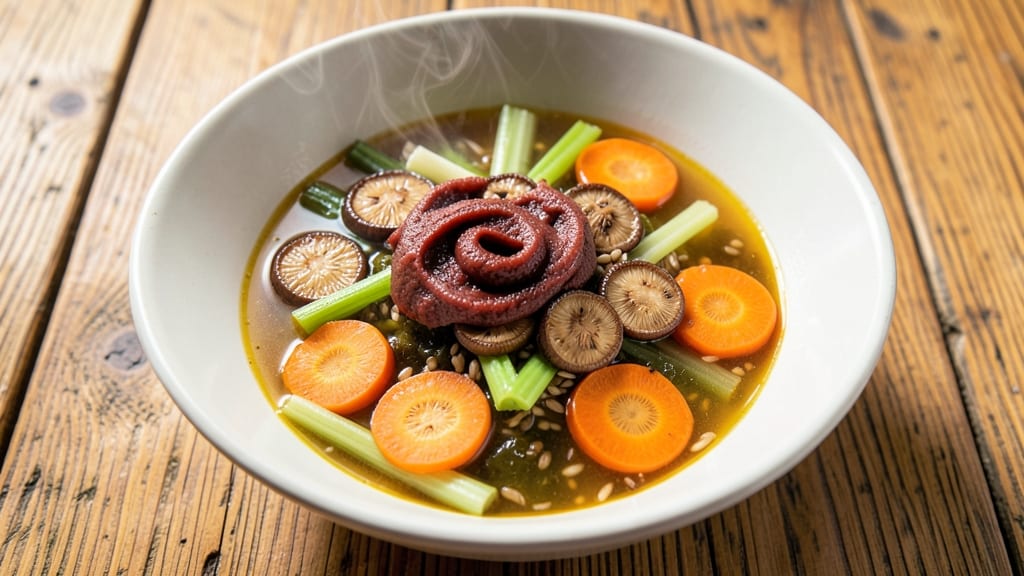
Ann Wigmore’s Energy Soup is the ultimate macrobiotic powerhouse—packed with fermented crunch, nutrient-dense vegetables, and a broth that nourishes from the inside out. This traditional recipe transforms simple ingredients like celery, carrots, and miso into a probiotic-rich elixir that supports digestion and immunity.
The secret lies in the fermentation process, which amplifies flavor and unlocks the food’s healing potential.
What sets this soup apart is its balance of texture and nutrition: crisp celery crowns provide satisfying crunch, while the blended broth delivers a wave of umami and immune-boosting properties.
Unlike typical soups, this one relies on whole grains and fermented elements—like miso and seaweed—to create a dish that’s as beneficial as it is delicious. The preparation method is precise but straightforward, ensuring you capture all the healthful qualities.
By the time you finish this recipe, you’ll have a vibrant, nutrient-dense soup that’s perfect for meal prep or serving as a light, satisfying main course. The broth is rich yet light, the celery crowns add a satisfying bite, and every spoonful delivers a concentrated dose of wellness.
This is the kind of dish that aligns with macrobiotic principles while still feeling indulgent.
Pair it with steamed rice or a side of miso soup for a complete, balanced meal. The fermentation process can be adjusted based on your preference for tanginess, but the core technique remains the same—simple, effective, and deeply nourishing. Let’s get started on this transformative recipe.
Ingredients for ann wigmore energy soup
Transform simple whole foods into a fermented, nutrient-packed macrobiotic elixir with these fourteen ingredients.
| Ingredient | Amount | Notes |
|---|---|---|
| Organic Celery Stalks 🧅 | 12 whole | Fresh, crisp crowns reserved |
| Organic Carrots 🥕 | 3 medium | Whole, organic preferred |
| Red Miso Paste 🍶 | 2 tbsp | Fermented, 100% organic |
| Dried Kombu Seaweed 🍃 | 1 sheet | High-quality, whole sheet |
| Organic Brown Rice 🌾 | ½ cup | Uncooked, whole grain |
| Fresh Shiitake Mushrooms 🍄 | 6 whole | Stemmed, organic preferred |
| Fresh Ginger Root 🌿 | 1 inch | Freshly peeled, sliced thin |
| Fresh Ginger Root 🌿 | 1 ½ oz | Freshly peeled, sliced thin |
| Organic Green Onions 🧅 | 3 whole | Green parts only, chopped |
| Organic Sesame Seeds 🌾 | 1 tbsp | Toasted, for garnish |
| Filtered Water 💧 | 8 cups | For broth preparation |
| Organic Apple Cider Vinegar 🍎 | 1 tbsp | Raw, unfiltered preferred |
| Sea Salt 🧂 | 1 tsp | Diamond Crystal preferred |
| Organic Sesame Oil 🫒 | 1 tbsp | For finishing, toasted |
The kombu seaweed and miso are the heart of this soup’s umami depth. Look for organic kombu sheets at specialty stores or online—avoid pre-cut pieces, which lose potency. Miso should be smooth and fermented at least 12 months; the deeper the color, the richer the flavor. Organic brown rice is non-negotiable here—it provides the chewy texture and slow-release energy that white rice lacks. For ginger, freshly peeled and sliced within 10 minutes of cooking preserves its volatile oils, which are crucial for digestion. If you can’t find organic vegetables, thoroughly wash conventional produce to remove pesticide residues.
No kombu? Dulse flakes at half the amount provide a similar mineral profile, though with less body. Substitute shiitake mushrooms with cremini or oyster mushrooms, but reduce to 4 whole for milder flavor. The apple cider vinegar can be swapped for lemon juice at the same quantity, though it lacks the probiotic benefits. For sesame oil, toasted sesame oil is essential—regular sesame oil lacks the nutty depth. If you’re short on time, pre-ferment the celery crowns for 24 hours in salted water to jumpstart the probiotic process. The broth can be made ahead and stored for 3 days in the refrigerator, though flavor peaks at day 2.
Store the celery crowns in a sealed container with a damp paper towel to maintain crispness for 4-5 days. The blended broth keeps for 5 days in the fridge or 3 months frozen in airtight containers. For meal prep, assemble the soup fresh daily—this preserves the delicate fermentation balance. The miso paste should be kept in the refrigerator after opening, and the kombu sheet stored in a cool, dark place in an airtight container. Toast your sesame seeds in a dry pan for 2-3 minutes until golden for maximum flavor.
Why You'll Love This Recipe
- No-Chop Nightmare: That kombu seaweed does all the work—just soak it, toss it in, and let it dissolve into rich umami magic. No knife skills required, just a quick chop of celery and carrots (or even pre-cut veggies if you’re really tired).
- Umami Bomb: The red miso paste isn’t just flavor—it’s a deep, savory punch that sticks with you. Pair that with the kombu’s oceanic depth, and suddenly your soup tastes like a hug from a Japanese grandmother (but make it vegan).
- Lunchbox Hero: Between us, this soup reheats like a dream and keeps for days. Pack it in thermoses for work or school—it’s the only meal that stays warm, nourishing, and actually exciting by day three.
- Pantry Staple Gold: Brown rice? Check. Carrots? Check. Miso? Probably already in your fridge. This recipe turns basic ingredients into something special without breaking the bank (or your grocery budget).
Step-by-step instructions for Ann Wigmore's energy soup
Transform simple ingredients into a nutrient-dense elixir following Ann Wigmore's principles of raw food vitality.
Prepare the Celery Crowns and Kombu Broth
Begin by cutting the crisp crowns from all 12 whole organic celery stalks, reserving them for garnish. Discard the fibrous bottoms or save for stock. In a large pot, combine the 8 cups filtered water, 1 sheet dried kombu seaweed, and 1 tsp sea salt. Bring to a gentle simmer over medium-low heat for 15 minutes, allowing the kombu to release its mineral-rich essence into the broth.
The kombu should soften noticeably but remain intact—this indicates proper hydration. If the broth develops a strong seaweed aroma, reduce heat slightly to prevent over-extraction. Strain the kombu after simmering, pressing gently to release all nutrients, then return the liquid to the pot. This broth forms the foundation of the soup's immune-boosting properties.
Sauté Aromatics and Add Miso
In the same pot, add the 3 medium organic carrots (cut into thick rounds), 6 whole fresh shiitake mushrooms (stems removed), 1 inch fresh ginger root (sliced thin), and 1.5 oz fresh ginger root (sliced thin). Sauté over medium heat for 8-10 minutes until the carrots soften and mushrooms release their umami depth. Stir occasionally to prevent sticking.
Once the vegetables are tender but not mushy, reduce heat to low and stir in the 2 tbsp red miso paste, whisking until fully dissolved. The miso will darken the broth slightly, creating a rich, fermented depth. Avoid boiling—gentle heat preserves the probiotic benefits of the miso while enhancing flavor. Here's where the soup transforms from simple broth to complex, nutrient-dense elixir.
Incorporate Rice and Green Onions
Add the 0.5 cup organic brown rice and 1 tbsp organic apple cider vinegar to the pot. The vinegar brightens the flavors while supporting digestion. Bring the mixture to a gentle boil, then reduce heat to low and simmer uncovered for 30-35 minutes, stirring occasionally, until the rice is tender and the liquid has reduced slightly but remains brothy.
In the final 5 minutes of cooking, add the 3 whole organic green onions (chopped), reserving the tops for garnish. The green onions will infuse the soup with fresh, grassy notes while the rice absorbs the remaining liquid. Taste the broth—it should be seasoned but not overpowering, with a balance of earthy, umami, and slightly tangy flavors.
Finish with Sesame Oil and Garnish
Remove the pot from heat and stir in the 1 tbsp organic sesame oil, allowing it to warm through the soup. The sesame oil adds a nutty richness and helps bind the ingredients together. Ladle the soup into bowls, garnishing each serving with the reserved celery crowns and sesame seeds. The celery crowns provide a satisfying crunch, while the sesame seeds add a final toasted note.
Serve immediately while the soup is warm but not boiling—this preserves the delicate flavors and textures. The combination of raw celery crowns, fermented miso, and mineral-rich kombu creates a dish that aligns with Ann Wigmore's philosophy of raw food vitality while delivering substantial nutritional benefits in every spoonful.
Pro Tips For Making Ann Wigmore Energy Soup
- SOAK THE KOMBU FIRST: I learned this the hard way—tossing dried kombu straight into the pot means it’ll just sit there like a soggy leaf. Instead, steep it in 2 cups of hot water for 10 minutes before adding to the broth. This draws out the umami depth and prevents that "fishy aftertaste" some people get when they skip this step.
- SALT THE MISO WATER: The miso paste needs to dissolve properly, and the easiest way is to mix it with a splash of hot broth first. I used to just stir it in at the end, and it’d clump like glue. Whisk it into ½ cup of hot broth before adding to the pot—this guarantees a smooth, silky texture without any grit.
- CHOP VEGETABLES UNIFORM: This isn’t a stew—you want those celery and carrots to stay intact, not turn to mush. Cut them into 2-inch batons (not too thick, not too thin) so they cook evenly but don’t fall apart. If you’re impatient like me, resist the urge to overcrowd the pot—give them space to simmer, not steam.
- USE BROWN RICE, NOT WHITE: I know, it takes longer, but white rice will turn to paste in this broth. Brown rice holds its shape and adds chewiness, which balances the soup’s richness. Rinse it well first (to remove surface starch) and add it during the last 30 minutes of cooking—this guarantees it’s tender but not mushy. (Yes, even if you’re in a rush.)
Best sauces and condiments for ann wigmore energy soup
Miso Paste Elevation
The red miso paste in this recipe isn’t just a seasoning—it’s the soul of the soup’s fermented depth. I recommend using Miso Master red miso from your local Asian market for its rich, complex flavor profile.
Stir it in at the end of sautéing to preserve its probiotic properties, as heat above 120°F can degrade some beneficial enzymes. For extra umami, add ½ tsp white miso alongside the red—this creates a layered flavor that’s both savory and slightly sweet. 🍶
Seaweed Broth Boost
The dried kombu seaweed transforms this soup into a mineral powerhouse. Soak it in cold water for 10 minutes before simmering to extract its natural glutamates and minerals without overcooking. If you can’t find kombu, dulse flakes work in a pinch—use half the amount for a similar mineral kick.
The kombu broth should have a subtle oceanic aroma; if it smells too strong, reduce the simmer time by 2-3 minutes.
Ginger-Garlic Fusion
Fresh ginger isn’t just for flavor—it’s a digestive aid that complements the miso’s fermentation. I like to peel and slice the ginger just before cooking to preserve its volatile oils. For extra depth, add 1 minced garlic clove along with the ginger.
If you’re sensitive to spice, reduce the ginger to ½ inch—but don’t skip it entirely, as it balances the soup’s earthy notes. 🌿
Sesame Oil Finish
The toasted sesame oil is where this soup gets its luxurious finish. Heat it separately in a small pan until it shimmers (just before smoking) to deepen its nutty aroma. Drizzle it over the soup at the very end—this prevents it from cooking off and losing its delicate flavor.
For a lighter touch, reduce to ½ tbsp and add a pinch of toasted sesame seeds instead. The contrast of raw celery crowns and toasted sesame creates a perfect textural balance. 🌾
Apple Cider Vinegar Brightener
The apple cider vinegar isn’t just for acidity—it enhances the probiotic benefits of the miso and kombu. Use raw, unfiltered vinegar like Bragg for its live enzymes. If you prefer a milder tang, swap for lemon juice at the same quantity, though it lacks the vinegar’s digestive enzymes.
Add it in the final 5 minutes of cooking to preserve its potency. 🍎
Fermented Crunch Add-Ons
For an extra probiotic boost, serve with fermented pickles or kimchi on the side. The tangy crunch complements the soup’s earthy flavors while adding live cultures. I like homemade sauerkraut for its mild sourness.
If you’re feeling adventurous, blend ½ cup fermented carrots** directly into the broth for a sweeter, probiotic-rich twist. The fermentation process amplifies the soup’s healing properties. ✨
Nutrition facts
Frequently asked questions
Why does this soup require fermented ingredients like miso and kombu?
Fermented elements like miso and kombu are the heart of this macrobiotic dish. They provide live probiotics that support gut health, enhance digestion, and boost immunity. The fermentation process also creates natural preservatives, making the soup more shelf-stable while deepening its umami flavor profile. Think of it as nature's way of pre-digesting the food for you!
Can I make this soup without kombu seaweed?
Yes, but you'll lose some of the soup's mineral richness. Use ½ cup dulse flakes instead for a similar oceanic flavor, though the texture will differ slightly. The kombu's natural glutamates also create that signature umami depth that's hard to replicate. If you're avoiding seaweed entirely, focus on boosting other mineral sources like extra mushrooms or bone broth (if not vegan).
How long should I ferment the celery crowns for maximum probiotic benefits?
For optimal probiotic development, ferment the celery crowns in salted water for 24-48 hours at room temperature. The longer they ferment (up to 72 hours), the more tangy and complex the flavor becomes. Store them in an airtight container with a weight to keep them submerged. Remember, the fermentation process continues even when refrigerated—just slows down significantly.
What's the best way to store leftovers to maintain freshness?
Store the blended broth separately from the celery crowns in airtight containers. The broth keeps well in the refrigerator for 5 days or frozen for 3 months. Refrigerate the celery crowns in their fermenting liquid with a damp paper towel to maintain crispness for 4-5 days. When reheating, warm gently on low heat—never microwave—to preserve the delicate fermentation balance and prevent texture loss.
Can I adjust the spice level in this recipe?
The ginger provides natural heat, so you can reduce it to ½ inch for a milder version. For extra warmth, add a pinch of cayenne or fresh chili flakes. The miso already contains some natural heat—white miso is milder than red. Remember, the fermentation process creates its own subtle tanginess, so don't overcompensate with additional spices.