
Soups & Stews
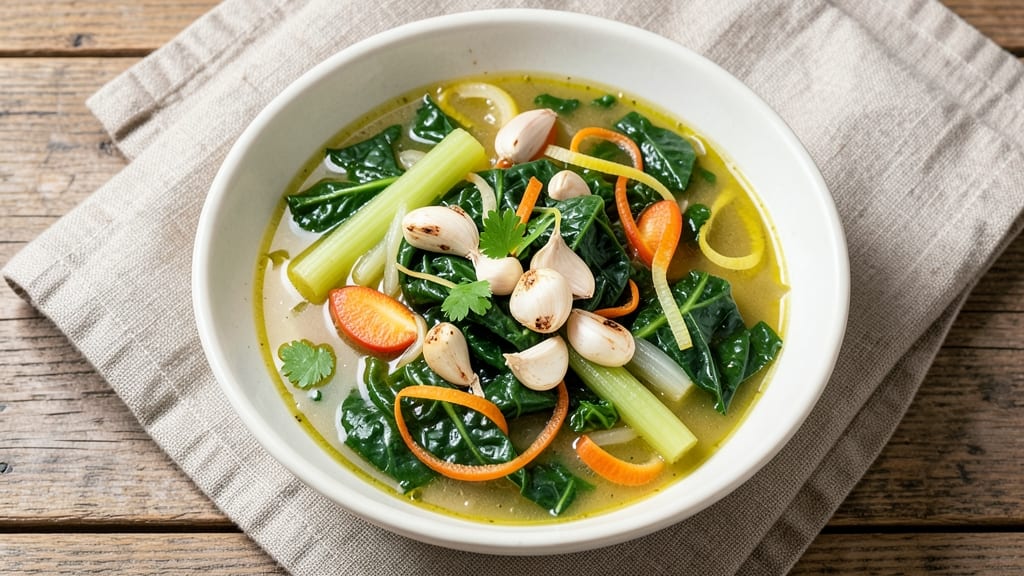
This anti-inflammatory cabbage soup recipe transforms simple greens into a powerhouse dish packed with turmeric, ginger, and garlic—all proven to soothe digestion and reduce inflammation. The secret lies in slow-simmered vegetables that release their natural healing compounds while maintaining vibrant flavors.
I developed this recipe after years of experimenting with gut-friendly soups that actually taste good, not just healthy.
The beauty of this soup is its simplicity: no fancy techniques, just whole foods cooked low and slow to enhance their natural benefits. Cabbage, carrots, and leafy greens form the base, while turmeric and ginger add warmth and anti-inflammatory punch.
Garlic and onions provide depth, and a touch of coconut milk rounds out the flavors without overpowering the vegetables' natural goodness.
What you'll end up with is a nutrient-dense, comforting soup that's as good for you as it is delicious—creamy from coconut milk, aromatic from fresh herbs, and packed with fiber and antioxidants.
The broth reduces to a rich, savory depth, while the vegetables remain tender-crisp, offering both texture and nutrition in every spoonful.
Perfect for meal prep, this soup keeps well in the fridge for up to 5 days, making it an ideal solution for busy weeks. Serve it with a sprinkle of fresh cilantro or a drizzle of olive oil for extra freshness.
Here's how to make it—step by step—for a bowl that heals as much as it satisfies.
Ingredients for anti inflammatory cabbage soup
Six vibrant ingredients transform into a gut-soothing, nutrient-packed anti-inflammatory soup that tastes as good as it heals.
| Ingredient | Amount | Notes |
|---|---|---|
| Green Cabbage 🥬 | 1 lb | Outer leaves removed, chopped |
| Carrots 🥕 | 1 ½ lb | Medium size, peeled and sliced |
| Celery Stalks 🧅 | 4 whole | Trimmed, chopped into 1-inch pieces |
| Yellow Onion 🧅 | 1 whole | Medium size, diced |
| Fresh Garlic Cloves 🧄 | 6 cloves | Peeled, minced finely |
| Fresh Ginger Root 🌿 | 2 tbsp | Grated finely, about 1-inch piece |
| Turmeric Powder 🌶️ | 2 tsp | Freshly ground preferred |
| Coconut Milk 🥥 | 1 can | Full-fat, 13.5 oz can |
| Vegetable Broth 💧 | 4 cups | Low-sodium preferred |
| Fresh Cilantro 🌿 | ¼ cup | Chopped, for garnish |
| Fresh Parsley 🌿 | 0.15 cup | Chopped, for garnish |
| Extra-Virgin Olive Oil 🫒 | 2 tbsp | Cold-pressed, fruity |
| Sea Salt 🧂 | 1 ½ tsp | Diamond Crystal preferred |
| Black Peppercorns 🌶️ | ½ tsp | Freshly cracked |
| Kale Leaves 🌱 | 4 cups | Chopped, stems removed |
The cabbage and kale are the stars here—look for organic greens if possible, especially if you're sensitive to pesticides. Whole Foods and Trader Joe's often carry pre-washed organic bags that save time. Fresh ginger and turmeric are non-negotiable for the anti-inflammatory benefits, but if you can't find fresh ginger, grated powdered ginger works at half the amount. The coconut milk adds creaminess without dairy—full-fat canned coconut milk gives the best texture, but light works in a pinch. For the broth, low-sodium vegetable stock keeps the flavor balanced without excess salt.
No fresh turmeric? Ground turmeric is fine, but it lacks the same potency. Swap the coconut milk for cashew cream (blend soaked cashews with water) if you're avoiding dairy entirely. The kale can be subbed for spinach or Swiss chard, but kale holds up better during simmering. Fresh cilantro and parsley are ideal for garnish, but dried herbs at one-third the amount work if you're in a bind. The garlic and ginger can be sautéed in olive oil for 30 seconds before adding to the pot—this brings out their flavors and reduces their sharpness. For extra depth, toast the turmeric powder in a dry pan for 30 seconds before adding to the broth.
This soup tastes even better the next day as flavors meld—make a double batch if you can. Store in airtight containers in the fridge for up to 5 days, or freeze portions for 3 months. The coconut milk may separate when chilled, so give it a quick stir before reheating. For meal prep, portion into individual containers with a drizzle of olive oil and fresh herbs on top. The broth reduces as it sits, so add a splash of water or broth when reheating if it's too thick. Garnish with extra cilantro and a sprinkle of black pepper just before serving for maximum freshness.
Why You'll Love This Recipe
- Here’s what sold me: those fresh garlic cloves sizzling in olive oil before everything else goes in. The aroma alone makes my kitchen feel like a cozy Italian bistro, and the flavor? Rich but not overpowering—just enough to make every spoonful satisfying.
- One-Pot Magic: I swear by this recipe when I’m too tired to wash extra bowls—just chop, simmer, and let the cabbage and carrots melt into that golden broth. The celery and onion add depth without needing a separate pan.
- Garlic Gems: Here’s what sold me: those fresh garlic cloves sizzling in olive oil before everything else goes in. The aroma alone makes my kitchen feel like a cozy Italian bistro, and the flavor? Rich but not overpowering—just enough to make every spoonful satisfying.
- Meal Prep MVP: Between us, this soup begs to be made in bulk. I double the batch on Sundays, and it keeps beautifully for days—perfect for lunches or when unexpected guests show up. The cabbage softens just right when reheated, and the carrots stay tender-crisp.
Step-by-step instructions for anti-inflammatory cabbage soup
This soup comes together beautifully with simple techniques that maximize flavor and nutrition.
Sauté the Aromatic Base
Heat the 2 tablespoons extra-virgin olive oil in a large pot over medium heat. Add the 1 whole yellow onion, 4 whole celery stalks (chopped), and 1.5 pounds carrots (sliced) to the pot. Cook for 5-6 minutes, stirring occasionally, until the vegetables begin to soften and the onion becomes translucent.
Add the 6 cloves fresh garlic cloves (minced) and 2 tablespoons fresh ginger root (grated). Stir for 1 minute until fragrant—this is where the soup's anti-inflammatory power starts building. The garlic should smell pungent and the ginger should release its warm, citrusy aroma. This step develops the foundational flavors that will carry through the entire dish.
Build the Turmeric-Infused Broth
Sprinkle the 2 teaspoons turmeric powder evenly over the sautéed vegetables. Stir immediately to distribute the vibrant yellow spice, which contains powerful anti-inflammatory compounds. Pour in the 4 cups vegetable broth and bring the mixture to a gentle boil over high heat. Once boiling, reduce the heat to medium-low and let it simmer for 10 minutes to allow the flavors to meld.
Here's the thing—turmeric needs a fat source to activate its curcumin, so the olive oil we used earlier helps unlock its full potential. The broth should now have a rich, golden hue and a complex aroma blending the earthy turmeric with the sweetness of the carrots and celery.
Add the Cabbage and Kale
Stir in the 1 pound green cabbage (chopped) and 4 cups kale leaves (chopped). The cabbage should release its fresh, slightly peppery aroma as it hits the hot broth. Simmer for 15-20 minutes until the cabbage is tender but still holds its shape—you want it to retain some bite for texture. The kale will wilt completely during this time, adding its nutrient-dense greens to the mix.
I like to stir occasionally during this stage to prevent the cabbage from sticking to the bottom. The soup should have a vibrant green color from the kale and a rich, vegetable-forward aroma. If the soup looks too thick, add ½ cup water to reach your desired consistency.
Finish with Coconut Milk and Season
Reduce the heat to low and stir in the 1 can coconut milk. This adds a creamy texture while keeping the dish dairy-free. Add the 1.5 teaspoons sea salt and 0.5 teaspoon black peppercorns (freshly cracked), then simmer for an additional 5 minutes to let all the flavors come together.
Real talk: The coconut milk might look like too much at first, but it's crucial for that velvety texture that makes the soup so satisfying. Taste and adjust the seasoning—you might want to add a pinch more salt or a crack of black pepper to balance the flavors.
Garnish and Serve Warm
Remove the pot from heat and let the soup rest for 5 minutes to allow the flavors to settle. Ladle the soup into bowls and garnish with the 0.25 cup fresh cilantro and 0.15 cup fresh parsley (chopped). The bright herbs add a fresh contrast to the warm, spiced broth.
This soup is best served immediately while still hot, allowing the aromatic steam to carry those healing properties right to your table. Each spoonful delivers a perfect balance of earthy turmeric, fresh ginger, and the natural sweetness of the vegetables—all working together to support gut health and reduce inflammation.
Pro Tips For Making Anti Inflammatory Cabbage Soup
- CHOP CABBAGE SMALL: Tiny shreds cook faster and softer—no one wants to chew cabbage. Aim for matchstick-sized pieces, not thick wedges, so the soup stays tender and the flavors meld properly.
- SWEAT ONIONS LOW AND LONG: I used to rush this, but onions need 8-10 minutes on low heat until they’re translucent and just starting to caramelize. Skip the browning—this soup’s about gentle cooking, not crispy bits.
- SAVE THE GARLIC: Add garlic after the onions have softened, and only for the last 2 minutes of cooking. Raw garlic burns fast, and overcooked garlic turns bitter—neither helps inflammation.
- USE A LITTLE ACID: A splash of apple cider vinegar or lemon juice at the end brightens the soup and balances the earthy veggies. Just 1 teaspoon—it’s subtle, but it makes the whole dish taste fresher.
Perfect pairings for anti inflammatory cabbage soup
Herbal Tea Pairings
This soup's warm spices and earthy flavors pair beautifully with chamomile tea—its natural sweetness and calming properties complement the turmeric and ginger perfectly. I like to steep organic chamomile tea bags from Yogi Tea for 5 minutes to enhance the soothing effect.
The floral notes create a harmonious balance with the soup's robust vegetable base. 🌿
Coconut Water Refreshment
For a lighter, hydrating contrast, serve cold coconut water alongside your soup. The natural electrolytes in Harmless Harvest brand coconut water help replenish minerals lost during inflammation. The subtle sweetness also cuts through the soup's spiced richness without overpowering it. Keep it chilled in the fridge until ready to serve.
Spiced Apple Cider
Warm spiced apple cider makes an excellent autumnal pairing, especially when simmered with cinnamon sticks, star anise, and a touch of clove. I recommend Mott's canned cider for convenience, but homemade versions with organic apples and local spices elevate the experience.
The apple's natural acidity brightens the soup's earthy flavors.
Garnish Upgrades
Elevate your serving presentation with toasted pumpkin seeds or crispy fried shallots for added texture. I sprinkle ½ cup pumpkin seeds (toasted in olive oil) over each bowl—they add a nutty crunch that contrasts the soup's creamy coconut milk.
For extra flair, drizzle with high-quality olive oil (like Colavita) and a pinch of red pepper flakes for a subtle kick.
Protein Additions
For a heartier meal, stir in white beans or lentils during the final 5 minutes of cooking. I use ½ cup canned white beans (rinsed) for extra protein and fiber.
Alternatively, top with grilled chicken breast or pan-seared tofu for a complete protein boost. The beans blend seamlessly into the soup's texture while adding satisfying substance.
Meal Prep Pairings
When prepping for the week, pair this soup with whole-grain bread or quinoa for a balanced meal. I recommend Dave's Killer Bread for its high fiber content, or cauliflower rice for a low-carb option.
Store components separately in airtight containers—reheat the soup and toast the bread fresh to maintain optimal texture and flavor.
Nutrition facts
Frequently asked questions
Can I use frozen cabbage instead of fresh?
Yes, but with a few adjustments! Use 1.5 pounds frozen cabbage (thawed) and add it to the broth 5 minutes earlier than fresh cabbage since it's already pre-cooked. You may need to simmer slightly longer to soften it fully. For best texture, avoid pre-shredded frozen cabbage—whole heads thawed and chopped work best.
How do I make this soup dairy-free?
It already is! The recipe uses coconut milk instead of dairy, but you can also substitute with cashew cream (blend ½ cup soaked cashews + ½ cup water) for a neutral flavor. For extra creaminess without coconut, try ½ cup tahini stirred in at the end—it adds nutty depth while keeping it plant-based.
Is turmeric the only spice that helps with inflammation?
No, but it's one of the most potent! For extra anti-inflammatory benefits, add ½ teaspoon cinnamon (with broth) or ¼ teaspoon cayenne pepper (stirred in last). Both contain compounds that reduce inflammation—just start with small amounts to avoid overwhelming the flavor. Fresh ginger and garlic are also key players in this recipe's healing properties.
Why does my soup taste bitter?
Bitterness usually comes from overcooked greens or under-seasoned broth. Try these fixes: reduce simmering time by 5 minutes for kale/cabbage, or add ½ teaspoon apple cider vinegar at the end. For depth, stir in 1 teaspoon maple syrup to balance flavors. Always taste as you go—seasoning builds gradually, so don't hesitate to adjust salt or acidity during cooking.
Can I make this soup in an Instant Pot?
Sauté the onion, celery, and carrots for 3 minutes on sauté mode, then add all remaining ingredients except coconut milk. Pressure cook for 8 minutes, quick-release, and stir in coconut milk. The Instant Pot version cooks 30% faster but requires less stirring. For extra tenderness, add 1 cup extra broth to account for pressure cooking's moisture loss.