
Soups & Stews
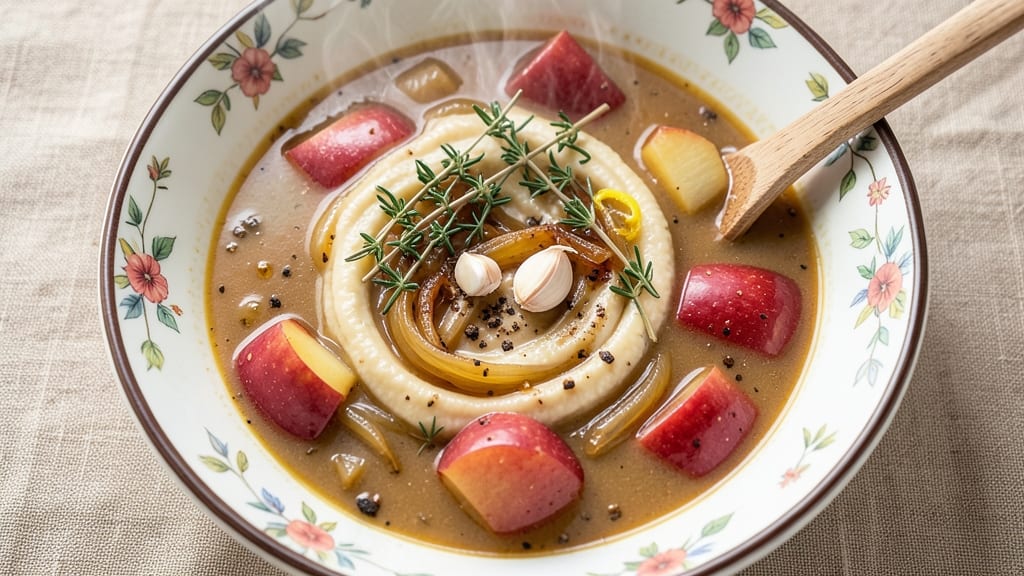
This apple rutabaga soup recipe transforms humble ingredients into a velvety, comforting bowl that balances sweet apple with earthy rutabaga in perfect harmony. The secret lies in caramelizing onions until deep golden—this foundational step builds the soup's rich, complex flavor before the vegetables and apples take center stage.
What begins as a simple simmer evolves into something deeply satisfying, with the rutabaga's natural sweetness and apple's crispness blending into a silky broth that feels like a warm hug in a bowl.
The beauty of this recipe is its simplicity: no fancy techniques, just thoughtful layering. You'll sauté onions until they're sweet and jammy, then add rutabaga and apples to develop their flavors before introducing broth and herbs.
The result is a soup that's naturally sweet yet balanced, with a texture that's smooth enough to sip or hearty enough to serve with crusty bread. It's the kind of dish that tastes even better the next day as flavors meld further.
What makes this soup truly special is how it elevates ordinary ingredients into something extraordinary. The rutabaga, often overlooked, becomes the star with its nutty depth, while the apples add just enough brightness to cut through the richness.
Seasoned simply with thyme and a touch of salt, the soup lets the vegetables shine without overwhelming them. This is comfort food at its finest—simple, nourishing, and impossible to resist.
Serve it with a drizzle of cream for extra richness or keep it light with a sprinkle of fresh herbs. The possibilities for customization are endless, but the core technique remains the same: build flavor slowly, let the ingredients work together, and enjoy the result.
Perfect for chilly evenings or as a light lunch, this soup is a testament to how thoughtful cooking can turn simple ingredients into something truly memorable.
Ingredients for apple rutabaga soup
Transform humble pantry staples into velvety soup with this earthy-sweet apple rutabaga blend.
| Ingredient | Amount | Notes |
|---|---|---|
| Yellow Onions 🧅 | 1 ½ lb | Diced, medium size preferred |
| Rutabagas 🥕 | 2 lb | Peeled, cubed, skin removed |
| Apples 🍎 | 2 medium | Sweet variety, cored, peeled |
| Vegetable Broth 💧 | 4 cups | Low-sodium preferred |
| Fresh Thyme 🌿 | ¼ cup | Stems removed, chopped |
| Garlic Cloves 🧄 | 4 cloves | Minced for depth |
| Extra-Virgin Olive Oil 🫒 | ¼ cup | For sautéing onions |
| Salt 🧂 | 1 tsp | Diamond Crystal preferred |
| Black Pepper 🌶️ | ½ tsp | Freshly ground |
| Heavy Cream 🥛 | ½ cup | Optional for richness |
| Fresh Parsley 🌿 | 0.1 cup | Chopped, for garnish |
| Honey 🍯 | 1 tbsp | For subtle sweetness |
| Apple Cider Vinegar 🍏 | 1 tbsp | Balances flavors |
The rutabagas and apples are the heart of this soup, so choose firm, fresh rutabagas—they should feel heavy for their size, with no soft spots. Granny Smith apples add tartness, but any sweet variety works. For the onions, Yellow Sweet Onions from Whole Foods caramelize beautifully, but regular yellow onions work fine. The broth matters too—low-sodium vegetable broth ensures you control the seasoning. Pro tip: Peel rutabagas thinly with a paring knife to preserve their natural sweetness. If you can't find fresh thyme, dried thyme at one-third the amount works in a pinch.
No rutabagas? Substitute with turnips or parsnips, though the flavor profile shifts slightly. Apples can be swapped for pears or even cooked sweet potatoes for a different texture. Short on broth? Water plus a bouillon cube gets you close. The honey and apple cider vinegar are optional but elevate the soup's balance—skip them if you prefer a more rustic flavor. For extra richness, coconut milk instead of heavy cream works beautifully in vegan versions. The key is patience: let the onions caramelize until deep golden for maximum depth.
This soup tastes even better the next day as flavors meld. Store in an airtight container in the fridge for up to 5 days or freeze for 3 months. For freezing, portion into single servings before sealing. Garnish with fresh parsley just before serving to keep it vibrant. The cream, if using, should be added at the very end to prevent curdling. For a lighter version, omit it entirely—the vegetables shine on their own.
Why You'll Love This Recipe
- One-Pot Magic: I swear by this recipe because it’s actually one-pot—no chopping boards to clean, no extra pans. Just dice the onions, peel the rutabagas, core the apples, and toss everything in one pot. The broth does all the work while you stir once or twice.
- Sweet-Savory Balance: That crisp apple bite cutting through the earthy rutabaga? It’s like autumn in a bowl. The thyme adds a bright herbal note that makes it taste way more gourmet than it is—honestly, I’ve had people ask if it’s from a restaurant.
- Meal Prep MVP: This soup only gets better after a day or two in the fridge. I make a big batch on Sundays, and by Wednesday, it’s the coziest, most flavorful thing in my kitchen. Freezes beautifully too—just reheat and serve.
- Budget Cozy: Rutabagas and apples are cheap right now, and vegetable broth stretches this into a full meal. Between us, this is my go-to when I’m broke but still want something that feels like a hug in a mug. (Yes, even on a Tuesday night.)
Step-by-step instructions for apple rutabaga soup
Transform humble ingredients into a velvety soup where sweet apples and earthy rutabagas create perfect balance.
Develop the Aromatic Base
Heat the 0.25 cup extra-virgin olive oil in a large Dutch oven over medium heat. Add the 1.5 lb diced yellow onions and cook for 8-10 minutes until softened and translucent, stirring occasionally. The onions should release their natural sweetness and develop a golden hue.
Add the 4 cloves minced garlic and 0.25 cup chopped fresh thyme, cooking for another 1-2 minutes until fragrant. This foundational step builds flavor depth that carries through the entire soup. If you notice the garlic begins to brown too quickly, reduce heat slightly to prevent bitterness.
Sauté Rutabagas and Apples
Increase heat to medium-high and add the 2 lb cubed rutabagas and 2 peeled, cored apples cut into chunks. Sauté for 5-6 minutes, stirring occasionally, until the rutabagas begin to soften at the edges. The apples should release their juices and start to caramelize slightly, adding natural sweetness to the base.
Real talk: rutabagas can vary in size, so larger cubes may need an extra minute or two. This is where patience pays off—they'll become silky smooth when properly cooked. If you see the rutabagas sticking to the pot, add a splash of vegetable broth to deglaze and maintain even cooking.
Simmer with Broth and Seasonings
Pour in the 4 cups vegetable broth, scraping up any browned bits from the bottom of the pot. Add the 1 tsp salt and 0.5 tsp black pepper, then bring to a gentle boil. Once boiling, reduce heat to low and let the soup simmer uncovered for 30-35 minutes, stirring occasionally.
You'll know it's ready when the rutabagas and apples are fork-tender and the soup has thickened slightly. The mixture should smell like a cozy autumn harvest—earthy, sweet, and slightly herbal. If the soup reduces too quickly, add a little water to maintain the proper consistency for blending.
Blend to Silky Perfection
Using an immersion blender, carefully blend the soup directly in the pot until completely smooth. For a completely silky texture, strain through a fine-mesh sieve if desired. Return the soup to the pot and stir in the 1 tbsp honey and 1 tbsp apple cider vinegar, balancing the sweet and tart notes.
This is where the magic happens—the honey enhances the natural sweetness of the apples while the vinegar brightens the earthy rutabagas. Taste and adjust seasoning if needed, remembering that the cream will add richness in the next step. The soup should be harmonious but still have room for the final touch.
Finish with Cream and Garnish
Reduce heat to low and gently stir in the 0.5 cup heavy cream, allowing it to warm through for 2-3 minutes without boiling. The cream should blend seamlessly, adding a luxurious mouthfeel while maintaining the soup's integrity. If you prefer a lighter version, you can omit the cream and simply stir in a bit more broth.
Ladle the soup into bowls and garnish with 0.1 cup chopped fresh parsley for color and freshness. The parsley not only looks beautiful but also adds a subtle herbal note that complements the other flavors. Serve immediately while hot, as the flavors continue to meld and develop with each spoonful.
Pro Tips For Making Apple Rutabaga Soup
- Brown the Onions Properly: Don’t just soften them—cut onions into ¼-inch slices and cook them in a dry pot over medium heat until deep golden, not just translucent. I learned this the hard way when my soup tasted dull; caramelized onions add sweetness and depth that raw or pale onions can’t match.
- Peel and Cube Rutabagas Evenly: Skip the skin—it’s tough and bitter—but cut the flesh into ½-inch cubes for consistent cooking. Uneven pieces mean some will turn mushy while others stay underdone. My grandmother swore by this, and she was right: uniform size guarantees smooth texture.
- Add Apples at the End: Toss in peeled, cored apples (like Honeycrisp or Fuji) only in the last 5 minutes of simmering. They’ll soften just enough to sweeten the soup without turning to mush. I was skeptical until I tried it—now I resist the urge to add them earlier.
- Strain for Smoothness (Optional): If you prefer a silky texture, strain half the soup through a fine-mesh sieve before blending. This isn’t the prettiest method, but it’s the tastiest when you want a velvety finish. Save the solids for a quick stir-in later if you like chunks.
Wine and beer pairings for apple rutabaga soup
Apple Cider Harmony
Nothing complements this sweet-and-earthy soup better than a crisp apple cider with a hint of spice. I love pairing it with Woodchuck Hard Cider from Vermont—its dry finish cuts through the soup's richness while enhancing the apple notes.
For a non-alcoholic option, Martinelli's Sparkling Apple Cider adds effervescence that cleanses your palate between spoonfuls. 🍎
Dry White Wonders
A dry Riesling from Germany or Alsace brings perfect acidity to balance the soup's natural sweetness. Look for a Dr. Loosen Blue Slate or Trimbach Riesling—these wines have enough mineral notes to stand up to the rutabaga's earthiness while complementing the apples.
Serve slightly chilled (45-50°F) to highlight their crispness.
Malbec Magic
For red wine lovers, a medium-bodied Malbec from Argentina delivers surprising harmony. The Catena Zapata Malbec offers dark fruit notes that mirror the apples while its velvety texture pairs beautifully with the soup's creamy finish.
Decant for 30 minutes to soften any tannins—this makes all the difference with heartier soups. 🍷
Hoppy Beer Pairings
A wheat beer with citrus notes works beautifully—try Allagash White or Blue Moon. The banana and orange flavors in these beers echo the apple's sweetness while the beer's light body prevents the soup from feeling too heavy.
For a darker option, a amber ale like Fat Tire adds caramel undertones that complement the caramelized onions in the soup.
Seasonal Spirits
During autumn, I often serve this soup with a bourbon old-fashioned—the caramel and vanilla notes in bourbon like Buffalo Trace enhance the soup's sweetness. For a lighter option, a gin-based apple martini with fresh thyme garnish mirrors the soup's herbal and fruity elements.
The gin's botanicals add complexity that elevates the dish to cocktail hour perfection.
Nutrition facts
Frequently asked questions
Can I make this apple rutabaga soup without blending it?
Skip the blending step and serve it as a hearty chunky soup. The texture will be rustic and comforting, with visible rutabaga and apple pieces that add satisfying bite. Just simmer the vegetables slightly longer (40-45 minutes) to ensure they're fully tender before serving with crusty bread for dipping.
How do I store leftovers to keep them tasting fresh?
Let the soup cool completely, then transfer to an airtight container. It keeps in the refrigerator for up to 5 days—the flavors actually deepen overnight! For freezing, portion into single servings before sealing to prevent freezer burn. Thaw overnight in the fridge and reheat gently on the stove with a splash of broth to restore creaminess.
What's the best way to reheat this soup?
Reheat gently on the stove over low-medium heat, stirring occasionally, until warmed through (5-7 minutes). Avoid microwaving as it can break the emulsion and make the cream separate. For extra richness, stir in a splash of broth or a pat of butter while reheating. If the soup seems too thick, thin it with a little water or milk.
Can I substitute rutabagas with another vegetable?
Yes! For a similar texture, use turnips or parsnips—both work well. For extra sweetness, try sweet potatoes (peeled and cubed), which will make the soup richer. Just reduce the simmering time by 5-10 minutes since sweet potatoes cook faster. The flavor profile will shift slightly, but the technique remains the same.
Why does my soup taste bland after blending?
Blending can dilute flavors, so taste before adding cream and adjust with salt, black pepper, or a pinch of sugar if needed. For depth, stir in 1 tsp apple cider vinegar or 1 tsp Dijon mustard after blending to brighten the flavors. The cream will also add richness, so don't be shy with it if you prefer a richer taste.