
Soups & Stews
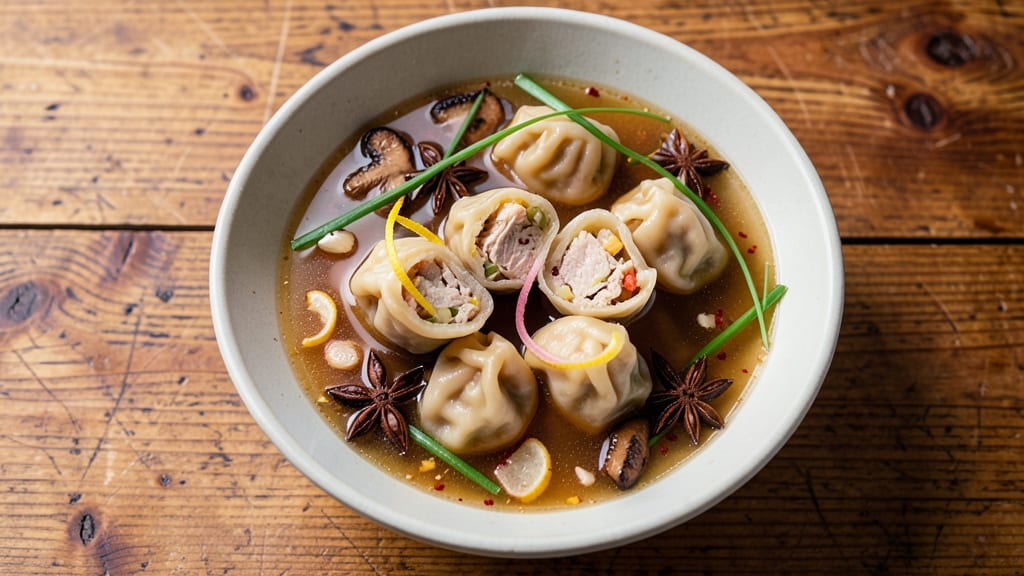
This Asian chicken dumpling soup recipe delivers restaurant-quality comfort in just 30 minutes, with tender chicken, delicate dumplings, and a fragrant broth that steams with every spoonful.
The secret lies in balancing traditional techniques—like poaching chicken gently and steaming dumplings to perfection—with a modern twist on flavorful broths that pack layers of umami and brightness.
Whether you're craving a quick weeknight meal or a cozy gathering dish, this recipe brings the warmth of Asian home cooking to your table without sacrificing authenticity.
What sets this soup apart is the harmony of textures and flavors: silky chicken poached in aromatic broth, plump dumplings that burst with savory filling, and a broth infused with ginger, garlic, and star anise that simmers into deep, comforting richness.
The dumplings can be homemade for a hands-on touch or store-bought for convenience—both work beautifully. The result is a bowl that’s as satisfying to make as it is to eat, with every component playing its part in a balanced, flavorful symphony.
By the time you’re ready to serve, you’ll have a steaming pot of soup where each bite delivers tender chicken, juicy dumplings, and a broth so flavorful it tastes like it’s been simmering for hours.
The garnish of scallions and sesame oil adds a final touch of freshness and aroma, elevating the dish from comforting to extraordinary. This is the kind of soup that warms the soul and leaves everyone asking for seconds.
The beauty of this recipe is its versatility—adjust the broth to your taste, swap in shrimp or tofu for a variation, or add a splash of chili oil for heat.
It’s perfect for feeding a crowd, meal prepping for the week, or simply treating yourself to a bowl of homemade goodness. Let’s get started on creating this foolproof, restaurant-quality Asian chicken dumpling soup.
Ingredients for asian chicken dumpling soup
Here’s what you’ll need to craft this aromatic, restaurant-quality Asian chicken dumpling soup.
| Ingredient | Amount | Notes |
|---|---|---|
| Boneless Chicken Breast 🍗 | 1 ½ lb | Cut into 1-inch cubes, skinless |
| Fresh Ginger Root 🧄 | 2 tbsp | Finely grated, aromatic |
| Garlic Cloves 🧄 | 4 cloves | Minced, fresh preferred |
| Star Anise Pods 🌟 | 2 whole | Whole pods for infusion |
| Dried Shiitake Mushrooms 🍄 | ½ oz | Sliced, for umami depth |
| Low-Sodium Chicken Broth 💧 | 4 cups | Homemade or high-quality |
| Sesame Oil 🫒 | 1 tbsp | Toasted, for aroma |
| Soy Sauce 🥢 | 2 tbsp | Light or all-purpose |
| Rice Vinegar 🍶 | 1 tbsp | White rice vinegar |
| Green Onions 🧅 | 3 whole | Sliced, for garnish |
| Sesame Seeds 🌾 | 1 tbsp | Toasted, for garnish |
| Store-Bought Dumpling Wrappers 🥟 | 16 pieces | Square or round, 3-inch |
| Ground Pork 🐖 | ½ lb | For dumpling filling |
| Cabbage 🥬 | ½ lb | Shredded, for filling |
| Salt 🧂 | 1 tsp | Kosher or sea salt |
The chicken breast should be tender yet firm—look for plump, white pieces with minimal fat. Trader Joe’s or Whole Foods often carry high-quality cuts, but any grocery store’s fresh chicken works. For the dumpling filling, ground pork from the butcher section adds richness, but you can swap in ground chicken or turkey for a lighter option. The shiitake mushrooms? Dried are best for depth of flavor—soak them in hot water for 20 minutes before slicing. Fresh ginger and garlic are non-negotiable here—they’re the soul of the broth, so don’t skimp.
No fresh ginger? Substitute with 1 tbsp ground ginger, but the flavor won’t be as vibrant. Running low on soy sauce? Coconut aminos work in a pinch, though the taste will differ slightly. The star anise pods can be tricky to find—check the spice aisle at Asian markets or order online. For the dumpling wrappers, store-bought is fine (like H Mart’s or Trader Joe’s brands), but homemade wrappers add that extra restaurant touch. If you’re making a bigger batch, double the broth and dumpling filling—this soup reheats beautifully.
The broth keeps for 3 days in the fridge, so make extra if you’re feeding a crowd. Dumplings can be prepped ahead and frozen—steam from frozen for 8-10 minutes. For the freshest garnish, store green onions in a jar of water in the fridge like flowers. The sesame oil and seeds should be kept in a cool, dark place to preserve their aroma. This soup tastes even better the next day as the flavors meld—perfect for meal prep!
Why You'll Love This Recipe
- No-Chop Night Hero: I swear by this when I’m too tired to slice anything—just shred the chicken, mince the ginger (or use pre-minced if you’re really lazy), and toss in whole star anise pods. The mushrooms soak up broth like sponges, so no fancy prep needed. Ten minutes of active work, and you’ve got a steaming pot of magic.
- Umami Bomb Combo: That dried shiitake-soaked broth? It’s where the flavor lives. The star anise and ginger team up for a warm, earthy depth, while the chicken stays tender but never boring. Honestly, the first sip makes me forget I’m not at my favorite Asian noodle spot.
- Leftover Goldmine: This soup only gets better the next day—flavors meld, broth thickens just enough, and you can repurpose it into dumpling fillings or stir-fries. My freezer’s always stocked with portions because it’s the ultimate “I don’t know what I’m hungry for” fix.
- Budget Comfort Win: Chicken breast stretches far when shredded, and dried shiitake mushrooms cost pennies compared to fresh. A single star anise pod flavors the whole pot, so you’re not blowing cash on spices. Warm, filling, and my wallet thanks me every time.
Step-by-step instructions for Asian chicken dumpling soup
Here's how to create a fragrant, wok-hot soup with tender dumplings and aromatic broth.
Prepare the Aromatic Broth Base
In a large pot, combine the 4 cups low-sodium chicken broth, 2 whole star anise pods, 2 tablespoons finely grated fresh ginger root, and 4 minced garlic cloves. Bring to a gentle boil over medium-high heat, then immediately reduce to a medium simmer. Let it cook uncovered for 10 minutes until the broth develops a rich, golden color and the aromatics infuse deeply.
The star anise will release its signature anise-like aroma—this is your signal the broth is ready for the next step. Skim off any foam that rises to the surface during this time to ensure a clean, clear broth. I like to taste it now—it should be savory with a subtle sweetness from the ginger and garlic.
Cook the Chicken and Shiitake Mushrooms
Add the 1.5 lb boneless chicken breast, cut into 1-inch cubes, to the simmering broth. Cook for 8-10 minutes until the chicken is no longer pink in the center and just beginning to flake apart easily. Remove the chicken with a slotted spoon and set aside.
In the same pot, add the 0.5 oz sliced dried shiitake mushrooms and cook for 3-4 minutes until they've rehydrated and softened. The mushrooms will release their umami-rich juices into the broth, deepening its flavor. If any mushrooms remain firm, they're ready—simmering longer won't make them tender. Remove them with the chicken for now.
Make the Dumpling Filling
In a mixing bowl, combine the 0.5 lb ground pork, 0.5 lb shredded cabbage, 1 teaspoon salt, 2 tablespoons soy sauce, and 1 tablespoon rice vinegar. Mix thoroughly with your hands or a fork until the cabbage is well-coated and the mixture holds together when pressed. The filling should be moist but not sticky.
Here's the thing—don't overwork the filling. Just combine until everything is evenly distributed. Overmixing develops gluten in the cabbage, which can make the dumplings tough. If the mixture feels too wet, add 1 tablespoon of shredded cabbage to absorb excess moisture.
Assemble and Cook the Dumplings
Place 1 tablespoon of filling in the center of each of the 16 dumpling wrappers. Wet the edges of the wrapper with water, then fold in half and press firmly along the edges to seal completely. I like to pleat the edges slightly for extra security—this prevents leaks during cooking.
Gently add the sealed dumplings to the simmering broth. They should float just below the surface. Simmer uncovered for 6-8 minutes until the wrappers are plump and translucent at the edges. The filling inside should be hot but not yet fully cooked—it will finish in the final step.
Finish and Serve
Return the chicken and shiitake mushrooms to the broth along with the 1 tablespoon sesame oil. Simmer for 2-3 minutes to heat everything through. Stir in 1 tablespoon rice vinegar and adjust seasoning with additional soy sauce if needed—the broth should be savory with a bright, slightly tangy finish.
Ladle the hot soup into bowls and garnish with sliced green onions and toasted sesame seeds. Serve immediately with extra dumplings on the side for second helpings. The contrast of the wok-hot dumplings against the aromatic broth makes every bite irresistible.
Pro Tips For Making Asian Chicken Dumpling Soup
- Slice Chicken Thin: I learned this the hard way—chicken breast stays tough when it’s too thick. Cut it against the grain into ¼-inch slices before cooking, then pound them lightly with a meat mallet or rolling pin. This isn’t just about tenderness; it’s the difference between shredding like silk and fighting rubbery bits later.
- Soak Shiitake Right: Dried shiitake mushrooms need at least 20 minutes in hot water to rehydrate properly, or they’ll turn to sawdust in your soup. Toss them in boiling water for 10 minutes first, then finish in the broth—this concentrates their umami before they dilute. (Yes, even if you’re impatient like me.)
- Bloom Star Anise First: Toss the star anise into cold oil or broth and let it sit for 30 seconds before adding heat—this releases its flavor without burning. I used to add it straight to hot liquid and wondered why my soup tasted like medicine. A quick bloom makes all the difference.
- Reserve Broth Early: Strain the finished soup and save 1 cup of the broth before adding dumplings. Use it to adjust consistency later—thin if too thick, or thicken with cornstarch if needed. This is the non-negotiable step that keeps your soup from turning into glue when the dumplings cook.
Common mistakes when making great asian chicken dumpling soup
Overcooking Chicken
I’ve seen this happen more times than I can count—chicken that turns out dry and stringy because it simmered too long in the broth. The key is to remove the chicken once it reaches 165°F internal temperature (about 8-10 minutes), not a second longer.
If you’re unsure, use a meat thermometer. Overcooked chicken will make your entire soup taste bland, no matter how flavorful the broth. 🌡️
Skipping Broth Infusion
Rushing the broth preparation is a big mistake. The 10-minute simmer with ginger, garlic, and star anise is crucial for building deep flavor. If you skip this step or reduce the time, your soup will lack that aromatic richness that makes it taste homemade.
Trust me, the extra minutes pay off—your taste buds will thank you.
Underseasoned Dumpling Filling
The filling is where the dumplings get their flavor, so don’t hold back on seasoning. If you’re using ground pork, make sure it’s well-seasoned with soy sauce and salt. I’ve tasted dumplings that were bland because the filling was underseasoned.
Taste the filling before assembling—it should be savory, not just salty or bland. Adjust with a pinch of salt or an extra splash of soy sauce if needed.
Poor Dumpling Sealing
Dumplings that leak during cooking are a nightmare. Wet the edges of the wrappers with water and press firmly to seal them completely. If you’re not confident in your folding skills, practice a few extra dumplings on the side.
A well-sealed dumpling stays intact and delivers that satisfying burst of flavor with every bite. 🥟
Ignoring Broth Taste
Never assume the broth is seasoned correctly after cooking. Taste it before serving and adjust with soy sauce, salt, or a splash of rice vinegar if needed.
The broth should be savory with a bright, slightly tangy finish. Skipping this step can leave your soup feeling flat or one-dimensional.
Overcrowding the Pot
Adding too many dumplings at once can lower the broth’s temperature and cause them to steam instead of simmer gently. Cook them in batches if needed—this ensures they cook evenly and stay plump.
Overcrowding also makes it harder to check for doneness. A little patience here goes a long way toward perfect dumplings. ⏳
Nutrition facts
Frequently asked questions
Can I make this soup vegetarian?
Swap the chicken for extra-firm tofu (pressed and cubed) and use mushroom broth instead of chicken broth. For the dumpling filling, replace the ground pork with finely chopped mushrooms or shredded carrots, and add 1 tablespoon of sesame seeds for texture. The star anise and ginger will still give that authentic Asian flavor profile.
How do I store leftovers?
This soup keeps beautifully! Store in an airtight container in the fridge for up to 3 days. The dumplings and chicken will stay tender, though the broth may need reheating. For longer storage, freeze the soup (without dumplings) for up to 2 months. Reheat gently on the stove—add a splash of water if it gets too thick. The dumplings can be reheated separately in a steamer or microwave with a damp paper towel.
Can I make the dumplings ahead of time?
Yes! Assemble the dumplings and freeze them on a baking sheet before transferring to a bag. Cook from frozen by adding them directly to the simmering broth—they’ll take about 8-10 minutes longer to cook through. For prepped dumplings, store them in the fridge for up to 2 days or freeze for 1 month. The filling stays fresh, and the wrappers hold up well when frozen properly.
What if I don’t have star anise? No problem! Use ½ teaspoon ground anise or 1 cinnamon stick instead—they’ll add warmth to the broth. For a different but still aromatic twist, try ½ teaspoon fennel seeds or 1 bay leaf. Just
How can I make this soup spicier?
Add 1 teaspoon of chili crisp or ½ teaspoon of red pepper flakes to the broth while simmering. For heat with depth, stir in 1 tablespoon of chili oil at the end or serve extra on the side. If you love fresh heat, top each bowl with thinly sliced chili peppers or a sprinkle of Sichuan peppercorns (toasted and crushed). Balance is key—start with a little and adjust to taste.