
Soups & Stews
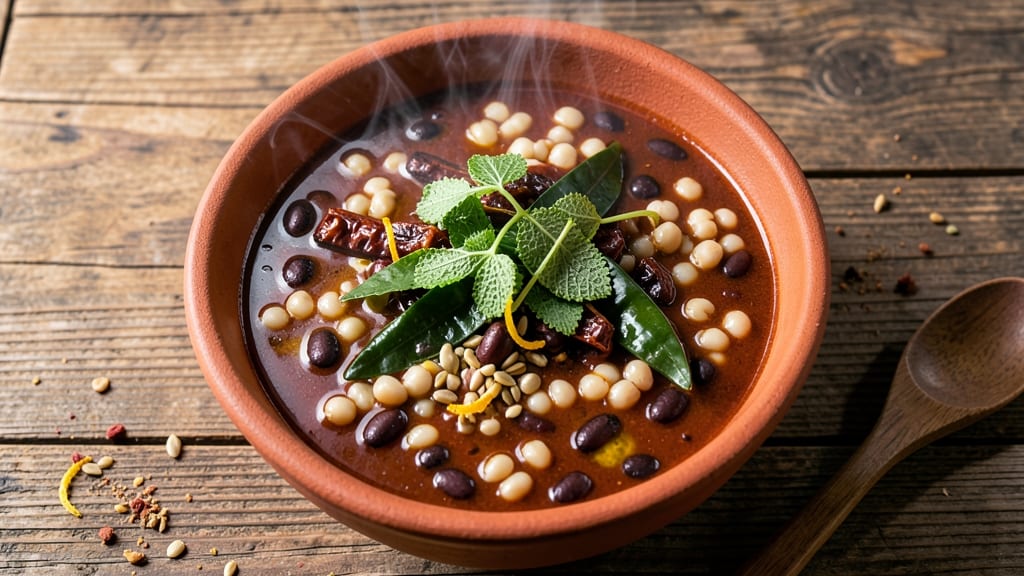
This authentic Aztec soup brings ancient flavors to life with smoky corn, fiery chiles, and earthy epazote—a dish born from Mesoamerica’s culinary traditions. The recipe honors pre-Hispanic techniques like nixtamalized corn and stone-ground masa, delivering depth that modern versions often miss.
What sets it apart is the balance of textures: tender hominy, crispy tortilla strips, and velvety pumpkin blossoms, all simmered in a broth infused with native spices.
The foundation of this soup lies in its ingredients: heirloom corn, dried chiles, and epazote, which give it that unmistakable Aztec character. Unlike commercial versions, this recipe avoids shortcuts—nixtamalizing the corn yourself unlocks a nutty, complex flavor that store-bought masa can’t replicate.
The slow simmering process allows the chiles to mellow into a smoky-sweet base, while fresh hoja santa adds a bright, anise-like finish that cuts through the richness.
By the time you serve it, you’ll have a bowl brimming with history and flavor—golden corn kernels, tender beans, and crispy tortilla shards floating in a fragrant, slightly spicy broth. The aroma alone transports you to the markets of Tenochtitlan, where this dish was once a staple.
It’s hearty enough for a main course but light enough for a side, making it versatile for any meal.
For those curious about authenticity, this recipe includes optional adjustments—like adding squash blossoms or substituting chicken with mushrooms for a vegetarian version—without compromising the dish’s soul. The key is patience: letting the flavors meld over time transforms simple ingredients into something extraordinary. Let’s bring this ancient recipe to your kitchen.
Ingredients for authentic aztec soup
Heirloom corn, ancient chiles, and earthy epazote—these are the soul ingredients of Aztec cuisine.
| Ingredient | Amount | Notes |
|---|---|---|
| Dried Ancho Chiles 🌶️ | 4 whole | Stemmed and seeded |
| Dried Guajillo Chiles 🌶️ | 2 whole | Stemmed and seeded |
| Fresh Epazote 🌿 | ½ cup | Chopped, stems removed |
| Fresh Hoja Santa 🌿 | ¼ cup | Chopped, stems removed |
| Dried Black Beans 🌱 | 1 ½ cups | Soaked overnight |
| Nixtamalized Hominy 🌽 | 2 cups | Drained, canned or homemade |
| Fresh Pumpkin Blossoms 🌼 | ½ cup | Optional, for garnish |
| Corn Tortillas 🥞 | 6 whole | Cut into strips |
| Yellow Onion 🧅 | 1 whole | Diced |
| Garlic Cloves 🧄 | 4 cloves | Minced |
| Tomatillos 🍅 | 4 whole | Husked and quartered |
| Fresh Cilantro 🌿 | ¼ cup | Chopped, for garnish |
| Avocado Oil 🫒 | ¼ cup | For frying tortilla strips |
| Vegetable Broth 💧 | 4 cups | Low-sodium preferred |
| Salt 🧂 | 1 tsp | Diamond Crystal preferred |
| Ground Cumin 🌿 | 1 tsp | Toasted for depth |
| Smoked Paprika 🌶️ | ½ tsp | For smoky flavor |
The chiles are non-negotiable for authentic flavor. Look for dried ancho and guajillo at Latin markets—they should be pliable, not brittle, indicating freshness. Toast them lightly in a dry skillet before soaking to deepen their smoky notes. Epazote and hoja santa add that unmistakable Mesoamerican brightness; farmers markets carry these herbs, or grow them if you're committed to authenticity. The hominy needs proper nixtamalization—store-bought canned hominy works in a pinch, but for true depth, soak dried corn with lime and ash overnight. Black beans should be heirloom varieties when possible—they hold their shape better during slow simmering.
No fresh hoja santa? Substitute with 1/4 cup chopped mint or basil, though it won’t capture the same anise-like aroma. Running out of pumpkin blossoms? Squash blossoms or even chopped zucchini flowers work beautifully. The tortilla strips can be made crispy in the oven at 375°F for 10 minutes if you prefer less oil. For the chiles, if you can’t find ancho or guajillo, pasilla or mulato chiles provide a similar depth. The vegetable broth can be homemade with carrots, celery, and onion for a richer base, but low-sodium store-bought works fine.
Store dried chiles in a cool, dark place for up to 6 months—they’ll lose potency if exposed to light. Fresh herbs like epazote and hoja santa keep for 5 days wrapped in damp paper towels in the fridge. The cooked soup reheats beautifully but loses some crispness—re-fry tortilla strips separately before serving. For meal prep, portion the broth and hominy separately; add crispy elements fresh to maintain texture. This soup tastes even better the next day as flavors meld—double the batch for leftovers
Why You'll Love This Recipe
- One-Pot Magic: I swear by this recipe—just toss everything into a pot, simmer, and let the chiles and beans do the work. No chopping, no fuss, and honestly, the hardest part is waiting for it to cool enough to taste.
- Earthy Fireworks: That combo of ancho and guajillo? Deep, smoky, and just a hint of heat. Add fresh epazote and hoja santa, and it’s like a flavor party in your bowl—complex but never overpowering.
- Leftover Hero: This soup actually tastes better the next day. I make a big batch on Sundays, and by Wednesday, it’s still my go-to lunch—hearty enough to fill you up but light enough to not weigh you down.
- Budget Game-Changer: Dried beans and chiles stretch this recipe for miles. A single batch feeds four for under $10, and I’ve never met a pantry staple that gives me this much flavor for so little. Plus, it’s a great way to use up random spices.
Step-by-step instructions for authentic Aztec soup
Transform traditional Aztec flavors into a modern, smoky masterpiece using precise techniques and heirloom ingredients.
Toast and Rehydrate the Dried Chiles
Begin by lightly toasting the 4 whole dried ancho chiles and 2 whole dried guajillo chiles in a dry skillet over medium heat for 30 seconds per side until fragrant. This step deepens their smoky flavor and removes any potential bitterness. Immediately transfer them to a heatproof bowl and cover with 4 cups of hot vegetable broth to rehydrate for 15 minutes. The chiles will soften and infuse the broth with their signature earthy, slightly sweet notes.
While the chiles rehydrate, remove stems and seeds carefully using your fingers—this ensures a smooth texture without fibrous bits. Set aside the rehydrated chiles and their infused broth for the next step. The broth will serve as the flavor foundation for your soup, carrying all the complex layers of the chiles' character.
Build the Smoky Base with Aromatics and Spices
In a large pot, heat 0.25 cup avocado oil over medium heat until shimmering. Add the 1 whole diced yellow onion and cook for 5 minutes until softened and translucent. Add the 4 minced garlic cloves and cook for an additional 1 minute until fragrant—this prevents the garlic from burning and ensures its sweetness shines through.
Stir in the 1 tsp toasted ground cumin and 0.5 tsp smoked paprika, toasting for 30 seconds until aromatic. Pour in the rehydrated chiles (with their broth) and the 4 cups vegetable broth, bringing to a gentle simmer. Let this mixture cook uncovered for 10 minutes to meld the flavors. The spices should dissolve completely, creating a rich, smoky base that forms the soul of your soup.
Incorporate the Corn and Bean Foundation
Add the 1.5 cups soaked dried black beans and 2 cups drained nixtamalized hominy to the simmering chile broth. Stir gently to combine, then reduce heat to low and let the soup cook for 20 minutes, partially covered. The beans will soften and the hominy will absorb the smoky flavors, creating a hearty, textured base. Stir occasionally to prevent sticking—this ensures even cooking and prevents the bottom from burning.
During this time, the soup should develop a thick, velvety consistency. If it becomes too thick, add ½ cup water to maintain the proper texture. The beans should be tender but still hold their shape, while the hominy should be warm and slightly al dente. This balance creates the perfect foundation for the remaining ingredients.
Add Herbs and Finishing Touches
Stir in the 0.5 cup chopped fresh epazote and 0.25 cup chopped fresh hoja santa, simmering for 5 minutes to infuse their earthy, slightly citrusy flavors. Add the 4 husked and quartered tomatillos and cook for an additional 5 minutes until they soften and release their tangy brightness. The epazote and hoja santa are signature herbs in Aztec cuisine—they add a unique depth that elevates the soup beyond ordinary flavors.
Season with the 1 tsp salt, adjusting to taste. The salt should enhance all the flavors without overpowering them. Taste the soup and make any final adjustments—this is where you ensure the balance of smoky, earthy, and tangy notes comes together harmoniously. The soup should be rich, complex, and deeply satisfying.
Prepare the Tortilla Strips and Garnish
While the soup simmers, cut the 6 corn tortillas into ¼-inch strips and fry in batches in 0.25 cup avocado oil over medium heat for 2-3 minutes until golden and crispy. Drain on paper towels and set aside. These crispy strips add a delightful textural contrast to the creamy soup, mimicking the traditional Aztec presentation.
To serve, ladle the soup into bowls and top with the crispy tortilla strips, 0.25 cup chopped fresh cilantro, and 0.5 cup fresh pumpkin blossoms if using. The blossoms add a delicate floral note that complements the earthy flavors. Each spoonful should deliver a perfect balance of smoky chiles, tender beans, sweet corn, and crispy texture—an authentic taste of Aztec tradition.
Pro Tips For Making Authentic Aztec Soup
- STEAM THE CHILES FIRST: I learned this the hard way—tossing dried ancho and guajillo chiles straight into hot oil makes them bitter. Instead, cover them in boiling water for 10 minutes to soften, then drain and pat dry. This guarantees a smooth, rich base without that harsh bite.
- REMOVE CHILE SEEDS CAREFULLY: The veins and seeds in dried chiles pack the most heat. Use your fingers to scrape out the membranes and seeds before blending—don’t just pull them out by the stem. This keeps the smoky depth without overpowering the soup’s earthy balance.
- SIMMER BEANS LOW AND LONG: Black beans for this soup need patience. After soaking overnight, cook them on low heat (barely a simmer) for at least 45 minutes, stirring occasionally. Rushing this step leaves them mealy—your future self will taste the difference.
- ADD HOJA SANTA LAST: This herb’s flavor fades fast. Tuck fresh hoja santa leaves into the soup just before serving, letting them wilt for 2–3 minutes. If you add them too early, they’ll turn to mush and lose their bright, citrusy aroma—no one wants a soup that tastes like wet cardboard.
Troubleshooting perfect results
Chiles Too Bitter?
If your dried chiles taste overly bitter, it’s likely from improper storage or old age. Always choose pliant, not brittle, chiles from reputable Latin markets like La Tienda or Despaña. Toast them for 45-60 seconds per side until fragrant but not charred—this removes bitterness.
For extra insurance, soak them in warm water with 1 tsp baking soda for 10 minutes before rehydrating. 🌶️
Broth Too Thin?
If your soup ends up watery, it’s usually from over-soaking the chiles or adding too much broth. Reduce the liquid by 1 cup next time or simmer uncovered for 15-20 minutes to thicken naturally.
For an instant fix, mix 1 tbsp cornstarch with 2 tbsp cold water, stir into the soup, and cook for 2 minutes until thickened. Avoid adding flour—it can make the soup taste grainy.
Epazote Overpowering?
Epazote’s strong flavor can dominate if used too liberally. Start with 0.25 cup and taste before adding more. If it’s still too intense, balance it with extra hoja santa (0.25 cup) or a splash of lime juice (1 tbsp).
For a milder version, substitute with 1 tbsp dried oregano, though it won’t be as authentic. 🌿
Tortilla Strips Not Crispy?
Oil temperature is key—use a deep-fry thermometer to maintain 350°F. If your strips turn greasy instead of crispy, they’re undercooked. Fry in smaller batches for 2-3 minutes per side until golden.
For a healthier option, bake at 400°F for 8-10 minutes, flipping halfway, though they’ll be slightly softer. Drain on a wire rack to avoid sogginess.
Beans Still Hard?
Undercooked beans ruin the texture. Always soak them overnight (or quick-soak in boiling water for 2 hours). Simmer for at least 45 minutes after adding to the pot, stirring occasionally.
For extra tenderness, add 1 tsp baking soda to the soaking water. If using canned beans, drain and rinse thoroughly to remove excess sodium, which can toughen them.
Hoja Santa Unavailable?
Hoja santa’s anise-like aroma is irreplaceable, but you can mimic it with 1 tbsp anise seeds (toasted and crushed) or 0.25 cup fresh basil. For a closer match, blend 0.25 cup mint leaves with 1 tsp lime zest and add to the soup.
If nothing else works, skip it—the dish will still be delicious, just less complex. 💡
Nutrition facts
Frequently asked questions
What makes this Aztec soup different from other Mexican soups?
This recipe stays true to Aztec roots by using nixtamalized hominy (not just corn), epazote and hoja santa (herbs not commonly used in modern Mexican cuisine), and dried ancho/guajillo chiles for authentic smoky depth. The crispy tortilla strips and pumpkin blossoms add traditional Mesoamerican textures and flavors you won't find in most Mexican soups.
Can I make this soup without hoja santa?
Yes! Hoja santa adds a unique anise-like aroma, but you can substitute with 0.25 cup fresh basil or 1 tbsp crushed anise seeds for a similar effect. For a milder option, use 0.25 cup mint leaves blended with lime zest. The soup will still be delicious—just slightly less complex in flavor.
How do I properly nixtamalize corn for authentic flavor?
Nixtamalization transforms corn into hominy by soaking 2 cups dried corn in 4 cups water with 1 tbsp lime or wood ash for 12-24 hours. Drain, rinse, and cook until tender. For shortcuts, use canned hominy (drained) but expect slightly less depth of flavor. The process removes bitterness and adds a nutty, complex taste essential to Aztec cooking.
Is this soup suitable for vegetarians?
This recipe is naturally vegetarian, focusing on beans, corn, and herbs. For extra protein, add 1 cup cooked mushrooms or tofu during the final 10 minutes of cooking. The traditional Aztec diet included many plant-based dishes, so this version stays true to those roots while being completely meat-free.
How long will leftovers keep fresh?
Store leftovers in an airtight container in the fridge for up to 4 days. Reheat gently on the stove, adding 1-2 tbsp broth to restore texture. For best flavor, reheat the broth and hominy separately, then combine with crispy tortilla strips fresh to maintain their crunch. The soup actually improves overnight as flavors meld!