
Soups & Stews
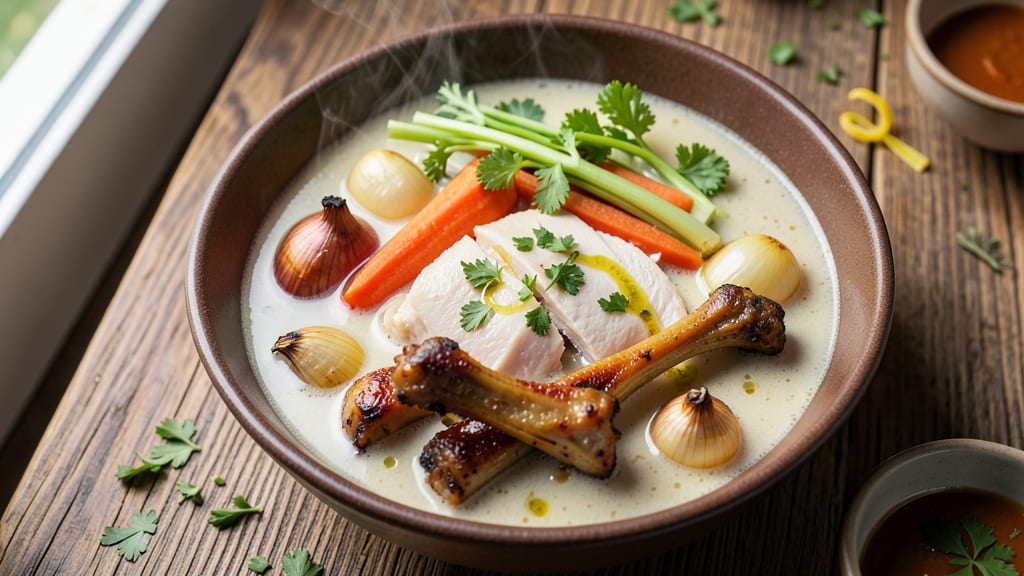
This authentic chicken soup recipe brings back memories of my grandmother’s kitchen, where every spoonful was a hug in bowl form. The secret lies in slow-simmered broth infused with aromatic vegetables, tender chicken, and just the right balance of herbs—no shortcuts, just pure, comforting flavor built over hours.
What makes this recipe special is the patient cooking method, where bones and vegetables release their essence into the broth, creating a depth of flavor you can’t find in instant versions.
The foundation starts with a rich, flavorful broth made from chicken bones, onions, carrots, and celery—what we call the "holy trinity" of soup-making. I let it simmer for at least 2 hours, skimming impurities to keep the broth clear and velvety.
The chicken is poached separately to stay tender, then shredded for hearty bites, while vegetables like potatoes and carrots cook until fork-tender. This isn’t just soup; it’s a restorative, soul-warming dish that tastes like home.
By the time you’re done, you’ll have a bowl that’s golden, aromatic, and packed with layers of savory, herby goodness—the kind that warms you from the inside out. The broth is so rich it coats your spoon, while the vegetables and chicken melt in your mouth.
This is the recipe I turn to when someone’s under the weather or when winter’s chill makes every meal feel like a necessity. It’s authentic comfort, served in a bowl.
Perfect for family gatherings, meal prep, or a cozy night in, this soup keeps well in the fridge for up to 5 days and tastes even better the next day as the flavors deepen. Let’s get started—your taste buds (and your soul) will thank you.
Ingredients for authentic chicken soup
Grandma’s pantry staples and a few key ingredients for soul-warming chicken soup.
| Ingredient | Amount | Notes |
|---|---|---|
| Chicken Bones 🍗 | 2 lb | Backbone, neck, and wing bones preferred |
| Yellow Onions 🧅 | 2 whole | Medium size, peeled and halved |
| Carrots 🥕 | 4 whole | Medium size, peeled and chopped |
| Celery Stalks 🌿 | 4 whole | Trimmed and chopped |
| Garlic Cloves 🧄 | 6 cloves | Peeled and lightly smashed |
| Chicken Breast 🍗 | 2 lb | Bone-in, skin-on preferred |
| Potatoes 🥔 | 2 lb | Yukon gold, peeled and cubed |
| Fresh Parsley 🌿 | ¼ cup | Chopped, for garnish |
| Dried Thyme 🌿 | 1 tbsp | Or 1 tbsp fresh thyme |
| Bay Leaves 🌿 | 2 whole | Dried, removed before serving |
| Salt 🧂 | 2 tsp | Kosher or sea salt |
| Black Peppercorns 🌶️ | 1 tsp | Freshly cracked |
| Olive Oil 🫒 | ¼ cup | For sautéing vegetables |
| Fresh Lemon Juice 🍋 | 1 tbsp | For brightness |
The bones are everything here. Chicken backs, necks, and wings from the butcher section give you that deep, rich flavor—nothing beats the real deal. If you can’t find them, chicken feet (yes, really) or even extra chicken thighs work in a pinch, but they won’t be as gelatinous. For the onions, carrots, and celery—what we call the 'holy trinity'—organic or farmers market produce has the best flavor, but regular grocery store stuff is fine if it's fresh. The garlic? Fresh is non-negotiable—dried just won’t cut it for this soup. I usually grab mine from Whole Foods or my local farmers market, but any grocery store will have it.
No chicken bones? Extra chicken thighs or drumsticks will work, but you’ll need to add a bouillon cube or extra salt to mimic the depth. Fresh herbs are ideal, but dried thyme at one-third the amount gets you close. The potatoes can be any variety, but Yukon golds stay creamy without turning gluey. For the broth, if you’re in a hurry, homemade chicken stock is worth the time—simmer the bones with a splash of vinegar for 2 hours. No time? Low-sodium chicken broth from a carton works, but add a pinch of fish sauce (trust me) for umami. The lemon juice is key—it brightens everything up at the end.
This soup gets better with time. Day-old broth is richer—let it sit overnight if you can. Store in the fridge for up to 5 days or freeze for 3 months. I always make a double batch because it disappears fast. For reheating, warm gently on the stove—never microwave, or the broth gets rubbery. Garnish with fresh parsley right before serving, or it’ll wilt into oblivion.
Why You'll Love This Recipe
- I’ll be real: the second day is often the best. The broth reduces to a richer consistency, and the flavors marry even more. Pack it for lunches or freeze it—either way, you’re winning. Budget-friendly? Absolutely. Waste-free? Even better.
- Soup in 30: I swear by the 30-minute rule—simmer the chicken bones with onions, carrots, and celery for 20 minutes, then add garlic in the last five. That’s it. No fancy steps, just honest flavor building.
- Rich Bone Broth: Between us, the chicken bones alone make this worth it. They melt into a golden broth that’s deeper than anything from a carton—crisp yet velvety, with that unmistakable umami punch from slow-simmered collagen.
- Weeknight Crowd-Pleaser: Honestly, this is my go-to when my kids’ friends show up unannounced. The veggies (onions, carrots, celery) soften perfectly, and the garlic at the end? Everyone leans in for seconds. No stress, just satisfaction.
Step-by-step instructions for grandma-style chicken soup
Here's how to make the soul-warming soup your grandma swore by—rich, aromatic, and packed with homey flavor.
Roast the Chicken Bones for Deep Flavor
Preheat your oven to 425°F. Place the 2 lb chicken bones on a baking sheet and roast for 20-25 minutes until they turn a deep golden brown. This step caramelizes the bones, creating a rich, nutty base for your soup.
While they roast, you'll notice the bones release their natural oils and develop a beautiful crust. This isn't just for looks—it's where the authentic depth of flavor comes from. I like to turn them halfway through to ensure even browning on all sides.
Sauté the Aromatic Vegetables
Heat 0.25 cup olive oil in a large pot over medium heat. Add the 2 whole yellow onions (halved), 4 whole carrots (chopped), and 4 whole celery stalks (chopped). Cook for 8-10 minutes until the vegetables soften and the onions become translucent.
Here's where the magic begins. The vegetables release their natural sweetness and meld together, creating a fragrant base. I always add a pinch of salt at this stage to help draw out their moisture. After about 5 minutes, add the 6 cloves garlic cloves (lightly smashed) and cook for another 1 minute until fragrant.
Build the Broth with Roasted Bones
Transfer the roasted chicken bones to the pot with the sautéed vegetables. Add 8 cups water (enough to cover everything by about 2 inches), 2 tsp salt, 1 tsp black peppercorns, 1 tbsp dried thyme, and 2 whole bay leaves. Bring to a boil, then reduce heat to medium-low and simmer for 45 minutes.
This simmering time is crucial—it allows the bones to release their collagen and marrow into the broth, creating that unmistakable richness. You'll see the broth gradually turn from pale to a beautiful, cloudy amber color. Skim off any foam that rises to the surface during the first 15 minutes to keep the broth clear.
Add Chicken and Potatoes
After 45 minutes, remove the chicken bones with tongs (you can save them for stock later) and add the 2 lb chicken breast (cut into bite-sized pieces) and 2 lb potatoes (cubed). Return the broth to a simmer and cook for another 20-25 minutes until the chicken is cooked through and the potatoes are tender.
The chicken should be fully cooked and easily flake apart with a fork. The potatoes should be soft enough that a knife slides in easily. If you're worried about the chicken drying out, you can cover the pot for the last 10 minutes of cooking, but I prefer to keep it uncovered to let the flavors concentrate.
Finish with Fresh Herbs and Brightness
Once everything is tender, stir in the 0.25 cup fresh parsley and 1 tbsp fresh lemon juice. The parsley adds a fresh, bright note that cuts through the richness of the broth, while the lemon juice adds a subtle tang that enhances all the flavors. Taste and adjust the seasoning if needed—sometimes the broth needs a little more salt or pepper to balance everything.
Let the soup sit off the heat for 5 minutes before serving. This resting time allows the flavors to meld together perfectly. Ladle into bowls and serve immediately with crusty bread. Each spoonful should deliver that comforting combination of tender chicken, hearty vegetables, and deeply flavorful broth that reminds you of home.
Pro Tips For Making Authentic Chicken Soup
- Sear the Bones First: Don’t skip this step—it’s the thing that matters most for flavor. Brown the chicken bones in batches over medium-high heat until they’re deep golden, not just pink. I used to rush this, and the broth never tasted rich enough. Take your time; the Maillard reaction is your friend here.
- Slice Onions Thinly: No, not "chopped"—thinly sliced, almost translucent layers. This ensures they soften fully without turning to mush, adding sweetness without bitterness. I learned this the hard way after serving soup with chewy onion chunks. A sharp knife and patience make all the difference.
- Don’t Overcrowd the Pot: If you’re using a standard pot, work in batches for the bones—crowding steams them instead of searing. The same goes for the veggies later: add carrots and celery in stages so they caramelize, not just boil. I’ve seen too many soups where the veggies stay crunchy because someone dumped everything in at once.
- Simmer Low and Slow: Start with a rolling boil to extract flavors, then drop the heat to a bare simmer—just enough to see tiny bubbles at the edges. Too much heat breaks down the collagen in the bones, making the broth cloudy. My grandmother swore by this, and she was right: 2–3 hours of gentle simmering builds depth without effort.
Serving suggestions for authentic chicken soup
Crusty Bread Pairing
Serve your soup with a warm, crusty loaf of sourdough or baguette to soak up every last drop of that rich broth. I love using a freshly baked Italian bread with a crispy exterior and soft interior—it’s perfect for dipping.
For extra authenticity, toast the bread lightly in the oven before serving to enhance its crunch. 🥖
Garnish Like a Pro
Top each bowl with freshly chopped parsley right before serving—it adds a pop of color and freshness that brightens the dish. For a little extra flair, I sometimes sprinkle a pinch of smoked paprika or a drizzle of high-quality olive oil for added depth.
A squeeze of lemon wedge on the side lets everyone adjust the brightness to their taste.
Cheesy Topping Option
If you love cheese, try a sprinkle of grated Parmesan or sharp cheddar just before serving. The cheese melts slightly from the heat of the soup, creating a creamy, savory contrast. For a vegetarian-friendly option, nutritional yeast adds a cheesy, umami flavor without dairy. 🧀
Side Salad Balance
A simple arugula salad with a light vinaigrette balances the soup’s richness perfectly. Toss 4 cups arugula with 2 tbsp olive oil, 1 tbsp lemon juice, and a pinch of salt.
The peppery greens cut through the soup’s heartiness while keeping the meal light. Add toasted walnuts for crunch if you like texture.
Warm Herbed Butter
For a luxurious touch, serve warm herbed butter on the side. Mix ½ cup softened butter with 1 tbsp chopped parsley, 1 tsp garlic powder, and a pinch of salt.
Spread it on the bread or stir it into the soup at the table for an extra layer of flavor. This is my go-to when hosting dinner guests—it feels special without being complicated. 🧈
Soup Shooters for Appetizers
Turn your soup into an appetizer by serving it in mini mugs or shot glasses with a small spoon. This is perfect for parties or game days—everyone can enjoy a taste of that comforting broth without committing to a full bowl.
Garnish with a tiny parsley leaf and serve with toasted crostini for dipping. 🍸
Nutrition facts
Frequently asked questions
Can I make this chicken soup without chicken bones?
Use 2 lb extra chicken thighs or drumsticks instead, but add 1 bouillon cube or 1 tsp fish sauce to mimic the depth from bones. The broth will be slightly less gelatinous but still delicious. For extra richness, simmer the chicken longer (30-40 minutes) to extract more flavor.
How do I know when the broth is ready?
The broth is perfect when it turns a rich amber color and has a deep, aromatic scent. After 45 minutes of simmering, skim any remaining foam and taste it—it should be savory and slightly sweet, not bland. If it needs more depth, simmer uncovered for another 10 minutes to concentrate the flavors.
Why does my chicken soup taste bland?
Bland soup usually means the broth lacks depth. Try these fixes: Roast the chicken bones longer (up to 30 minutes) for deeper flavor, or add a pinch of fish sauce or soy sauce (1 tsp) for umami. Also, ensure you’re using fresh herbs (not dried) and a bright acid like lemon juice at the end. Skim the broth more aggressively during simmering to remove impurities.
Can I make this soup in a slow cooker?
Yes! Follow the same steps, but adjust the timing: Roast the bones as directed, then transfer everything (bones, veggies, water, and seasonings) to the slow cooker. Cook on low for 6-8 hours or high for 4-5 hours. Add chicken and potatoes in the last 1 hour of cooking. The slow cooker’s gentle heat enhances the broth’s richness without risking overcooking the chicken.
What’s the best way to store leftovers?
Let the soup cool to room temperature (no longer than 2 hours), then transfer to airtight containers. It keeps in the fridge for 5 days and freezes for 3 months. For reheating, warm gently on the stove over medium-low heat—never microwave, or the broth will turn rubbery. Add a splash of water or broth if it’s too thick after reheating.