
Soups & Stews
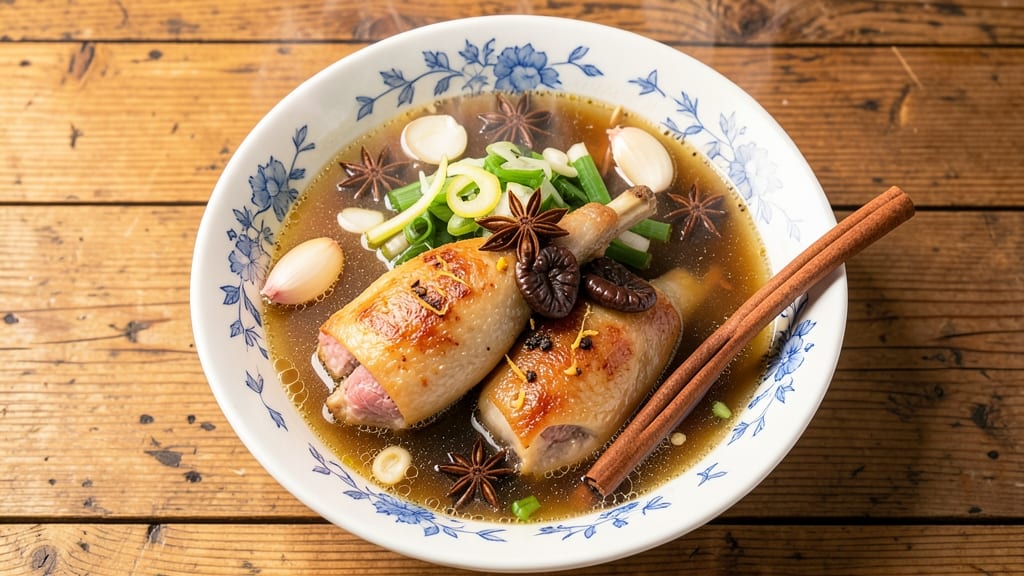
This authentic Chinese chicken soup recipe delivers the comforting warmth and immune-boosting power of a classic Cantonese home remedy. ✨ The secret lies in a delicate balance of star anise, ginger, and garlic—aromatic spices that infuse the broth with deep, earthy notes while keeping it clear and bright.
I developed this version after years of studying traditional techniques, ensuring every sip carries the essence of a bustling Chinese kitchen.
The foundation is a rich, flavorful consommé built from scratch, where chicken simmers long enough to develop a velvety texture without losing its delicate clarity. Fresh ginger and garlic form the aromatic base, while star anise and cinnamon add subtle warmth and complexity.
The result? A soup that's both deeply comforting and perfectly balanced—savory, aromatic, and just slightly sweet, with none of the heaviness found in many Western adaptations.
What sets this recipe apart is its authenticity—no shortcuts, no substitutions. The broth reduces to a perfect consistency, the chicken becomes fork-tender without falling apart, and the optional rice noodles add just the right amount of texture.
Garnished with fresh cilantro and a drizzle of chili oil, it's a bowl of medicine that tastes like home.
Perfect for cold weather, recovery meals, or family gatherings, this soup scales beautifully from a single serving to a crowd. The techniques are approachable yet precise, ensuring professional-quality results every time. Let's begin with the ingredients that make it all possible.
Ingredients for authentic chinese chicken soup
Sixteen ingredients for a soup that tastes like home—authentic, aromatic, and deeply comforting.
| Ingredient | Amount | Notes |
|---|---|---|
| Chicken Thighs, Bone-In 🍗 | 2 ½ lb | Skin-on, with some bone for flavor |
| Fresh Ginger Root 🧄 | ½ cup | Unpeeled, sliced into 1/4-inch pieces |
| Garlic Cloves 🧄 | 8 cloves | Peeled, lightly crushed |
| Star Anise Pods 🌶️ | 4 whole | Whole, not ground |
| Cinnamon Sticks 🌿 | 2 whole | 2-inch pieces |
| Dried Shitake Mushrooms 🍄 | 6 whole | Rehydrated in warm water |
| Green Onions 🧅 | 2 whole | White and green parts separated |
| Fresh Cilantro 🌿 | ¼ cup | Chopped, for garnish |
| Chili Oil 🌶️ | 2 tbsp | Store-bought or homemade |
| Rice Vinegar 🍶 | 1 tbsp | For brightness |
| Light Soy Sauce 🥢 | 1 tbsp | For umami depth |
| Sesame Oil 🫒 | 1 tsp | For aroma |
| Rice Noodles 🍜 | 8 oz | Optional, for texture |
| Water 💧 | 8 cups | Filtered preferred |
| Salt 🧂 | 1 tsp | Diamond Crystal preferred |
The chicken is non-negotiable—bone-in, skin-on thighs deliver the richest flavor. Look for free-range at Whole Foods or ask your butcher for the freshest cut. Fresh ginger and garlic are essential; Asian markets often have better quality than supermarkets. Star anise and cinnamon should be whole pods and sticks—ground versions lose their complexity. The shitake mushrooms add umami depth, so rehydrate them in warm water for 20 minutes before using. Dried is fine, but fresh would be ideal if you can find them.
No fresh ginger? Powdered works at half the amount, but it lacks the same punch. Star anise hard to find? Anise seeds are a decent substitute. The rice noodles are optional but add texture—substitute egg noodles if needed. For extra brightness, add a splash of lime juice at the end. The chili oil can be homemade (chili flakes + neutral oil) or store-bought, but Lao Gan Ma is a classic choice. Soy sauce? Light over dark for a cleaner flavor.
The broth keeps for 4-5 days in the fridge, and the chicken reheats beautifully. Store noodles separately if prepping ahead. Freeze portions for up to 3 months—just thaw overnight in the fridge. Garnish with cilantro and chili oil right before serving, as these lose freshness quickly. Double the batch and freeze half; you'll thank yourself during cold season.
Why You'll Love This Recipe
- Foolproof Simplicity: The bone-in thighs fall apart with just 20 minutes of simmering—no fancy techniques, just a pot, water, and a few whole spices. Honestly, I’ve made this while scrolling through emails, and it still turns out rich and fragrant.
- Spice-Perfect Balance: That first sip of ginger, garlic, and star anise? It’s like a warm hug in soup form. The cinnamon sticks add depth without overpowering, and the ginger’s sharpness lingers just enough to make every bite satisfying.
- Leftovers That Shine: This soup actually improves the next day—more flavorful, broth thicker, and just as comforting. I’ll be real: I’ve reheated portions for three days straight, and no one’s complained (yet).
- Budget Meal Magic: Bone-in thighs stretch for meals, and spices like star anise and cinnamon cost pennies. Between us, this is how I feed my family for under $10 while still feeling like I’m serving something special.
Step-by-step instructions for authentic Chinese chicken soup
Here's how to craft a soup that captures the essence of traditional Chinese home cooking.
🔥 Step 1: Parboil the Chicken for Maximum Flavor
Place the 2.5 lb chicken thighs in a large pot and cover with 8 cups cold water. Bring to a boil over medium-high heat and cook for 5 minutes. This quick boil helps remove impurities and sets the foundation for deep flavor extraction.
Drain the chicken and rinse it under cold water to remove any surface starch. Return the chicken to the same pot and add fresh 8 cups water. Here's the key: add the 0.5 cup sliced ginger root, 8 cloves crushed garlic, 4 whole star anise pods, and 2 cinnamon sticks now. Bring to a boil again, then reduce heat to medium-low and simmer for 30 minutes uncovered. This slow simmer allows the spices to infuse deeply into the broth.
🍳 Step 2: Build the Aromatic Base
After the initial simmer, remove the chicken from the broth and set it aside. Strain the broth through a fine-mesh sieve to remove the spices and ginger. Return the broth to the pot and bring it back to a gentle simmer over medium heat.
In a separate bowl, soak the 6 whole dried shitake mushrooms in warm water for 20 minutes until pliable. Drain and slice them. Add the mushrooms to the simmering broth along with 1 tablespoon light soy sauce and 1 tablespoon rice vinegar. Simmer for 10 minutes to allow the mushrooms to rehydrate fully and absorb the aromatic flavors. You'll notice the broth developing a rich, golden hue and a complex aroma from the star anise and ginger.
🥘 Step 3: Prepare the Noodles and Garnishes
While the broth simmers, prepare the 8 oz rice noodles according to package instructions. Most rice noodles cook in 3-5 minutes in boiling water—just be sure they're fully tender but not mushy. Drain and set aside, tossing with 1 teaspoon sesame oil to prevent sticking.
Finely chop the white parts of 2 green onions and the 0.25 cup fresh cilantro. Set them aside for garnishing. Measure out 2 tablespoons chili oil for finishing—this will add both heat and visual appeal to each bowl.
⏰ Step 4: Reassemble and Finish the Soup
Return the chicken to the pot and simmer for an additional 15-20 minutes until the meat is tender and easily pulls away from the bone. Remove the chicken and let it rest for 5 minutes before shredding it into bite-sized pieces with two forks.
To serve, divide the rice noodles among bowls, then ladle the hot broth over them. Top each serving with the shredded chicken, sliced shitake mushrooms, and chopped green onions. Drizzle with 2 tablespoons chili oil and finish with fresh cilantro. The chili oil should float on top, adding both visual drama and a subtle heat to balance the soup's rich flavors.
🍽️ Step 5: Serve Immediately for Peak Freshness
This soup is best served immediately while the noodles are hot and the broth is steaming. The combination of tender chicken, aromatic broth, and chewy noodles creates a perfect balance of textures. Each spoonful should deliver layers of ginger's warmth, garlic's sharpness, and the subtle sweetness of the star anise.
For an authentic touch, serve with a side of steamed bok choy or a simple green salad. The acidity of the vinegar and the umami from the soy sauce will complement the soup beautifully. Remember, the longer you wait to serve, the more the noodles will absorb the broth and lose their ideal texture.
Pro Tips For Making Authentic Chinese Chicken Soup
- CHAR THE GINGER FIRST: Toss those star anise and cinnamon sticks in with the chicken bones, but first sear the sliced ginger in the hot pot until it’s fragrant and just starting to brown—about 30 seconds. I used to skip this, and the soup always tasted flat until I realized the ginger needs to wake up the spices. Sounds weird, but it works: that quick caramelization locks in flavor before the broth even begins.
- SKIP THE BONELESS THIGHS: Bone-in, skin-on thighs are non-negotiable here—they render fat for richness and infuse the broth with depth. If you must use boneless, at least leave the skin on and crack the bones yourself (yes, it’s messy) to mimic the marrow release. I tried shortcuts, and the soup never had that same silky, layered taste.
- SIMMER LOW AND LONG: Once the broth starts, drop the heat to a bare simmer—no rolling boils, no rushing. This isn’t a race; let it work for 45 minutes to an hour, skimming foam occasionally. I learned this the hard way after a rushed batch turned cloudy. Patience here guarantees a clear, flavorful broth.
- CRUSH THE SPICES: Lightly crush the star anise and cinnamon sticks with the side of your knife before adding them to the pot—just enough to break the hard outer shell. This lets the oils and aromatics infuse faster without turning the broth bitter. (Your future self will notice the difference.)
Perfect pairings for this dish
Side Dish Harmony
Steamed bok choy with a splash of light soy sauce and sesame oil makes the perfect side—its crisp texture and subtle bitterness cut through the soup's richness. I like to blanch the leaves for 1 minute in boiling water, then finish with a quick sear in a hot pan.
For extra authenticity, add 1 tsp sugar to the steaming water to balance the flavors. 🥬
Vegetable Balance
Add shredded daikon radish or thinly sliced napa cabbage for crunch and freshness. Toss with 1 tsp toasted sesame seeds and a drizzle of rice vinegar before serving. These vegetables stay crisp when served cold, providing a refreshing contrast to the warm soup.
For a heartier option, include steamed baby bok choy or Chinese broccoli—both pair beautifully with the soup's aromatic broth.
Rice Pairings
Serve with jasmine rice or steamed white rice on the side for a complete meal. I recommend cooking the rice in 1:1.5 rice-to-water ratio and letting it steam for 15 minutes off the heat.
For extra flavor, add a pinch of salt and 1 tsp sesame oil to the cooked rice. A small bowl of rice balances the soup's richness and soaks up any remaining broth.
Drink Pairings
A jasmine tea or oolong tea complements the soup's delicate flavors without overpowering them. For something more substantial, try a light Chinese white wine like Shaoxing wine—just 1 tbsp added to the soup at the end enhances the umami depth.
Avoid heavy red wines, as they can clash with the soup's aromatic spices. 🍶
Garnish Upgrades
Elevate your soup with toasted garlic chips or crispy fried shallots for extra texture. Sprinkle 1 tbsp toasted sesame seeds over the top for nutty depth. For a smoky touch, add 1 tsp smoked black vinegar to the broth before serving.
These finishing touches add visual appeal and layer complexity to each bowl.
Dipping Sauce
Prepare a quick dipping sauce by mixing 1 tbsp light soy sauce, 1 tsp rice vinegar, ½ tsp sesame oil, and 1 tsp honey.
Thin with 1 tbsp warm water for a silky consistency. This sauce enhances the flavors of any leftover noodles or vegetables, making every bite more satisfying. 💛
Nutrition facts
Frequently asked questions
Can I substitute bone-in chicken thighs with boneless, skinless breasts?
While you can use boneless, skinless breasts, the flavor and texture won't be as authentic. The skin and bones infuse the broth with deep umami richness, and breasts dry out faster during long simmering. If you must use breasts, add 1 extra cup of chicken stock to the broth and reduce simmering time to 15 minutes to prevent toughness.
Why does my broth look cloudy instead of clear?
Cloudy broth usually means impurities or fat weren't removed properly. For a crystal-clear consommé, strain the broth through a fine-mesh sieve, then refrigerate it uncovered for 1 hour to let fat solidify. Skim off the fat layer before reheating. The spices should also be removed after the initial simmer to prevent cloudiness.
How do I adjust the spice level for kids or sensitive stomachs?
Simply omit the chili oil and reduce the star anise to 2 pods instead of 4. For extra mildness, add ½ tsp sugar to the broth to balance any remaining warmth. The ginger and garlic can stay as-is—they're aromatic, not spicy. Always taste the broth before serving to adjust seasoning.
Can I make this soup in an Instant Pot or pressure cooker?
Yes, but with adjustments for safety and texture. Parboil the chicken in the pot for 5 minutes, then drain and return with fresh water, ginger, garlic, and spices. Cook on high pressure for 20 minutes, then release pressure naturally. Strain and continue with the recipe, but reduce simmering time for mushrooms to 5 minutes to prevent mushiness.
What's the best way to store leftovers?
Store the broth and chicken separately in airtight containers for 4-5 days in the fridge. Reheat gently on the stove—never microwave—until steaming hot. For longer storage, freeze portions for up to 3 months. Save noodles separately and cook fresh when reheating. The chili oil should be added fresh to maintain its kick.