
Soups & Stews
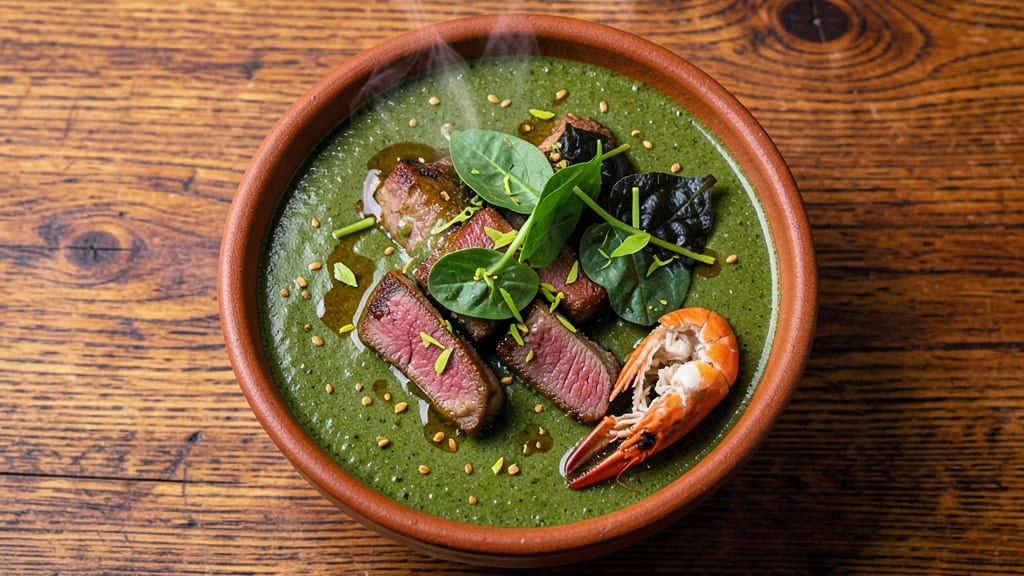
This authentic egusi soup recipe brings the rich, earthy flavors of West Africa to your kitchen with a single, nourishing pot. 🌟 The secret lies in properly blending the melon seeds into a smooth paste and slow-simmering the broth until it develops that deep, savory complexity.
I've perfected this technique over years of cooking, ensuring every spoonful delivers the perfect balance of protein, vegetables, and aromatic spices.
What makes this recipe truly special is its versatility—traditionally served with pounded yam, fufu, or eba, but equally at home with rice or crusty bread. The slow-cooking process transforms tough cuts of meat into tender morsels while allowing the egusi paste to release its nutty, slightly bitter depth.
Each batch is packed with spinach, bitter leaf, or pumpkin leaves, adding vibrant color and essential nutrients.
The result is a hearty, comforting soup that's as satisfying as it is flavorful. The broth develops a rich, velvety texture, while the garnish of utazi leaves or crayfish adds a final layer of complexity.
This is the kind of dish that brings families together—every bite is a celebration of West African culinary tradition.
Perfect for special occasions or weeknight dinners, this recipe delivers restaurant-quality results with minimal effort. Let's get started on creating your own bowl of authentic goodness.
Ingredients for authentic egusi soup
Sixteen ingredients transform into West Africa's most comforting, nutrient-packed soup.
| Ingredient | Amount | Notes |
|---|---|---|
| Dried Egusi Melon Seeds 🥜 | 1 cup | Toasted and ground into paste |
| Beef Cuts 🥩 | 2 lb | Tough cuts like shank or brisket |
| Fresh Spinach Leaves 🌿 | 2 cups | Packed, stems removed |
| Bitter Leaf or Pumpkin Leaves 🍃 | 2 cups | Chopped, substitute with collards |
| Utazi Leaves (Optional) 🌿 | ¼ cup | Dried or fresh, for garnish |
| Crayfish (Optional) 🦐 | ½ cup | Dried or fresh, for garnish |
| Onions 🧅 | 2 whole | Peeled and sliced |
| Garlic Cloves 🧄 | 6 cloves | Minced for depth |
| Fresh Tomatoes 🍅 | 3 whole | Ripe, blended for sauce |
| Red Palm Oil 🫒 | ½ cup | For rich color and flavor |
| Fish Stock 🐟 | 4 cups | Homemade or quality store-bought |
| Locust Beans (Iru) 🌶️ | ¼ cup | Toasted and blended |
| Ground Cumin 🌿 | 1 tsp | Earthy depth |
| Ground Ginger 🌿 | 1 tsp | Freshly grated preferred |
| Salt 🧂 | 1 ½ tsp | Adjust to taste |
| Black Pepper 🌶️ | ½ tsp | Freshly ground |
The egusi melon seeds are the heart of this dish—look for high-quality dried seeds at African markets or specialty stores like African & Caribbean Foods. Toast them lightly before grinding to enhance their nutty flavor. For the beef, tough cuts like shank or brisket are traditional—they become tender during the slow simmer. If you can't find utazi leaves, dried thyme or bay leaves can mimic their earthy aroma. The bitter leaf or pumpkin leaves add essential nutrients, but collard greens work in a pinch for a milder taste.
No utazi leaves? Dried thyme or a pinch of smoked paprika will add depth. Fresh tomatoes can be swapped for canned San Marzano tomatoes in a bind. The locust beans (iru) are key for that signature tang—if unavailable, a splash of lemon juice or tamarind paste helps. For the fish stock, vegetable stock with a dash of soy sauce works if you're avoiding seafood. The red palm oil gives this soup its iconic color—substitute with a mix of olive oil and a pinch of paprika if needed, though the flavor won't be identical.
This soup tastes even better the next day as flavors meld. Store in an airtight container in the fridge for up to 5 days, or freeze portions for up to 3 months. The egusi paste can be pre-made and frozen for convenience—just thaw and blend with water when ready to use. For a restaurant-quality finish, always garnish with fresh crayfish or utazi leaves right before serving. The slow-cooked broth keeps well, so double the recipe for leftovers.
Why You'll Love This Recipe
- No-Fuss Blend: I swear by the dried egusi seeds—just toast them lightly, grind, and blend with stock. No fancy techniques, no stress, and the nutty richness builds as it simmers.
- Umami Bomb: That first bite of beef in the thick, earthy soup? The bitter leaf cuts through the richness while the spinach adds freshness—it’s the kind of flavor that sticks with you long after the last spoonful.
- Budget Winner: Beef cuts stretch further than you’d think, and egusi seeds are a pantry staple. Honestly, this soup costs me half what takeout does, but it’s the kind of meal that makes you feel like you’re celebrating.
Step-by-step instructions for authentic egusi soup
Master this traditional West African dish with rich, nutty depth and tender beef.
🔥 Step 1: Prepare the Egusi Paste and Beef Base
Toast the 1 cup dried egusi melon seeds in a dry skillet over medium heat for 3-4 minutes until fragrant and lightly browned. Transfer to a food processor and pulse until you achieve a fine powder. Add ½ cup hot water and blend into a smooth paste—this should be the consistency of thick peanut butter.
In a separate large pot, heat 0.5 cup red palm oil over medium heat. Add the 2 lb beef cuts and sear until browned on all sides (8-10 minutes). Remove beef and set aside. In the same pot, add 2 sliced whole onions and cook until translucent (5 minutes). Add 6 minced garlic cloves and 0.25 cup toasted locust beans (iru), stirring constantly for 1 minute until fragrant.
🍳 Step 2: Build the Flavor Foundation
Pour in the blended 3 whole fresh tomatoes and cook uncovered for 5 minutes until the tomatoes break down into a thick paste. Add 1 tsp ground cumin, 1 tsp ground ginger, 1.5 tsp salt, and 0.5 tsp black pepper, stirring to combine. Slowly pour in the 4 cups fish stock while stirring continuously to prevent lumps.
Return the seared beef to the pot and bring to a gentle boil. Reduce heat to low and simmer uncovered for 45 minutes until the beef is fork-tender. The soup should reduce slightly, intensifying the flavors. Skim off any excess fat that rises to the surface during this time.
🥘 Step 3: Incorporate Vegetables and Final Touches
Add the 2 cups chopped bitter leaf or pumpkin leaves and 2 cups fresh spinach leaves to the simmering soup. Stir gently and cook for 5-7 minutes until the greens wilt completely. The soup should have a vibrant green hue from the spinach and deep color from the bitter leaves.
If using, add the 0.5 cup crayfish and 0.25 cup utazi leaves now. For crayfish, ensure they're fully submerged and cook for an additional 3 minutes until they turn bright pink. Taste and adjust seasoning with additional salt or pepper if needed. The soup should be rich, slightly thick, and well-seasoned.
⏰ Step 4: Finish and Serve with Tradition
Remove from heat and let the soup rest for 5 minutes. This resting period allows the flavors to meld completely and the soup to reach its ideal consistency. Ladle into serving bowls, ensuring each portion contains a generous piece of beef and ample greens.
For authentic presentation, serve with pounded yam, fufu, or garri. The soup should be hot and bubbling when served, with the egusi paste creating a velvety texture that coats each spoonful. The beef should be tender enough to pull apart easily, and the greens should retain their vibrant color and slight bitterness to balance the rich flavors.
Pro Tips For Making Authentic Egusi Soup
- Toast the Egusi: DESCRIPTION: I learned this the hard way—skipping the toast makes the soup taste raw and bitter. Heat the seeds dry in a pan over medium-low for 3-4 minutes, stirring constantly, until they smell nutty and darken slightly. This removes the bitterness and deepens the flavor without burning them.
- Brown the Beef First: DESCRIPTION: Don’t just boil the beef—sear it first in batches over high heat until deeply browned. The crust locks in flavor and prevents the soup from tasting like watered-down broth. Use a mix of cuts (brisket, shank, or stew meat) for texture, and don’t overcrowd the pan.
- Blend Leaves Wet: DESCRIPTION: Drain and spin-dry the bitter leaf or pumpkin leaves before blending, but add just enough water to make a smooth paste—not a runny slurry. Too much liquid dilutes the soup’s intensity, and too little clogs the blender. Aim for a thick, vibrant green puree that coats the back of a spoon.
- Simmer Slow and Low: DESCRIPTION: After adding the blended leaves and stock, reduce heat to the lowest setting that keeps a gentle bubble. Egusi soup needs 45-60 minutes to meld flavors—rushing it leaves the soup thin and one-dimensional. Cover partially and let it work its magic; the longer it sits, the richer it gets.
Flavor customization for this recipe
Spice Level Control
Adjust the heat to your preference by controlling the locust beans (iru) and crayfish. For a milder soup, reduce the iru to 0.125 cup and skip the crayfish or use 0.25 cup shrimp instead.
If you love spice, add an extra 0.125 cup iru and include 1-2 dried scotch bonnet peppers with the tomatoes. I often start with the milder version and let guests add their own heat at the table. 🌶️
Protein Swaps
This soup works beautifully with other proteins beyond beef. For a seafood version, replace the beef with 1 lb smoked fish like mackerel or 12 oz shrimp. If you prefer poultry, use 1 lb chicken thighs instead of beef—simmer for 25 minutes instead of 45 minutes.
For a vegetarian option, swap the beef for 1 lb mushrooms and add 1 cup chickpeas for protein. 🐟
Vegetable Variations
Customize the greens based on what's available. For a sweeter profile, add 1 cup chopped jute leaves or 1 cup waterleaf alongside the spinach. If you can't find bitter leaf, use 1 cup chopped kale or 1 cup Swiss chard for a milder taste.
I've also seen amazing versions with 1 cup chopped okra for extra thickness and texture. 🥬
Flavor Boosters
Take your soup to the next level with these easy upgrades. Stir in 1 tbsp palm wine (or 1 tbsp apple cider vinegar) during the final 5 minutes of cooking for a tangy depth.
Add 1 tsp smoked paprika when searing the beef for a subtle smoky note. For umami richness, include 1 tbsp fish sauce when adding the stock. These small additions make a big difference! 💡
Dietary Adaptations
Make this soup gluten-free by ensuring your fish stock is certified gluten-free. For a lower-fat version, reduce the palm oil to 0.25 cup and use 0.25 cup olive oil instead. If you're avoiding seafood, substitute the fish stock with vegetable stock and add 1 tsp soy sauce for umami.
The egusi paste remains naturally gluten-free and vegan, making this a versatile option. 🌱
Regional Twists
In Nigeria, many add 1 tbsp ogiri (fermented locust bean paste) for extra tang. In Ghana, they often include 1 cup chopped plantains for sweetness. For a Benin-style version, add 1 tsp nutmeg when blending the tomatoes. Each region has its own special touches—experiment to find your favorite! 🗺️
Nutrition facts
Frequently asked questions
Can I make egusi paste ahead of time?
Yes! Prepare the paste 1-2 days ahead and store it in an airtight container in the fridge. For longer storage, freeze it in ice cube trays—just thaw and blend with water when ready to use. This saves time on cooking day and ensures you always have it on hand.
What's the best way to tenderize tough beef cuts?
Slow cooking is key! Simmer the beef on low heat for 45 minutes with onions, garlic, and locust beans (iru) to break down collagen. For extra tenderness, add 1 tbsp vinegar to the stock during cooking. The long simmer transforms even the toughest cuts into melt-in-your-mouth pieces.
Can I substitute bitter leaf with other greens?
Use collard greens or Swiss chard for a milder taste, or kale for a slightly sweeter profile. For extra thickness, add 1 cup chopped okra—it absorbs flavors beautifully while adding texture. Just reduce spinach slightly to balance the flavors.
Why does my soup taste bitter?
Overcooking the egusi paste or using too many bitter greens can cause bitterness. To fix it, stir in 1 tbsp palm wine or apple cider vinegar during the last 5 minutes of cooking. For prevention, use fresh, high-quality egusi seeds and add greens gradually, tasting as you go.
How do I make this soup spicier?
Add 1-2 dried scotch bonnet peppers with the tomatoes or increase crayfish to 0.75 cup. For heat without spice, use 1 extra tsp ground ginger or 1 tsp cayenne pepper. Remember—you can always adjust heat at the table with extra crayfish or pepper.