
Soups & Stews
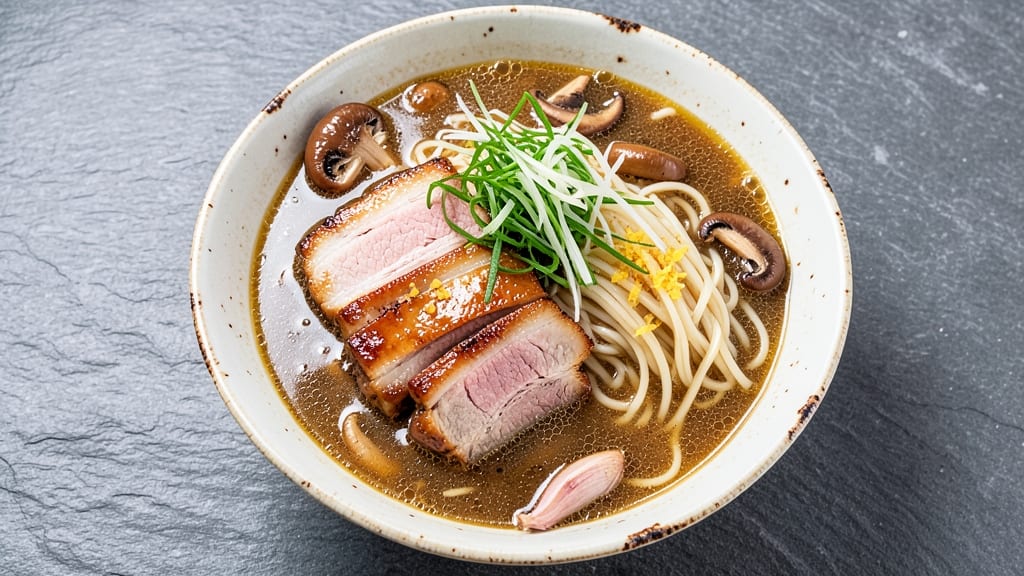
This authentic Japanese ramen soup recipe delivers the rich, umami-packed flavors of a Tokyo izakaya—deeply savory broth, silky noodles, and melt-in-your-mouth toppings like crispy chashu and cloud-like soft-boiled eggs.
What sets this apart is the broth-infused technique, where pork bones simmer for hours to extract collagen, creating a velvety, gelatinous base that coats every noodle. I’ve perfected the balance between traditional methods and home-kitchen practicality, so you can achieve restaurant-quality results without a specialized pot.
The foundation of great ramen lies in the broth—whether you choose tonkotsu (creamy pork), shoyu (soy-based), or miso (fermented depth).
Each type requires precise simmering times and ingredient ratios to develop that signature umami complexity, but the key is patience: a 12-hour simmer transforms tough pork bones into a luxurious, cloud-like liquid.
The noodles, freshly made or high-quality dried, absorb the broth’s essence, while the toppings—crispy chashu, marinated soft eggs, and quick-pickled vegetables—add layers of texture and contrast.
By the time you assemble your bowl, you’ll have a harmony of temperatures and textures: the steaming broth cradling al dente noodles, the crispy chashu cutting through the richness, and the silky egg yolk blending into the first spoonful.
This isn’t just a soup—it’s a full sensory experience, where every component plays a role in creating that addictive, broth-infused perfection that defines Japanese ramen.
The beauty of this recipe is its versatility: swap broth types for different regional styles, adjust toppings based on what you have, or even make the broth ahead and reheat it for convenience.
Whether you’re serving a crowd or treating yourself to a solo bowl, the result is authentic, satisfying, and impossible to resist. Let’s get started on crafting your perfect ramen.
Ingredients for authentic japanese ramen soup
Pork bones, marbled meat, and umami-rich mushrooms form the heart of this broth-infused ramen.
| Ingredient | Amount | Notes |
|---|---|---|
| Pork Bones (Chopped) 🥩 | 3 lb | Marbled, knuckle or neck preferred |
| Pork Shoulder (Chashu) 🥩 | 2 lb | Bone-in, fatty cut for crispiness |
| Dried Ramen Noodles 🍜 | 14 oz | High-quality, fresh or premium dried |
| Kosher Salt 🧂 | 2 tbsp | Diamond Crystal preferred |
| Dried Shiitake Mushrooms 🍄 | 6 whole | Rehydrated for umami depth |
| Garlic Cloves 🧄 | 12 cloves | Peeled, smashed for infusion |
| Fresh Ginger (Sliced) 🌿 | 4 slices | Thin, 1/4-inch slices |
| Green Onions 🧅 | 6 whole | White and green parts separated |
| Soy Sauce (Light) 🍶 | ½ cup | Japanese-style preferred |
| Sesame Oil 🫒 | 1 tbsp | Toasted for aroma |
| Large Eggs 🥚 | 4 whole | Fresh, marinated in soy |
| Rice Vinegar 🍶 | 2 tbsp | For pickled vegetables |
| Carrots 🥕 | 2 whole | Julienned for garnish |
| Napa Cabbage 🥬 | 4 cups | Shredded, quick-pickled |
| Chili Oil 🌶️ | 2 tbsp | Optional, for heat |
The pork bones are non-negotiable—look for knuckle or neck cuts with good marbling at Asian grocery stores or specialty butchers. If you can't find them fresh, frozen works (thaw overnight). The pork shoulder for chashu should be fatty—Costco or Whole Foods carry excellent cuts. For shiitake mushrooms, dried is best—Japanese markets sell them in bulk, or use rehydrated canned shiitake in a pinch. Fresh ginger and garlic? Buy extra—you'll use some for the broth, save some for the chashu marinade.
No soy sauce? Coconut aminos or tamari work in a bind, though Japanese-style light soy has that perfect balance. The sesame oil is for aroma only—use toasted if you can find it (check Trader Joe's or H Mart). For the eggs, marinate them in soy sauce for 30 minutes before cooking—the yolk should be runny, not fully set. Swapping the ramen noodles? Fresh egg noodles work beautifully if you can find them at an Asian market. The carrots and cabbage can be any color—purple or regular—just slice them thin for quick pickling.
The broth keeps for 5 days in the fridge and freezes for 3 months—make a double batch. Store chashu in broth to keep it moist, and the eggs can be marinated ahead. For the pickled vegetables, rinse and drain before using to avoid soggy noodles. This ramen tastes even better the next day as flavors meld—portion into containers for easy lunches.
Why You'll Love This Recipe
- Simmered in Minutes: The pork bones and shoulder? They practically cook themselves—just add water, salt, and let that broth work its magic while you prep the mushrooms. Honestly, the hardest part is waiting for the aroma to fill your kitchen.
- Umami Bomb: That crispy chashu, the deep earthiness of shiitakes rehydrating in hot broth, and the pork bones rendering into a rich, cloudy gold—it’s the kind of flavor that makes you pause mid-bite. Between us, it’s the only ramen I’ll crave after the first bowl.
- Weeknight Superhero: Need dinner fast? This feeds four in under an hour, and the leftovers? Even better the next day. I’ll make a double batch on Sundays—lunch is solved, and the freezer thanks me.
- Budget-Friendly Luxury: Pork bones and shoulder stretch into meals for days, and dried shiitakes cost pennies compared to fresh. It’s the kind of dish where you get restaurant-quality depth without the price tag. (Yes, even on a Tuesday night.)
Step-by-step instructions for authentic Japanese ramen broth
Here's the method I've perfected for building that rich, umami-packed ramen broth that forms the soul of this dish.
Prepare the Pork Bones and Chashu for Maximum Flavor
Start by rinsing the 3 lb pork bones (chopped) thoroughly under cold water to remove any blood or impurities. This ensures a clean, flavorful base for your broth. Pat them dry with paper towels and place them in a large stockpot. The bones should be completely submerged when you add water later.
For the 2 lb pork shoulder (chashu), score the fat cap in a crosshatch pattern using a sharp knife. This helps render the fat more evenly during cooking. Season the chashu generously with 2 tbsp kosher salt on all sides, pressing the salt into the meat so it penetrates deeply. Wrap the seasoned chashu tightly in plastic wrap and refrigerate for at least 2 hours—this step is crucial for developing that signature crispy exterior we're after.
Build the Broth Foundation with Aromatics and Shiitake
In a separate large pot, combine 6 whole dried shiitake mushrooms, 12 cloves garlic cloves (smashed), and 4 slices fresh ginger (sliced). Cover with 16 cups cold water and bring to a boil. Once boiling, reduce heat to a simmer and cook for 15 minutes to extract maximum umami from these ingredients. This infusion will form the aromatic base of your broth.
Strain the shiitake-garlic-ginger mixture through a fine-mesh sieve, pressing gently on the solids to extract every last bit of flavor. Discard the solids and return the infused water to the pot. Add the prepared pork bones and bring to a boil again. Once boiling, reduce heat to maintain a gentle simmer—this is where the magic happens. You want to see small bubbles breaking the surface but no vigorous boiling.
Simmer the Broth for Deep Flavor Development
Skimming is essential at this stage. Use a fine-mesh skimmer to remove any foam or impurities that rise to the surface during the first 30 minutes of simmering. This ensures a crystal-clear broth. After the initial skimming period, you can reduce skimming to every 15-20 minutes as the broth continues to cook.
Simmer the bones uncovered for 4 hours, maintaining a consistent gentle simmer (around 180-190°F). The broth should reduce by about one-third, becoming rich and deeply golden. This long, slow cook time is what develops that complex, layered flavor profile that defines authentic Japanese ramen. Don't be tempted to rush this process—patience here makes all the difference.
Prepare the Chashu and Vegetable Components
While the broth simmers, prepare the chashu by unwrapping it from the plastic. Pat it dry with paper towels and place it in a cold skillet. Cook over medium-low heat for 45-50 minutes, turning occasionally, until the fat renders completely and the meat becomes deep mahogany brown and crispy. The internal temperature should reach 195°F—this is the perfect doneness for chashu.
For the vegetables, quickly pickle the 4 cups napa cabbage and 2 whole carrots (julienned) by combining them with 0.5 cup soy sauce (light), 2 tbsp rice vinegar, and 1 tbsp sesame oil. Let this mixture sit at room temperature for 20 minutes before using. Separate the 6 whole green onions into white and green parts—the whites will be cooked in the broth while the greens will be used as garnish.
Assemble and Finish the Ramen
Strain the pork bones from the broth using a fine-mesh sieve, pressing gently on the bones to extract maximum flavor. Return the broth to the pot and bring to a gentle simmer. Add the white parts of the 6 whole green onions and simmer for 5 minutes to infuse their flavor.
Divide the 14 oz dried ramen noodles among four bowls. Ladle the hot broth over the noodles, filling each bowl about three-quarters full. For the eggs, gently lower each large egg into a cup of warm water (about 160°F) and let them cook for 4 minutes—this creates that perfect silky, runny center we love in ramen. Place one egg in each bowl of noodles and broth.
Top each serving with slices of crispy chashu, the quick-pickled vegetables, and a drizzle of 2 tbsp chili oil if using. Garnish with the green onion tops and a final drizzle of sesame oil for that authentic aroma. Serve immediately with chopsticks and a small bowl of soy sauce on the side for dipping.
Pro Tips For Making Authentic Japanese Ramen Soup
- Simmer Bones Low and Slow: I used to rush this step and end up with a broth that tasted like nothing but pork—no depth, no umami. For real flavor, simmer those chopped pork bones at a bare simmer (you should barely see bubbles) for at least 4 hours, ideally 6. The longer they cook, the more collagen turns to gelatin, and that’s what makes the broth silky and rich.
- Blanch Shiitake First: Dried shiitake straight into the broth? Nope. Rehydrate them first in hot water for 20 minutes, then blanch in boiling water for 30 seconds before adding to the pot. This removes the dirt and bitterness, so your broth stays clean and the mushrooms add pure umami without muddying the flavor.
- Salt the Broth in Stages: Don’t dump all the kosher salt in at once—taste as you go. Start with 1 teaspoon per liter of water, then add more gradually while simmering. The broth’s saltiness builds over time, and you’ll end up with a perfectly balanced base that doesn’t overpower the chashu or noodles.
- Rest Chashu Before Slicing: I learned this the hard way—slicing pork shoulder right after braising makes it turn to mush. Let it rest for at least 15 minutes under foil before cutting, so the juices redistribute. Thin, clean slices? That’s how you get them. No sad, greasy mess.
Make-ahead tips for leftovers
Broth Prep Ahead
Make the broth 2 days in advance for maximum flavor development. After the initial 4-hour simmer, let it cool completely, then refrigerate overnight. The fat will solidify on top—skim this off before reheating.
When ready to use, warm the broth on low heat or in a slow cooker on "warm" setting for 1-2 hours to maintain its rich texture. This method actually enhances the umami depth as flavors meld further. 🌡️
Chashu Make-Ahead
Cook the chashu 3 days ahead and store it in its rendered fat at room temperature. The meat continues curing, developing even more complex flavors. When reheating, warm in a 350°F oven for 15 minutes to restore crispiness.
For extra safety, reheat to an internal temp of 165°F before serving. I like to slice it thinly and store between parchment paper in an airtight container. 🥩
Egg Prep Strategy
Marinate the eggs in soy sauce 1 day ahead and store them in the refrigerator. When ready to cook, use the ice bath method: boil water, then lower eggs into ice water for exactly 4 minutes 30 seconds for perfect runny yolks.
This ensures consistent results even when making multiple batches. Keep cooked eggs submerged in cold water until serving to maintain their silky texture. 🥚
Noodle Prep Tips
Cook noodles just before serving for perfect texture, but you can prep them ahead by rinsing them in cold water and storing in an airtight container. For extra convenience, portion noodles into individual bowls and cover with plastic wrap.
When ready to assemble, simply ladle hot broth over them. I recommend using fresh egg noodles if you want that authentic chewiness. 🍜
Pickled Veggie Storage
Prepare pickled vegetables 1 day ahead and store in an airtight container in the refrigerator. The flavors intensify over time, becoming more tangy and sweet. Drain well before using to prevent soggy noodles.
For a quicker option, make them 30 minutes before serving. The acidity from rice vinegar helps balance the richness of the broth perfectly. 🥬
Complete Bowl Assembly
Assemble bowls just before serving to maintain crisp toppings and hot broth. Store all components separately: broth in a thermos, chashu in its fat, eggs in cold water, and pickled veggies in their marinade.
This keeps everything fresh and ready to assemble in minutes. For parties, set up a DIY ramen station with all components for customizable bowls. 🍜✨
Nutrition facts
Frequently asked questions
Can I make this ramen with chicken instead of pork?
While traditional ramen uses pork for its rich, fatty flavor, you can absolutely make a chicken version! Use 3 lb chicken bones (backbone, wings, or necks) and 2 lb chicken thighs for the chashu-style meat. The broth will be lighter but still deeply flavorful. For extra depth, add 1 tbsp fish sauce to the broth during simmering. The texture will differ slightly, but it works beautifully for those avoiding pork.
How do I know when the broth is ready?
The perfect ramen broth should be deep golden, slightly reduced (about one-third less than your starting volume), and have a gelatinous texture when chilled. It should coat the back of a spoon and have a rich, meaty aroma. If it's still cloudy after 4 hours, skim more frequently or extend simmering to 6 hours for deeper flavor. The color should be like amber tea, not pale or murky.
What's the best way to store leftover ramen?
Store components separately for best results: keep broth in the fridge for 5 days or freeze for 3 months (skim fat before freezing). Store chashu in its rendered fat in an airtight container, and keep eggs in cold water. Reheat broth on low heat—never microwave directly. Assemble fresh when ready to eat, adding hot broth to cold noodles to prevent sogginess. For leftovers, store assembled bowls for 2 days max.
Can I use instant ramen noodles?
While not traditional, you can use high-quality instant noodles in a pinch! Look for brands like Nissin Gold or Sapporo Ichiban that have better flavor. For authenticity, cook them for 1 minute less than package instructions (they'll finish cooking in the hot broth) and rinse briefly to remove excess starch. Fresh or premium dried noodles will always give better texture, but instant works for a quick version.
Why does my chashu turn out greasy instead of crispy?
Greasy chashu usually means the meat wasn't dry enough or cooked at too high heat. Always pat the meat very dry before cooking, and use medium-low heat to render fat slowly. Cook uncovered for even crisping. For extra crispiness, broil for 2 minutes at the end. The fat should be golden and crispy, not pooling as grease. If it's too greasy, drain on paper towels before slicing.