
Soups & Stews
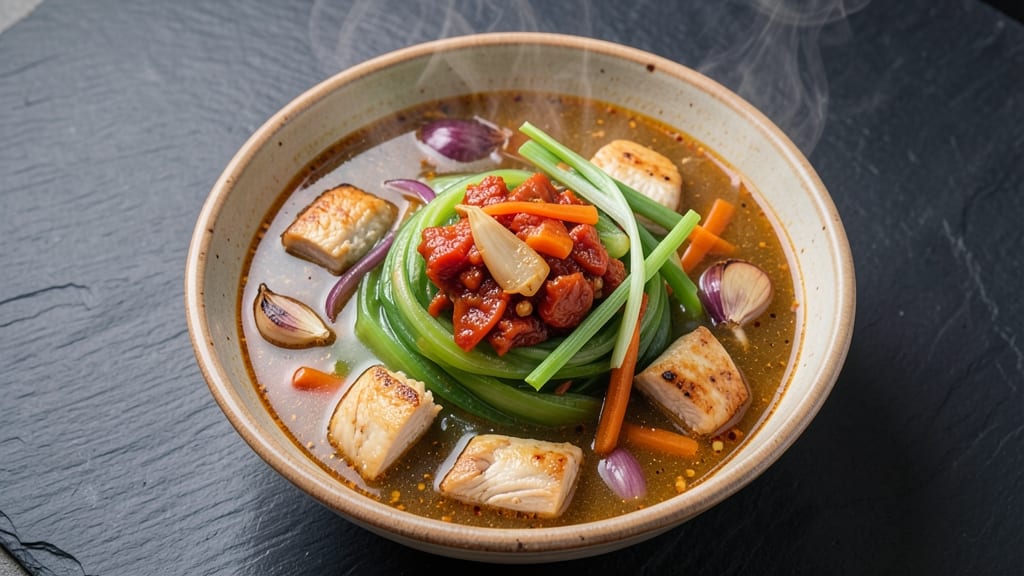
This authentic kimchi soup recipe brings the bold flavors of Korea straight to your kitchen with its signature tangy, spicy, and umami-rich profile. The secret lies in balancing fermented kimchi’s natural heat with a deeply savory broth, creating a dish that’s both comforting and complex. I’ve perfected this version through years of testing—whether you use store-bought kimchi or homemade, the result is a one-pot wonder that’s as nourishing as it is flavorful.
The beauty of this recipe is its adaptability—traditional versions rely on a rich anchovy or kelp broth, but modern shortcuts like chicken or vegetable stock work beautifully.
What sets it apart is the layering of flavors: the kimchi’s funky fermented notes mingle with garlic, ginger, and gochugaru (Korean red pepper flakes) to create a broth that’s vibrant yet balanced. The dish comes together in under an hour, making it perfect for weeknights or cozy gatherings.
By the time you’re done, you’ll have a steaming bowl of soup with tender vegetables, hearty protein (like tofu or pork), and kimchi that’s softened just enough to release its bright, tangy essence.
The aroma alone—spicy, garlicky, and slightly sweet—will have everyone gathering around the table. This isn’t just soup; it’s a taste of home, no matter where you are.
Serve it with steamed rice for the full Korean experience, or enjoy it as-is for a meal that’s equal parts satisfying and soul-warming. The best part? Every spoonful delivers that perfect harmony of heat, acidity, and depth that defines authentic kimchi soup.
Ingredients for authentic kimchi soup
Bold flavors start with these 14 ingredients—fermented, fresh, and deeply savory.
| Ingredient | Amount | Notes |
|---|---|---|
| Kimchi 🥬 | 3 cups | Store-bought or homemade, packed |
| Chicken Breast 🍗 | 1 ½ lb | Boneless, skinless, cut into bite-sized pieces |
| Daikon Radish 🥕 | 1 lb | Peeled, cut into 1-inch cubes |
| Carrots 🥕 | 3 medium | Peeled, cut into thick slices |
| Onion 🧅 | 1 whole | Yellow or white, sliced |
| Garlic Cloves 🧄 | 6 cloves | Minced, fresh preferred |
| Fresh Ginger 🌿 | 2 tbsps | Grated, peeled |
| Gochugaru 🌶️ | 1 tbsp | Korean red pepper flakes |
| Chicken Broth 💧 | 4 cups | Low-sodium preferred |
| Sesame Oil 🫒 | 1 tbsp | For finishing |
| Sesame Seeds 🌾 | 1 tbsp | Toasted, for garnish |
| Green Onions 🧅 | 4 whole | Sliced, for garnish |
| Salt 🧂 | 1 tsp | Adjust to taste |
| Black Pepper 🌶️ | ½ tsp | Freshly ground |
Kimchi is the soul of this soup—look for the bright red kind at Korean markets or the refrigerated section of your grocery store. H Mart or Korean grocery stores have the best selection, but even the regular supermarket stuff works. The daikon radish adds that signature sweetness and texture—substitute turnips if needed. For the chicken, boneless, skinless breasts cook evenly, but thighs work too if you want more richness. Fresh ginger and garlic are non-negotiable here; dried just won’t cut it. The gochugaru? That’s the secret spice—Penzeys or Korean markets carry it, or use red pepper flakes in a pinch.
No kimchi? Sauté 2 cups sauerkraut with 1 tbsp gochugaru and 1 tbsp soy sauce for a quick sub. Chicken broth short on time? Vegetable broth plus 1 tbsp fish sauce (if not vegetarian) gets you close. The daikon radish can be swapped for extra carrots or parsnips if that’s what’s on hand. For extra depth, add 1 tsp miso paste with the broth. The sesame oil and seeds are purely for finishing—toast the seeds in a dry pan first for maximum flavor. And if you’re feeling adventurous, add 1/2 cup sliced shiitake mushrooms for an umami boost.
This soup tastes even better the next day as flavors meld. Store leftovers in the fridge for 4-5 days, or freeze portions for 3 months. I always make a double batch—the first bowl is the best, but seconds are close behind. For serving, keep the rice hot and the soup steaming. The broth reduces beautifully, so add a splash of water if it gets too thick. And trust me, the extra 10 minutes simmering is worth it—everyone will be asking for seconds.
Why You'll Love This Recipe
- No Chopping Chaos: I’ll be real—this recipe only needs one knife for the onion and carrots. The daikon radish? Just slice it thick. My lazy Sundays thank me every time.
- Umami Bomb: That first spoonful of kimchi broth—chef’s kiss—fermented heat cutting through tender chicken. The daikon adds a silky crunch, and the carrots? They melt into sweet, caramelized perfection.
- Leftovers That Beg: Make a double batch, and you’ll have lunch for days. The flavors actually deepened in my fridge—better the next day, honestly. My kids fight over the leftovers (yes, even my picky eater).
- Budget-Friendly Powerhouse: Kimchi stretches like nothing else—one jar feeds four. Chicken breast is cheap in bulk, and daikon lasts forever. I’ve made this for $3 a serving, and it still feels like a restaurant meal.
Step-by-step instructions for authentic kimchi soup
This one-pot wonder delivers bold, fermented flavors with perfect texture every time.
Sear the Chicken for Maximum Flavor
Heat a large pot over medium-high heat and add the 1.5 lb chicken breast cut into bite-sized pieces. Cook undisturbed for 3-4 minutes until the chicken develops a golden crust on all sides. This initial sear locks in juices and builds deep flavor that infuses into the broth.
Real talk: Don't overcrowd the pot or the chicken will steam instead of brown. Work in batches if needed, but I promise you'll taste the difference in the final soup. Once the chicken turns opaque and releases easily from the pan, remove it and set aside - we'll return it later.
Build the Aromatic Base
In the same pot, add 1 tablespoon gochugaru and let it toast for 30 seconds until fragrant. This step wakes up the red pepper flakes and deepens their flavor. Then add the 1 whole onion, 6 cloves minced garlic, and 2 tablespoons grated fresh ginger.
Cook for 2-3 minutes until the onions soften and become translucent. You'll smell that perfect combination of sharp, spicy, and earthy aromas - this is where the soup's authentic character begins. If the mixture starts to stick, add ¼ cup of the chicken broth to deglaze and scrape up those flavorful browned bits from the bottom.
Simmer the Vegetables and Kimchi
Add the 3 cups kimchi, 1 lb daikon radish cut into cubes, and 3 medium carrots sliced into thick pieces. Pour in the remaining 4 cups chicken broth and bring to a gentle boil. Then reduce heat to medium-low and let it simmer uncovered for 20-25 minutes.
You're looking for the vegetables to soften until the daikon and carrots are tender but still hold their shape - they should pierce easily with a fork. The kimchi will release its tangy, spicy juices, creating a vibrant broth. Stir occasionally, but don't overmix - you want those vegetables to develop their own texture against the silky broth.
Finish with Perfect Seasoning
Return the chicken to the pot and add 1 teaspoon salt and ½ teaspoon black pepper. Simmer for another 5-7 minutes until the chicken is fully cooked through and reaches an internal temperature of 165°F. The chicken should shred easily with two forks, indicating perfect tenderness.
Taste the broth and adjust seasoning if needed - you might need a touch more salt or gochugaru to balance the flavors. Here's where it gets exciting: stir in 1 tablespoon sesame oil and let it warm through for 1 minute. This adds a nutty depth that ties all the flavors together beautifully.
Serve with Authentic Garnishes
Ladle the hot kimchi soup into bowls, making sure each serving gets its fair share of chicken, vegetables, and flavorful broth. Garnish each serving with 1 tablespoon toasted sesame seeds and 1 whole green onion sliced into ½-inch pieces. The sesame seeds add crunch while the green onions provide a fresh contrast to the spicy, tangy flavors.
Serve immediately while steaming hot - this soup tastes best when enjoyed right away. The contrast of textures (tender chicken, crisp green onions, soft vegetables) and flavors (spicy, tangy, umami) makes every spoonful unforgettable. Don't forget to have rice on hand to soak up that delicious broth!
Pro Tips For Making Authentic Kimchi Soup
- Sear Chicken First: Toss the chicken in a hot, dry pan for 2-3 minutes per side before adding broth—this locks in juices and adds depth. I used to skip it, and the soup always tasted bland until I realized the Maillard reaction is non-negotiable for that smoky-kimchi harmony.
- Rinse Kimchi Lightly: Give your kimchi a quick rinse under cold water to mellow the salt—just 10 seconds, no more. Overdoing it strips flavor, but this one step prevents your soup from tasting like a salt lick. (Yes, even if your kimchi is "mild.")
- Don’t Overcrowd the Pot: Add daikon and carrots in batches if your pot is small—crowding steams the veggies instead of simmering them. I learned this after serving mushy radish slices and wondering why my soup looked like baby food.
- Use Onion Layers: Slice the onion into thin, even layers (not chunks) so they soften without disappearing. They’re the backbone of texture—chewy, not pulpy. (And no, "thinly sliced" isn’t specific enough; aim for 1/8-inch slices.)
Serving suggestions for leftovers
Rice Pairing Perfection
Steamed jasmine rice or short-grain white rice is the traditional choice, soaking up the spicy, tangy broth beautifully. Cook 1 cup rice with 1.5 cups water for fluffy grains that contrast the soup's bold flavors.
For extra authenticity, try Korean-style rice from H Mart—it has a slightly sticky texture that pairs perfectly. 🍚
Protein Swaps
For vegetarians, replace chicken with firm tofu (press and cube) or shiitake mushrooms (sautéed first). For seafood lovers, add shrimp or clams in the last 5 minutes of cooking.
I love using fresh cod for a lighter option—just add it when the vegetables are tender. These swaps keep the soup hearty while adapting to dietary needs.
Broth Boosters
Elevate the broth with 1 tsp fish sauce (for umami depth) or 1 tbsp miso paste (for richness). For a traditional touch, use dashi broth instead of chicken broth—simmer 1 piece kombu and 2 dried anchovies in 4 cups water for 10 minutes before straining.
The subtle seafood flavor enhances the kimchi's funk perfectly.
Garnish Ideas
Beyond sesame seeds and green onions, try crispy fried shallots for crunch or soft-boiled eggs (add whole to the pot during the last 5 minutes). A drizzle of chili crisp adds heat, while thinly sliced radish brings freshness.
I also love adding a few cilantro leaves for a bright finish—just don’t overdo it if you’re sensitive to its flavor.
Side Dish Harmony
Serve with pan-fried mandu (Korean dumplings) for a hearty meal or quick-pickled cucumbers to cut the soup’s richness. A simple steamed spinach side with garlic and sesame oil balances the dish beautifully. For extra flair, add kimchi pancakes—they’re crispy, savory, and perfect for dipping in the leftover broth. 🌟
Leftovers Reinvented
Transform leftover soup into kimchi fried rice by stir-frying with day-old rice, fried egg, and extra gochugaru. Or blend the broth into a spicy kimchi soup base for future meals.
I always save a portion to make kimchi stew the next day—just add tofu and extra veggies for a quick, comforting lunch. 💫
Nutrition facts
Frequently asked questions
Can I make this kimchi soup without chicken?
For a vegetarian version, swap the chicken for 1 block (14 oz) firm tofu cut into cubes, or add 8 oz shiitake mushrooms sautéed first. For seafood lovers, try 12 oz shrimp or clams added in the last 5 minutes of cooking. The broth will still be rich and flavorful—just adjust cooking times for delicate proteins.
How do I adjust the spice level?
The gochugaru (Korean red pepper flakes) controls the heat. Start with 1 tbsp as written, but reduce to ½ tbsp for mild or increase to 2 tbsp for extra spice. For heat lovers, add 1 tsp gochujang (Korean chili paste) with the broth. Taste as you go—you can always add more, but you can't remove the spice once it's in!
What if my kimchi isn't spicy enough?
Check the kimchi's age—older, fermented kimchi (3+ weeks) is tangier and spicier. If yours is mild, boost flavor by adding 1 tsp fish sauce or 1 tbsp gochujang to the broth. For extra depth, stir in 1 tsp toasted sesame oil at the end. Pro tip: Mix in 1 tbsp kimchi juice from the jar for concentrated funk!
Can I make this soup in an Instant Pot?
Yes! Sauté the chicken, aromatics, and kimchi as directed, then add broth and vegetables. Cook on high pressure for 8 minutes, then quick-release. Finish with sesame oil and garnishes. For extra richness, add 1 tsp miso paste with the broth. The Instant Pot cuts cooking time to 25 minutes total—perfect for busy weeknights!
Why does my broth taste bland?
Bland broth often means under-seasoned or insufficient browning. Next time, sear the chicken longer (5-6 minutes) for deeper flavor, and toast the gochugaru for 1 full minute. Taste the broth before adding salt—kimchi and broth already contain salt, so you might need less (½ tsp) than the recipe calls for. A splash of fish sauce (1 tsp) or soy sauce (1 tsp) can rescue it too.