
Soups & Stews
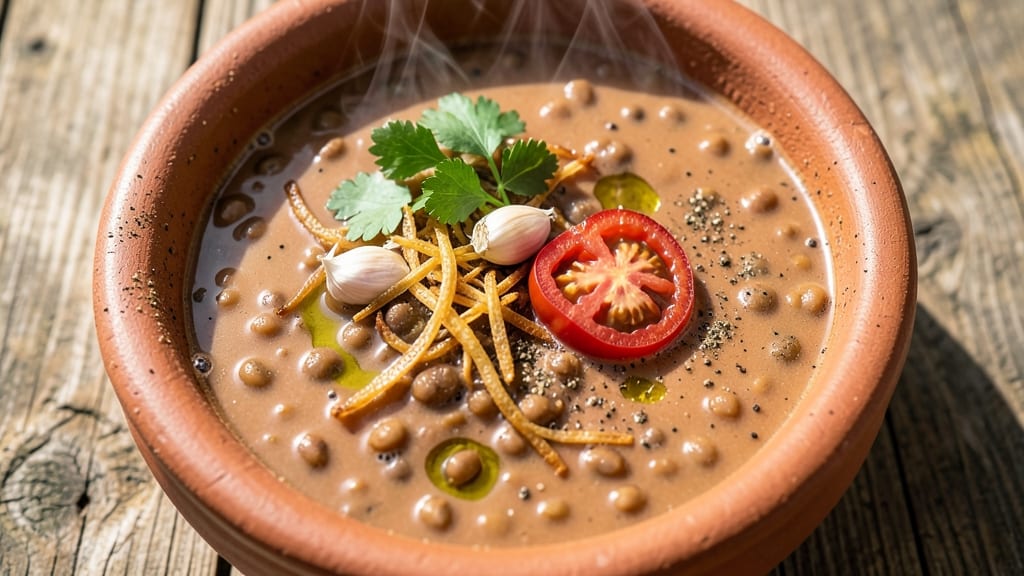
Authentic Lebanese lentil soup brings the bold flavors of the Middle East to your kitchen with earthy cumin, bright lemon, and tender brown lentils. This one-pot recipe delivers restaurant-quality results using traditional techniques that transform simple ingredients into something deeply satisfying. The secret lies in slow simmering and balancing spices—no shortcuts, just authentic taste.
What makes this recipe special is its cultural authenticity. Lebanese foul mudammas traditionally features brown lentils cooked with garlic, cumin, and allspice, then finished with a splash of lemon for brightness. The dish is vegan by nature, relying on plant-based ingredients like olive oil and fresh herbs for richness.
Unlike many Western lentil soups, this version stays thick and hearty while remaining light enough for any meal.
By the time you're done, you'll have a pot of fragrant, spice-infused soup with tender lentils swimming in a rich, garlicky broth. The lemon adds a tangy finish that cuts through the earthiness of the cumin, while a drizzle of olive oil and sprinkle of fresh herbs elevate every spoonful.
Serve with warm pita bread for the full Lebanese experience.
This recipe delivers more than just flavor—it's a taste of tradition that's surprisingly simple to recreate at home. The slow cooking process allows all the spices to meld together, creating layers of complexity that make this soup unforgettable. Ready to bring some Middle Eastern warmth to your table?
Ingredients for authentic lebanese lentil soup
Earthy cumin, garlicky depth, and bright lemon—these are the pillars of authentic Lebanese lentil flavor.
| Ingredient | Amount | Notes |
|---|---|---|
| Brown Lentils 🌾 | 1 ½ cups | Rinsed thoroughly before cooking |
| Extra-Virgin Olive Oil 🫒 | ½ cup | High-quality, fruity variety |
| Yellow Onion 🧅 | 1 whole | Finely diced, about 1.5 cups |
| Garlic Cloves 🧄 | 6 cloves | Peeled and smashed |
| Ground Cumin 🌿 | 1 ½ tbsp | Freshly toasted for depth |
| Ground Allspice 🌶️ | ½ tsp | Essential for authentic flavor |
| Ground Coriander 🍃 | 1 tsp | Adds citrusy warmth |
| Salt 🧂 | 1 ½ tsp | Diamond Crystal preferred |
| Black Peppercorns 🌶️ | ½ tsp | Freshly cracked |
| Fresh Lemon 🍋 | 1 whole | Juiced, zest reserved |
| Fresh Parsley 🌿 | ¼ cup | Chopped, for garnish |
| Vegetable Broth 💧 | 4 cups | Low-sodium preferred |
| Fresh Cilantro 🌿 | ¼ cup | Optional, for garnish |
| Fresh Mint 🍃 | 2 tbsp | Chopped, for garnish |
The lentils anchor this dish, so choose brown lentils—they hold their shape better than green and deliver that satisfying heartiness. Whole Foods or Trader Joe's carry excellent organic varieties, but any bulk bin lentils work if they're labeled 'brown.' Toasting the cumin and coriander in the olive oil before adding water is non-negotiable—this step unlocks their full aromatic potential. For the garlic, smash the cloves rather than mincing to prevent bitterness. The vegetable broth should be rich but not salty; Imagine or Pacific Foods brands are ideal for this recipe's delicate balance.
No fresh parsley? Dried parsley at one-third the amount works in a pinch, though it lacks the bright finish. Substituting allspice? Cinnamon at half the quantity mimics its warmth, but the earthy depth won't be identical. For the lemon, Meyer lemons add subtle sweetness, but regular lemons work perfectly. The cilantro and mint are purely decorative—skip them if you prefer a more traditional presentation. If you're short on time, pre-chopped frozen garlic saves steps without sacrificing flavor, though fresh is always better.
This soup tastes even better the next day as flavors meld. Store in an airtight container for up to 5 days in the fridge, or freeze portions for 3 months—the broth thickens beautifully when reheated. For serving, I like to portion into jars with the garnishes on top so each bowl feels special. The lentils can be pre-cooked and refrigerated separately for 2 days before finishing with the broth and spices. Always taste before serving; the lemon needs to brighten, not overpower, the earthy base.
Why You'll Love This Recipe
- No-Fuss Pantry Staples: I swear by this recipe when my fridge is bare. Brown lentils and cumin alone turn my pantry into a flavor bomb—no fancy ingredients needed. (Yes, even on a Tuesday night when you’ve forgotten to grocery shop.)
- Earthy Depth in Every Spoon: That slow-simmered onion and garlic, caramelized in olive oil until golden? It builds layers of warmth that make this soup feel like a hug. The cumin doesn’t just hint—it sings, especially when the lentils soften just enough to hold their shape.
- Meal Prep MVP: Double the batch and store it for days. The flavors actually improve after a night in the fridge—my lunchbox’s new best friend. (Pro tip: Freeze half for those “I have nothing” days.)
- Budget-Friendly Powerhouse: A pound of lentils feeds four for under $3. That’s protein, fiber, and soul-soothing goodness without breaking the bank. Honestly, I make it just to prove you can eat well without spending much.
Step-by-step instructions for authentic Lebanese lentil soup
This method delivers restaurant-quality depth with simple techniques you can master at home.
Toast the Spices for Maximum Flavor
Heat the 0.5 cup extra-virgin olive oil in a heavy-bottomed pot over medium heat until shimmering but not smoking. Add the 1 whole yellow onion and cook for 5-6 minutes until softened and translucent, stirring occasionally. This slow cooking develops the onion's sweetness.
Add the 6 cloves garlic cloves, 1.5 tablespoons ground cumin, 0.5 teaspoon ground allspice, and 1 teaspoon ground coriander. Toast for 30 seconds until fragrant—you should smell warm, earthy notes with a hint of citrus from the coriander. This toasting step unlocks the spices' full potential, creating the foundation for authentic Lebanese flavor.
Build the Soup Base with Proper Technique
Add the 1.5 cups brown lentils and stir to coat them evenly with the oil and spices. Pour in the 4 cups vegetable broth and bring to a gentle boil. Reduce heat to medium-low and simmer uncovered for 20 minutes, stirring occasionally to prevent sticking.
After 20 minutes, check the lentils—they should be tender but still hold their shape with a slight bite. If they're too firm, continue simmering for another 5-10 minutes. The key here is maintaining a gentle simmer—boiling too vigorously can make the lentils mushy. This stage develops the soup's rich, earthy character that defines Lebanese cuisine.
Finish with Acid and Herbs for Balance
Remove the pot from heat and stir in the 1.5 teaspoons salt and 0.5 teaspoon cracked black peppercorns. Add the juice and zest from the 1 whole fresh lemon—this bright citrus note cuts through the soup's richness and balances the earthy spices. Return to low heat and simmer for 5 minutes to meld the flavors.
Remove from heat again and stir in the 0.25 cup chopped fresh parsley, 0.25 cup chopped fresh cilantro, and 2 tablespoons chopped fresh mint. These herbs add freshness and visual appeal. Taste and adjust seasoning—you may need a touch more salt or lemon juice to achieve the perfect balance of earthy, spiced, and bright flavors that define this authentic Lebanese dish.
Rest and Serve for Optimal Texture
Let the soup rest for 10 minutes before serving. This resting period allows the flavors to fully develop and the lentils to absorb any remaining liquid, creating a more cohesive texture. The soup should have a thick, stew-like consistency with tender lentils that hold their shape.
Serve hot with crusty bread to soak up the flavorful broth. The perfect bowl should deliver layers of earthy cumin, warm allspice, citrus brightness from the lemon, and fresh herbal notes. Each spoonful should be balanced—never overpowering in any single flavor. This authentic Lebanese lentil soup is designed to be comforting yet vibrant, with every element working in harmony.
Pro Tips For Making Authentic Lebanese Lentil Soup
- Sauté the Onion Slow: I learned this the hard way—rushing the onion in olive oil makes the soup taste raw. Cook it on medium-low for 8-10 minutes until it’s soft, golden, and almost caramelized. That’s when the cumin should bloom properly, not burn.
- Toast the Cumin First: Skip adding cumin with the garlic. Instead, toast it dry in the pot for 30 seconds until it smells warm and nutty—this deepens the flavor way more than stirring it in later. (Yes, even if you’re impatient like me.)
- Use Two Garlic Cloves: I used to crush three or four, but two peeled cloves, minced fine, give the perfect balance without overpowering the lentils. Overdoing garlic makes the dish taste like a marinade, not soup.
- Simmer, Don’t Boil: After adding lentils and broth, keep the heat at a gentle simmer—not a rolling boil. Boiling breaks down the lentils too fast, turning them mushy instead of holding their shape. A steady simmer keeps them tender but intact.
Pro cooking tips for authentic lebanese lentil soup
Spice Toasting Mastery
Toast your spices in olive oil for 30 seconds—this releases their essential oils and unlocks deeper flavor. Use a heavy-bottomed pot to prevent burning, and stir constantly to avoid scorching.
I like to toast cumin first because its earthy notes form the base, then add allspice and coriander for complexity. Freshly toasted spices taste 10x better than store-bought blends. 🌿
Simmer Control Secrets
Keep your soup at a gentle simmer—not a rolling boil—to prevent mushy lentils. A medium-low heat setting (around 180°F) maintains even cooking. Stir every 5 minutes to distribute heat evenly.
If the broth reduces too quickly, add ¼ cup water to maintain consistency. This technique ensures tender lentils with perfect texture.
Lemon's Dual Role
Add lemon juice after simmering to preserve its bright acidity. Use 1 tablespoon zest for citrusy aroma without bitterness. The lemon should brighten, not dominate—balance it with another taste.
I often squeeze in extra lemon at the table for freshness. This step transforms earthy flavors into something vibrant and refreshing. 🍋
Resting for Perfection
Let the soup rest for 10 minutes before serving—this allows flavors to meld and lentils to plump. The resting phase also thickens the broth naturally. I find the first bowl always tastes best after this step.
For serving, drizzle with extra-virgin olive oil (about 1 tablespoon per bowl) to enhance richness. This finishing touch elevates the dish from good to restaurant-quality.
Herb Garnish Hacks
Chop parsley, cilantro, and mint just before serving to preserve their freshness. Use sharp scissors for clean cuts and even distribution. For extra flair, sprinkle herbs directly onto each bowl. If you're short on time, dried herbs (at half the quantity) work, though they lack the bright pop of fresh.
The herbs should add color and freshness without overpowering the earthy base. ✨
Broth Substitutions
Use low-sodium vegetable broth to control seasoning. For extra depth, add 1 teaspoon soy sauce or ½ teaspoon miso paste to the broth. If you're out of broth, water + 1 bouillon cube works in a pinch, but it lacks complexity.
The broth should complement, not compete with, the spices. Always taste and adjust salt accordingly. 💧
Nutrition facts
Frequently asked questions
Why does authentic Lebanese lentil soup use brown lentils instead of green?
Brown lentils hold their shape beautifully while absorbing flavors, creating that perfect hearty yet tender texture. Unlike green lentils, they don't turn mushy, which is crucial for the traditional Lebanese presentation. The slight bite in brown lentils also complements the earthy cumin and bright lemon perfectly.
Can I make this soup ahead of time?
This soup tastes even better the next day as flavors meld. Store in an airtight container for up to 5 days in the fridge. For freezing, portion into containers for 3 months—just thaw overnight in the fridge before reheating. The resting time actually improves texture and depth of flavor.
What's the secret to balancing the spices?
Toast the spices in olive oil for 30 seconds to unlock their full aroma. The key ratio is 3:1 cumin to allspice—cumin provides earthiness while allspice adds warmth. Finish with lemon juice to brighten the dish without overpowering. Taste as you go and adjust gradually.
How do I serve this authentically?
Traditionally, Lebanese foul mudammas is served with warm pita bread and a side of garlic sauce (made with chopped garlic, lemon, and olive oil). Drizzle each bowl with extra olive oil and fresh herbs before serving. The soup should be thick enough to coat a spoon but still have a light broth.
Can I substitute any ingredients if I'm missing something?
For allspice, use ½ tsp cinnamon (though it won't be identical). No fresh herbs? Use ⅓ tsp dried parsley but expect less brightness. For broth, water + 1 bouillon cube works in a pinch, but low-sodium vegetable broth is ideal. The lemon is essential—no substitute can replicate its bright acidity.