
Soups & Stews
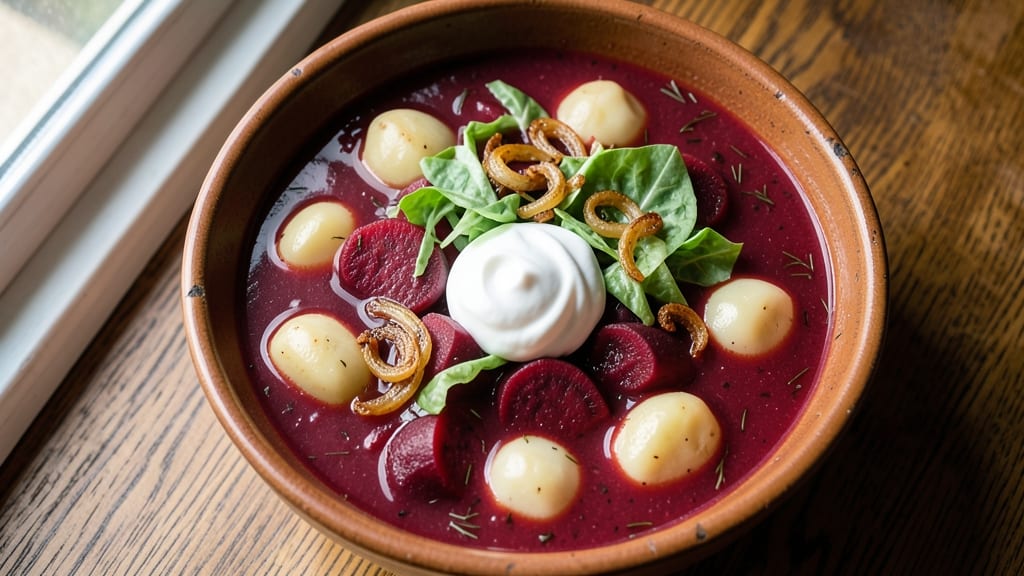
This authentic Russian borscht soup delivers the deep, earthy richness that makes it a staple across Eastern Europe. The secret lies in slow-cooked beets, tender cabbage, and a savory broth that simmers until every vegetable melds into perfect harmony.
Unlike lighter versions, this recipe captures the true soul of Russian cuisine—bold flavors balanced with just the right tang from a swirl of sour cream.
The foundation begins with properly cooked beets, which form the vibrant heart of the soup. Traditional techniques like layering vegetables in the broth and finishing with a smooth beet purée ensure that color and flavor remain consistent.
While meat additions like beef or pork are classic, this vegetarian version proves just as satisfying with its robust vegetable base.
What sets this borscht apart is its texture—a velvety broth that cradles bite-sized potatoes, cabbage, and carrots, all brightened by fresh dill and parsley. The final touch of sour cream adds a cooling contrast, while a sprinkle of fresh herbs elevates it from comforting to extraordinary.
Serve it with warm pampushki bread to soak up every last drop of that rich, beet-infused goodness.
Perfect for chilly evenings or special gatherings, this borscht brings tradition to your table with minimal fuss. The key to success is patience—letting the flavors develop over time transforms simple ingredients into something truly memorable. Let’s get started on creating your own taste of Russia.
Ingredients for authentic russian borscht soup
Six servings of vibrant beetroot richness await with these carefully selected ingredients.
| Ingredient | Amount | Notes |
|---|---|---|
| Medium Beets 🍠 | 2 lb | Fresh, peeled, cut into chunks |
| Russet Potatoes 🥔 | 2 lb | Peeled, cut into 1-inch cubes |
| Carrots 🥕 | 2 lb | Peeled, cut into 1-inch chunks |
| Green Cabbage 🥬 | 1 small | Shredded into thin strips |
| Yellow Onions 🧅 | 2 whole | Peeled, cut into half-moons |
| Garlic Cloves 🧄 | 6 cloves | Peeled, lightly crushed |
| Vegetable Broth 💧 | 6 cups | Low-sodium preferred |
| Tomato Paste 🍅 | ½ cup | High-quality, no sugar added |
| Apple Cider Vinegar 🍏 | 2 tbsp | For authentic tang |
| Fresh Dill 🌿 | ½ cup | Chopped, stems removed |
| Fresh Parsley 🌿 | ¼ cup | Chopped, for garnish |
| Sour Cream 🧀 | ½ cup | Full-fat for creaminess |
| Vegetable Oil 🫒 | ¼ cup | For sautéing vegetables |
| Salt 🧂 | 1 ½ tsp | Diamond Crystal preferred |
| Black Peppercorns 🌶️ | ½ tsp | Freshly ground |
The beets are the soul of this borscht, so choose vibrant, firm ones—avoid any with soft spots or blemishes. Whole Foods or local farmers markets often carry the best quality, but any reputable grocery store will suffice. For maximum flavor, roast the beets whole before peeling and cubing—this intensifies their natural sweetness. The cabbage should be crisp and heavy for its size, indicating freshness. If using a pre-shredded bag, rinse it thoroughly to remove excess moisture that can dilute the broth. Russian markets or specialty stores often carry the perfect cabbage variety for borscht, but any green cabbage will work in a pinch.
No fresh dill? Dried dill at one-quarter the amount works, though fresh is preferred for that bright, herbal note. Substituting apple cider vinegar? White vinegar or lemon juice will work, but the flavor profile shifts slightly. For the tomato paste, San Marzano is ideal—its sweetness complements the beets beautifully. The vegetable broth is non-negotiable for authenticity; avoid chicken or beef broth entirely. If you must use a bouillon cube, low-sodium vegetable bouillon is your best bet. The sour cream should be full-fat for that luxurious finish—Kefir or Greek yogurt can substitute if needed, though the texture will differ slightly.
Store the cooked borscht in airtight containers for up to 5 days in the refrigerator, though the flavors deepen overnight. For longer storage, freeze portions for up to 3 months. The sour cream should be added just before serving to maintain its creamy texture. To reheat, warm gently on the stove—never microwave, as it can break the emulsion and make the soup watery. The beet purée can be made ahead and stored separately for up to 1 week, saving you time on busy days.
Why You'll Love This Recipe
- No Chopping Chaos: I swear by the food processor for the beets and cabbage—just pulse, dump, and stir. Between us, I’ve burned my hands peeling raw beets twice, so this shortcut keeps things safe and fast.
- Earthy Depth Magic: That first sip of the beets and carrots simmered with onions? It’s like autumn in a bowl—sweet, tangy, and just enough sour from the vinegar to cut through the richness. The potatoes soak up all the flavor like sponges.
- Leftovers That Beg: This soup only gets better the next day. I make a double batch on Sundays, and by Wednesday, my coworkers are begging for the recipe. Honestly, the flavors meld even deeper in the fridge—no sad, watery soup here.
- Budget-Friendly Crowdpleaser: A single head of cabbage, a few potatoes, and a couple beets stretch to feed six for under $10. Add a dollop of sour cream and a boiled egg on top, and suddenly you’ve got a meal that feels fancy without the price tag. (Yes, even on a Tuesday night.)
Step-by-step instructions for authentic Russian borscht soup
Master this traditional recipe with precise techniques for vibrant color and layered flavors.
Prepare and Sauté the Vegetable Base
Heat the 0.25 cup vegetable oil in a large Dutch oven over medium heat. Add the 2 whole yellow onions cut into half-moons and cook for 5 minutes until translucent. This foundational step develops sweetness that carries through the entire soup.
Add the 2 lb carrots cut into chunks and continue cooking for 5 minutes until they begin to soften. Stir occasionally to prevent burning. The carrots should release their natural sugars, creating a caramelized base for the broth. This step ensures the vegetables develop proper flavor before combining with the broth.
Cook the Potatoes and Beets Separately
Transfer the onion-carrot mixture to a plate and set aside. In the same pot, add 2 cups of the vegetable broth and bring to a gentle simmer. Add the 2 lb russet potatoes cut into 1-inch cubes and cook for 8 minutes until they begin to soften but aren't fully tender.
In a separate saucepan, combine the 2 lb medium beets cut into chunks with the remaining 4 cups vegetable broth. Simmer for 15 minutes until the beets are fork-tender. This separate cooking prevents the broth from turning an unattractive gray color. The beets should be soft enough to mash slightly but still hold their shape when strained.
Build the Broth Foundation
Return the onion-carrot mixture to the Dutch oven and add the cooked potatoes. Pour in the remaining 2 cups vegetable broth and bring to a simmer. Stir in the 0.5 cup tomato paste and cook for 5 minutes to develop the tomato's umami depth. This step creates the rich, slightly tangy base that defines authentic borscht.
Add the 2 tbsp apple cider vinegar and 1.5 tsp salt. The vinegar adds the signature tang that balances the earthy beets and sweet potatoes. Simmer for 10 minutes to allow the flavors to meld. You'll notice the broth becoming more vibrant and developing a complex, layered taste.
Combine and Simmer the Vegetables
Strain the cooked beets, reserving the broth, and mash them slightly with a potato masher. Return the mashed beets to the pot along with their cooking liquid. Add the 1 small green cabbage shredded into thin strips and the 6 cloves garlic lightly crushed. Bring the entire mixture to a gentle simmer and cook for 15 minutes until all vegetables are tender.
Season with 0.5 tsp freshly ground black peppercorns. The pepper should be freshly ground to release its aromatic oils fully. Taste and adjust seasoning if needed, remembering that the sour cream added later will contribute additional flavor. The soup should be rich and balanced, with the beets providing natural sweetness and the vinegar adding bright acidity.
Finish and Serve with Traditional Garnishes
Remove the pot from heat and stir in the 0.5 cup fresh dill and 0.25 cup fresh parsley. These herbs add freshness and contrast to the deep flavors of the vegetables. Ladle the soup into bowls, leaving space at the top for the sour cream.
Serve immediately with a swirl of 0.5 cup sour cream on top of each serving. The cold, creamy sour cream provides a delightful contrast to the warm, hearty soup. For an authentic presentation, serve with a side of crusty rye bread to soak up every last drop of this vibrant, flavorful borscht.
Pro Tips For Making Authentic Russian Borscht Soup
- Cook Beets Twice: Peel and slice them first, then boil until fork-tender—about 10 minutes. Drain, cool, and peel off the skins again. This removes that weird earthy aftertaste and guarantees a smooth, deep red color. (Yes, it’s extra work, but your soup will look like it came from a Russian grandmother’s kitchen.)
- Sweat Onions Low: After dicing the onions, cook them on medium-low heat until they’re translucent but not brown—about 8-10 minutes. If you rush this, they’ll burn and turn bitter, and your borscht will taste like a smoky campfire instead of a homey soup. (I learned this the hard way with a pot of sad, charred onions.)
- Add Cabbage Last: Shred the cabbage finely and stir it in just 10 minutes before serving—it needs to stay crisp, not turn to mush. If you add it too early, you’ll end up with a watery, limp mess. (Pro move: Toss the shredded cabbage with a pinch of salt first to soften the edges slightly.)
- Use Potato Starch: Mash one of the potatoes raw into the broth near the end—it thickens the soup naturally without gumming it up like flour. Skip the roux unless you’re aiming for a heavy, Eastern European-style borscht. (This is the trick my babushka used to make her soup silky instead of gluey.)
Essential equipment for great authentic russian borscht soup
Dutch Oven Essentials
A 6-8 quart Dutch oven is non-negotiable for authentic borscht—its heavy base distributes heat evenly, preventing scorching while simmering vegetables for hours. I recommend a Lodge cast iron Dutch oven for its durability and heat retention.
If you don’t own one, a heavy-bottomed stainless steel pot works too, though it may require more attention to prevent hot spots. The deep sides prevent spills when adding sour cream at the end, and the tight lid traps steam for consistent cooking. 🔥
Beet Cooking Tools
For perfect beets, invest in a mandoline slicer to achieve uniform chunks—this ensures even cooking and a velvety texture. I use my OXO Good Grips mandoline with the 4mm thick slicer for consistent results.
If you prefer hands-on prep, a sharp chef’s knife and cutting board work fine, but be patient—uneven pieces can lead to some beets overcooking while others remain firm. A fine-mesh strainer is also essential for separating beets from their cooking liquid without losing flavor.
Broth Simmering Setup
Low-and-slow simmering is key, so a digital thermometer like the Thermoworks Sous Vide ensures your broth stays between 185°F–195°F—ideal for extracting maximum flavor without boiling off liquids. Place the thermometer probe in the broth, not touching the pot’s bottom.
A wooden spoon helps stir gently without scratching your Dutch oven’s surface. For larger batches, a slow cooker on low works too, but watch the pot’s capacity—borscht expands as it cooks! ⏱️
Herb and Garnish Prep
Fresh herbs make all the difference, so a small sharp knife and herb scissors speed up chopping dill and parsley. I like to store chopped herbs in a glass jar with a splash of water in the fridge—they stay fresher longer.
For serving, a ladle with a deep well (like the OXO Good Grips serving spoon) helps portion sour cream neatly. A small whisk blends any lumps in the beet purée if you prefer a smoother texture. Keep these tools handy for the final assembly—they elevate presentation effortlessly.
Storage Containers
For leftovers, glass Pyrex storage containers with airtight lids preserve borscht’s vibrant color and prevent odors from seeping in. I use 8x8-inch containers for individual servings—they reheat evenly on the stovetop. For freezing, quart-sized freezer bags with labels (date + “borscht”) save space in your freezer.
Avoid metal containers—they can react with acidic ingredients over time. Label everything clearly, as reheated borscht looks different but tastes just as rich! ❄️
Nutrition facts
Frequently asked questions
Why does authentic Russian borscht need to simmer for so long?
The long simmering time—typically 45-60 minutes—allows the vegetables to meld into a harmonious blend rather than remaining distinct. This slow cooking process deepens the flavors, especially the beets, which develop their signature sweetness and vibrant color. The cabbage softens perfectly, and the broth absorbs all the nuanced tastes, creating that rich, comforting texture we all love.
Can I make borscht without beets?
While beets are essential for authentic borscht, you can create a similar vegetable-based soup by using a combination of carrots, tomatoes, and a splash of red wine vinegar for color and acidity. However, the flavor profile will differ significantly—beets provide a unique earthy sweetness that's hard to replicate. For a closer substitute, try adding 1 cup of cooked red potatoes and a pinch of beet powder for color.
What's the best way to store leftover borscht?
Store borscht in airtight glass containers in the refrigerator for up to 5 days, or freeze for 3 months in freezer-safe bags. The key is to add sour cream only when reheating—it separates when chilled. For reheating, warm gently on the stove over low heat until steaming (never boiling) to preserve texture. The flavors actually improve after the first day!
How can I make my borscht less acidic?
If you find the vinegar too sharp, reduce the amount to 1 tablespoon and balance with an extra ½ teaspoon of sugar or 1 extra potato for natural sweetness. For a creamier, less tangy version, stir in an additional ¼ cup of sour cream at the end. The key is to taste as you go—authentic borscht should have a bright acidity that cuts through the richness.
What's the difference between Russian and Ukrainian borscht?
While both are beet-based soups, Russian borscht often includes meat (beef or pork) and a thicker consistency, while Ukrainian versions tend to be more vegetable-forward with a lighter broth. Russian borscht also traditionally features sour cream swirls and sometimes a layer of potatoes at the bottom, creating visual depth. Ukrainian borscht may include more herbs and sometimes beans for extra protein. Both are delicious—it's really about personal preference!