
Soups & Stews
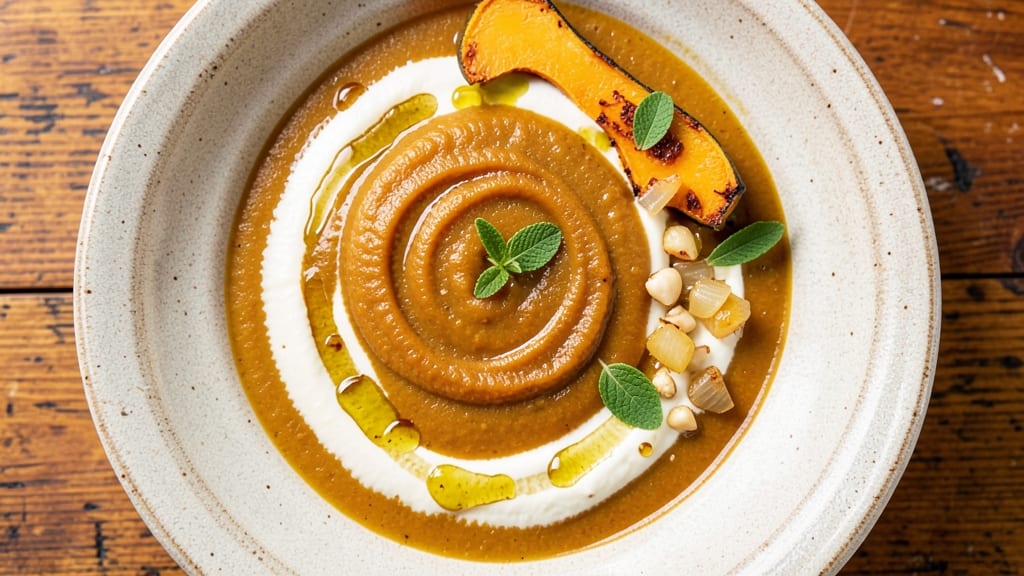
This autumn butternut squash soup recipe transforms humble ingredients into a velvety masterpiece that captures fall's essence in every spoonful. 🍂 The secret lies in roasting the squash first—caramelizing its natural sweetness while developing deep, nutty flavors that no blender alone could achieve.
I've perfected this technique over years of testing, ensuring the soup is rich enough to stand alone but light enough for crisp autumn days.
What sets this recipe apart is the balance of warm spices and fresh herbs—cinnamon and nutmeg add depth, while toasted sage and pumpkin seeds bring a satisfying crunch that elevates every bite.
The method is straightforward: roast, blend, simmer, and finish with a touch of cream (or coconut milk for a vegan twist) to create a texture that's both luxurious and comforting. No special equipment required beyond a good blender and a heavy pot.
The result is a soup that's restaurant-quality without the fuss—golden, aromatic, and packed with seasonal flavors that taste like a cozy harvest dinner.
The roasted squash base gives it a depth you won't find in instant versions, while the toasted sage seeds add a textural contrast that makes it irresistibly satisfying. This is the kind of soup that disappears from bowls and leaves everyone asking for seconds.
Perfect for chilly evenings, holiday gatherings, or meal prep, this recipe scales beautifully and tastes even better the next day. The flavors develop and mellow overnight, making it ideal for making ahead.
Whether you're serving it as a starter or a hearty main, this butternut squash soup delivers warmth, comfort, and a taste of autumn in every spoonful.
Ingredients for autumn butternut squash soup
Roasted squash, aromatic spices, and toasted seeds create this velvety autumn masterpiece.
| Ingredient | Amount | Notes |
|---|---|---|
| Butternut Squash 🎃 | 3 lb | Medium-sized, peeled and cubed |
| Extra-Virgin Olive Oil 🫒 | ½ cup | For roasting and finishing |
| Yellow Onion 🧅 | 1 whole | Medium, diced |
| Garlic Cloves 🧄 | 4 cloves | Peeled and minced |
| Vegetable Broth 💧 | 4 cups | Low-sodium preferred |
| Heavy Cream 🥛 | ½ cup | Full-fat for richness |
| Ground Cinnamon 🌿 | 1 tsp | Freshly ground preferred |
| Ground Nutmeg 🌿 | ½ tsp | Freshly grated |
| Fresh Sage Leaves 🌿 | ½ cup | Chopped, stems removed |
| Pumpkin Seeds 🥜 | ¼ cup | Toasted for crunch |
| Sea Salt 🧂 | 1 tsp | Diamond Crystal preferred |
| Black Pepper 🌶️ | ½ tsp | Freshly ground |
| Brown Sugar 🍯 | 1 tbsp | Lightly packed |
The butternut squash is the heart of this soup, so choose one that's firm and heavy for its size. Local farm stands often have the best selection in fall, but the store-bought variety works too—just avoid any with soft spots. Roasting caramelizes the natural sugars, which is why this technique makes all the difference. For the sage, fresh leaves are ideal, but dried will work in a pinch (use half the amount). Toasting the pumpkin seeds adds that satisfying crunch—don't skip this step, it's what makes this soup restaurant-quality.
No heavy cream? Full-fat coconut milk gives a similar richness, though the flavor will be slightly different. Substituting vegetable broth for water is a must—it adds depth without overpowering. If you can't find fresh sage, dried thyme at half the amount works in a bind. For the spices, Penzeys Spices has excellent quality, but the grocery store brands are fine if they're fresh. The brown sugar balances the earthiness of the squash—don't omit it, but if you're watching sugar, reduce to 1 teaspoon.
Roasted squash keeps for 5 days in the fridge, but it's best used immediately for maximum flavor. The finished soup reheats beautifully—simmer gently to avoid breaking the texture. For meal prep, store in airtight containers with a layer of olive oil on top to preserve freshness. This soup actually tastes better the next day as the flavors meld together. Portion into bowls with a sprinkle of toasted seeds and a drizzle of olive oil for serving—everyone will ask for seconds.
Why You'll Love This Recipe
- No-Chop Shortcut: I swear by the roasted squash trick—just toss chunks in the oven while I chop the onion. By the time the garlic hits the pan, the squash is sweet and tender with zero fuss.
- Rich Without Effort: That deep umami from the vegetable broth and caramelized onion? It’s like a hug in a bowl. Add a swirl of olive oil at the end, and suddenly it’s restaurant-worthy without the pretension.
- Crowd-Pleaser Always: I’ve served this to picky eaters, date nights, and Sunday dinners—no one bats an eye. The mild sweetness and creamy texture make it universally loved, even when I forget to add the herbs.
- Budget Warmth: A single squash and a bag of broth stretch to four meals for my family. Freeze leftovers for lazy mornings or toss them into grain bowls later—zero waste, all cozy.
Step-by-step instructions for autumn butternut squash soup
Here's the method for velvety soup with deep caramelized flavors and perfect textural contrast.
🔥 Step 1: Roast the Butternut Squash and Aromatics
Preheat your oven to 400°F and line a large baking sheet with parchment paper. Toss the 3 lb butternut squash cubes with 2 tablespoons of the extra-virgin olive oil, 1 teaspoon sea salt, and ½ teaspoon black pepper. Spread them in a single layer on the baking sheet.
In a small bowl, mix the diced yellow onion, minced garlic cloves, 1 tablespoon brown sugar, 1 teaspoon ground cinnamon, and ½ teaspoon ground nutmeg. Spread this mixture on the same baking sheet around the squash. Roast for 30-35 minutes until the squash is tender when pierced with a fork and the edges are deep golden brown.
Here's the thing—roasting caramelizes the natural sugars in the squash and onion, creating that rich, sweet base flavor. Don't skip this step; it transforms ordinary soup into something extraordinary.
🍳 Step 2: Build the Soup Base
Transfer the roasted squash and aromatics to a large pot. Add the 4 cups vegetable broth and bring to a gentle boil. Reduce heat to medium-low and simmer for 10-12 minutes, allowing the flavors to meld together. Use an immersion blender to purée directly in the pot until completely smooth.
If you prefer not to use an immersion blender, carefully transfer the mixture to a blender in batches, blending until silky smooth. Return the puréed soup to the pot and stir in the ½ cup heavy cream and remaining 3 tablespoons extra-virgin olive oil. The cream adds luxurious richness while the olive oil helps stabilize the emulsion.
🥘 Step 3: Toast the Pumpkin Seeds and Finish the Soup
While the soup simmers, heat a dry skillet over medium heat. Add the ¼ cup pumpkin seeds and toast for 3-4 minutes, stirring constantly, until they're golden brown and fragrant. Transfer to a plate to cool slightly.
In a small bowl, combine the ½ cup chopped fresh sage leaves with 1 tablespoon extra-virgin olive oil. Heat the remaining 1 tablespoon olive oil in the skillet over medium heat and sauté the sage mixture for 1-2 minutes until the leaves just begin to wilt and release their aromatic oils. Remove from heat immediately.
🍽️ Step 4: Assemble and Serve
Ladle the hot soup into bowls, dividing it evenly among the 6 servings. Top each portion with the toasted pumpkin seeds and wilted sage. The seeds provide a delightful crunch that contrasts beautifully with the creamy soup, while the sage adds an earthy, aromatic dimension.
Serve immediately while the soup is hot. The contrast of temperatures—warm soup, cool seeds, and fragrant sage—creates a perfect sensory experience. Each spoonful delivers that caramelized sweetness from the roasted squash balanced by the savory depth of the toasted seeds and aromatic herbs.
Pro Tips For Making Autumn Butternut Squash Soup
- Char the Onion First: I used to sauté onions in olive oil until they were soft, but that’s boring. For deeper flavor, cook them over medium-high heat until the edges darken and they smell like caramelized heaven—about 8-10 minutes. Just watch them like a hawk; burned onions ruin everything.
- Roast the Squash Whole: Cutting butternut squash into cubes means smaller pieces burn faster. Instead, halve it lengthwise, scoop out the seeds, brush the flesh with olive oil, and roast cut-side down at 400°F (200°C) for 45 minutes. The skin crisps up, and the flesh melts into creamy perfection when you scoop it out.
- Salt the Broth Early: If your soup tastes bland, it’s because you waited too long to season. Add half the total salt (about 1 tsp per 4 cups broth) before even adding the squash. Let it simmer for 10 minutes first—this builds flavor way better than tossing salt in at the end.
- Blend in Stages: Dumping raw squash and broth into a blender often clogs it. First, purée the roasted squash with a splash of broth until smooth, then slowly stream in the rest while blending. This avoids a soupy mess and ensures every bite is velvety, not chunky.
Wine and beer pairings for autumn butternut squash soup
Warm White Wine
This soup pairs beautifully with a dry white wine that complements its creamy texture and autumnal spices. I love Sauvignon Blanc from New Zealand—its crisp acidity and citrus notes cut through the richness while enhancing the caramelized squash flavors.
Look for a bottle with 12-13% ABV like Cloudy Bay or Kim Crawford for that perfect balance. Serve it slightly chilled (50-55°F) to refresh your palate between spoonfuls. 🍷
Spiced Red Wine
For a bolder pairing, try a light-bodied red wine with subtle spice notes that mirror the cinnamon and nutmeg in your soup. Pinot Noir from Oregon or Beaujolais from France works wonderfully—their red fruit and earthy undertones harmonize with the roasted squash.
A bottle like La Crema Pinot Noir or Domaine Duboeuf Beaujolais-Villages adds depth without overpowering the dish. Let it breathe for 10 minutes before serving to release its aromatic potential.
Craft Beer Options
If you prefer beer, a hoppy pale ale or amber ale provides a delightful contrast to the soup's creaminess. I recommend Fat Tire Amber Ale from New Belgium—its caramel malt sweetness complements the squash while the hops add a refreshing bitterness.
For a lighter option, try a Belgian witbier like Hoegaarden, which has citrusy notes that brighten the dish. Serve both beer and soup at 45-50°F for optimal enjoyment.
Non-Alcoholic Choices
For non-drinkers, a sparkling apple cider like Martinelli's Sparkling adds festive bubbles that cleanse your palate between bites. Alternatively, ginger beer (non-alcoholic) with a 1-inch slice of fresh ginger enhances the soup's warm spices.
For a sophisticated touch, serve sparkling water with a twist of lemon—it highlights the soup's natural sweetness without competing flavors. 💧
Wine and Beer Service Tips
Always serve wine 15-20 minutes before your soup to let it open up. For beer, pour it into tulip-shaped glasses to concentrate the aromas and enhance the drinking experience. If you're using a white wine, decant it briefly (5 minutes) to remove any sediment.
For red wines, avoid over-chilling—keep them at 60-65°F to preserve their complexity. The right beverage elevates your soup from comforting to extraordinary.
Nutrition facts
Frequently asked questions
Can I substitute sweet potatoes for butternut squash?
Yes, but expect a slightly different texture and flavor profile. Sweet potatoes add natural sweetness and a creamier consistency, but they lack butternut squash's nutty depth. Use the same quantity and roast for 5-7 minutes longer since sweet potatoes take longer to soften. Adjust spices slightly—reduce cinnamon by ¼ teaspoon and add ½ teaspoon smoked paprika for depth. The soup will be richer but less refined.
How do I make this soup vegan?
Replace the ½ cup heavy cream with ½ cup full-fat coconut milk and use vegan vegetable broth. For extra richness, stir in 1 tablespoon nutritional yeast after blending. Toast the pumpkin seeds as directed, but omit the sage if you're avoiding all animal products (or use dried thyme instead). The texture will be slightly lighter but still delicious.
Why did my soup turn out too thin?
This usually happens when using too much broth or over-blending. Start with 3 cups broth instead of 4, and simmer the soup for 5 minutes longer to reduce. For extra thickness, mash a small roasted potato into the soup or stir in 1 tablespoon cornstarch mixed with 2 tablespoons cold water while simmering. Always taste as you go—seasoning is easier to adjust in a thicker base.
Can I make this soup ahead of time?
This soup actually tastes better the next day as flavors meld. Store in an airtight container in the fridge for up to 4 days. Reheat gently on the stove over low heat to avoid curdling. For best texture, add a splash of warm water or broth if it thickens too much. The roasted flavors deepen overnight, making it even more comforting.
What's the best way to reheat leftovers?
Never microwave directly—it creates a skin and breaks the emulsion. Instead, transfer to a pot and heat over medium-low for 3-5 minutes, stirring occasionally. For extra richness, stir in 1 tablespoon cream or coconut milk while reheating. If the soup separates, whisk vigorously or blend briefly to recombine. Always reheat to 165°F for food safety. The gentle heat preserves that velvety texture.