
Soups & Stews
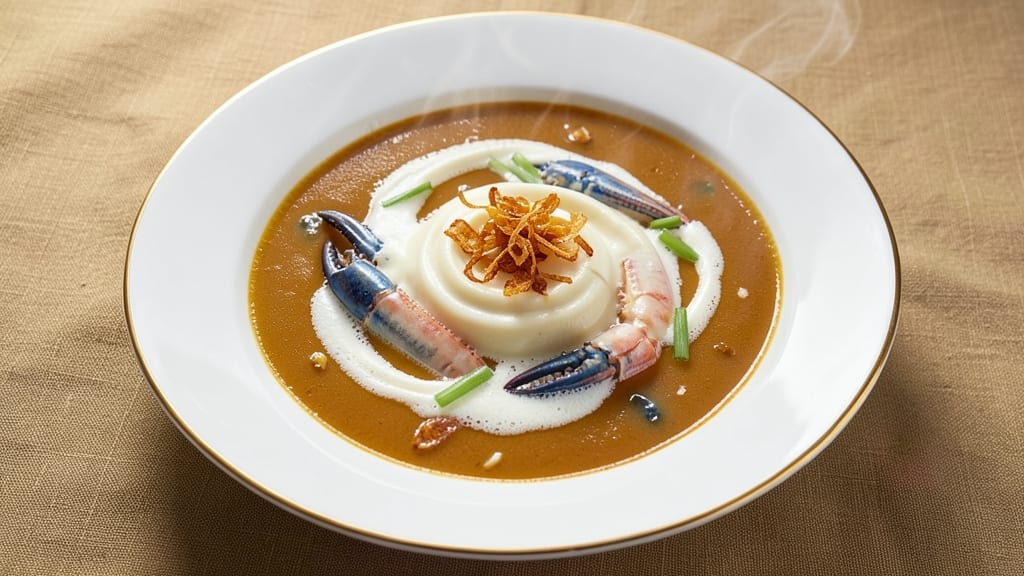
This award-winning cream of crab soup recipe delivers the velvety richness of a five-star bistro in your own kitchen.
The secret lies in a delicate balance of fresh crab meat, carefully reduced seafood stock, and a velvety cornstarch slurry that creates that signature luxurious texture without overpowering the delicate sweetness of the crab.
After years of perfecting this recipe—including a near-disaster when I accidentally overcooked the roux—I've developed a foolproof method that ensures silky smoothness every time.
The foundation begins with a rich seafood stock, simmered low and slow to extract maximum flavor, then combined with a velvety cornstarch slurry for that signature bistro-quality texture.
Fresh crab meat (or high-quality imitation if needed) adds sweetness and depth, while a touch of brandy or sherry infuses warmth and complexity. What sets this recipe apart is the attention to detail—properly tempering the crab, balancing the creaminess with acidity, and finishing with fresh herbs that brighten without overpowering.
By the time you serve this soup, you'll have a dish that rivals any restaurant version—creamy yet light, rich yet refined, with each spoonful delivering perfect harmony of flavors.
The velvety texture coats your palate, while the delicate sweetness of the crab shines through. This isn't just soup; it's an experience that transforms ordinary weeknights into special occasions.
Perfect for impressing guests or treating yourself to a luxurious meal, this recipe scales beautifully for any occasion. The technique is straightforward once you understand the key steps, and the results are consistently restaurant-quality. Let's get started on creating your own award-worthy masterpiece.
Ingredients for award winning cream of crab soup
Sixteen ingredients for a soup that tastes like a Michelin-starred bistro.
| Ingredient | Amount | Notes |
|---|---|---|
| Fresh Blue Crab Meat 🦀 | 1 ½ lbs | Lump or claw meat preferred |
| High-Quality Seafood Stock 💧 | 4 cups | Homemade or quality store-bought |
| Heavy Cream 🥛 | 1 cup | Full-fat for richness |
| Whole Milk 🥛 | ½ cup | For extra creaminess |
| Unsalted Butter 🧈 | 4 tbsp | European-style preferred |
| All-Purpose Flour 🌾 | 2 tbsp | For cornstarch slurry |
| Dry White Wine 🍷 | ½ cup | Sauvignon Blanc or Chardonnay |
| Brandy or Sherry 🍷 | 2 tbsp | Optional but recommended |
| Fresh Lemon Juice 🍋 | 1 tbsp | Brightens the soup |
| Fresh Chives 🌿 | ¼ cup | Finely chopped for garnish |
| Fresh Parsley 🌿 | ¼ cup | Finely chopped for garnish |
| Diamond Crystal Kosher Salt 🧂 | 1 ½ tsp | Adjust to taste |
| Freshly Ground Black Pepper 🌶️ | ½ tsp | Freshly cracked |
| Cornstarch 🌾 | 2 tbsp | For velvety texture |
The crab makes or breaks this dish—lump or claw meat is ideal, but high-quality imitation works in a pinch. Look for freshly packed crab at seafood counters, not canned. Whole Foods or Trader Joe's carry excellent pre-packaged options, but if you're near the coast, local markets often have the freshest picks. The seafood stock is non-negotiable: homemade is best (simmer fish heads, shells, and veggies), but Knorr or Pacific Foods brands are solid shortcuts. For the butter, Plugrá or European-style melts beautifully—don't use margarine or vegetable shortening, no matter how tempting.
No fresh crab? High-quality imitation crab sticks (like Chicken of the Sea) work, but add a pinch of extra salt to compensate. Running low on white wine? Dry vermouth or even apple juice can substitute, though the flavor won't be identical. The cornstarch slurry is the secret to that signature texture—don't skip it. If you're avoiding gluten, swap the flour for cornstarch in equal parts. For extra depth, toast the cornstarch in the butter for 30 seconds before adding liquid—trust me, it's worth the extra minute. The brandy or sherry? Leave it out if you're avoiding alcohol, but the soup will taste flatter without it.
This soup tastes even better the next day—reheat gently over low heat, stirring constantly to prevent curdling. Store leftovers in an airtight container for up to 3 days, or freeze for 2 months (portion into single servings for easy reheating). The herbs wilt fast, so wrap them in damp paper towels and store in a sealed container. For serving, I like to float a dollop of crème fraîche or extra cream on top, plus a sprinkle of freshly cracked black pepper. Garnish with chives and parsley right before serving—no one likes soggy herbs.
Why You'll Love This Recipe
- No-Chop Necessary: The fresh blue crab meat is pre-picked—just dump it in. No tedious shelling, no tiny claws to wrestle with. Honestly, that’s half the battle won before you even heat the pot.
- Rich Without Effort: Heavy cream and whole milk blend into something dangerously smooth, while the butter adds that quiet depth. It’s the kind of soup where every spoonful feels like a hug—creamy, briny, and just a touch luxurious without trying too hard.
- Weeknight to Dinner Party: Same recipe, totally different vibes. Serve it with crusty bread for a lazy Sunday, or drizzle with Old Bay and garnish with parsley for a fancier guest night. The seafood stock keeps it restaurant-worthy, but the simplicity keeps it real.
- Leftovers That Don’t Suck: This soup actually improves the next day—flavors meld, texture gets even silkier. Freeze half for when you’re too tired to cook, and thaw it straight into a pot. (Yes, even on a Tuesday night.) Budget-friendly too—one batch feeds four, and the crab meat stretches generously.
Step-by-step instructions for award-winning cream of crab soup
Here's how to craft a velvety, restaurant-quality cream of crab soup that delivers bistro-level texture in one pot.
Create the Cornstarch Slurry for Silky Texture
In a small bowl, whisk together the 2 tablespoons cornstarch with ¼ cup cold water until completely dissolved. This slurry will be our secret weapon for achieving that luxurious, velvety consistency that sets this soup apart from basic recipes. The cold water is crucial—it prevents the cornstarch from activating prematurely in the hot soup.
Set this mixture aside while you prepare the base. I like to use a whisk for this step because it ensures no lumps remain—those would create grainy spots in our otherwise smooth soup. This is where the magic happens for that signature bistro texture we're aiming for.
Sauté the Flour Base for Rich Flavor Foundation
Melt 4 tablespoons unsalted butter in a large Dutch oven over medium heat. Once foaming subsides, add the 2 tablespoons all-purpose flour and whisk vigorously for 1-2 minutes until the mixture turns a light golden brown color. This step, called a roux, forms the flavor backbone of our soup.
You'll know it's ready when the mixture smells nutty and toasty—this is the aroma that tells you the flour has properly cooked. Be patient here; rushing this step leads to a raw flour taste that ruins the delicate crab flavor. The roux should be smooth and even in color, with no flour streaks remaining.
Deglaze with Wine and Brandied Stock
Pour in the ½ cup dry white wine and 2 tablespoons brandy or sherry, scraping up any browned bits from the bottom of the pot with a wooden spoon. These bits pack intense flavor. Let the liquid simmer for 3-4 minutes until reduced by about half and slightly thickened.
Next, gradually whisk in the 4 cups high-quality seafood stock while maintaining a steady simmer. This gradual addition prevents the stock from curdling. The alcohol in the wine and brandy will cook off during this process, leaving behind their aromatic essence that complements the sweet crab meat beautifully.
Incorporate Cream and Crab for Luxurious Body
Reduce heat to low and stir in the 1 cup heavy cream and ½ cup whole milk. The soup should begin to thicken slightly as it simmers gently for 5-7 minutes. Add the 1.5 pounds fresh blue crab meat, breaking any large lumps into bite-sized pieces as you go.
Season with 1.5 teaspoons diamond crystal kosher salt and ½ teaspoon freshly ground black pepper, then stir in the 1 tablespoon fresh lemon juice. This acidity brightens the rich flavors and balances the creaminess. The soup should now be velvety but still pourable—if it's too thick, we'll adjust it in the next step.
Thicken and Finish with Perfect Texture
Gradually whisk in the cornstarch slurry while stirring constantly. The soup will thicken dramatically within 1-2 minutes—this is where our earlier preparation pays off. Taste and adjust seasoning, adding more salt or pepper if needed. The final texture should be luxuriously thick but still spoonable, with no lumps.
Remove from heat and let sit for 5 minutes to allow flavors to meld. Garnish with finely chopped ¼ cup fresh chives and ¼ cup fresh parsley. Serve immediately in warm bowls, ensuring each spoonful delivers that perfect balance of sweet crab, rich cream, and bright acidity that makes this soup truly award-worthy.
Pro Tips For Making Award Winning Cream Of Crab Soup
- Temper the Cream Slowly: After simmering the stock, let it cool just enough to warm the heavy cream and milk—never pour cold dairy into hot liquid or you’ll get curdled soup. I learned this the hard way when my first batch turned into a sad, lumpy mess. Start with a ladle of hot stock to temper the cream, then slowly whisk in the rest while stirring constantly.
- Pick Over the Crab Meat: Run your fingers through the fresh blue crab meat before adding it to the soup—remove any cartilage, shells, or grit. I used to skip this, and the texture was always off, like eating a slightly sandy biscuit. It takes 30 seconds but makes a real difference in the final mouthfeel.
- Don’t Boil the Butter: Melt the unsalted butter into the stock gently—low and slow—until it’s just incorporated, not browned. Browned butter adds bitterness, and this isn’t a beurre noisette situation. If you rush it, you’ll taste the regret later.
- Finish with a Splash of Stock: After stirring in the cream and milk, bring the soup to a bare simmer for exactly 2 minutes, then turn off the heat and immediately add ¼ cup of reserved hot stock. This keeps the cream silky without overcooking it—trust me, your future self will notice.
Regional styles of this award winning cream of crab soup
New England Clam Chowder Twist
In coastal New England, this soup transforms into a creamy clam and crab bisque by swapping half the crab meat for chopped steamed quahog clams (about 12 large clams). The briny sweetness of clams pairs beautifully with crab, creating a luxurious New England-style bisque.
Use ½ cup clam juice (from canned clams) in the seafood stock for extra depth, and finish with a sprinkle of crumbled bacon for that classic coastal touch. 🦪
Louisiana Bayou Style
For a Cajun-inspired version, add 1 tsp smoked paprika and ½ tsp cayenne pepper to the roux, then stir in 1 cup chopped okra (for natural thickening) and ½ cup diced celery with the seafood stock.
Deglaze with ¼ cup Cajun white wine instead of regular, and finish with 2 tbsp chopped green onions and a dash of hot sauce on the side. The okra adds a subtle, silky texture that mimics the cornstarch slurry while keeping it gluten-free. 🌶️
French Bistro Adaptation
Elevate this to a French bistro classic by replacing the cornstarch slurry with a beurre manié (equal parts butter and flour, about 2 tbsp each).
Add 1 shallot, finely minced, to the roux for depth, and deglaze with ½ cup dry white wine (like Sancerre) instead of brandy. Finish with a drizzle of crème fraîche and a sprinkle of fresh tarragon instead of chives.
This version is lighter but equally luxurious, with a more refined European touch. 🥖
Southern Maryland Version
In Maryland, where blue crabs reign supreme, this soup becomes a true Chesapeake Bay classic by adding 1 cup chopped sweet corn and ½ cup diced bell pepper to the stock.
Use ½ cup Maryland blue crab roe (for garnish) and finish with a splash of hot sauce (like Maryland's Old Bay Seasoning mixed with water). The corn adds a touch of sweetness that balances the briny crab, making this a summer staple in coastal Maryland kitchens. 🦀
Italian Seafood Bisque
For an Italian-inspired twist, replace the white wine with ½ cup dry vermouth and add 1 tsp dried oregano to the roux. Stir in ½ cup chopped sun-dried tomatoes with the seafood stock, and finish with fresh basil instead of parsley.
The vermouth adds herbal notes, while the sun-dried tomatoes bring a tangy sweetness that complements the crab beautifully. Serve with garlic bread for dipping—this version feels like a Mediterranean seafood bisque. 🍅
Nutrition facts
Frequently asked questions
Can I substitute imitation crab for fresh in this recipe?
Yes, but with adjustments! High-quality imitation crab (like Chicken of the Sea) works well, though it lacks the delicate sweetness of fresh. Add ½ teaspoon extra salt and ½ teaspoon sugar to mimic fresh crab's flavor. For texture, blend the imitation crab briefly before adding to prevent large chunks. The soup will still be creamy and delicious, just with slightly different mouthfeel.
Why did my soup turn out too thick or too thin?
Thickness depends on the cornstarch slurry. For thicker soup, whisk in 1 extra teaspoon cornstarch mixed with 1 tablespoon cold water. For thinner soup, gradually stir in 2 tablespoons warm water or milk while heating. Always whisk constantly to avoid lumps. The ideal consistency should coat the back of a spoon but still be pourable.
Can I make this soup ahead of time?
This soup tastes even better the next day. Let it cool completely, then refrigerate in an airtight container for up to 3 days. Reheat gently over low heat, stirring frequently to prevent curdling. For longer storage, freeze portions for up to 2 months. Garnish with fresh herbs just before serving to keep them vibrant.
What's the secret to a velvety texture without lumps?
The cornstarch slurry is key—always whisk it with cold water until completely dissolved before adding to the hot soup. Temper the slurry by whisking it into a small amount of warm soup first, then gradually incorporate the rest. Avoid high heat when thickening, and stir constantly. Patience prevents lumps! The result should be silky smooth, like a bistro's finest creation.
How do I adjust this for dietary restrictions?
For dairy-free, replace cream and milk with full-fat coconut milk (add lemon juice to balance). For gluten-free, use cornstarch instead of flour in the roux. To reduce calories, swap heavy cream for light cream or half-and-half. Always taste as you go—these adjustments may require slight tweaks to balance flavors. The soup remains rich and satisfying!