
Soups & Stews
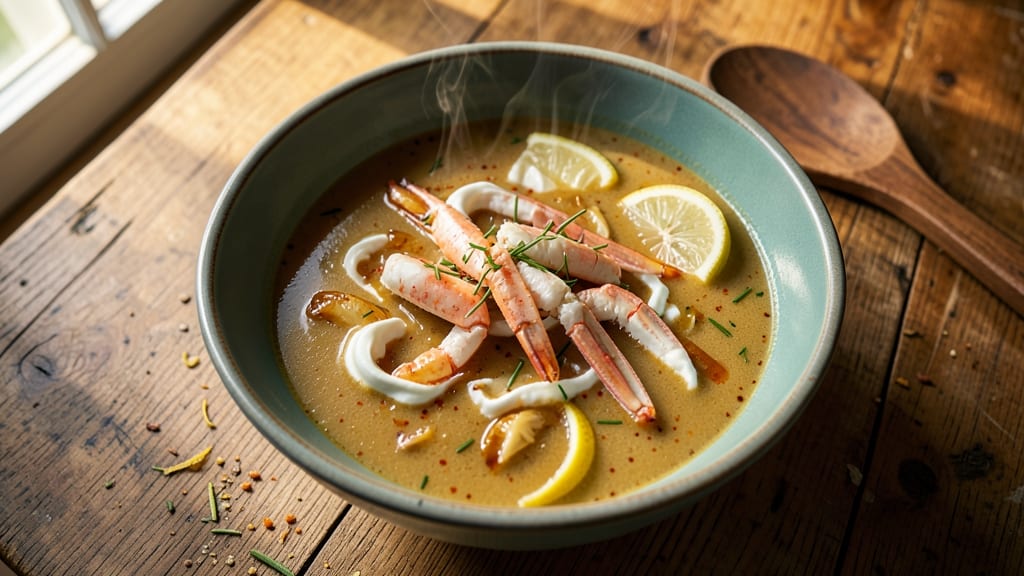
This award-winning Maryland crab soup delivers the briny, aromatic essence of Chesapeake Bay in every spoonful—where rich velouté meets sweet blue crab and Old Bay's signature spice blend.
The secret lies in slow-reduced seafood stock, properly tempered with sherry and cream to create a velvety base that lets the crab's natural sweetness shine through. After perfecting this recipe through multiple taste tests (and a few near-boil-overs), I can confidently say it rivals any waterfront restaurant version.
The foundation begins with a proper seafood stock reduction—never skip this step, as it builds the soup's depth. Fresh blue crab (or high-quality canned) gets cooked just until opaque, then carefully removed to create a delicate broth before being returned for final infusion.
Old Bay seasoning isn't just sprinkled on top; it's incorporated throughout cooking to develop its complex flavor profile. The result is a soup that's both comforting and sophisticated, with just the right balance of creaminess and briny sharpness.
What makes this recipe truly stand out is the finishing technique: a touch of dry sherry to brighten the acidity, heavy cream to round out the flavors, and fresh parsley for a pop of color and freshness.
The texture is what sets it apart—silky velouté that clings to each crab piece without overpowering its delicate sweetness. This is the kind of soup that makes your kitchen smell like a Baltimore harborfront restaurant, with every spoonful delivering that perfect Maryland coastal flavor.
Serve with warm oyster crackers or crusty bread to soak up every last drop of that award-winning velouté. The recipe scales beautifully for gatherings, and leftovers actually improve overnight as the flavors meld further.
For those who love seafood but want something more refined than standard chowder, this is your new go-to recipe—one that's earned its place on both home tables and competition menus.
Ingredients for award winning maryland crab soup
Sixteen essential ingredients for a restaurant-quality Maryland crab soup experience.
| Ingredient | Amount | Notes |
|---|---|---|
| Fresh Blue Crab Meat 🦀 | 2 ½ lbs | Backfin or jumbo lumps preferred |
| Heavy Cream 🥛 | 1 ½ cups | Full-fat for velvety texture |
| Dry Sherry 🍷 | ¼ cup | Amontillado preferred |
| Seafood Stock 💧 | 6 cups | Homemade or high-quality canned |
| Old Bay Seasoning 🌶️ | 2 tbsp | Original blend, not imitation |
| Fresh Lemon Juice 🍋 | 2 tbsp | Freshly squeezed |
| Fresh Parsley 🌿 | ¼ cup | Chopped, for garnish |
| Butter 🧈 | 4 tbsp | Unsalted, for roux |
| All-Purpose Flour 🌾 | 3 tbsp | For velouté base |
| Shallots 🧅 | 2 whole | Minced, for aromatic base |
| Garlic Cloves 🧄 | 4 cloves | Minced, for depth |
| Salt 🧂 | 1 ½ tsp | Adjust to taste |
| Black Pepper 🌶️ | ½ tsp | Freshly ground |
| Oyster Crackers 🍞 | 2 cups | For serving |
The blue crab meat is the heart of this soup—fresh is non-negotiable. Look for backfin or jumbo lump at your local seafood market or high-quality canned options like Blue Diamond or Chesapeake Bay Crab Co. If using fresh, pick crabs with vibrant blue shells and no fishy odor. The seafood stock should be rich and unctuous, not salty or metallic—homemade from crab shells and heads yields the best results, but Knorr Seafood Stock is a solid shortcut. Old Bay seasoning is the soul of this recipe, so buy the original—imitation blends lack the depth of celery seed and mustard that make it special.
No sherry on hand? Dry vermouth works in a pinch, though it lacks the nutty depth of Amontillado. Fresh parsley is ideal, but dried parsley at half the amount will suffice if needed. For the velouté base, butter and flour roux is essential—don't substitute with cornstarch, as it won't develop the same rich flavor. The shallots and garlic should be finely minced to create a smooth, aromatic foundation. If you're using canned crab, drain and rinse thoroughly to remove excess sodium. The lemon juice is critical for brightness—bottled won't cut it, so invest in fresh lemons.
This soup tastes even better the next day as flavors meld—portion into airtight containers and refrigerate for up to 4 days. For longer storage, freeze portions for 3 months. The velouté thickens as it cools, so add a splash of warm water or stock when reheating. Serve with warm oyster crackers or crusty bread to soak up every last drop of that award-winning velouté. The cream can be substituted with half-and-half for a lighter version, though it'll be slightly less rich.
Why You'll Love This Recipe
- One-Pot Magic: I swear by this recipe when I’m too tired to wash dishes. Just simmer the stock, stir in the crab and cream, and—boom—flavor without the fuss. Old Bay ties it all together in minutes, not hours.
- Sherry’s Secret Weapon: That splash of dry sherry? It’s the move that makes this soup sing. It cuts through the richness of the cream and crab, leaving behind a bright, almost wine-like depth—like a fancy restaurant trick, but with zero effort.
- Weeknight to Dinner Party: Make it for yourself on a Tuesday (yes, even on a Tuesday night) or double the batch for a crowd. The same rich, briny, creamy base works for both—just add crusty bread or a crisp white wine to elevate it when company’s over.
- Leftovers That Don’t Suck: Honestly, I make this knowing I’ll eat it twice. The cream keeps it silky the next day, and the crab stays tender—no rubbery texture here. Plus, it reheats in seconds, making it my go-to for lazy lunches or post-game snacks.
Step-by-step instructions for Maryland crab soup
Here's the professional method to create a velvety, Old Bay-kissed crab soup that captures Chesapeake Bay flavors.
Build the Velouté Base
Melt the 4 tablespoons butter in a large Dutch oven over medium heat. Add the 2 whole minced shallots and 4 cloves minced garlic, cooking for 3-4 minutes until softened and fragrant—you should smell sweet shallots and garlic without any browning. This aromatic base forms the flavor foundation.
Whisk in the 3 tablespoons all-purpose flour and cook for 1-2 minutes, stirring constantly, until the mixture turns a light golden color. This creates a roux that will thicken your soup beautifully. Immediately pour in the 6 cups seafood stock all at once, whisking vigorously to prevent lumps from forming. Bring to a gentle simmer and let cook uncovered for 10 minutes to develop the velouté texture.
Infuse with Crab and Old Bay
Reduce heat to low and add the 2.5 pounds fresh blue crab meat, breaking it into 1-inch chunks as you stir. The crab should warm through in 3-4 minutes—you'll see it turn from translucent to opaque. Add the 2 tablespoons Old Bay seasoning, 1.5 teaspoons salt, and 0.5 teaspoon black pepper, stirring well to distribute the signature Maryland blend evenly throughout.
Here's the thing—Old Bay is the soul of this soup. Don't skimp on the seasoning. Taste the soup now and adjust salt if needed, but remember the crab and sherry will add more flavor later. The soup should be seasoned but not overpowering at this stage.
Finish with Cream and Sherry
Stir in the 0.25 cup dry sherry and 2 tablespoons fresh lemon juice, letting the mixture simmer gently for 2 minutes to allow the alcohol to cook off and the lemon to brighten the flavors. Remove from heat and gradually whisk in the 1.5 cups heavy cream—this prevents curdling from the heat. The soup should now be silky smooth with visible crab chunks.
Real talk: if the soup looks too thick, thin it with 1-2 tablespoons hot seafood stock. It should coat the back of a spoon but still be pourable. Let the soup rest off heat for 5 minutes to allow the flavors to meld completely.
Garnish and Serve
Ladle the soup into bowls and garnish each serving with 1 tablespoon chopped fresh parsley. The vibrant green contrasts beautifully with the deep red crab and creamy texture. Serve immediately with 2 cups oyster crackers on the side for crunch and dipping.
This is the moment that matters: the first bite should deliver tender crab, rich velouté, and that unmistakable Old Bay warmth. The crackers provide the perfect textural contrast to cut through the richness. For best results, serve while hot and enjoy with crusty bread to soak up every last drop.
Pro Tips For Making Award Winning Maryland Crab Soup
- Simmer Slow and Low: The crab soup’s magic happens at a gentle simmer—not a rolling boil. After adding the seafood stock and sherry, reduce heat to the point where just a few bubbles break the surface every 10 seconds. I learned this the hard way—aggressive boiling turns the cream grainy and dulls the crab’s sweetness.
- Pick Your Crab Carefully: Fresh lump meat is non-negotiable for texture, but don’t overlook the backfin or claw meat—it’s cheaper and just as flavorful if chopped small. Rinse the meat in cold water before adding it to the soup; any sand or grit will sink to the bottom and ruin the first bite. (Yes, even if you’re impatient like me.)
- Add Cream Last, Then Temper: Stirring cold heavy cream into a hot soup will curdle it faster than you can say “Old Bay.” Instead, ladle a cup of the hot soup into the cream first to warm it, then whisk it back into the pot. This keeps the sauce silky—no lumps, no scrambling to fix it mid-serving.
- Season the Stock First: The soup’s depth comes from the seafood stock, so don’t skip seasoning it before combining with other ingredients. Add a pinch of Old Bay (about ½ teaspoon per cup of stock) and a splash of sherry while heating it. This layers flavor instead of relying on the seasoning to catch up later—your taste buds will notice the difference.
Essential equipment for great award winning maryland crab soup
Dutch Oven Essentials
A 5-7 quart Dutch oven is your best friend for this recipe—it distributes heat evenly and prevents scorching. I swear by the Le Creuset Signature (it's pricey but lasts forever) or the Lodge Cast Iron (budget-friendly and just as effective).
The thick walls maintain consistent temperatures, which is critical when simmering the velouté base. 🔥
Precision Tools Matter
Invest in a fine-mesh strainer (like OXO Good Grips) for rinsing canned crab and a microplane for zesting lemon if you want extra brightness. A kitchen scale ensures accurate crab measurements—nothing ruins a soup like too much or too little protein.
For the roux, a whisk (preferably Cuisinart Stainless Steel) prevents lumps better than a spoon.
Stock Pot Upgrade
If you're making homemade seafood stock, a wide-mouthed stockpot (like All-Clad Stainless Steel) is ideal for fitting crab shells and heads. For canned stock, a high-quality brand (I recommend Knorr Seafood Stock or Pacific Foods) saves time without sacrificing flavor.
Never use bouillon cubes—they add artificial saltiness that overpowers the delicate crab flavors.
Temperature Control
A candy or instant-read thermometer (I use Thermoworks ThermoPop) ensures your velouté reaches the perfect 195°F for silky texture. The sherry and cream should be warmed to room temperature before adding to prevent curdling.
For the Old Bay infusion, keep heat at low to avoid burning the spices—this develops their complex flavors without bitterness.
Garnish Tools
Fresh parsley deserves a sharp chef's knife (my go-to is Wüsthof Classic) and a small cutting board for quick chopping. For oyster crackers, a wire whisk or fork helps distribute them evenly on plates.
A ladle with a strainer (like OXO Good Grips) makes serving clean portions effortless—no one wants crab in their crackers! 🥄
Storage Containers
For leftovers, glass Pyrex containers with airtight lids preserve flavor better than plastic. Label with dates—this soup tastes best 2-3 days after cooking. If freezing, use quart-sized freezer bags (squeeze out air to prevent freezer burn) and thaw overnight in the fridge for even reheating.
Never microwave directly from frozen—it creates a grainy texture.
Nutrition facts
Frequently asked questions
Can I substitute canned crab for fresh in this recipe?
Yes, but choose high-quality canned crab like Blue Diamond or Chesapeake Bay Crab Co. Drain and rinse thoroughly to remove excess sodium. For best texture, opt for jumbo lump or backfin pieces—avoid the "imitation" blends that contain fillers. Fresh crab delivers superior flavor, but canned works in a pinch when fresh isn't available.
Why does my Maryland crab soup taste too salty?
Old Bay seasoning and seafood stock often contain hidden salt. Taste as you go—add the crab and Old Bay first, then adjust salt gradually. If using canned crab or store-bought stock, reduce added salt by half. Remember, the sherry and lemon juice will enhance flavor without adding more sodium.
Can I make this soup vegetarian or vegan?
Not authentically—this recipe relies on blue crab as its star ingredient. However, you could create a seafood-free version with mushrooms, king oyster mushrooms, or artichoke hearts for texture, paired with vegetable stock and a splash of white wine instead of sherry. The Old Bay seasoning would still work beautifully!
How do I prevent the soup from breaking or curdling?
Always warm heavy cream and sherry to room temperature before adding to hot soup. Stir constantly when incorporating the cream, and remove from heat immediately after adding. For extra insurance, temper the cream by whisking in a small amount of hot soup first. Never boil the soup after adding cream—keep heat at a gentle simmer.
What's the best way to reheat leftovers?
Gently reheat on the stovetop over low heat, stirring frequently. Add a splash of warm water or stock if the soup thickens too much. Microwave reheating can make the velouté grainy—never reheat directly from frozen. For best results, portion into airtight containers and refrigerate for up to 4 days, or freeze for 3 months.