
Soups & Stews
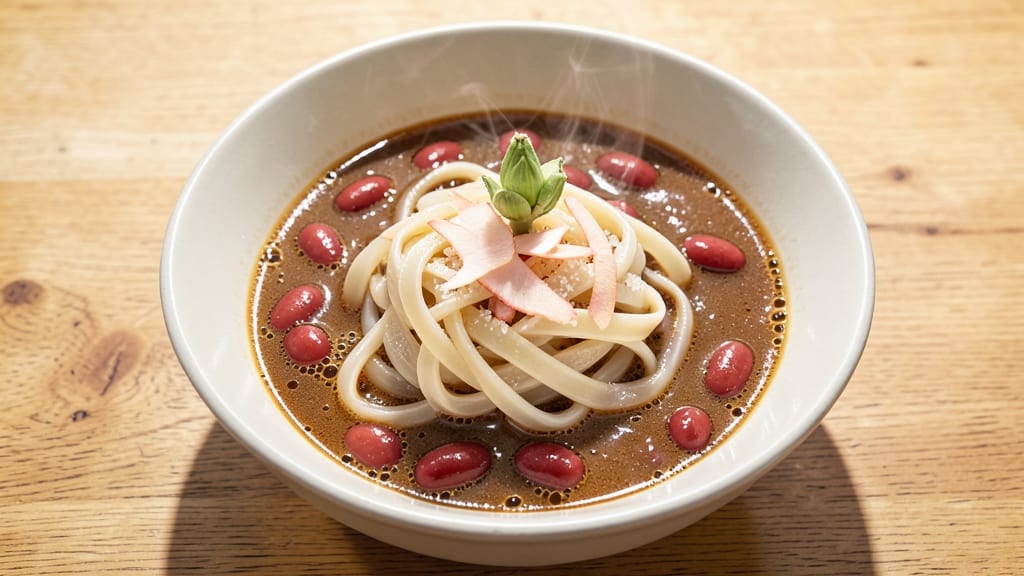
This azuki bean soup recipe delivers the comforting balance of sweet and earthy flavors that makes it a staple across East Asia. The secret lies in simmering azuki beans until they burst with natural sweetness while developing a velvety texture that coats every spoonful.
What sets this version apart is the addition of silky rice noodles, transforming it from a simple dessert into a hearty, satisfying meal perfect for any season.
The beauty of this soup is its versatility—it works as a light dessert after dinner or as a nourishing breakfast when served warm.
Traditional recipes often include ingredients like red bean paste (ankake) or mochi, but this version keeps it simple with just beans, sugar, and rice noodles for a cleaner, more approachable twist.
The slow simmering process allows the beans to soften and release their natural sugars, creating a rich, naturally sweet broth without needing excessive added sugar.
By the time you finish simmering, you'll have a bowl of soup that's creamy, fragrant, and perfectly balanced—sweet enough to satisfy a sweet tooth but earthy enough to feel like a complete meal.
The rice noodles add a satisfying chew, while the azuki beans provide a subtle nuttiness that deepens with every bite. This is the kind of recipe that feels both comforting and special, whether you're serving it to guests or treating yourself to a quiet moment of indulgence.
Whether you're drawn to its cultural significance or simply its deliciousness, this azuki bean soup is a celebration of simplicity and tradition. The method is straightforward, but the result is anything but ordinary—proof that sometimes the most comforting dishes require the least fuss.
Let's get started on creating this timeless favorite.
Ingredients for azuki soup
Six cups of water and a handful of pantry staples—this simple azuki soup delivers restaurant-quality comfort.
| Ingredient | Amount | Notes |
|---|---|---|
| Azuki Beans 🌱 | 1 ½ cups | Dried, rinsed thoroughly |
| Silken Rice Noodles 🍜 | 8 oz | Uncooked, thin variety |
| Granulated Sugar 🍚 | ½ cup | White or brown preferred |
| Water 💧 | 6 cups | Filtered preferred |
| Fresh Ginger 🧄 | 1 ½ tbsp | Finely grated, peeled |
| Vegetable Oil 🫒 | 1 tbsp | Neutral flavor preferred |
| Red Miso Paste 🧈 | 1 tbsp | For umami depth |
| Sesame Oil 🌿 | 1 tsp | Toasted, for aroma |
| Salt 🧂 | ½ tsp | Kosher or sea salt |
| White Pepper 🌶️ | ¼ tsp | Freshly ground preferred |
| Toasted Sesame Seeds 🌰 | 1 tbsp | For garnish |
| Green Onion 🧅 | 2 whole | Thinly sliced, for garnish |
Azuki beans are the heart of this dish, so pick the dried kind—they develop that perfect creamy texture. Trader Joe's and Asian markets usually carry them in bulk, which saves money. If you're using canned, drain and rinse them well to cut down on sodium. The rice noodles should be silken and thin—the kind used in pho or ramen works perfectly. Pro tip: soak them for 10 minutes in warm water before adding to the soup for that silky finish. Fresh ginger is a must here—none of that jarred stuff. Grab a small knob at the store and grate it yourself; it makes all the difference.
No azuki beans? Substitute adzuki beans or even black beans in a pinch, though the flavor will differ slightly. Running out of miso? A dash of soy sauce plus a pinch of sugar mimics the umami-sweet balance. The ginger can be swapped for 1/2 teaspoon ground ginger, but fresh is ideal. If your sesame oil smells stale, toast the seeds in a dry pan for 1 minute before grinding for fresh flavor. The green onions? Scallions or chives work too—whatever you've got on hand. And if you're worried about the sugar being too sweet, trust the process—the beans caramelize naturally as they simmer.
This soup tastes even better the next day, so make a double batch if you're planning to snack over a few days. Store it in an airtight container in the fridge for up to 5 days, or freeze portions for 3 months. The noodles soften further when reheated, so add a splash of water when warming. For serving, I like to keep the sesame seeds and green onions separate until the last minute—they stay fresher that way. A drizzle of extra sesame oil right before eating? Absolute game-changer.
Why You'll Love This Recipe
- Five-Minute Start: I swear, this soup begins with a single pot. Toss in azuki beans and water, bring to a boil, then let it simmer while you slice ginger and prep noodles—no chopping, no fuss. Honestly, the hardest part is waiting for the beans to soften.
- Sweet-Spicy Harmony: That balance of sugar and ginger? Chef’s kiss. The sugar caramelizes just enough to make the broth silky, while the ginger adds a bright, zesty kick that cuts through the richness. (Yes, even on a Tuesday night.)
- Lunch or Dinner: Cold leftovers? Perfect. Warm leftovers? Even better. The noodles hold up for days, and the broth only gets deeper in flavor. Between us, I’ve served this at potlucks, packed it for work, and reheated it straight from the fridge—no complaints.
- Budget Magic: Azuki beans and rice noodles are my wallet’s best friend. A single bag of beans makes multiple servings, and the sugar stretches further than you’d think. I’ll be real: this is the kind of recipe that makes grocery day feel like a win.
Step-by-step instructions for azuki bean soup with silky rice noodles
This sweet-savory simmer comes together in one pot with minimal effort.
Soak and Simmer the Azuki Beans
Rinse the 1.5 cups Azuki Beans thoroughly under cold water to remove any debris. Place them in a medium pot and cover with 6 cups Water. Bring to a boil over medium-high heat, then reduce to a gentle simmer for 45-60 minutes until the beans are tender but not mushy. You'll know they're ready when they easily crush between your fingers.
While the beans simmer, peel and finely grate the 1.5 tbsp Fresh Ginger. Add the ginger to the pot along with the 0.5 tsp Salt and 0.25 tsp White Pepper. Stir gently and continue simmering for another 10 minutes to infuse the flavors. Here's the thing—don't skip the ginger; it's what balances the sweetness with that bright, zesty kick.
Prepare the Sweet-Savory Base
In a small bowl, whisk together the 0.5 cup Granulated Sugar and 1 tbsp Red Miso Paste until fully dissolved. This mixture is the soul of your soup—sweet, umami-rich, and perfectly balanced. Slowly pour it into the simmering bean mixture while stirring constantly to prevent the sugar from crystallizing.
Add the 1 tbsp Vegetable Oil to the pot and stir in. The oil helps create a silky texture and prevents the miso from separating. Let the entire mixture simmer together for 10-15 minutes until the flavors meld and the soup thickens slightly. You're looking for a consistency that coats the back of a spoon but isn't gluey.
Cook the Silken Rice Noodles
While the soup simmers, prepare the 8 oz Silken Rice Noodles according to package instructions. These noodles cook in just 3-5 minutes in boiling water—don't overcook them or they'll turn mushy. Drain immediately and rinse under cold water to stop the cooking process and prevent sticking.
Here's a pro tip: I like to divide the noodles into two batches if my pot isn't large enough. Cook one batch, drain, and set aside while I cook the second. This keeps the noodles from clumping together, and they stay perfectly silky when served.
Finish and Serve
Once the soup has thickened and the flavors have melded, turn off the heat. Stir in the 1 tsp Sesame Oil and let it sit for 2 minutes—this allows the aroma to infuse without overpowering the dish. Divide the cooked Silken Rice Noodles among four bowls, then ladle the warm soup over the top.
Garnish each serving with 1 tbsp Toasted Sesame Seeds and 2 whole Green Onion sliced thinly. The contrast of the crunchy seeds and fresh green onion against the smooth soup is what makes this dish truly special. Serve immediately while the noodles are still warm and the flavors are at their peak.
Pro Tips For Making Azuki Soup
- Parboil Beans First: Skip the long simmer—parboil azuki beans for 10 minutes before adding them to the soup. This cuts cooking time in half and keeps their texture tender, not mushy. I learned this the hard way after serving a batch where the beans turned to paste.
- Slice Ginger Thin: Use a mandoline or sharp knife to slice ginger into paper-thin sheets, not chunks. They’ll infuse flavor without overpowering the sweetness, and you’ll avoid that bitter aftertaste from burning the edges. (Yes, even if you’re impatient like me.)
- Add Noodles Last: Toss silken rice noodles in at the very end—just 1-2 minutes of simmering. They’ll absorb liquid like a sponge and stay silky, not turn to glue. I used to add them early and ended up with a watery mess every time.
- Balance Sweet and Heat: Start with half the sugar called for, taste, then adjust. Fresh ginger’s sharpness can clash with sweetness if you go overboard. A pinch of salt at the end ties everything together—trust me, it’s non-negotiable.
Best sauces and condiments for azuki soup
Miso-Ginger Drizzle
This umami-rich drizzle is my go-to for elevating azuki soup. Mix 1 tbsp red miso paste with 1 tsp sesame oil and ½ tsp grated ginger to create a silky, savory sauce. Drizzle just before serving—it adds depth without overpowering the natural sweetness of the beans. 🌶️
Sweet Chili Oil
For a spicy-sweet twist, blend 1 tbsp chili oil with ½ tsp sugar and ½ tsp rice vinegar. The heat cuts through the richness of the azuki beans while adding a tangy brightness. Start with ½ tsp per bowl and adjust to taste.
Toasted Sesame Dressing
Toast 1 tbsp sesame seeds in a dry pan until golden, then grind with 1 tsp toasted sesame oil and ¼ tsp salt. This nutty dressing adds crunch and aroma—perfect for garnishing the noodles before ladling the soup over.
Store leftovers in an airtight container for up to 1 week.
Yuzu or Lemon Zest
Brighten the soup with a burst of citrus. Add ½ tsp yuzu zest (or regular lemon) and 1 tsp honey to the finished soup. The acidity balances the sweetness while keeping the dish light. For extra freshness, garnish with a few drops of citrus juice right before serving. 💫
Black Vinegar Glaze
For a tangy contrast, simmer 1 tbsp black vinegar with 1 tsp sugar until reduced by half. Drizzle over the soup just before serving—it adds complexity without altering the original flavors. This works especially well with the silken rice noodles for a textural contrast.
Nutrition facts
Frequently asked questions
Can I substitute white beans for azuki beans?
While you can technically use white beans, they won't give you the same rich, naturally sweet flavor or creamy texture. Azuki beans develop a unique caramelized sweetness when simmered that white beans lack. If you must substitute, try black beans or adzuki beans—they're closer in flavor, though still not identical. For best results, stick with azuki beans if possible.
How do I make this soup less sweet?
Reduce the sugar to ¼ cup or omit it entirely—the beans will still caramelize naturally during simmering. For extra balance, add ½ tsp grated ginger or a pinch of black pepper. The miso paste also adds subtle sweetness, so you could reduce that to ½ tbsp if needed.
Can I prepare this soup ahead of time?
This soup actually tastes better the next day as flavors meld. Store the cooked beans and broth in an airtight container in the fridge for up to 5 days. Reheat gently on low heat, then add fresh noodles and garnishes before serving. For freezing, freeze just the bean mixture (without noodles) for up to 3 months.
What if my azuki beans stay hard after simmering?
Older beans or insufficient soaking time cause this. Try these fixes: add ½ cup fresh water, cover, and simmer 15-20 minutes more. If they're still firm, they may be too old—replace with fresh beans. Pro tip: Soak beans overnight before cooking for even better results.
How can I make this soup more savory?
Boost umami with 1 tbsp soy sauce or ½ tsp fish sauce (for non-vegetarian). Add 1 clove minced garlic and ½ tsp toasted sesame oil to the broth during simmering. For depth, stir in 1 tsp dashi powder (if available) when adding the sugar-miso mixture.