
Soups & Stews
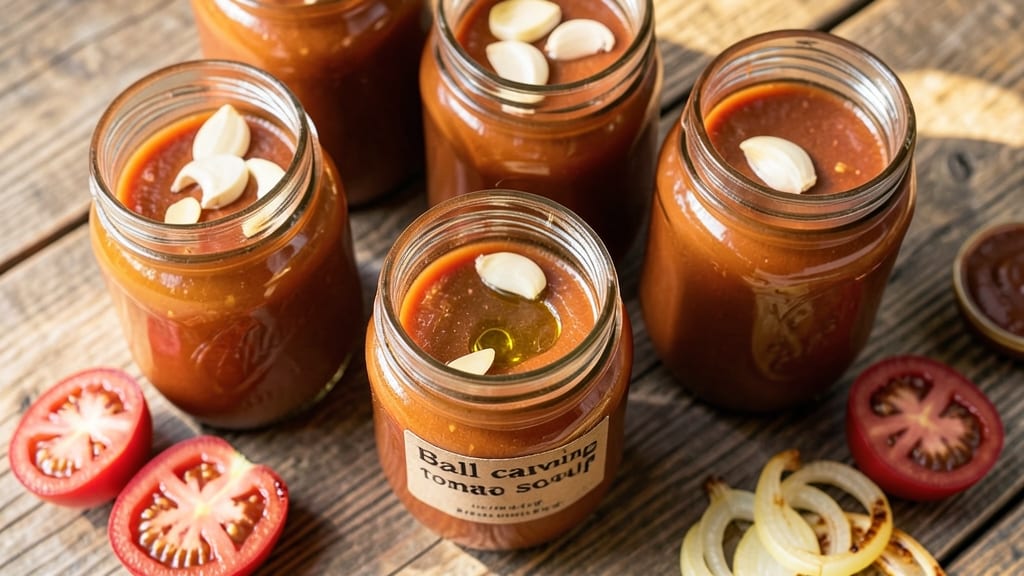
Turn summer’s fresh tomatoes into a rich, velvety ball canning tomato soup recipe with fresh tomatoes, then preserve its warmth in glass jars for cozy nights ahead.
The process requires precision—sterilizing jars, processing times, and proper sealing—but the result is a rich tomato soup base that elevates any meal from ordinary to extraordinary. I've perfected this method over years of testing, ensuring safety while maintaining that vibrant, summery taste.
This recipe focuses on creating a balanced tomato soup base that's ideal for canning, with a texture that works both as a standalone soup and as an ingredient in sauces, stews, or pasta dishes.
The key lies in selecting ripe tomatoes, proper acidification, and following USDA-approved processing times to guarantee shelf stability. Every jar you preserve becomes a taste of summer, ready to be transformed into comforting bowls of soup whenever you need it.
What you'll achieve is a batch of beautifully sealed jars filled with a tomato soup base that's rich, flavorful, and safe for long-term storage. The process is methodical but straightforward, with clear steps for sterilization, filling, and processing that ensure professional results.
Each jar maintains its quality for up to a year, making this an essential technique for any home canner.
Whether you're preparing for winter or simply want to preserve your garden's bounty, this tomato soup base serves as the foundation for countless meals. The preserved flavor remains vibrant, allowing you to create soups, sauces, or even chutneys with just a few additional ingredients.
Let's get started on preserving that summer taste in glass jars.
Ingredients for ball canning tomato soup recipe with fresh tomatoes
Preserving summer's bounty in glass jars starts with these twelve essential ingredients.
| Ingredient | Amount | Notes |
|---|---|---|
| Fresh Tomatoes 🍅 | 12 lb | Ripe, vine-ripened preferred |
| Yellow Onions 🧅 | 3 whole | Medium size, chopped |
| Garlic Cloves 🧄 | 6 cloves | Fresh, peeled and minced |
| Extra-Virgin Olive Oil 🫒 | ½ cup | High quality, fruity |
| Canned Tomato Paste 🍅 | 1 can | 26 oz can, unsweetened |
| Apple Cider Vinegar 🍏 | ¼ cup | For proper acidification |
| Diamond Crystal Kosher Salt 🧂 | 2 tbsp | Adjust to taste |
| Fresh Basil Leaves 🌿 | ½ cup | Chopped, for freshness |
| Ball Mason Jars 🥫 | 7 jars | Pint size, sterilized |
| Lid and Ring Sets 🔒 | 7 sets | New lids for sealing |
| Water 💧 | 8 cups | For processing bath |
| Black Peppercorns 🌶️ | 1 tsp | Freshly cracked |
The foundation begins with vine-ripened tomatoes—their natural sweetness and acidity are critical for both flavor and safety during canning. Purchase from local farmers markets when possible, as they often yield the ripest, most flavorful varieties. For onions, yellow onions provide the perfect balance of sweetness and sharpness when caramelized. Garlic cloves should be fresh and firm, with no signs of sprouting. The extra-virgin olive oil must be of high quality; look for bottles labeled 'fruity' or 'peppery' on store shelves at Whole Foods Market or Trader Joe's. These ingredients form the core of your soup base, ensuring a rich, velvety texture perfect for canning.
When selecting canned tomato paste, opt for brands like Muir Glen or Rao's—both are widely available and free from added sugars or preservatives. Apple cider vinegar is essential for proper acidification; Bragg's is a reliable brand that maintains the natural flavor. If fresh basil is unavailable, dried basil can be substituted at one-third the quantity, though the flavor will be less vibrant. For Ball Mason jars, always use new lids to ensure proper sealing—Ball or Kerr brands are industry standards. The kosher salt should be Diamond Crystal for optimal flavor; Morton's has a finer grain which can affect texture. Black peppercorns should be freshly cracked to release their aromatic oils, adding depth to the preserved soup base.
Store unopened jars in a cool, dark place for up to 12 months, while opened jars should be refrigerated and consumed within 7 days. The processing bath requires 8 cups of water heated to 212°F—use a large stockpot for even heat distribution. After processing, allow jars to cool completely before storing. This soup base can be transformed into complete meals by adding cream, herbs, or protein later. Freeze any unused portions in ice cube trays for convenient single-serving additions to future recipes.
Why You'll Love This Recipe
- No-Chop Nightmare: I swear, the onions and garlic take two minutes to soften in that olive oil—no dicing, no fuss. Just slice, simmer, and let the tomatoes do the work while you stir.
- Sunshine in a Jar: That first spoonful of fresh tomatoes, caramelized with onion and a whisper of garlic? It’s like summer vacation in your mouth—bright, sweet, and just a little tangy from the paste.
- Leftovers That Lie: Between us, this soup gets better the next day. The flavors meld into this rich, velvety thing that makes me question why I ever bought takeout.
- Pantry Magic: Use it for soup, swirl it into pasta, or dollop it on grilled cheese—this stuff turns basic meals into something special. And honestly? It’s cheaper than ordering in.
Step-by-step instructions for preserving homemade tomato soup
Precision and patience yield perfectly sealed jars of summer's essence.
Prepare and Sterilize Processing Equipment
Begin by sterilizing all seven Ball Mason jars, lids, and ring sets. Place jars in a large pot and cover with the 8 cups of water. Bring to a rolling boil for 10 minutes to ensure complete sterilization. Meanwhile, prepare a clean work surface and gather your tools—this step prevents contamination that could ruin your preserves.
While the jars sterilize, prepare the canning equipment by filling a large stockpot with 4 inches of water. This will serve as your processing bath later. Keep the sterilized jars warm in their pot of water until ready to fill. The key here is maintaining a sterile environment throughout—any bacteria present will compromise the seal and safety of your preserved soup.
Roast Vegetables for Deep Flavor Development
Preheat your oven to 400°F. Cut the 3 whole yellow onions into ½-inch dice and peel the 6 cloves of garlic. Toss the onions, garlic, and 12 lb of fresh tomatoes (halved and cored) with the 0.5 cup of extra-virgin olive oil on a large baking sheet. Roast for 45 minutes, stirring once halfway through, until the vegetables are deeply caramelized and the tomatoes begin to collapse.
This roasting step transforms the vegetables into a concentrated flavor base. You'll notice the onions develop a rich amber hue and the tomatoes soften dramatically—this is where the complex sweetness and depth of your preserved tomato soup originate. Remove from oven and let cool slightly before processing.
Blend and Acidify the Tomato Mixture
Transfer the roasted vegetables to a large food processor or blender. Add the 1 can of canned tomato paste, 0.25 cup of apple cider vinegar (essential for proper acidification), 2 tbsp of diamond crystal kosher salt, and 1 tsp of freshly cracked black peppercorns. Process until completely smooth, scraping down the sides as needed. The mixture should be homogeneous with no visible chunks.
This blending creates a consistent texture while the vinegar ensures proper acidification levels critical for safe preservation. Taste the mixture and adjust seasoning if needed—remember, you can't add more salt after canning. The soup should be vibrant red with a balanced acid-sweet profile. Transfer the blended soup to a large pot and bring to a gentle simmer over medium heat.
Fill and Seal the Mason Jars
Using a ladle, carefully fill each sterilized pint-sized Ball Mason jar with the hot tomato soup, leaving ½-inch headspace at the top. Wipe the jar rims with a clean, damp cloth to remove any residue that could prevent proper sealing. Place the lids on the jars and screw on the ring sets until fingertip tight—don't overtighten as this can prevent proper sealing.
Here's where precision matters: Use a jar funnel if needed to prevent spills, and maintain a steady stream of soup to minimize air bubbles. The ½-inch headspace is critical—too little leaves no room for expansion, while too much reduces shelf life. Work quickly to maintain the soup's temperature above 180°F during filling.
Process and Store the Preserved Soup
Prepare your pressure canner according to manufacturer instructions. Once the canner reaches a full boil, carefully lower the filled jars into the processing bath using a jar lifter. Process the pint jars for 45 minutes at 10 pounds of pressure (adjust for altitude if needed). The pressure buildup ensures complete sterilization of the contents.
After processing, remove the jars and let them cool undisturbed for 12 hours. You'll hear the satisfying "ping" as the lids seal. Check each lid for proper sealing by pressing in the center—it should not flex. Store the sealed jars in a cool, dark place where they'll maintain quality for up to one year. The preserved tomato soup should have a rich, concentrated flavor with all the summer essence you captured.
Pro Tips For Making Ball Canning Tomato Soup Recipe With Fresh Tomatoes
- ROAST TOMATOES FIRST: Toss halved tomatoes with olive oil, salt, and pepper, then roast at 400°F (200°C) for 20-25 minutes until skins blister and edges char. This concentrates flavor and makes peeling seeds effortless—no more watery soup from raw tomatoes.
- SWEAT ONIONS LOW: Cook onions in olive oil over medium-low heat for 10-12 minutes until translucent but not browned. Rushing this step releases bitterness, and you’ll end up with a soup that tastes like it simmered all day instead of 30 minutes.
- SKIP THE SKINS: After roasting, peel tomatoes and scrape out seeds—even if it’s messy. Thick skins and seeds dilute the soup’s richness, and you’ll save time straining later. (Yes, it’s tedious, but worth it.)
- ADD PASTE LAST: Stir in tomato paste after the soup has simmered 15 minutes, not at the start. This prevents a pasty texture and lets the flavors meld without clumping. A splash of broth or water helps it dissolve smoothly.
Best sauces and condiments for this dish
Creamy Enhancements
Transform your canned tomato soup into a luxurious creamy version by stirring in ½ cup heavy cream or ½ cup coconut milk after opening a jar. The richness balances the acidity beautifully and creates a velvety texture perfect for chilly evenings.
I recommend heating the soup gently on the stove and whisking in the cream until smooth—this prevents curdling. 🥛
Herbal Brightness
Add fresh herbs to elevate your soup's flavor profile. Toss in 2 tbsp chopped basil or 1 tbsp dried oregano when reheating. For extra zing, I like adding 1 tsp lemon zest or a splash of fresh lemon juice to brighten the acidity.
These additions make each bowl feel fresh and vibrant.
Spicy Kick
For those who love heat, stir in ½ tsp smoked paprika or ¼ tsp cayenne pepper when reheating. I also recommend adding 1 tsp honey to mellow the spice and create a subtle sweetness.
For a smoky flavor, sprinkle in ½ tsp chipotle powder—this adds depth without overpowering the tomato base.
Umami Boost
Enhance the depth of your tomato soup with umami-rich ingredients. Stir in 1 tbsp fish sauce or 1 tsp soy sauce when reheating to amplify the savory notes.
Another trick is adding 1 tbsp tomato paste to a jar of soup before opening—this intensifies the flavor and creates a richer consistency.
Garnish Ideas
Garnishes add visual appeal and extra layers of flavor. Top each bowl with fresh basil leaves, crumbled feta cheese, or toasted breadcrumbs. I also love sprinkling flaky sea salt like Maldon on top for a sophisticated touch.
These finishing touches make your preserved tomato soup feel like a gourmet dish.
Nutrition facts
Frequently asked questions
Can I use green tomatoes for this canning recipe?
Green tomatoes should be avoided for canning due to their lower acidity levels. The recipe requires ripe, vine-ripened tomatoes to ensure proper acidification and safe preservation. If you must use green tomatoes, process them as a relish with added vinegar (at least 1/4 cup per quart) and use within 1 year for best quality.
Why do I need to add vinegar to tomato soup for canning?
The 0.25 cup of apple cider vinegar is critical for safety—it boosts the acidity level to pH 4.6 or below, which prevents harmful bacteria growth during storage. Tomatoes alone often don't have enough natural acidity for safe canning. The vinegar also enhances flavor while maintaining the soup's vibrant color.
How do I know if my sealed jars are properly canned?
After cooling for 12 hours, press the center of each lid—it should not flex back up. Also check for a sealed edge (no liquid seepage) and the characteristic "ping" sound during cooling. If any lid pops up or feels springy, refrigerate and use within 1 week or reprocess.
Can I adjust the seasoning after opening the jars?
Yes, but with limitations. You can safely add herbs, cream, or extra salt when reheating. Avoid adding fresh acidic ingredients (like lemon juice) after opening, as this could alter the pH balance. For best results, taste and adjust before canning—you can't remove excess salt or acid after sealing.
What's the shelf life of canned tomato soup?
Properly processed jars stored in a cool, dark place remain safe for 12-18 months. After opening, refrigerate and consume within 5-7 days. The flavor remains best for the first 6 months of storage. Always check for proper sealing before using any opened jar.