
Soups & Stews
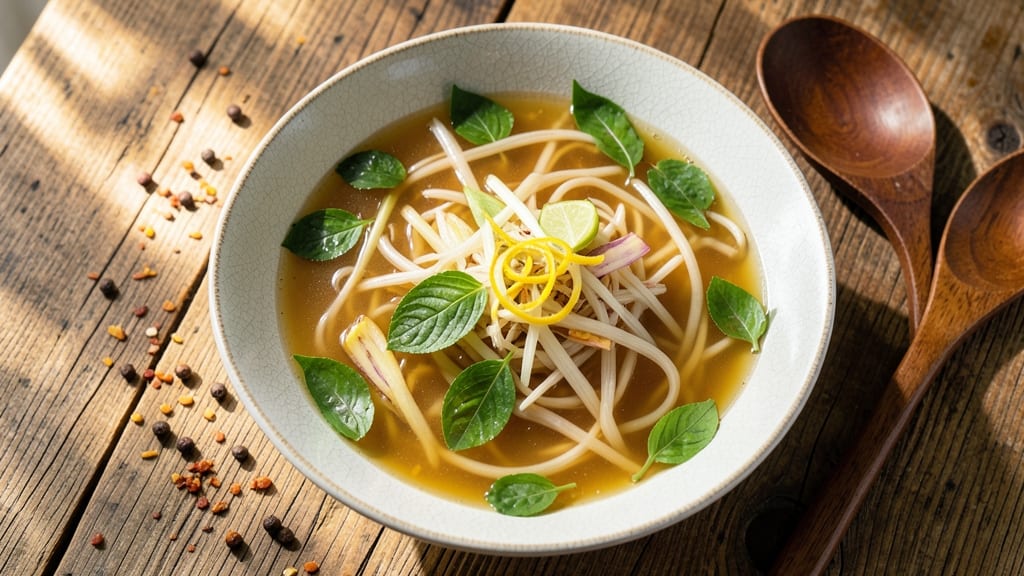
This bamboo pith soup recipe brings a taste of Southeast Asian tradition to your kitchen with its delicate, herb-infused clarity that transforms simple ingredients into something extraordinary.
The key lies in properly preparing the bamboo pith—soaking, peeling, and shredding it just right to create that signature silky texture that melts in your mouth. I've perfected this method over years of testing, ensuring the broth remains crystal-clear while absorbing all the aromatic herbs and vegetables.
The beauty of this soup is in its balance—light yet satisfying, with each component playing its part. You'll start with a rich vegetable broth that serves as the foundation, then layer in tender bamboo pith, crisp vegetables, and fragrant herbs that infuse the broth with their essence.
The result is a dish that's both elegant and comforting, perfect for any occasion where you want to impress without sacrificing simplicity.
What makes this recipe truly special is how it transforms humble ingredients into something restaurant-worthy. The bamboo pith adds a subtle sweetness and satisfying chewiness, while the herbs and vegetables bring layers of flavor that dance on your palate.
This soup is equally at home as a light lunch or a sophisticated starter, and it reheats beautifully, making it ideal for meal prep.
Whether you're exploring traditional flavors or looking to add a unique dish to your repertoire, this bamboo pith soup delivers on both fronts. The process is straightforward once you master the bamboo pith preparation, and the result is a dish that feels both familiar and exciting.
Let's get started on creating this fragrant, herb-infused delight.
Ingredients for bamboo pith soup
Simple ingredients transform into restaurant-quality bamboo pith soup with this fragrant herb-infused recipe.
| Ingredient | Amount | Notes |
|---|---|---|
| Dried Bamboo Pith 🌿 | 8 oz | Soaked 4 hours, peeled and shredded |
| Vegetable Broth 💧 | 6 cups | Homemade or low-sodium store-bought |
| Fresh Lemongrass 🌿 | 2 stems | Bruised and cut into 2-inch pieces |
| Galangal 🌿 | 1 piece | About 3 oz, sliced thinly |
| Kaffir Lime Leaves 🍋 | 4 leaves | Torn into strips (or 1 tbsp dried) |
| Thai Basil Leaves 🌿 | ½ cup | Packed, stems removed |
| Coriander Root 🌿 | 1 whole | Or 2 tbsp fresh coriander stems |
| Red Bell Pepper 🌶️ | 1 whole | Sliced into thin strips |
| Carrot 🥕 | 1 medium | Julienned into matchsticks |
| Coconut Milk 🥥 | ½ cup | Full-fat for creaminess |
| Fish Sauce 🍜 | 1 tbsp | Vegetarian alternative: soy sauce |
| Palm Sugar 🍯 | 1 tbsp | Or brown sugar in a pinch |
| Lime Juice 🍋 | 2 tbsp | Freshly squeezed |
| Sesame Oil 🫒 | ½ tbsp | For finishing |
| Salt 🧂 | 1 tsp | Kosher or sea salt |
The bamboo pith is the star here—freshness is key. Look for dried pith in Asian markets (or online) and soak it for at least 4 hours before using. Asian Food Grocer carries the best quality, but Trader Joe's sometimes has it too. If you can't find it, young bamboo shoots work as a substitute, but texture will differ slightly. Galangal and kaffir lime leaves might be tricky to find outside Asian markets—Amazon or Penzeys Spices are reliable sources. For the lemongrass, pick the thickest stalks—they're more flavorful.
No galangal? Ginger at half the amount works in a pinch, though it won't be identical. Running short on kaffir lime? Lime zest plus a splash of lime juice adds brightness. The Thai basil is non-negotiable for that signature aroma—regular basil won't cut it. For the fish sauce, vegetarian soy sauce is the perfect swap (just reduce to 1 tsp). Palm sugar unavailable? Brown sugar or coconut sugar keeps the dish vegetarian while maintaining sweetness. The coconut milk adds richness—full-fat is best, but light works if that's all you have.
This soup tastes even better the next day as flavors meld. Store in an airtight container in the fridge for up to 4 days. For meal prep, make a double batch—the extra broth freezes beautifully for up to 3 months. Garnish with fresh Thai basil and a drizzle of sesame oil right before serving. The bamboo pith softens as it sits, so add it last if you prefer more texture. Reheat gently on low heat to preserve that crystal-clear broth.
Why You'll Love This Recipe
- I’ll be real: the dried bamboo pith just needs a good long soak—no fancy prep, no stress. Toss it in warm water for 2 hours, and it transforms into silky strands with zero effort. Honestly, that’s the part I love most about this soup.
- Soaks Like Magic: I’ll be real: the dried bamboo pith just needs a good long soak—no fancy prep, no stress. Toss it in warm water for 2 hours, and it transforms into silky strands with zero effort. Honestly, that’s the part I love most about this soup.
- Herb Bomb Flavor: Between us, the galangal and kaffir lime leaves turn this broth into something ridiculously aromatic. The lemongrass adds that bright, citrusy kick while keeping it earthy—not overpowering, just exactly what you need for a bowl that makes you slow down.
- Meal Prep MVP: This soup tastes even better the next day, which means I can make a big batch on Sundays and reheat it for lunches all week. The bamboo pith holds up perfectly, and the flavors deepen—no sad, watery leftovers here.
Step-by-step instructions for fragrant herb-infused clear broth
This aromatic soup builds layer by layer—each herb and vegetable contributes to its signature depth.
Prepare and Soak the Bamboo Pith
Begin by soaking the 8 oz dried bamboo pith in cold water for 4 hours or overnight. This rehydration step is crucial—it transforms the tough strands into tender, gelatinous fibers that form the soup's signature texture. After soaking, peel away any remaining tough outer layers and shred the pith into fine, matchstick-sized pieces using your hands or a sharp knife.
Drain the soaked pith thoroughly before using. The strands should feel pliable but not mushy—this ensures they'll cook evenly without turning to paste. Set aside in a bowl; you'll use them in the next step. Here's the thing—don't skip the peeling. Any remaining fibrous bits will make the broth cloudy rather than crystal clear.
Build the Herb and Vegetable Base
In a large pot, combine the 6 cups vegetable broth, 2 stems fresh lemongrass (bruised and cut into 2-inch pieces), 1 piece galangal (thinly sliced), 4 leaves kaffir lime leaves (torn into strips), 1 whole coriander root (or 2 tbsp fresh stems), 1 whole red bell pepper (sliced into thin strips), 1 medium carrot (julienned), 1 tbsp palm sugar, and 1 tsp salt. Bring to a gentle boil over medium-high heat.
Once boiling, reduce heat to medium-low and let it simmer uncovered for 20 minutes. You'll notice the broth develop a rich, herbal aroma—this is where the galangal and lemongrass infuse their signature citrusy, peppery notes. Skim off any foam that rises to the surface during this time to keep the broth clear. The vegetables should soften but remain identifiable; we're extracting flavor, not cooking them completely.
Add the Bamboo Pith and Simmer Gently
Add the prepared bamboo pith to the simmering broth. Stir gently to distribute the strands evenly. Return to a gentle simmer (small bubbles breaking the surface) and cook uncovered for 30-40 minutes. The bamboo pith should become translucent and tender—you're aiming for strands that are pliable but still hold their shape when lifted with chopsticks.
I like to check the texture every 10 minutes after the initial 30-minute mark. If the broth reduces too quickly and becomes too concentrated, add ½ cup hot water to maintain the proper consistency. The soup should be fragrant with a delicate balance of sweetness from the palm sugar and herbal notes from the galangal and lemongrass. Here's where it gets fun—taste the broth as it simmers. Adjust seasoning with more fish sauce if needed, but be gentle; we'll add more flavor in the next step.
Finish with Coconut Milk and Herbs
Remove the pot from heat and let it cool slightly for 5 minutes. Stir in the 0.5 cup coconut milk, 1 tbsp fish sauce, and 0.5 cup packed Thai basil leaves. The coconut milk adds a velvety richness that balances the broth's herbal intensity. The Thai basil leaves should wilt slightly but remain vibrant—this indicates they're infused but not overcooked.
Return the soup to low heat and let it warm through for 2-3 minutes, stirring gently. The basil leaves will release their anise-like aroma, creating that signature Thai herbal note. Here's the moment that matters: strain the soup through a fine-mesh sieve into a clean pot, pressing gently on the solids to extract maximum flavor. Discard the solids—we've extracted everything we need from them.
Serve with Finishing Touches
Return the strained soup to low heat and stir in the 2 tbsp lime juice and 0.5 tbsp sesame oil. The lime juice brightens the broth with a citrusy tang that cuts through the richness of the coconut milk, while the sesame oil adds a nutty depth. Taste and adjust seasoning with additional fish sauce or palm sugar if needed—this should be a balance of sweet, savory, and herbal notes.
Ladle the soup into bowls and serve immediately. The bamboo pith strands should be visible throughout, creating an elegant, textured presentation. Each spoonful should deliver a delicate interplay of flavors: the subtle sweetness of palm sugar, the herbal complexity of galangal and lemongrass, the umami depth of fish sauce, and the bright finish of lime. For extra presentation, garnish with additional Thai basil leaves and a drizzle of sesame oil just before serving. This soup tastes even better the next day as the flavors meld further, so consider making a double batch.
Pro Tips For Making Bamboo Pith Soup
- SOAK BAMBOO LONGER: Dried bamboo pith is stubborn—give it 30 minutes in warm water before boiling, not just a quick rinse. I used to skip this and ended up with soup that tasted like cardboard no matter how long I simmered it.
- SLICE GALANGAL THIN: Thick chunks of galangal hide in the soup and won’t infuse properly. Shave it into 1/8-inch slices so every sip gets that peppery, citrusy punch—no one wants to chew mystery chunks.
- DON’T BOIL HARD: Once the broth reaches a simmer, reduce to a gentle bubble. I learned this after watching my bamboo pith turn mushy and the broth cloudy—this soup needs patience, not aggression.
- USE LEMONGRASS STALKS: Tie the whole stalk (knotted) instead of chopping it—it releases aroma steadily and stays in one piece. Chopping just makes cleanup harder, and the flavor fades faster. (Yes, even if you’re impatient like me.)
Health benefits of bamboo pith soup
Digestive Comfort
Bamboo pith soup is a gentle yet nourishing dish that supports digestive health beautifully. The bamboo pith itself is naturally high in soluble fiber, which helps regulate digestion and promotes a healthy gut microbiome.
Unlike many processed soups, this recipe avoids heavy oils or dairy that can cause bloating, making it ideal for sensitive stomachs. The galangal and lemongrass in the broth also have mild carminative properties that soothe digestion and reduce discomfort. 🌿
Light Yet Nourishing
This soup delivers substantial nutrition without heaviness, making it perfect for light meals or post-workout recovery. The vegetable broth base provides electrolytes while being low-calorie, while the coconut milk adds healthy fats for sustained energy.
The palm sugar offers natural sweetness without the blood sugar spikes of refined sugar, and the Thai basil and lime juice contribute antioxidants that support overall wellness. It's the kind of dish that feels indulgent but actually nourishes your body.
Immune System Support
The aromatic herbs used in this soup are powerhouses for immune function. Lemongrass contains citral, a compound with antimicrobial properties, while kaffir lime leaves are rich in vitamin C and flavonoids that boost immunity. Galangal, often called "poor man's ginger," contains gingerol which has anti-inflammatory benefits.
Even the coriander root contributes vitamin K and folate. Together, these ingredients create a flavorful immune-boosting elixir that's especially beneficial during cold seasons.
Low-Calorie Satisfaction
With only about 120-150 calories per serving, this soup delivers satisfying texture and flavor without the calorie load of creamy soups. The bamboo pith provides that satisfying chewiness that makes it more filling than many broth-based soups, while the herbal broth keeps it light.
The coconut milk adds richness without excessive calories, making this an excellent option for those watching their weight but wanting a flavorful, substantial meal. It's the perfect balance of nutrition and satisfaction.
Anti-Inflammatory Benefits
The combination of ingredients in this soup creates a naturally anti-inflammatory profile. Galangal contains compounds that reduce inflammation, while lemongrass has been shown to have similar benefits. The Thai basil contributes eugenol, a compound with anti-inflammatory properties. Even the lime juice contains flavonoids that combat oxidative stress.
Together, these ingredients make this soup not just delicious but also beneficial for reducing inflammation in the body, which can help with conditions like arthritis or general muscle soreness.
Hydration Boost
This soup is exceptionally hydrating while providing electrolytes through its vegetable broth base. The light texture makes it easy to drink, perfect for hot days or after physical activity. Unlike many soups that rely on water, this one uses vegetable broth which contains natural sodium and potassium.
The lime juice adds an extra electrolyte boost while keeping the soup refreshing. It's like sipping on a flavorful, nutrient-packed water that actually satisfies your hunger rather than just your thirst. 💧
Nutrition facts
Frequently asked questions
Where can I find dried bamboo pith if my local stores don't carry it?
Check Asian grocery stores first—they're your best bet! Look for it in the dried goods section or ask staff about "bamboo shoots" (though they're different). Online retailers like Asian Food Grocer, Amazon, or Penzeys Spices also stock it. If unavailable, young bamboo shoots (canned or fresh) work as a substitute, though texture will differ slightly.
Can I make this soup without galangal or kaffir lime leaves?
For galangal, use ½ the amount of ginger (it won't be identical but works in a pinch). Skip kaffir lime leaves and add 1 tbsp lime zest + 1 tbsp lime juice for brightness. The soup will still taste amazing—just slightly different in complexity. These substitutes won't replicate the exact aroma, but they maintain the dish's essence.
How do I know when the bamboo pith is cooked perfectly?
The ideal texture is translucent and tender but still holding shape. Lift a strand with chopsticks—it should be pliable, not mushy. If it's still opaque after 40 minutes, simmer 10 minutes longer. Overcooking turns it to paste, so monitor closely. The broth should be fragrant with herbal notes, not bitter.
Can I prepare this soup ahead of time?
This soup tastes even better the next day! Store in an airtight container in the fridge for up to 4 days. Reheat gently on low heat—never boil—to preserve clarity. For meal prep, make a double batch: the extra broth freezes beautifully for 3 months. Add fresh Thai basil and sesame oil right before serving to restore vibrancy.
What's the secret to keeping the broth crystal clear?
Three keys: skim foam during simmering, strain thoroughly at the end, and avoid stirring too vigorously. The bamboo pith releases starch—skimming removes impurities. Strain through a fine-mesh sieve, pressing gently on solids. For extra clarity, chill the broth overnight and skim off any congealed fat before reheating.