
Soups & Stews
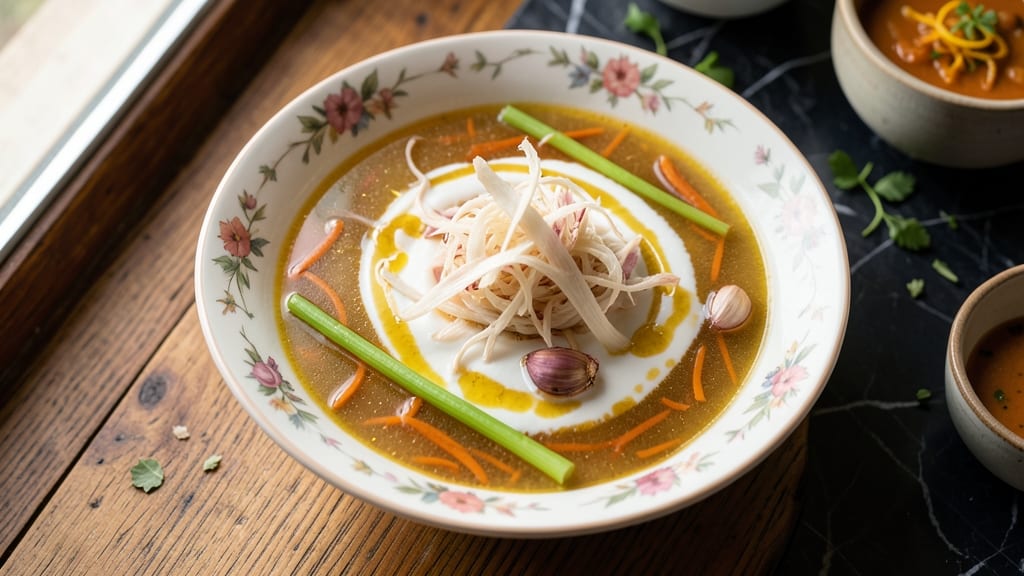
This banana flower soup transforms an exotic ingredient into a velvety, earthy-sweet dish that balances tropical creaminess with savory depth. ✨ The key lies in properly preparing the banana flower—peeling, cleaning, and boiling it to remove bitterness before blending into a luscious base.
This recipe stays true to its Southeast Asian roots while adapting for home kitchens with simple techniques.
The process begins with gently simmering the banana flower until tender, then blending it with coconut milk for that signature creamy texture. A touch of turmeric and lemongrass adds aromatic warmth, while optional additions like tofu or shrimp make it versatile for different dietary preferences.
What you’ll end up with is a soup that’s both comforting and sophisticated—perfect for warm evenings or special gatherings.
What makes this recipe special is its ability to turn an unfamiliar ingredient into something familiar yet exciting. The banana flower’s natural sweetness pairs beautifully with the coconut’s richness, creating a harmonious balance that’s both satisfying and nutritious.
Whether you’re serving it as a light vegetarian main or a flavorful side, this soup delivers on both taste and texture.
For those new to banana flower, don’t worry—the preparation is straightforward once you know the tricks. The reward? A bowl of soup that’s as visually appealing as it is delicious, with a creamy, velvety consistency that feels like a warm hug. Let’s get started on creating this tropical masterpiece.
Ingredients for banana flower soup
Exotic yet accessible ingredients transform into a velvety, aromatic soup with Southeast Asian soul.
| Ingredient | Amount | Notes |
|---|---|---|
| Banana Flower 🌺 | 1 lb | Fresh, peeled and cleaned |
| Coconut Milk 🥥 | 1 ½ cups | Full-fat, canned preferred |
| Vegetable Broth 💧 | 4 cups | Low-sodium preferred |
| Fresh Turmeric 🌿 | 1 tbsp | Freshly grated or powdered |
| Lemongrass 🌿 | 3 inches | Bruised stems only |
| Garlic Cloves 🧄 | 4 cloves | Peeled and minced |
| Galangal 🌿 | 1 inch | Fresh, peeled and sliced |
| Tofu 🍲 | 8 oz | Firm or extra-firm, cubed |
| Coconut Oil 🫒 | 2 tbsp | For sautéing |
| Lime Juice 🍋 | 2 tbsp | Freshly squeezed |
| Salt 🧂 | 1 tsp | Diamond Crystal preferred |
| White Pepper 🌶️ | ½ tsp | Freshly ground |
| Cilantro Leaves 🌿 | ¼ cup | Chopped, for garnish |
| Red Chili Flakes 🌶️ | ½ tsp | Optional, for heat |
The banana flower is the heart of this dish—fresh, vibrant purple flowers are essential for authentic flavor. Look for them at Asian markets or specialty grocers; if unavailable, substitute with 1 cup chopped cabbage for mild sweetness. Always peel and clean thoroughly to remove bitterness. For galangal, Thai markets carry it fresh, but if you can't find it, ginger at half the amount works in a pinch. The lemongrass should be bruised to release oils—simply smash the stems with the side of your knife before using.
Coconut milk quality matters—full-fat canned brands like Thai Kitchen deliver the richest texture. The vegetable broth should be low-sodium to balance flavors; Homemade or high-quality store-bought like Pacific Foods is ideal. For extra depth, toast the tofu in coconut oil until golden before adding it to the soup. Fresh turmeric imparts a brighter flavor than powdered, but if you prefer convenience, use 1 tsp ground turmeric. The lime juice brightens the dish at the end—Mexican Key limes add more tartness than regular limes.
Store leftover soup in airtight containers for 3-4 days in the fridge, though it tastes best within 24 hours when flavors meld. Freezes beautifully for 3 months—portion into ice cube trays for easy reheating. The banana flower loses texture when reheated, so add it fresh when serving. Garnish with cilantro and chili flakes just before eating to preserve their freshness and aroma.
Why You'll Love This Recipe
- No Chopping Nightmare: I swear, the banana flower’s fibrous core is the only prep that takes time—but once you cut it into strips, the rest is simmer-and-forget. Lemongrass and turmeric infuse the broth in 10 minutes flat, and coconut milk smooths it all out like magic.
- Earthy-Creamy Magic: That first sip? Warm, slightly sweet, with a whisper of turmeric’s golden bite and coconut’s richness cutting through. The banana flower adds a subtle, almost nutty depth—like a cross between asparagus and artichoke, but way more interesting.
- Lunchbox Hero: Between us, this soup reheats perfectly for days. Pack it in jars for work lunches (the turmeric keeps it vibrant), or serve it chilled over ice with lime—suddenly, you’ve got a refreshing summer bowl. My college kid devours it cold; my dad insists on it piping hot.
- Pantry Stretch: I make this when I’m low on fresh herbs or fancy ingredients. Vegetable broth + banana flower (sold frozen in many Asian markets) + a can of coconut milk? That’s a full meal for under $5. Honestly, it’s the kind of dish that makes me feel like I’m feeding people well, even on a tight budget.
Step-by-step instructions for banana flower soup
Transform delicate banana flower into a velvety soup with balanced tropical and earthy flavors.
🍳 Step 1: Sauté Aromatics Until Fragrant
Heat the 2 tablespoons coconut oil in a large pot over medium heat until shimmering. Add the 3 inches lemongrass (bruised stems only) and 1 inch galangal (peeled and sliced) and cook for 3 minutes until the galangal softens slightly and releases its citrusy aroma.
Add the 4 cloves garlic cloves (minced) and 1 tablespoon fresh turmeric (freshly grated) and cook for another 30 seconds until the garlic turns golden and the turmeric dissolves into the oil. This foundational step builds the soup's complex flavor profile—don't rush it. The galangal should be just tender enough to break down during simmering, not mushy.
🥘 Step 2: Build the Soup Base
Add the 1 lb banana flower (peeled and cleaned) to the pot and stir gently to coat in the aromatic oil. Pour in the 4 cups vegetable broth and bring to a gentle boil over medium-high heat. Once boiling, reduce heat to low and simmer uncovered for 20-25 minutes until the banana flower is fork-tender and the soup thickens slightly.
Here's the thing—banana flower releases starch as it cooks, which naturally thickens the soup. You'll know it's ready when the banana flower pieces break down easily but still hold their shape. If the soup reduces too quickly, add ½ cup water to maintain consistency. The soup should have a delicate, slightly floral aroma with subtle earthy undertones from the galangal.
🍳 Step 3: Add Tofu and Season
While the soup simmers, press the 8 oz tofu between paper towels for 5 minutes to remove excess water, then cut into ½-inch cubes. When the banana flower is tender, add the tofu cubes to the pot and simmer for an additional 5 minutes to heat through and absorb the flavors.
Season with the 1 teaspoon salt and ½ teaspoon white pepper, then stir in the 1.5 cups coconut milk and 2 tablespoons lime juice. The coconut milk should blend smoothly into the soup, creating a creamy texture without overpowering the delicate banana flower flavor. If you prefer heat, add the ½ teaspoon red chili flakes now. Taste and adjust seasoning—banana flower has a naturally mild flavor, so balancing salt and acid is key.
🥘 Step 4: Finish and Serve
Remove the pot from heat and let the soup rest for 5 minutes to allow flavors to meld. Gently stir in the ¼ cup chopped cilantro leaves just before serving to brighten the dish with fresh herbaceousness. The cilantro should be added last to preserve its vibrant color and prevent it from wilting in the hot soup.
Ladle the soup into bowls and serve immediately. The perfect bowl should have tender banana flower pieces suspended in a creamy, aromatic broth with just the right balance of tropical sweetness from the coconut milk and citrusy brightness from the lime. The tofu cubes should be warm throughout, adding a subtle protein element that complements the dish's delicate flavors. Garnish with additional cilantro and a sprinkle of red chili flakes if desired.
Pro Tips For Making Banana Flower Soup
- BLEACH THE FLOWER FIRST: Banana flower’s natural bitterness fades after a quick 10-minute soak in salted water (1 tbsp salt per 4 cups water). I learned this the hard way—skipping it leaves a grassy aftertaste that coconut milk can’t fully mask. Rinse thoroughly afterward, or the soup will taste like a science experiment.
- SIMMER LEMONGRASS LOW: Crush the stalks hard with the flat side of a knife—this releases oils without turning the broth bitter. Then simmer lemongrass on the lowest heat possible (just above a bare simmer) for 15 minutes. High heat burns it into oblivion, and no amount of coconut milk will save you.
- STRAIN COCONUT MILK: Store-bought coconut milk often hides sediment that turns your soup grainy. Strain it through a fine-mesh sieve or cheesecloth before adding—yes, it’s extra work, but the creamy texture is worth it. (Pro move: Save the leftover pulp for smoothies or curries.)
- ADD TURMERIC LAST: Fresh turmeric’s vibrant color fades fast in heat. Wait until the soup is nearly done, then stir in the grated rhizome for 2–3 minutes max. Overcooking turns it muddy, and no one wants a soup that looks like a swamp. (Bonus: Pair it with black pepper to boost absorption.)
Pro cooking tips for perfect results
Banana Flower Prep
The most critical step is properly preparing the banana flower. Start by peeling off the tough outer layers—use a sharp knife to carefully slice away the fibrous skin until you reach the tender, pale purple core.
Rinse thoroughly under cold water to remove any lingering bitterness, then trim off the thick stem base. I find it helpful to soak the peeled flower in iced water for 10 minutes before cooking to enhance its natural sweetness and remove any remaining bitterness. 🌺
Balancing Flavors
Banana flower has a delicate, slightly sweet flavor that needs balancing. The key is using fresh galangal and lemongrass—these aromatic roots add citrusy depth without overpowering. For extra richness, toast the tofu in coconut oil until golden before adding it to the soup.
This step creates a nutty contrast that elevates the dish. Taste as you go—banana flower absorbs flavors quickly, so adjust seasoning gradually.
Creamy Texture Tricks
To achieve that signature velvety texture, simmer the banana flower in broth until it breaks down slightly—this releases natural starches that thicken the soup. For extra creaminess without coconut milk, blend ½ cup of the cooked banana flower with ½ cup broth and stir it back in.
If you prefer a lighter consistency, add ¼ cup water at the end. The secret is patience—rushing the simmering can make the soup watery.
Lemongrass Mastery
Lemongrass is the soul of this soup, but it’s easy to overdo it. Only use the bruised stems—discard the tough outer leaves. For maximum flavor, bruise the stems by smashing them with the side of your knife before adding to the pot.
If you can’t find fresh lemongrass, 2 tablespoons lemongrass paste works in a pinch, but fresh is always better. The aroma should fill your kitchen—this is your cue that it’s working!
Tofu Texture Tips
For tofu that holds its shape but still soaks up flavor, press it between paper towels for 10 minutes before cubing. Then, pan-fry the cubes in coconut oil until golden on all sides before adding to the soup.
This creates a crispy exterior that contrasts beautifully with the creamy broth. If you’re short on time, skip frying and just simmer the tofu directly in the soup—it’ll still taste great, just softer. 🍲
Final Brightening
The last step is where the magic happens. Stir in fresh lime juice and cilantro just before serving to wake up the flavors. The acidity cuts through the richness, while the cilantro adds a fresh, herbaceous note.
For extra zing, top with red chili flakes—just ½ teaspoon** per bowl is enough to add heat without overpowering. Serve immediately while the soup is steaming hot and the garnishes are vibrant. ✨
Nutrition facts
Frequently asked questions
What makes banana flower soup different from other coconut soups?
Banana flower soup stands out with its unique floral, slightly sweet flavor that comes from the banana flower itself. Unlike other coconut soups that rely on coconut milk for sweetness, this dish balances the tropical creaminess with earthy galangal and citrusy lemongrass. The banana flower's natural starch also creates a velvety texture without needing extra thickening. It's a vegetarian powerhouse with Southeast Asian roots!
Can I substitute banana flower if I can't find it?
Yes! For a mild sweetness, use 1 cup chopped cabbage or 1 cup chopped water chestnuts as substitutes. If you want to stay closer to the original flavor, try 1 cup chopped lotus root or 1 cup chopped artichoke hearts. Just remember these won't have the same floral notes, but they'll still create a delicious base for the coconut broth.
How do I know when the banana flower is properly cooked?
The banana flower is ready when it's fork-tender but still holds its shape—this usually takes 20-25 minutes of simmering. It should break down slightly but not turn mushy. The soup will also naturally thicken as the flower releases starch. If you're unsure, cut a small piece to test—it should be soft on the inside but still have a slight bite.
Is this soup spicy? Can I make it milder?
The recipe includes optional ½ teaspoon red chili flakes, but you can completely omit them for a mild version. If you want heat, start with just ¼ teaspoon and adjust to taste. For extra flavor without spice, add ½ teaspoon ground coriander or ½ teaspoon white pepper—both complement the coconut and banana flower beautifully.
Can I make this soup ahead of time?
Yes! The soup actually tastes better the next day as flavors meld. Store in an airtight container in the fridge for up to 3 days. For serving, reheat gently on low heat, then add fresh banana flower pieces (if available) and garnishes just before eating. The texture will be slightly thicker after refrigeration, so you may want to add ¼ cup water or broth when reheating.