
Soups & Stews
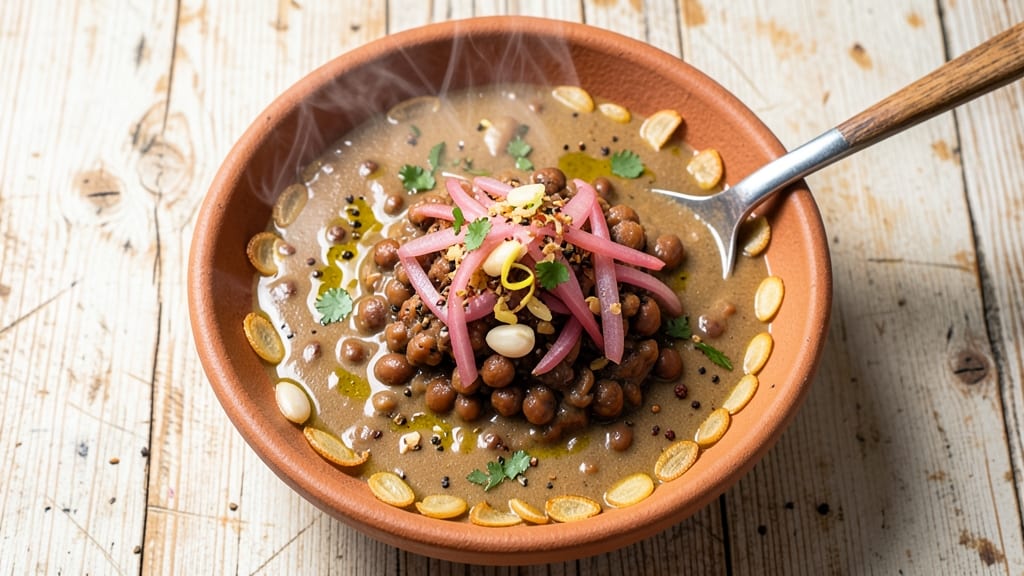
This Bangladeshi soup recipe brings the hearty, aromatic flavors of traditional shobji to your kitchen, where fragrant spices and tender lentils create a comforting bowl of warmth. 🌟 The secret lies in the balanced blend of mustard oil, panch phoron (a five-spice mix), and slow-simmered vegetables that transform simple ingredients into a restaurant-quality dish.
Unlike many quick soups, this recipe builds flavor through patience—each ingredient plays a role in creating a harmonious broth that’s both nourishing and deeply satisfying.
The beauty of this soup is its versatility—whether you use fish, chicken, or keep it vegetarian, the foundation remains the same: a rich, spiced lentil base that absorbs the essence of cumin, coriander, and turmeric.
The vegetables, typically pumpkin, eggplant, and potatoes, soften into tender perfection while maintaining their shape, creating a visually appealing dish that’s as pleasing to the eye as it is to the palate.
What sets this recipe apart is the use of mustard oil, which adds a distinct, earthy depth that’s unmistakably Bangladeshi.
By the time you serve this soup, you’ll have a bowl brimming with aromatic steam, vibrant colors, and layers of flavor that invite seconds. The lentils become tender yet hold their shape, while the vegetables melt into the broth, creating a symphony of textures—creamy, crisp, and velvety all at once.
It’s the kind of dish that feels like a hug on a chilly day, perfect for sharing with family or enjoying as a solo meal when you crave something hearty and full of tradition.
Serve it with steamed rice or luchi (Bangladeshi fried bread) to complete the meal, and you’ll experience the true essence of Bangladeshi home cooking—simple yet deeply flavorful, with every spoonful telling a story of culture and care. Here’s how to make it.
Ingredients for bangladeshi soup
Fragrant spices, tender lentils, and slow-simmered vegetables create this soul-warming Bangladeshi soup.
| Ingredient | Amount | Notes |
|---|---|---|
| Red Lentils 🌾 | 1 cup | Rinsed before cooking |
| Mustard Oil 🫒 | ½ cup | For authentic flavor |
| Panch Phoron 🌶️ | 1 tbsp | Five-spice mix (mustard seeds, fenugreek, cumin, fennel, nigella) |
| Onion 🧅 | 1 whole | Medium, finely chopped |
| Garlic Cloves 🧄 | 6 cloves | Minced for depth |
| Ginger 🌿 | 1 tbsp | Freshly grated |
| Ground Cumin 🌶️ | 1 tsp | Toasted for aroma |
| Ground Coriander 🌿 | 1 tsp | Freshly ground preferred |
| Turmeric Powder 🧂 | ½ tsp | Bright yellow color |
| Pumpkin 🎃 | 1 ½ cups | Cubed, peeled |
| Eggplant 🍆 | 1 medium | Cubed, skin on |
| Potatoes 🥔 | 1 medium | Cubed, peeled |
| Tomatoes 🍅 | 2 medium | Chopped, ripe |
| Green Chilies 🌶️ | 2 whole | Slit lengthwise |
| Cilantro 🌿 | ¼ cup | Fresh, chopped |
| Salt 🧂 | 1 tsp | Adjust to taste |
| Water 💧 | 4 cups | For simmering |
Mustard oil is the soul of this soup—look for pure, unrefined mustard oil at Indian or Bangladeshi markets, or the international aisle of larger grocery stores. If you can't find it, vegetable oil works in a pinch, but the flavor won't be quite the same. The panch phoron is non-negotiable—this five-spice blend (mustard seeds, fenugreek, cumin, fennel, nigella) gives the soup its signature depth. Buy it pre-mixed at an Indian grocery or make your own by toasting and grinding the spices separately. For the lentils, red lentils break down beautifully but stay intact enough to hold their shape—perfect for this dish.
No panch phoron? Mix 1/2 tsp each of mustard seeds, cumin seeds, and fenugreek seeds for a close approximation. Eggplant can be swapped for zucchini if you prefer milder flavor, and potatoes can be replaced with sweet potatoes for a subtle sweetness. The tomatoes? Use ripe ones—they'll soften beautifully and add natural sweetness to balance the spices. For extra heat, add more green chilies, but remember they'll mellow as they cook. If you're using fish or chicken, add it in the last 10 minutes of cooking to keep it tender.
This soup tastes even better the next day—flavors meld beautifully when reheated. Store leftovers in an airtight container in the fridge for up to 4 days, or freeze for 3 months. The broth thickens as it cools, so add a splash of water when reheating. For serving, I always keep a small bowl of fresh cilantro and lemon wedges on the table—let everyone add their own touch. The mustard oil smell is strong, so let the soup sit covered for 10 minutes before serving to mellow the aroma slightly.
Why You'll Love This Recipe
- One-Pot Magic: Honestly, this soup comes together in a single pot—no chopping mountains of veggies, no last-minute ingredient scrambles. Just lentils, onions, and garlic simmering in that golden mustard oil, while panch phoron works its spice magic in the background.
- Garlic Oil Bliss: Between us, the moment that mustard oil hits the garlic? Pure satisfaction. It’s nutty, sharp, and just a little smoky—like a warm hug in a bowl. The panch phoron ties it all together with a fragrant, earthy punch that lingers.
- Weeknight & Potluck Hero: I’ll make this on a Tuesday when I’m exhausted, or double it for a Sunday gathering because it’s always a crowd-pleaser. Serve it with rice, or let people scoop it straight from the pot—no judgment here.
- Budget-Friendly Pantry Staple: Red lentils turn $3 into a meal that feeds four. The oil and spices cost pennies, and leftovers? Even better the next day—if there are any. My kids fight over the last bowl, and I fight to keep them from inhaling the pot dry.
Step-by-step instructions for spiced lentil and vegetable harmony
Here's how to create this comforting Bangladeshi soup from scratch.
🍳 Step 1: Toast the Spices in Mustard Oil
Heat the 0.5 cup mustard oil in a large pot over medium heat. Add the 1 tablespoon panch phoron and let it sizzle for 30-45 seconds until you hear the mustard seeds pop and the spices release their aroma. Here's the thing—don't let it burn. The moment you smell that nutty fragrance, it's ready.
Next, add the 1 whole onion and cook for 4-5 minutes until it turns golden brown and translucent. Stir occasionally to prevent sticking. This step builds the flavor foundation—those caramelized onions will make all the difference in your soup.
🍳 Step 2: Add Aromatics and Spices
Push the onions to one side of the pot and add the 6 cloves garlic cloves and 1 tablespoon ginger. Sauté for 1-2 minutes until the garlic turns golden and fragrant. Be careful not to burn the garlic—it should smell sweet and inviting, not bitter.
Now add the 1 teaspoon ground cumin, 1 teaspoon ground coriander, and 0.5 teaspoon turmeric powder. Stir everything together for 30 seconds until the spices are well combined and the raw aroma disappears. This is where the magic happens—the spices meld with the onions and aromatics to create that authentic Bangladeshi flavor profile.
🍳 Step 3: Cook the Vegetables
Add the 1.5 cups pumpkin, 1 medium eggplant, 1 medium potatoes, 2 medium tomatoes, and 2 whole green chilies to the pot. Stir well to coat the vegetables with the spiced oil. Cook for 8-10 minutes over medium heat, stirring occasionally, until the vegetables begin to soften slightly.
Here's where it gets fun—toss in the 1 cup red lentils and 1 teaspoon salt. Stir everything together for 1 minute to ensure the lentils are well coated with the spiced oil and vegetables. The lentils will start to absorb the flavors immediately, soaking up all that delicious aroma.
🥘 Step 4: Simmer the Soup
Pour in the 4 cups water and bring the mixture to a gentle boil. Once boiling, reduce the heat to low and let it simmer uncovered for 25-30 minutes. You'll know it's ready when the lentils are tender and the vegetables are easily pierced with a fork. Stir occasionally to prevent sticking and to distribute the flavors evenly.
Real talk: the soup should have a thick, hearty consistency by now. If it's too thick, add a splash of water to reach your desired texture. The lentils should be soft but still hold their shape, and the vegetables should be tender but not mushy.
🍽️ Step 5: Finish and Serve
Remove the pot from heat and let the soup sit for 5 minutes to allow the flavors to meld. Stir in the 0.25 cup cilantro, giving it a gentle toss to distribute the fresh herbs throughout the soup. The cilantro adds a bright, fresh contrast to the rich, spiced flavors.
Taste and adjust the seasoning if needed. Serve the soup hot, garnished with an extra sprinkle of cilantro and a drizzle of mustard oil if you're feeling fancy. This soup is perfect with some warm roti or crusty bread to soak up all that delicious broth.
Pro Tips For Making Bangladeshi Soup
- Bloom the Panch Phoron: Toast the whole spices in mustard oil on medium-low heat—just until they smell like a spice shop, not like a smoke alarm. I learned this the hard way: high heat burns them fast, and you lose that floral aroma that makes the soup sing.
- Slice Onions Thinly: Use a mandoline or sharp knife to cut onions into paper-thin slices—this ensures they soften without turning to mush. My grandmother swore by this, and she was right: the texture stays crisp enough to chew, not just blend into the broth.
- Don’t Rush the Lentils: Let red lentils simmer uncovered for at least 15 minutes after they’re tender—they’ll keep breaking down, and the soup will thicken naturally. I used to skim them early, and the result was always too thin and bland.
- Finish with Cold Water: Stir in ½ cup cold water at the end to cool the oil and stop the cooking process—this keeps the lentils intact and prevents the soup from turning gluey. Sounds weird, but it works: the texture stays creamy, not mushy.
Essential equipment for this dish
Must-Have Pot
Start with a heavy-bottomed, 6-8 quart pot—I swear by my All-Clad stainless steel pot for even heat distribution. The depth matters because this soup needs room for lentils to expand and vegetables to soften without boiling over.
If you don’t have one, a Le Creuset Dutch oven works perfectly, though it’s pricier. For budget-friendly options, a Farberware Classic Stainless Steel pot handles the job just as well. 🔥
Mustard Oil Essentials
Mustard oil is non-negotiable for authentic flavor, but you need the right tools to handle it. Use a small saucepan to warm 0.5 cup mustard oil over low heat—never high—since it smokes easily. I keep a fine-mesh strainer nearby to filter out any leftover spices after toasting.
Store mustard oil in a dark glass bottle (like Kirkland Signature) to preserve its potency and prevent rancidity. Pro tip: Never reuse mustard oil for other dishes—its strong flavor overpowers everything else.
Spice Toasting Tools
Toast your panch phoron in a small skillet over medium heat for 30 seconds—just until the mustard seeds pop. A cast-iron skillet (like Lodge) is ideal because it retains heat well, but a nonstick pan works too. Keep a wooden spoon handy to stir constantly and prevent burning.
For grinding whole spices (if making your own panch phoron), a spice grinder (like OXO Good Grips) is a game-changer—it’s faster and more consistent than a mortar and pestle. 🌶️
Vegetable Prep Gear
Efficient prep makes all the difference. Use a sharp chef’s knife (I love the Mercer Culinary Genesis) and a cutting board (a teak board or plastic one with non-slip feet) to dice your vegetables uniformly.
A mandoline (like OXO Good Grips) speeds up slicing potatoes and pumpkin into even cubes. For peeling, a Y-peeler works best for eggplant and potatoes. Store prepped veggies in a glass airtight container until cooking to keep them fresh.
Simmering and Stirring
Simmering requires patience, so grab a long-handled wooden spoon to stir occasionally without burning yourself. A digital thermometer (like Thermoworks Smoke) helps monitor the broth’s temperature—aim for 190–200°F for gentle simmering. If your pot lacks a lid, a heat-resistant silicone lid (like OXO Good Grips) prevents splatters.
For serving, keep a ladle (preferably stainless steel) and a small bowl for garnishes like cilantro or extra mustard oil. ✨
Storage Containers
Leftovers deserve proper storage. Use glass Pyrex containers (with snap-on lids) for refrigeration—they’re microwave-safe and won’t absorb odors. For freezing, quart-sized silicone freezer bags (like Stasher) save space and prevent freezer burn.
Label containers with the date and reheat on low heat with a splash of water to restore texture. A fine-mesh strainer** also comes in handy for skimming excess oil if the soup feels too rich after reheating.
Nutrition facts
Frequently asked questions
What makes this Bangladeshi soup different from other lentil soups?
This recipe uses mustard oil and panch phoron (a five-spice blend) that give it a distinct, earthy depth. Unlike many lentil soups, it includes slow-simmered vegetables like pumpkin and eggplant, creating a heartier texture. The spices toast directly in the oil, releasing aromatic compounds that transform simple ingredients into something truly special.
Can I substitute mustard oil with another oil?
While mustard oil is essential for authentic flavor, you can use vegetable or canola oil in a pinch. For a closer approximation, toast 1/2 teaspoon mustard seeds in the oil before adding other spices. The flavor won't be identical, but it'll still be delicious. Avoid olive oil—its strong flavor can overpower the dish.
How do I adjust the spice level for kids or sensitive eaters?
Start by reducing green chilies to 1 whole chili (or remove them entirely). For extra mildness, skip the panch phoron and use just 1/2 teaspoon cumin seeds instead. Always taste as you go—you can add more salt or a pinch of sugar to balance flavors without extra heat.
Can I make this soup in a slow cooker?
Sauté the onions, garlic, ginger, and spices first in a skillet, then transfer everything to the slow cooker. Add 4 cups water and cook on low for 6-7 hours or high for 3-4 hours. Stir occasionally and adjust seasoning at the end. The slow cooker method actually enhances the flavors by letting them meld longer.
What's the best way to store and reheat leftovers?
Store in an airtight glass container in the fridge for up to 4 days or freeze for 3 months. To reheat, warm on low heat with a splash of water—this prevents the soup from becoming too thick. For extra freshness, stir in a handful of fresh cilantro after reheating.