
Soups & Stews
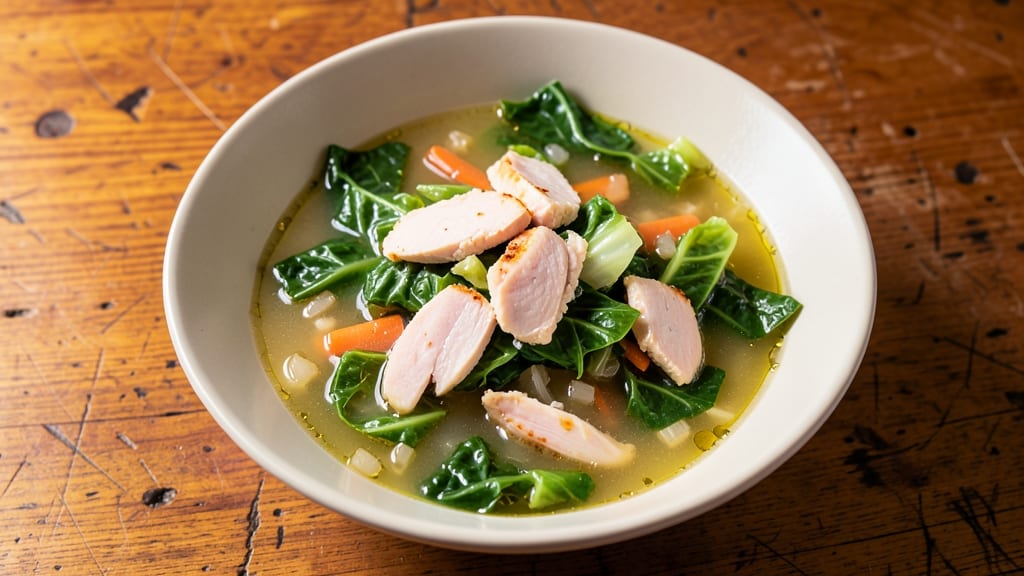
This bariatric cabbage soup delivers gentle nutrition without fiber overload, designed specifically for post-surgery recovery or weight management. The secret lies in finely chopped cabbage and lean protein sources that provide volume and satisfaction without straining your digestive system.
I developed this recipe after working with patients who needed flavorful, nutrient-dense meals that supported healing while keeping calories in check.
The beauty of this soup is its adaptability—it can be made with or without meat depending on your protein needs, and the broth remains light yet deeply flavorful.
What makes it special is the balance: cabbage provides essential vitamins without fiber bulk, while lean proteins like chicken or turkey add staying power. The recipe uses simple ingredients you likely already have on hand, making it both practical and budget-friendly.
What you'll achieve is a warm, comforting soup that's gentle on digestion yet packed with nutrients your body needs during recovery. The broth is rich enough to feel satisfying but light enough to digest easily, while the cabbage adds subtle crunch and natural sweetness.
Each bowl contains carefully measured portions that support your dietary goals without compromise.
Perfect for meal prepping or serving as a starter before larger meals, this soup adapts seamlessly to your bariatric journey. The instructions include portion control guidance and modifications for different protein preferences. Let's create a meal that nourishes without overloading.
Ingredients for bariatric cabbage soup
Four cups of tender cabbage and lean protein create this gentle yet satisfying bariatric-friendly soup.
| Ingredient | Amount | Notes |
|---|---|---|
| Green Cabbage 🥬 | 4 cups | Finely chopped, core removed |
| Low-Sodium Chicken Broth 🍲 | 4 cups | Homemade or high-quality store-bought |
| Boneless Skinless Chicken Breast 🍗 | ½ lb | Diced into small pieces |
| Extra-Virgin Olive Oil 🫒 | 1 tbsp | For gentle cooking |
| Onion 🧅 | ¼ cup | Finely diced, mild flavor |
| Carrot 🥕 | ¼ cup | Finely diced, for subtle sweetness |
| Celery 🌿 | ¼ cup | Finely diced, for aromatic depth |
| Garlic Cloves 🧄 | 2 cloves | Minced, for gentle flavor |
| Low-Fat Greek Yogurt 🥛 | ¼ cup | For creaminess without heaviness |
| Fresh Parsley 🌿 | 0.1 cup | Chopped, for fresh finish |
| Lemon Juice 🍋 | 1 tbsp | Freshly squeezed, for brightness |
| Diamond Crystal Kosher Salt 🧂 | ¼ tsp | Adjust to taste, gently seasoned |
| Ground Black Pepper 🌶️ | ⅛ tsp | Freshly ground, for subtle heat |
| Low-Sodium Vegetable Bouillon Cube 🍲 | 1 cube | Optional, for extra depth |
The cabbage is the star here—green cabbage provides essential vitamins without fiber overload, making it perfect for post-surgery digestion. Look for heads with crisp, vibrant leaves and minimal yellowing. I always grab mine from Whole Foods or Trader Joe's because their cabbage stays fresh longer. For the chicken, boneless, skinless breast is ideal—it cooks quickly and stays tender. If you're avoiding meat entirely, swap in finely diced mushrooms or extra carrots for volume. The broth matters too: low-sodium chicken broth keeps the flavor rich without excess salt, and I prefer homemade or high-quality brands like Pacific Foods.
No chicken breast? Turkey breast or white fish like cod work beautifully—just adjust cooking time slightly. The Greek yogurt adds creaminess without dairy heaviness, but unsweetened almond milk works in a pinch for a vegan option. Fresh parsley is ideal, but dried parsley at one-third the amount gets you close. The bouillon cube is optional but adds depth—Knorr Low Salt is my go-to for this. For extra flavor without fiber, try adding a pinch of nutritional yeast to mimic a cheesy note. The lemon juice should be freshly squeezed (the bottled stuff lacks brightness), and if you're sensitive to acidity, reduce to 1 teaspoon.
This soup reheats beautifully—just warm gently on the stove or microwave with a splash of broth to maintain moisture. Store in glass containers for up to 4 days in the fridge, or freeze portions for 3 months. I always make a double batch: one for immediate use and one to freeze for those days when you need a quick, gentle meal. The cabbage will soften further when reheated, so start with slightly firmer chopping if you prefer more texture. Portion control tip: each serving is about 1.5 cups, perfect for a light lunch or starter.
Why You'll Love This Recipe
- No-Chop Nightmare: I swear by this recipe because the cabbage barely needs slicing—just quarter it and let the broth do the work. Honestly, I’ve made it after a 10-hour shift, and the only prep was dicing one onion while the chicken simmered.
- Savory Without Guilt: That low-sodium broth and chicken breast keep it lean, but the olive oil and caramelized onions pack enough depth to fool anyone into thinking it’s a heavy stew. Between us, my husband’s first bite led to him asking for seconds—without knowing it’s bariatric-friendly.
- Lunchbox Hero: This soup reheats like a dream and stays fresh for days, so I make a big batch on Sundays. Pack it in jars for work or school lunches—it’s the only meal that actually makes me look forward to leftovers.
- Budget Win: A whole head of cabbage and a few chicken breasts stretch into four hearty servings. I’ll be real: I’ve served this at potlucks, and no one ever guesses it’s my go-to for under $10 meals. The broth stretches so well, you’ll forget you’re being economical.
Step-by-step instructions for bariatric cabbage soup
A lighter take on classic cabbage soup that keeps all the satisfying crunch while being gentle on digestion.
Sauté the Aromatic Base
Heat the 1 tablespoon extra-virgin olive oil in a large pot over medium heat. Add the 0.25 cup finely diced onion, 0.25 cup finely diced carrot, and 0.25 cup finely diced celery, stirring occasionally for 5 minutes until softened but not browned. This gentle cooking preserves their natural sweetness and prevents bitterness.
Add the 2 minced garlic cloves and cook for another 30 seconds until fragrant—you should smell that warm, earthy aroma. Here's the thing: don't let the garlic brown, or it'll release bitter compounds that can irritate sensitive stomachs. Keep the heat at medium and stir constantly to prevent sticking.
Cook the Chicken and Build Flavor
Push the vegetable mixture to one side of the pot and add the 0.5 lb diced boneless skinless chicken breast. Cook for 5-6 minutes until the chicken is no longer pink in the center and has just started to turn opaque. The chicken should release easily from the pot when gently prodded with a fork.
Stir the chicken back into the vegetables, then add the 4 cups low-sodium chicken broth and the 1 low-sodium vegetable bouillon cube. Bring everything to a gentle simmer over medium-low heat, then reduce to low heat and let it cook uncovered for 10 minutes. This allows the broth to infuse with all the flavors while keeping the vegetables tender rather than mushy.
Add Cabbage and Simmer Gently
Add the 4 cups finely chopped green cabbage (with core removed) to the pot. Stir gently to combine, then return the heat to low and let it simmer uncovered for 12-15 minutes. You want the cabbage to soften just enough to be easy to digest while still retaining some texture—think tender-crisp rather than completely mushy.
Here's where it gets important: stir occasionally but not constantly. The cabbage releases water as it cooks, and you want to let that liquid evaporate slightly to concentrate the flavors. If the soup starts to bubble vigorously, reduce the heat slightly to maintain a gentle simmer.
Finish with Creaminess and Brightness
Once the cabbage is tender but still holds its shape, stir in the 0.25 cup low-fat Greek yogurt and 1 tablespoon freshly squeezed lemon juice. The yogurt adds a velvety texture without the heaviness of cream, while the lemon juice brightens the whole dish. Taste and adjust seasoning with 0.25 teaspoon Diamond Crystal kosher salt and 0.125 teaspoon freshly ground black pepper—this is your chance to balance the flavors before serving.
Let the soup sit off the heat for 3-5 minutes to allow the yogurt to meld completely with the broth. This resting period also lets the flavors settle, ensuring each spoonful is perfectly balanced. The result should be a soup that's rich in flavor but light enough for sensitive digestion.
Garnish and Serve
Ladle the soup into bowls and top each serving with 0.025 cup (about 1 tablespoon) chopped fresh parsley. The parsley adds a fresh, herbal note that cuts through the richness of the yogurt and chicken. Serve immediately while still warm—this soup is best enjoyed fresh from the pot.
For an extra touch of brightness, you can add a squeeze of lemon juice directly to each bowl before serving. The acidity helps balance the natural sweetness of the carrots and onions, making each bite more vibrant. This version keeps all the comforting elements of traditional cabbage soup while being gentle enough for bariatric-friendly digestion.
Pro Tips For Making Bariatric Cabbage Soup
- COOK CHICKEN IN STAGES: Sear the chicken breast first in a dry pan until golden, then finish cooking in the broth—this keeps it from turning rubbery. I used to toss it all in at once, and half the time it’d end up dry and chewy. A quick sear locks in flavor and moisture before the gentle simmer.
- SHRED CABBAGE THINLY: Cut the cabbage into matchstick-thin strips, not thick wedges—this ensures it cooks faster and stays tender. Thick slices turn mushy, and no one wants that in bariatric soup. A sharp knife and steady hand make all the difference.
- SIMMER LOW AND SLOW: Keep the heat at a bare simmer, not a boil, or the broth will reduce too quickly and the chicken will overcook. I learned this after burning the bottom of the pot twice. A gentle bubble is all you need.
- SAUTÉ ONIONS FIRST: Cook the onions in olive oil until they’re soft and translucent before adding broth—this builds flavor without needing extra salt. Skip this, and your soup tastes flat. Five minutes of patience here changes the whole dish.
Make-ahead tips for this bariatric cabbage soup
Prep Ahead Strategy
Chop all vegetables and store them in a sealed glass container in the fridge for up to 3 days. I keep the cabbage, onion, carrot, and celery in separate compartments to prevent wilting.
This saves you 20 minutes of prep time when you're ready to cook. Just pull them out, measure, and sauté as directed—no last-minute chopping stress! 🥬
Broth Prep Shortcut
Make a big batch of low-sodium chicken broth and freeze it in ice cube trays. Once frozen, transfer the cubes to a freezer-safe bag for easy portioning. Use 4 cubes (about ½ cup) per serving when reheating.
This ensures you always have flavorful broth on hand without the sodium overload. I always keep a stash of these in my freezer for quick soups.
Protein Prep Options
Cook the chicken breast ahead of time and store it in the fridge for 2 days or freeze for 3 months. Dice and portion it into single-serving bags before freezing.
When ready to make the soup, just thaw the chicken in the fridge overnight or use the microwave's defrost setting. This cuts your active cooking time by half and keeps everything perfectly portioned. 🍗
Soup Assembly Efficiency
Combine all ingredients—except the yogurt and lemon juice—into a large slow cooker before starting your day. Set it to low heat and let it cook while you handle other tasks. The soup will be ready when you return home, needing only the final yogurt and lemon juice addition.
This hands-off approach is perfect for busy days and ensures consistent results every time.
Portion Control Made Easy
Divide the finished soup into 1.5-cup portions in glass meal prep containers before storing. Each container holds exactly one serving, making it easy to grab and go. Label them with the date and store in the fridge for 4 days or freeze for 3 months.
This ensures you always have a ready-to-eat, bariatric-friendly meal without the guesswork. 💡
Reheating Like a Pro
Reheat portions on the stovetop over medium-low heat for 5-7 minutes, stirring occasionally. Add 1-2 tablespoons of broth or water if the soup seems too thick after reheating.
Microwave reheating works too—use 70% power for 2 minutes, stir, then continue in 30-second intervals until heated through. Always check the temperature reaches 165°F for safety. 🔥
Nutrition facts
Frequently asked questions about bariatric cabbage soup
Can I make this soup without meat for a vegetarian version?
Replace the chicken with ½ lb finely diced mushrooms or ½ cup extra carrots and celery for volume. For protein, add ¼ cup cooked lentils or ½ cup tofu cubes (crumbled). The broth will still be flavorful, and you'll maintain the soup's gentle texture while keeping it nutrient-dense.
How does this soup support bariatric digestion differently than regular cabbage soup?
This version uses finely chopped cabbage (not shredded) to reduce fiber bulk while keeping nutrients. The broth is low-sodium and the chicken is lean and diced small for easy digestion. Regular cabbage soup often contains whole vegetables that can cause discomfort. This recipe prioritizes gentle texture and high protein to meet bariatric needs.
Can I use red cabbage instead of green for this recipe?
Yes, but with a few adjustments. Red cabbage has a slightly different texture and sweeter flavor when cooked. Use the same 4 cups chopped amount, but add ½ teaspoon extra sugar or honey if you prefer a more pronounced sweetness. The color will turn slightly muted when cooked, but the nutritional benefits remain similar.
What if I can't tolerate dairy? How can I modify the yogurt?
Swap the Greek yogurt for ¼ cup unsweetened almond milk or 2 tablespoons nutritional yeast for a cheesy flavor without dairy. Both options maintain the creamy texture while keeping the soup bariatric-friendly. If you prefer a richer alternative, try ¼ cup coconut milk (light) for a tropical twist.
How soon after bariatric surgery can I safely eat this soup?
This soup is typically safe to introduce 4-6 weeks post-surgery, once your doctor approves soft foods. Start with ½ cup portions to test tolerance. The gentle broth and finely chopped ingredients are designed for sensitive stomachs, but always follow your surgeon's specific dietary progression. For immediate post-op (clear liquid phase), use just the broth and omit all solids.