
Soups & Stews
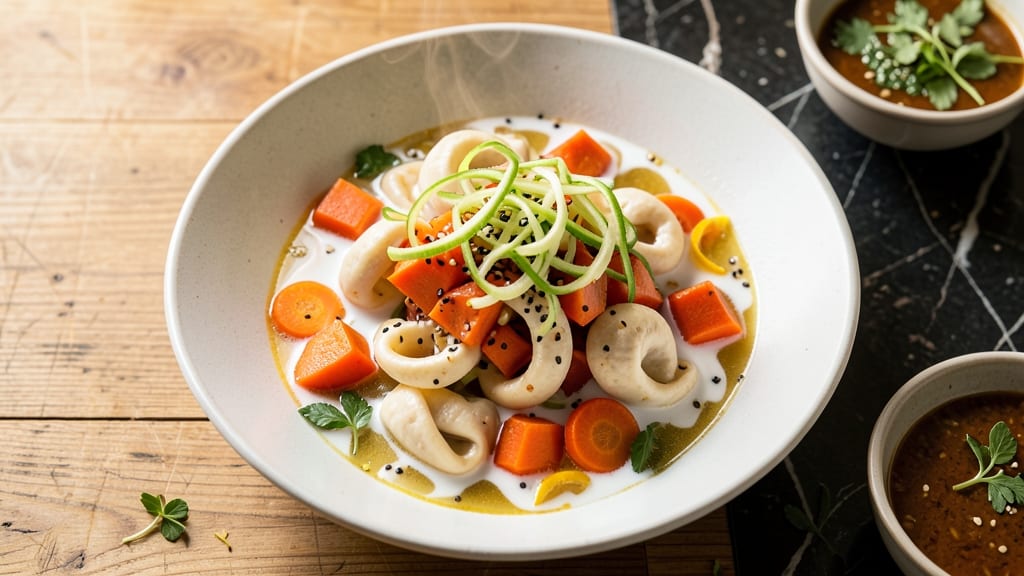
This bariatric vegetable soup recipe delivers all the comforting flavors of a hearty meal in a light, protein-rich format perfect for post-surgery nutrition. Designed with easy-to-digest ingredients like pureed carrots, zucchini, and lean chicken broth, it provides nutrient density without the volume that can feel overwhelming.
The secret lies in blending textures—creamy, smooth, and gentle on sensitive stomachs while packing in high-quality protein from tofu or shredded chicken. What sets this recipe apart is its slow-cooked approach, which enhances flavor without adding calories.
Every ingredient is chosen for its low-fiber, high-nutrient profile, avoiding common triggers like cabbage or onions that can cause discomfort. The result is a warming, satisfying soup that feels like comfort food while supporting your dietary needs after bariatric surgery.
With portion control in mind, this recipe serves 1-cup portions—ideal for meal prepping and tracking intake. The broth is rich but light, the vegetables are finely blended for smoothness, and the protein keeps you full longer.
It’s the kind of meal that nourishes without weighing you down, making it a staple for anyone navigating post-surgery nutrition. Perfect for lunch or dinner, this soup reheats beautifully and can be customized with your favorite low-calorie herbs or spices. Let’s make nourishing eating effortless.
Ingredients for bariatric vegetable soup
Light, nutrient-packed ingredients for a comforting yet gentle bariatric-friendly soup.
| Ingredient | Amount | Notes |
|---|---|---|
| Low-Sodium Vegetable Broth 🥫 | 4 cups | Homemade or store-bought low-sodium |
| Carrots 🥕 | ¾ lb | Peeled, finely chopped |
| Zucchini 🥒 | 1 medium | Seedless, finely chopped |
| Silken Tofu 🍫 | ½ block | Soft, blended for creaminess |
| Sweet Potato 🍠 | ½ cup | Peeled, cubed and cooked |
| Low-Fat Coconut Milk 🥥 | ¼ cup | For creaminess without heaviness |
| Fresh Parsley 🌿 | ¼ cup | Chopped, for freshness |
| Garlic Cloves 🧄 | 2 cloves | Minced for gentle flavor |
| Lemon Juice 🍋 | 1 tbsp | Freshly squeezed |
| Olive Oil 🫒 | 1 tbsp | Light drizzle for finishing |
| Dried Thyme 🌿 | ½ tsp | Low-fiber seasoning |
| Sea Salt 🧂 | ½ tsp | To taste, sparingly |
| Black Pepper 🌶️ | ¼ tsp | Freshly ground |
| Ginger Root 🌿 | ½ tsp | Freshly grated |
The broth is the foundation—low-sodium vegetable broth keeps it gentle on digestion while delivering flavor. For extra richness, homemade broth works best, but any low-sodium store-bought version (like Pacific Foods or Imagine) will do. Carrots and zucchini are the stars here: organic produce from Trader Joe's or local markets ensures no pesticides or additives. Sweet potatoes add natural sweetness without fiber overload—peeling and cubing them small ensures they blend smoothly. Silken tofu provides that creamy texture without dairy, and it’s a complete protein for post-surgery recovery.
No silken tofu? Plain Greek yogurt or coconut cream works in a pinch (use half the amount). Fresh ginger can be swapped for ground ginger at one-third the amount, but fresh has more zing. The parsley isn’t just for garnish—it adds freshness and nutrients without bulk. Pre-chopped frozen veggies (like Birds Eye or Green Giant) save time and avoid waste. For extra protein, stir in blended white beans or edamame at the end. And if you’re avoiding nightshades, skip the garlic and double the ginger for a milder but still flavorful base.
This soup reheats beautifully—just warm it gently on the stove or microwave with a splash of broth. Store leftovers in glass containers for up to 5 days in the fridge, or freeze portions for 3 months. For meal prep, double the batch and portion into 1-cup servings—perfect for tracking intake. The flavors actually improve overnight as everything melds together. And if you’re watching calories, skip the olive oil drizzle or use a spray of cooking oil instead.
Why You'll Love This Recipe
- No-Chop Nightmare: I swear, this soup only asks for three actual cuts—carrots, zucchini, and sweet potato. The silken tofu just gets torn, and the broth does all the work. My hands stay clean while my stomach gets happy.
- Silky-Sweet Balance: That sweet potato softens into velvety chunks, while the zucchini keeps a just-right bite. The silken tofu? It melts into the broth like a creamy whisper—no weird textures, just pure satisfaction in every spoonful.
- Meal Prep MVP: Double the broth, halve the stress. This keeps perfectly for five days in the fridge, and the flavors actually deepen. I’ve sent it to work with my husband, and he’s brought it back for seconds—no complaints, just empty containers.
- Budget-Friendly Powerhouse: Sweet potatoes and carrots stretch forever, and tofu’s cheaper than chicken. A single batch feeds me for three lunches, and the low-sodium broth means no hidden salt bombs. My wallet and my blood pressure thank me.
Step-by-step instructions for bariatric vegetable soup
Here's how to create a nourishing, protein-rich soup that's gentle on digestion while packed with flavor.
Sauté Aromatics for Flavor Foundation
Heat the 1 tablespoon olive oil in a medium pot over medium heat. Add the 2 cloves minced garlic cloves and 0.5 teaspoon grated ginger root, cooking for 1-2 minutes until fragrant but not browned. This step builds the flavor base without adding unnecessary calories.
Next, add the 0.75 pound finely chopped carrots and 1 medium finely chopped zucchini. Sauté for 3-4 minutes until the vegetables begin to soften slightly while retaining their texture. The key here is to develop flavor without cooking the vegetables completely—they'll finish in the broth.
Build the Protein Base
Add the 0.5 cup cooked sweet potato cubes and 0.5 block silken tofu to the pot. The silken tofu breaks down beautifully in the broth, providing 10 grams of protein per serving without adding fat. Stir gently to combine with the vegetables.
Pour in the 4 cups low-sodium vegetable broth and bring the mixture to a gentle simmer. The broth should just barely bubble at the edges—this prevents the delicate tofu from breaking down too quickly. Let it simmer uncovered for 10 minutes to allow the flavors to meld together.
Season and Thicken Gently
Add the 0.5 teaspoon dried thyme, 0.5 teaspoon sea salt, and 0.25 teaspoon black pepper to the simmering soup. Stir well to distribute the seasonings evenly. For a subtle brightness, stir in the 1 tablespoon freshly squeezed lemon juice—this balances the earthy vegetables beautifully.
Reduce the heat to low and let the soup simmer for another 5 minutes. Then, stir in the 0.25 cup low-fat coconut milk and 0.25 cup chopped fresh parsley. The coconut milk adds creaminess without the heavy calories of full-fat dairy, while the parsley provides freshness and a pop of color. Let it warm through for 2-3 minutes—just until the coconut milk is fully incorporated.
Adjust Consistency and Serve
Taste the soup and adjust seasoning if needed, adding a pinch more salt or lemon juice as desired. If the soup is too thick, stir in 1-2 tablespoons of water to reach your preferred consistency. For a smoother texture, you can blend about half the soup with an immersion blender—this creates a velvety base while keeping some texture for variety.
Ladle the soup into bowls and serve immediately while warm. The combination of soft vegetables, creamy tofu, and aromatic broth creates a comforting yet nutritious meal that's perfect for bariatric diets. Each serving provides high-quality protein and essential vitamins while keeping calories in check.
Pro Tips For Making Bariatric Vegetable Soup
- SWEAT CARROTS FIRST: Toss diced carrots in a dry pan over medium heat for 3-4 minutes before adding broth—this jumpstarts their flavor and softens them faster. I used to skip this, and the soup always tasted slightly bland until I realized the carrots needed a head start.
- CUT ZUCCHINI SMALL: Dice zucchini into ¼-inch cubes so it blends into the soup instead of staying in chunks. Big pieces turn mushy; small pieces melt into the broth and thicken it naturally. (Yes, even if you’re impatient like me.)
- ADD TOFU LAST: Stir in silken tofu in the final 2 minutes of cooking—it falls apart if simmered too long. For extra creaminess, mash a spoonful against the pot’s edge before serving. (Your future self will notice the difference.)
- PEEL SWEET POTATO SKINS: Skip the hassle of peeling—just scrub the skins clean and leave them on. They add fiber and texture without bitterness, and you’ll save 5 minutes of scrubbing. (I was skeptical until I tried it.)
Perfect pairings for this recipe
Protein-Packed Toppings
Boost your soup’s protein content with ¼ cup shredded rotisserie chicken or 2 tbsp crumbled feta cheese per serving. Chicken adds 12 grams of lean protein without extra calories, while feta provides a tangy contrast.
For a vegetarian option, sprinkle 1 tbsp nutritional yeast—it mimics a cheesy flavor with 3 grams of protein per tablespoon. 💪
Digestive-Friendly Sides
Pair your soup with 1 slice of whole-grain toast or ½ cup mashed cauliflower to round out the meal. The fiber in whole grains or cauliflower helps balance the low-fiber soup, preventing any digestive discomfort.
I like Dave’s Killer Bread Thin-Sliced for easy portion control—just 1 slice per serving keeps it bariatric-friendly. 🥖
Light Broth Alternatives
Swap the vegetable broth for chicken broth (use low-sodium like Swanson or Pacific Foods) for extra protein, or try bone broth for collagen benefits. For a dairy-free option, unsweetened almond milk (just ¼ cup) adds creaminess without calories.
If you prefer umami, a splash of low-sodium soy sauce (just ½ teaspoon) deepens the flavor. 🍲
Herb and Spice Boosts
Brighten your soup with fresh basil or cilantro—both add freshness without bulk. For warmth, stir in ⅛ teaspoon cayenne pepper (if tolerated) or ½ teaspoon smoked paprika for depth.
I keep Penzeys Spices on hand for pre-measured, low-fiber seasonings. Avoid high-fiber herbs like parsley in excess—stick to 1 tablespoon per serving. 🌿
Portion Control Tips
Use 1-cup portion cups (like Pyrex measuring cups) to track servings easily. For meal prep, store in glass containers with airtight lids—this keeps flavors fresh for up to 5 days. Freeze extras in 1-cup portions for quick reheating. Label containers with dates to avoid waste. 📅
Beverage Pairings
Sip on sparkling water with lemon to cleanse your palate between bites. For a warm drink, ginger tea (unsweetened) aids digestion and complements the soup’s flavors. Avoid high-calorie beverages like juice or soda—stick to black coffee or herbal tea for zero-calorie pairing. ☕
Nutrition facts
Frequently asked questions
Can I use regular tofu instead of silken tofu?
Regular tofu won't blend as smoothly and may create a grainy texture. Silken tofu breaks down beautifully in the broth, providing that creamy consistency bariatric patients need. If you must substitute, try extra-firm tofu blended until completely smooth, but expect slightly less protein per serving.
How do I adjust this for stage 1 bariatric diet restrictions?
For stage 1 (clear liquids), blend all ingredients until completely smooth and strain through a fine-mesh sieve. Use only broth-based liquids—no coconut milk or pureed veggies. After stage 1, reintroduce blended veggies gradually, starting with ½ cup pureed carrots per serving. Always check with your dietitian before making changes.
Why does my soup taste bland after reheating?
Reheating can mute flavors, especially with low-sodium broth. Boost taste by adding 1 extra teaspoon lemon juice or a pinch of smoked paprika when reheating. For extra depth, stir in 1 tablespoon of fresh parsley just before serving. The coconut milk may also separate—gently whisk it back in before eating.
Can I make this soup dairy-free?
Yes! Simply omit the coconut milk and use ¼ cup unsweetened almond milk instead. For creaminess without dairy, try ¼ cup blended white beans (like cannellini) which add protein too. The soup will still be light but slightly thicker—adjust broth amounts as needed.
What's the best way to meal prep this soup?
Portion into 1-cup glass containers immediately after cooking while warm. Store in the fridge for up to 5 days or freeze for 3 months. Reheat gently on the stove with a splash of broth to restore moisture. Label containers with dates and reheat only once for best texture.