
Soups & Stews
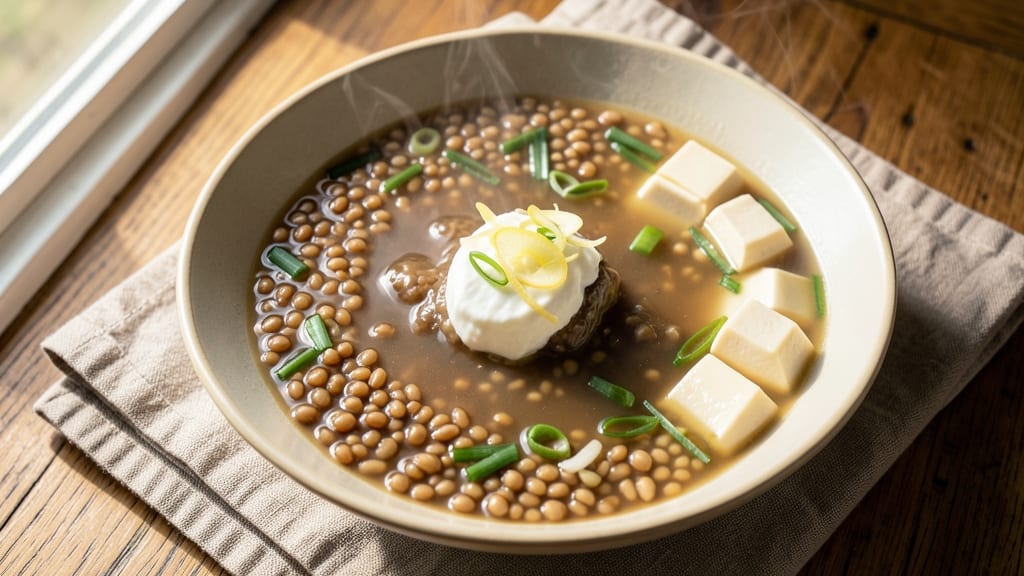
This barley miso soup recipe delivers the perfect balance of hearty texture and deep umami flavor, transforming simple ingredients into a comforting bowl of warmth. 💛 The secret lies in toasting barley for nutty depth and dissolving miso paste properly to preserve its probiotic benefits—no bitter aftertaste here.
What makes this recipe stand out is the rich dashi broth, which forms the soul of every spoonful, while the barley adds satisfying chewiness that keeps you coming back for more.
The process is straightforward but precise: start with a simmering dashi base, then whisk in miso paste gently to maintain its complexity. Toasting the barley beforehand unlocks its natural sweetness, creating those irresistible bites that contrast beautifully against the smooth broth.
This isn't just soup—it's a meditative experience where each ingredient plays its part in harmony, resulting in a bowl that's both nourishing and deeply satisfying.
What you'll achieve is a soup that's restaurant-quality yet simple enough for weeknight dinners. The aroma alone—steaming broth infused with miso's earthy notes and barley's toasted warmth—will have everyone gathered around your table.
Whether you're serving it as a light lunch or a comforting dinner, this recipe delivers on flavor without the fuss.
For added depth, consider incorporating silken tofu or wakame seaweed, both of which enhance the umami while keeping the dish vegetarian-friendly. The beauty of this recipe lies in its adaptability—customize it to your preferences while maintaining its core essence. Let's get started on creating this umami masterpiece.
Ingredients for barley miso soup
Nine essential ingredients transform into restaurant-quality barley miso soup with toasted barley bites.
| Ingredient | Amount | Notes |
|---|---|---|
| Pearl Barley 🌾 | ½ cup | Rinsed thoroughly before toasting |
| White Miso Paste 🧈 | 2 tbsp | High-quality, preferably organic |
| Dashi Broth Powder 🍵 | 1 tbsp | Or 1 cup homemade kombu-bonito dashi |
| Silken Tofu 🧀 | 8 oz | Drained, cut into cubes |
| Green Onions 🧅 | 2 whole | Thinly sliced, white and green parts |
| Fresh Ginger 🧄 | 1 tbsp | Finely grated, organic preferred |
| Sesame Oil 🫒 | 1 tsp | Toasted sesame oil for aroma |
| Low-Sodium Soy Sauce 🥢 | 1 tbsp | For umami depth |
| Wakame Seaweed 🍃 | ½ oz | Dried, rehydrated in water |
| Water 💧 | 4 cups | Filtered preferred for purity |
| Diamond Crystal Kosher Salt 🧂 | ½ tsp | For seasoning balance |
The barley is non-negotiable—Pearl Barley from Bob's Red Mill or Trader Joe's delivers the best texture. Rinse it thoroughly to remove any hull residue before toasting, which unlocks its nutty potential. For the miso, White Miso from Hessian or Miso Master brands offers that clean, fermented depth. Dashi powder is a shortcut, but if you're crafting homemade, kombu and bonito flakes yield unmatched complexity. The silken tofu should be organic, non-GMO—House Foods or Nasoya are reliable choices, and always drain it well to avoid watering down the broth.
No dashi powder? Vegetable broth with a dash of soy sauce works in a pinch, though it lacks that signature umami punch. Fresh ginger is ideal, but powdered ginger at half the amount suffices. The wakame can be tricky to find—Asian markets carry it dried, and it rehydrates beautifully in warm water. For extra richness, add a splash of mirin when dissolving the miso. The green onions should be fresh, not wilted—Trader Joe's carries them pre-sliced for convenience. If you're avoiding gluten, ensure your miso and soy sauce are certified gluten-free, as many contain wheat.
Barley keeps for 6 months in a sealed container, while miso lasts 1 year refrigerated once opened. The tofu and wakame should be used within 5 days of opening. For meal prep, store the broth separately from the barley and tofu—reheat the broth first, then add the barley and tofu to maintain texture. Freeze the broth alone for up to 3 months—simply thaw and add fresh barley when ready to serve. The aroma alone will signal dinner's ready, so plan accordingly.
Why You'll Love This Recipe
- No-Fuss Cooking: I swear by this for nights when I’m too tired to measure. Just toss the barley and dashi powder into boiling water, simmer until tender, then stir in the miso—boom. The tofu and onions are optional, but even if I skip them, it’s still good.
- Umami Bomb: That white miso paste? It’s the star. One spoonful dissolves into the broth, turning it into this rich, savory hug. The dashi powder adds that clean, oceanic depth, and the silken tofu soaks it up like a sponge—creamy, not mushy.
- Meal Prep MVP: I make a big batch on Sundays and it lasts all week. The barley holds up perfectly, and the flavor actually deepens overnight. Pack it for lunch or reheat it for dinner—no one will guess it’s the same soup.
- Budget Warmth: Pearl barley and miso are cheap, but they feel fancy. A single bag of barley stretches across multiple meals, and miso paste lasts forever. Honestly, it’s my go-to when I’m broke but still want something that tastes like I cared.
Step-by-step instructions for barley and miso soup
This method delivers a perfectly balanced umami broth with nutty toasted barley and delicate silken tofu.
🔥 Step 1: Toast the Pearl Barley for Nutty Depth
Spread the 0.5 cup Pearl Barley on a dry skillet over medium heat and toast for 3-4 minutes, stirring constantly until it turns a rich golden brown and emits a toasty aroma. This step is crucial—it develops the barley's nutty flavor and prevents a mushy texture in the finished soup.
Watch the barley closely—it should be evenly toasted but not burned. When it smells distinctly nutty and the edges begin to turn a deeper amber color, immediately transfer it to a bowl. The toasted barley will absorb moisture differently than raw, which affects the soup's texture and cooking time.
🍳 Step 2: Build the Umami-Packed Broth Base
In a separate pot, combine the 4 cups Water with the 1 tbsp Dashi Broth Powder and bring to a gentle boil over medium-high heat. Once boiling, reduce heat to medium-low and add the 0.5 oz Wakame Seaweed (previously rehydrated in water for 5 minutes and drained). Simmer for 5 minutes to extract the seaweed's briny sweetness.
Stir in the 2 tbsp White Miso Paste and 1 tbsp Low-Sodium Soy Sauce, whisking until completely dissolved. The miso should melt smoothly into the broth—if it clumps, strain the soup through a fine-mesh sieve. This creates the soup's rich umami foundation while maintaining clarity.
🥘 Step 3: Incorporate Aromatics and Tofu
Add the toasted 0.5 cup Pearl Barley, 1 tbsp Fresh Ginger, and 2 whole Green Onions (sliced) to the simmering broth. Cook for 15 minutes on medium-low heat, stirring occasionally, until the barley is tender but still maintains a slight bite. The barley should be al dente—soft enough to eat but not mushy.
Gently fold in the 8 oz Silken Tofu (cut into cubes) and continue simmering for another 5 minutes. The tofu will warm through without breaking down. Remove from heat and let sit for 2 minutes to allow flavors to meld. This resting period lets the broth develop its full complexity.
🍽️ Step 4: Finish with Seasoning and Garnish
Return the soup to gentle heat and stir in the 0.5 tsp Diamond Crystal Kosher Salt and 1 tsp Sesame Oil. Taste and adjust seasoning—you may need a touch more soy sauce for saltiness or a splash of water if the broth is too thick. The soup should be perfectly balanced: umami from the miso and dashi, sweetness from the wakame, and a subtle ginger-spice note.
Ladle into bowls and garnish with additional green onions and a drizzle of sesame oil. Serve immediately while the tofu is warm and the barley maintains its texture. Each spoonful should deliver a harmonious blend of earthy barley, creamy tofu, and deep umami flavors with a bright finish from the wakame.
Pro Tips For Making Barley Miso Soup
- SOAK THE BARLEY FIRST: I learned this the hard way—skipping the soak means your barley will either turn mushy or stay stubbornly undercooked. Toss it in hot water for 10 minutes before adding to the pot, then drain. This cuts cooking time by half and guarantees a proper chewy texture.
- DISSOLVE MISO LAST: White miso is delicate—heat it too long and it turns bitter. After simmering barley and broth, remove the pot from heat, stir in the miso paste, then return to low heat just until it melts (about 30 seconds). No need to boil it like a sauce.
- CUBE THE TOFU: Silken tofu falls apart when tossed whole. Cut it into ½-inch cubes so every spoonful has that creamy, melt-in-your-mouth texture. Pro tip: Pat them dry first—they’ll absorb more flavor from the broth.
- SAVE THE GREEN ONIONS: Chop the whites separately and fry them in a dry pan for 30 seconds until fragrant. Toss them into the soup right before serving—they’ll add a fresh, crisp bite that raw onions can’t match. (Yes, it’s extra work, but it’s worth it.)
Dietary considerations for this recipe
Vegetarian-Friendly Base
This recipe naturally aligns with vegetarian diets by using vegetable-based dashi (like kombu and shiitake) instead of traditional bonito flakes. The wakame seaweed and silken tofu provide umami without animal products, while miso paste—fermented from soybeans—adds probiotic benefits.
For extra protein, consider adding edamame or mushrooms like shiitake or enoki. 💛
Gluten-Free Adaptations
Most miso pastes contain gluten, so opt for certified gluten-free white miso (brands like Hessian or Miso Master offer GF options). Double-check your soy sauce—many contain wheat—using a tamari alternative instead.
The barley itself is naturally gluten-free, but ensure no cross-contamination if you're highly sensitive. Always verify labels, as even dashi powders can contain hidden gluten.
Vegan Considerations
For a fully vegan version, skip the dashi powder (which often contains bonito) and use 1 cup vegetable broth infused with 1 tbsp kombu (simmered for 10 minutes). Replace silken tofu with extra-firm tofu (pressed for 20 minutes) for a meatier texture.
The miso and wakame remain vegan staples, delivering that signature umami depth without animal ingredients.
Low-Sodium Options
Reduce the soy sauce to ½ tbsp and omit added salt entirely—miso already contains sodium. Use low-sodium vegetable broth instead of dashi powder, and taste as you go.
For extra flavor without salt, add a splash of mirin or a pinch of white pepper to brighten the broth. The wakame’s natural brininess helps balance the dish.
Allergen Awareness
Barley is a common allergen, so check for sensitivities. If avoiding it, substitute with quinoa or buckwheat (toasted separately). For soy allergies, replace miso with fermented chickpea paste (like hummus) or nutritional yeast for umami. Always confirm ingredient sources—some dashi powders contain wheat or soy derivatives.
Nutrition facts
Frequently asked questions
Can I substitute barley with another grain?
Yes, but texture will change! For a similar bite, try quinoa (toasted first) or buckwheat. If you prefer a softer grain, rice or farro work, but they absorb broth differently. Toasting is key—skip it for grains like rice to avoid bitterness.
Why does my miso soup taste bitter?
Bitter flavor usually means the miso paste was overheated or clumped. Always dissolve miso in a small amount of hot broth first, then stir into the pot. Avoid boiling after adding miso—simmer gently. For extra sweetness, add a pinch of sugar or a splash of mirin.
How long can I store leftovers?
Store in an airtight container in the fridge for 3-4 days. The barley and tofu will soften further, so reheat gently on low heat with a splash of water. For longer storage, freeze the broth separately (up to 3 months) and add fresh barley when reheating.
Can I make this soup spicier?
Add ½ tsp red pepper flakes or a slice of fresh chili when simmering. For depth, stir in ½ tsp gochugaru (Korean chili flakes)**strong> with the miso. Balance with a touch more sesame oil to maintain harmony. Start with less—you can always add more heat!
What's the difference between white and red miso?
White miso is lighter, sweeter, and fermented for 3-6 months, perfect for soups like this. Red miso is aged 1-2 years, deeper in color and stronger in flavor—use half the amount (1 tbsp) and add a pinch of sugar to balance its intensity. White miso keeps the soup's delicate balance.