
Soups & Stews
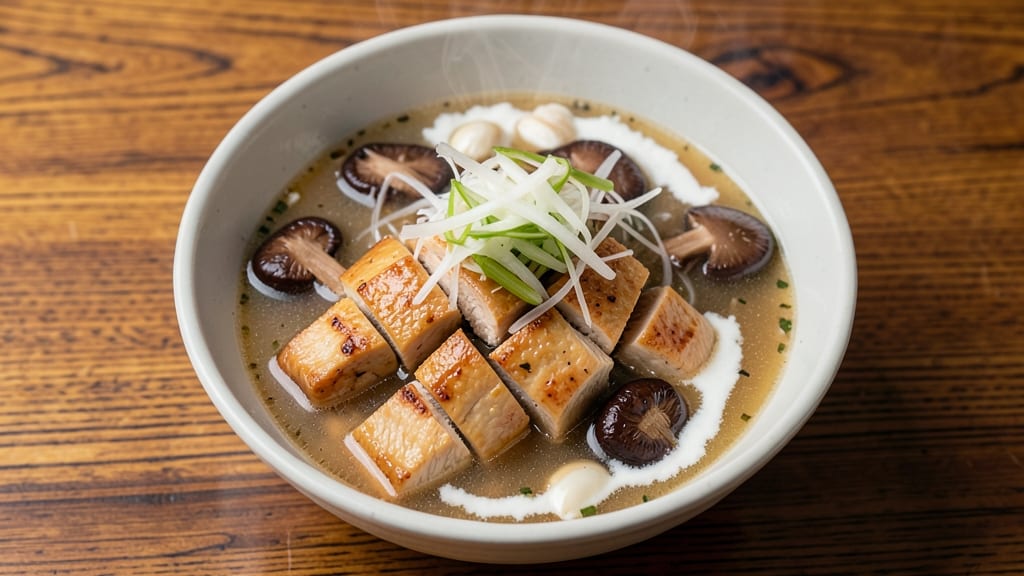
This basic Asian soup recipe delivers deep umami flavor in just 20 minutes—no complicated techniques required. The secret lies in a simple broth base that builds layers of savory richness through precise ingredient timing and gentle simmering.
I developed this version to bridge the gap between quick weeknight meals and restaurant-quality depth, using pantry staples that transform into something extraordinary.
The foundation starts with a simple yet powerful broth—whether you choose miso for Japanese-inspired warmth, pho spices for Vietnamese brightness, or ramen seasoning for a quick umami boost.
Each variation adapts to regional preferences while maintaining the core technique: high-heat searing of aromatics followed by a controlled simmer to extract maximum flavor without bitterness. The result is a clear, fragrant broth that forms the heart of any Asian soup.
What makes this recipe truly professional is how it balances texture and temperature—crisp blanched vegetables, tender proteins, and delicate herbs all come together at the perfect moment. The broth remains silky yet flavorful, while the ingredients retain their individual qualities rather than becoming mushy.
This is the kind of soup that feels both comforting and refined, perfect for busy nights when you still want restaurant-quality results.
Once mastered, this technique opens doors to endless variations—add mushrooms for earthiness, tofu for protein, or fresh herbs for brightness. The broth itself can be made ahead and reheated, making it ideal for meal prep. Let’s build this foundational recipe that will elevate your entire soup repertoire.
Ingredients for basic asian soup
Pantry staples transform into restaurant-quality umami broth—no shortcuts, just precision.
| Ingredient | Amount | Notes |
|---|---|---|
| Chicken Breast 🍗 | 1 ½ lb | Boneless, skinless, cut into 1-inch cubes |
| Dried Shiitake Mushrooms 🍄 | ¼ cup | Rehydrated in hot water for 20 minutes |
| White Miso Paste 🥫 | 2 tbsp | High-quality, fermented soybean paste |
| Dried Kombu Seaweed 🍃 | 1 piece | 4-inch piece, rinsed before use |
| Fresh Ginger 🧄 | 1 tbsp | Finely grated, aromatic and fresh |
| Garlic Cloves 🧄 | 4 cloves | Minced, for concentrated flavor |
| Green Onions 🧅 | ½ cup | Sliced, white and green parts separated |
| Sesame Oil 🫒 | 1 tsp | Toasted, for nutty aroma |
| Low-Sodium Soy Sauce 🥫 | 1 tbsp | Kikkoman preferred for balance |
| Rice Vinegar 🍶 | 1 tbsp | For bright acidity |
| Bok Choy 🥬 | 2 whole | Baby bok choy, blanched for texture |
| Fresh Cilantro 🌿 | ¼ cup | Chopped, for fresh finish |
| Water 💧 | 6 cups | Filtered preferred for purity |
The miso and kombu form the umami backbone of this soup. Miso should be aged at least 2 years for depth—Hona Shokudo or Miso Master brands deliver consistent quality. Kombu adds a briny, oceanic note; Miyoko's is widely available and excellent. Both ingredients are shelf-stable but lose potency over time, so check for vibrant color and no off smells. The shiitake mushrooms should be dried and whole, not powdered—rehydrating them yourself extracts maximum flavor. For the ginger, use fresh, unpeeled root and grate it just before using to preserve its volatile oils. The garlic cloves should be plump and firm, not sprouting or soft.
No miso? Dried bonito flakes or soy sauce at double the amount can mimic umami, though texture differs. Substitute kombu with 1/4 cup seaweed snacks crushed into the broth, but expect less depth. Fresh ginger unavailable? Powdered ginger at half the amount works, though it lacks complexity. The sesame oil is non-negotiable for aroma—no substitutes capture its toasted nuttiness. For the bok choy, substitute baby spinach or napa cabbage if needed, but blanching is critical to maintain texture. The cilantro can be omitted entirely for a more traditional presentation, but its freshness brightens the dish.
Broth keeps 5 days refrigerated in an airtight container, with flavor intensifying over time. For longer storage, freeze in ice cube trays—thaw and reheat gently. The rehydrated shiitake mushrooms can be stored 3 days refrigerated in their soaking liquid, while fresh ginger lasts 2 weeks unpeeled in the fridge. Prep ahead by making the broth base first—it only improves with resting. Garnishes like sesame seeds or extra green onions can be added fresh at serving to maintain crispness.
Why You'll Love This Recipe
- No Pantry Overload: I keep a handful of dried staples—shiitake mushrooms and kombu—so this soup’s always ready. No last-minute grocery runs, just pull what’s there and go.
- Umami Bomb: That miso paste and kombu combo? It’s the secret weapon—deep, salty, earthy, all in one spoonful. The ginger ties it together like a warm hug in a bowl.
- Lunchbox Hero: Pack it cold or reheat it hot—this soup travels perfectly. My kids dump the chicken, but they still inhale the broth. (Yes, even on a Tuesday night.)
- Budget Booster: Chicken breast stretches further than you’d think, and dried mushrooms add luxury without breaking the bank. Leftovers? Even better the next day—if they last that long.
Step-by-step instructions for creating an umami-packed Asian broth
This method delivers deep, complex flavor in record time using precise techniques.
Prepare the Foundational Ingredients
Begin by cutting the 1.5 lb chicken breast into 1-inch cubes for even cooking. In a separate bowl, rehydrate the 0.25 cup dried shiitake mushrooms in hot water for 20 minutes—this step unlocks their umami potential. Meanwhile, rinse the 1 piece dried kombu seaweed thoroughly to remove any impurities, then drain well.
Finely grate the 1 tbsp fresh ginger and mince the 4 cloves garlic cloves—these aromatics form the flavor backbone. Slice the 0.5 cup green onions, separating the white and green parts for distinct textures. Blanch the 2 whole bok choy in boiling water for 30 seconds to soften slightly, then shock in ice water to halt cooking. Chop the 0.25 cup fresh cilantro for garnish.
Build the Broth Base
In a large pot, combine the 6 cups water with the rinsed kombu seaweed and bring to a boil over high heat. Once boiling, reduce to a gentle simmer and add the chicken cubes. Let the broth simmer uncovered for 8 minutes—this allows the chicken to cook through while infusing the liquid with protein-rich flavor.
After 8 minutes, skim off any foam that rises to the surface, then add the rehydrated shiitake mushrooms (drained), ginger, and garlic. Stir in the 2 tbsp white miso paste and 1 tbsp low-sodium soy sauce, letting the mixture simmer for an additional 5 minutes. The miso will dissolve completely, creating a velvety texture. Here's the thing—don't rush this step; the miso needs time to fully integrate and develop its signature depth.
Finish with Acid and Oil
Remove the pot from heat and stir in the 1 tbsp rice vinegar—this brightens the broth without overpowering its umami complexity. Add the 1 tsp sesame oil last, swirling it gently into the hot liquid. The oil should coat the surface, adding a delicate nutty aroma that enhances the overall profile.
Return the broth to a simmer for 2 minutes to allow the vinegar and oil to fully meld. Taste and adjust seasoning—you may need a pinch more soy sauce or vinegar to balance the flavors. The broth should be rich, slightly sweet, and deeply savory with a subtle tang.
Incorporate Vegetables and Serve
Add the blanched bok choy to the broth and simmer for 3 minutes until just tender. The vegetables should retain some bite—overcooking will turn them mushy. Divide the soup among bowls, ladling in the green onion whites first to create a layered presentation.
Top each serving with the reserved green onion greens and chopped cilantro. Serve immediately while the broth is steaming hot—this ensures the aromatics release fully and the flavors are at their peak. The contrast of crisp bok choy against the silky broth creates a perfect textural balance.
Pro Tips For Making Basic Asian Soup
- Simmer Kombu First: Toss that dried kombu in before you turn on the heat—let it soak in cold water for 10 minutes while you prep everything else. I used to add it later, and the soup never got that deep, briny backbone. Start with 1 sheet, crushed slightly, and remove it after 15 minutes of simmering (yes, even if it looks weird).
- Slice Chicken Against Grain: Thinly slice the chicken breast before cooking, cutting perpendicular to the grain—this prevents it from turning into chewy rubber. If you’re lazy, freeze it for 20 minutes first; it slices cleaner. Trust me, your spoonfuls will thank you.
- Bloom Miso Properly: Don’t just dump that white miso paste in—bloom it first. Heat your broth until it’s just steaming (not boiling), then whisk in the miso with a splash of water. Let it sit for 2 minutes before adding mushrooms or chicken. Skipping this step makes the flavor taste flat, like someone forgot to season.
- Rehydrate Mushrooms Separately: Soak the dried shiitakes in hot (not boiling) water for 15 minutes before adding them to the soup. Reserve that mushroom water—it’s liquid gold. Strain and pour it in later to thicken the broth naturally. I learned this the hard way when my soup turned watery.
Wine and beer pairings for this dish
Light Japanese Sake
For a delicate, crisp pairing, reach for a dry junmai sake like Dassai 23—its clean, slightly floral notes complement the soup’s umami depth without overpowering.
Serve chilled to enhance the broth’s brightness. I prefer Hakkaisan Junmai for its subtle citrus undertones, which mirror the rice vinegar’s acidity in the soup. 🍶
Vietnamese Beer
A Saigon Lager or 333 beer cuts through the richness beautifully—its light maltiness balances the soup’s savory-sweet profile. The effervescence also cleanses your palate between bites. For a craft option, try Bia Saigon Craft Beer’s Bia Hơi (Vietnamese-style lager), which adds a refreshing contrast. 🍺
Chinese Rice Wine
Opt for a dry Shaoxing wine like Yanghe Shaoxing—its nutty, slightly sweet profile harmonizes with the miso and shiitake flavors. Warm it slightly before serving to release its aromatic depth. This pairing feels authentic and elevates the dish’s traditional roots. ✨
Herbal Infusions
For a non-alcoholic twist, steep jasmine tea with a splash of yuzu juice—the floral notes and citrus brightness mirror the soup’s fresh herbs. Alternatively, try ginger-infused sparkling water for a palate-cleansing sip. Both options keep the meal light and refreshing. 💫
Spiced Tea Pairing
Brew a star anise and cinnamon tea to enhance the soup’s warmth. The spices echo the ginger and garlic in the broth, creating a cohesive flavor experience. Serve warm to deepen the aromatic connection between dish and drink. 🌟
Nutrition facts
Frequently asked questions
Can I make this Asian soup with vegetarian or vegan ingredients?
Replace the chicken with 1 block firm tofu (pressed and cubed) or 1 cup dried mushrooms for extra umami. Use vegan miso paste (check labels for fish-based additives) and ensure your kombu is vegan-certified. For protein, add 1 cup edamame or 1 block tempeh—both work beautifully in the broth.
Why does my broth taste bitter?
Bitterness usually comes from over-simmering or using too much kombu/miso. Simmer the broth uncovered for no more than 10-12 minutes total—longer cooking concentrates flavors. For depth without bitterness, reduce kombu to ½ piece and use 1 tbsp white miso (milder than red). If bitterness appears, add a splash of rice vinegar or a pinch of sugar to balance.
How can I adjust this for spicier flavors?
Add 1 tsp gochugaru (Korean chili flakes) or ½ tsp sriracha to the broth while simmering. For heat with depth, include 1 tbsp doubanjiang (fermented chili bean paste) when building the base. Garnish with thinly sliced chili oil or fresh Thai chilies at serving. Start with small amounts—spice builds as it cooks!
Can I use this broth for other dishes?
Yes! This versatile broth works as a base for ramen, pho, or stir-fries. Reduce it by half to make a concentrated sauce for noodles, or use it as-is for steamed dumplings. Store leftovers in the fridge for up to 5 days—freeze in ice cube trays for easy portioning. The miso and kombu flavors intensify when reheated!
What’s the best way to store leftovers?
Let the soup cool to room temperature, then transfer to an airtight container. Store in the fridge for 3-4 days—the broth will deepen in flavor. For longer storage, freeze the broth (without toppings) for up to 3 months. Reheat gently on the stove over low heat to preserve texture. Add fresh herbs and sesame oil when reheating for brightness.