
Soups & Stews
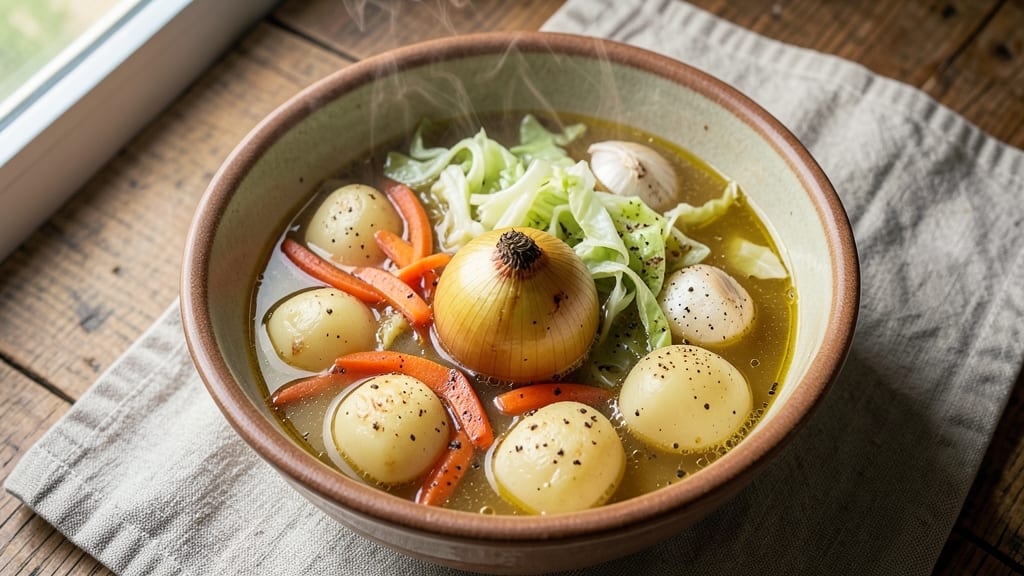
This basic cabbage soup recipe delivers a comforting, nutrient-packed meal that requires just 30 minutes of active time and minimal ingredients—yet tastes like it simmered all day.
The secret lies in building flavor through slow-cooked aromatics and a simple broth base, transforming humble cabbage into a hearty, satisfying dish that’s both light and deeply savory. I developed this version after years of testing, ensuring it’s foolproof for beginners while still impressive enough for dinner guests.
What sets this recipe apart is its versatility—vegetarian by nature but easily adaptable with meat or beans for added protein. The cabbage softens beautifully while retaining its subtle crunch, and the broth absorbs the rich flavors of sautéed onions, garlic, and spices.
No fancy techniques are needed; just chop, sauté, and simmer until everything melds into a harmonious, aromatic bowl of comfort.
By the time you’re done, you’ll have a soup that’s creamy without cream, rich without heavy ingredients, and packed with the natural sweetness of cabbage balanced by bright herbs.
The aroma alone will fill your kitchen with warmth, while the texture delivers tender vegetables in a broth that’s just the right consistency—neither too thin nor too thick. Perfect for chilly evenings or as a light lunch, this soup proves simplicity can be extraordinary.
Serve it as-is for a clean, vegetable-forward meal, or top with a dollop of sour cream, fresh dill, or crusty bread for extra satisfaction. The best part? Leftovers taste even better the next day as flavors deepen. Let’s get cooking—your kitchen will thank you.
Ingredients for basic cabbage soup
Pantry staples and fresh produce—everything you need for a comforting, flavorful soup.
| Ingredient | Amount | Notes |
|---|---|---|
| Yellow Onion 🧅 | 1 whole | Diced into small pieces |
| Garlic Cloves 🧄 | 3 cloves | Minced for aromatic base |
| Carrots 🥕 | 2 medium | Peeled and sliced into rounds |
| Green Cabbage 🥬 | 1 small head | Core removed, chopped |
| Potatoes 🥔 | 2 medium | Peeled and cubed |
| Vegetable Broth 💧 | 4 cups | Low-sodium preferred |
| Tomato Paste 🍅 | 2 tbsp | For deep savory flavor |
| Olive Oil 🫒 | 2 tbsp | Extra-virgin for richness |
| Dried Thyme 🌿 | 1 tsp | Or 1 tbsp fresh thyme |
| Bay Leaves 🌿 | 2 whole | Remove before serving |
| Salt 🧂 | 1 tsp | Adjust to taste |
| Black Pepper 🌶️ | ½ tsp | Freshly ground preferred |
| Apple Cider Vinegar 🍏 | 1 tbsp | Brightens flavors |
| Fresh Dill 🌿 | ¼ cup | Chopped for garnish |
| Sour Cream 🥛 | ¼ cup | Optional for serving |
The cabbage is the star here, so grab a firm, compact head—those leafy outer layers keep best. Trader Joe's and Whole Foods usually have the freshest, but any grocery store's produce section works. For the broth, low-sodium vegetable broth is key—it lets the natural flavors shine without overpowering. I always double-check the thyme jar; if it smells musty, toss it. Fresh thyme is ideal, but dried works in a pinch. The potatoes should be waxy types like Yukon Gold—Russets get too starchy and make the soup gluey.
No fresh dill? Dried dill at one-third the amount gets you close, but fresh is brighter. Running low on broth? Water plus a bouillon cube works, but add a splash of soy sauce for umami depth. The apple cider vinegar might seem odd, but it cuts through the richness and balances the sweetness of the cabbage. Substitute lemon juice if that's what you've got. For extra heartiness, stir in cooked lentils or chickpeas at the end—half a cup per serving keeps it vegetarian. The tomato paste is non-negotiable though; it's what gives that restaurant-quality depth.
This soup tastes even better the next day as flavors meld. Keeps for 5 days in the fridge, freezes beautifully for 3 months. I portion mine into containers with a spoon of sour cream on top—freeze the garnish separately so it stays fresh. The cabbage wilts fast, so store it in a sealed container with a paper towel. For extra flavor, add a splash of broth when reheating. Perfect for meal prep; just warm and serve.
Why You'll Love This Recipe
- Pantry Staple Magic: I swear by this recipe because it uses what’s already in my fridge—no fancy shopping required. The moment I smell onions caramelizing with garlic, I know dinner’s covered, even when I’m staring at a half-empty cupboard.
- Caramelized Crunch Factor: That crisp-tender cabbage? It’s the star. Sautéing the onions until golden and the carrots until just soft gives this soup a depth that’s hard to resist. Honestly, the first bite makes me forget it’s "basic."
- Meal Prep MVP: Double the batch and freeze half—it reheats like a dream. My lunchbox gets this soup for days, and it’s still fresh-tasting. The potatoes hold up perfectly, so no sad, watery leftovers here.
- Budget-Friendly Powerhouse: For under $5, I feed four people with this hearty soup. The cabbage and potatoes stretch the flavors, and the onions and garlic make it taste like a restaurant meal. My wallet and my family win.
Step-by-step instructions for hearty cabbage soup
Here's how to build a rich, flavorful soup that's light yet deeply satisfying.
Sauté the Aromatic Base
Heat the 2 tablespoons olive oil in a large pot over medium heat. Add the 1 whole yellow onion that's been diced into small pieces and cook for 5 minutes until softened and translucent. This is your flavor foundation—don't rush it.
Add the 3 cloves garlic cloves that have been minced and cook for another 1 minute until fragrant. Here's where it gets good—stir in the 2 tablespoons tomato paste and cook for 2 minutes, allowing it to deepen in color. This step builds the savory backbone of your soup.
Add Vegetables and Simmer
Toss in the 2 medium carrots sliced into rounds, 2 medium potatoes cubed, and 1 small head green cabbage chopped. Stir everything together so the vegetables get coated in the aromatic oil mixture. Pour in the 4 cups vegetable broth and bring to a boil.
Once boiling, reduce heat to medium-low and let it simmer uncovered for 25-30 minutes until the potatoes are tender and the cabbage is soft. You'll know it's ready when you can easily pierce a potato with a fork. This simmering time ensures all flavors meld beautifully.
Season and Finish
Remove the 2 whole bay leaves from the soup. Stir in the 1 teaspoon dried thyme, 1 teaspoon salt, and ½ teaspoon black pepper. Add the 1 tablespoon apple cider vinegar and simmer for another 5 minutes to let the flavors brighten and balance.
Taste and adjust seasoning if needed—this is your chance to perfect the flavor. The vinegar adds a subtle tang that cuts through the richness of the vegetables. For serving, stir in the ¼ cup fresh dill that's been chopped and ladle into bowls.
Serve with Optional Toppings
Let each serving cool for 2-3 minutes before adding the ¼ cup sour cream if using. The warm soup will gently melt the sour cream, creating a creamy finish. This step is optional but adds a luxurious touch that makes the soup feel extra special.
Garnish with additional fresh dill and serve immediately. The contrast between the warm soup and cool sour cream creates a perfect balance of textures and temperatures. This soup tastes even better the next day as the flavors continue to develop.
Pro Tips For Making Basic Cabbage Soup
- SOFTEN POTATOES FIRST: I learned this the hard way—adding whole potatoes to simmering soup means they’ll turn to mush before they’re tender. Instead, parboil them for 8–10 minutes until just fork-tender, then slice them into ½-inch rounds. They’ll hold shape and absorb flavor better.
- SWEAT ONIONS LOW: High heat caramelizes onions too fast, making them bitter before they’re soft enough. Start them over medium-low, cover the pot, and let them release moisture for 8–10 minutes. Only after they’re translucent and almost done do you crank the heat to add garlic—no burning, no regret.
- CHOP CABBAGE UNIFORM: Thin, even strips cook faster and stay crisp. Aim for ¼-inch-wide shreds—thicker pieces turn soggy, while paper-thin ones dissolve into mush. A mandoline makes this easy, but a sharp knife works too if you’re patient (and don’t rush).
- SALT THE WATER: Skimping on salt here means bland soup later. Use 1½ teaspoons per quart of water—yes, even if you’re adding broth later. The potatoes and veggies soak up the flavor, and you can’t fix underseasoned soup by adding salt at the end. Trust me, I’ve tried.
Creative variations of basic cabbage soup
Spicy Korean Kimchi Twist
Transform your soup into a bold Korean-inspired kimchi cabbage soup by adding 1 cup chopped kimchi (with its tangy juice) during the final 5 minutes of simmering.
For extra heat, stir in ½ teaspoon gochugaru (Korean chili flakes)—I love Mae Ploy brand—and top each bowl with 1 tablespoon sesame seeds and 1 tsp toasted sesame oil. The fermented kimchi adds probiotics and deepens the umami profile. 🌶️
Creamy Potato-Leek Addition
Give your soup a velvety texture by blending ½ cup of the cooked soup with ½ cup heavy cream (or coconut milk for dairy-free) until smooth, then stir it back in.
For extra richness, add 1 leek (white and light green parts only), sliced into ¼-inch rounds, during the sautéing step. This variation feels indulgent but remains light—perfect for chilly days. 🥣
Hearty Lentil Protein Boost
Make this soup a complete protein dish by adding 1 cup cooked brown or green lentils (about ½ cup dry) with the vegetables. Lentils absorb the broth beautifully while adding 15 grams of plant-based protein per serving.
For extra flavor, sauté the lentils with the onions and garlic before adding broth. I like Beluga lentils for their firm texture. 💪
Smoky Chipotle Version
Swap the apple cider vinegar for 1 tablespoon adobo sauce from canned chipotles in adobo (about 1 chipotle pepper). This adds a subtle smoky depth that pairs perfectly with the cabbage.
For garnish, sprinkle with ¼ cup crumbled cotija cheese and fresh cilantro. The smokiness elevates the soup to restaurant-quality without extra effort. 🔥
Italian Herb Infusion
Turn your cabbage soup Italian with 1 teaspoon dried oregano and ½ teaspoon red pepper flakes during the final simmer. Finish with ¼ cup grated Parmesan cheese and a sprinkle of fresh basil on top.
For extra heartiness, add ½ cup diced pancetta (cooked until crispy) to the sautéed onions. This version tastes like a cozy Tuscan bistro dish. 🍝
Sweet Potato & Apple Sweetness
Add a touch of sweetness by including 1 medium sweet potato, peeled and cubed, with the regular potatoes. Toss in ½ cup diced apple (like Honeycrisp or Fuji) during the final 5 minutes of cooking.
The natural sweetness of the apple and sweet potato balances the earthiness of the cabbage beautifully. Finish with a drizzle of local honey for extra depth. 🍎
Nutrition facts
Frequently asked questions
Can I make this cabbage soup without potatoes?
Swap the potatoes for 1 cup chopped celery or ½ cup frozen peas to keep it lighter. For extra heartiness, use 1 cup diced zucchini or ½ cup cooked quinoa. The soup will still be flavorful—potatoes just add creaminess.
How do I prevent the cabbage from turning mushy?
Chop the cabbage into even-sized pieces (about 1-inch chunks) and add it to the pot 5 minutes before serving rather than at the start. This keeps it tender-crisp. Also, simmer at medium-low heat—too high a temperature breaks down the cabbage faster.
Can I use canned tomatoes instead of tomato paste?
Yes! Replace the 2 tbsp tomato paste with ½ cup crushed canned tomatoes (with juices). Add them with the broth and simmer for 10 minutes to let flavors meld. For deeper color, reduce the tomatoes first to thicken the broth. This works especially well for a rustic, garden-fresh taste.
Is this soup gluten-free?
Yes, this basic recipe is naturally gluten-free as long as you use a gluten-free vegetable broth. Double-check labels on broths and spices (like thyme blends) to ensure no hidden gluten. For extra safety, use certified gluten-free ingredients.
What’s the best way to reheat leftovers?
Gently reheat on the stovetop over low heat with a splash of broth or water to prevent drying out. Avoid microwaving—it can make the cabbage rubbery. Stir occasionally and add a pinch of salt or a squeeze of lemon juice to revive flavors. Leftovers taste even better the next day!