
Soups & Stews
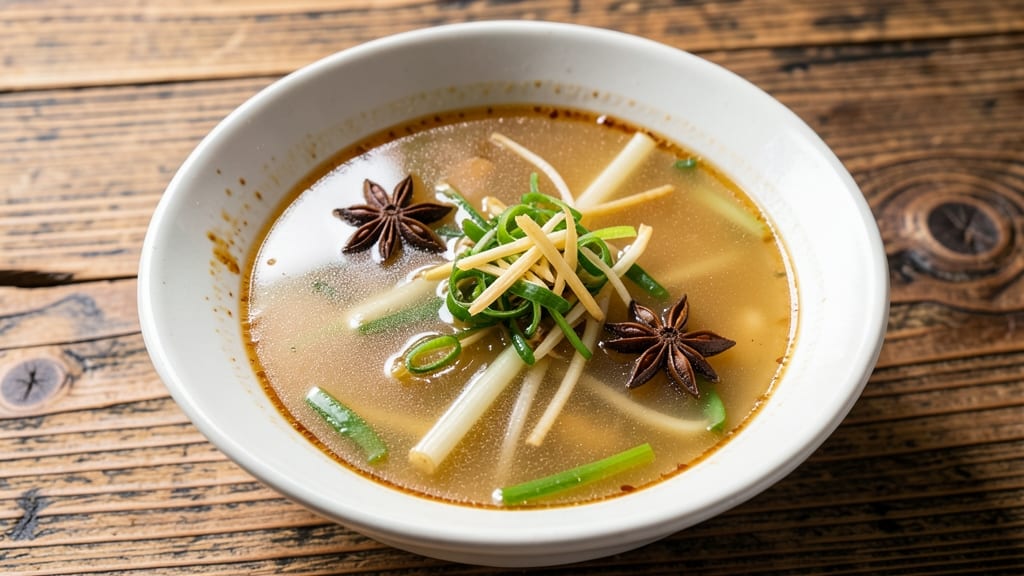
This basic Chinese soup recipe delivers the comforting, aromatic essence of home cooking with just a handful of ingredients—ginger, star anise, and simple broth combine to create a fragrant elixir that warms both body and soul.
The secret lies in balancing bold spices with delicate flavors, a technique perfected over generations in Chinese kitchens. What makes this recipe stand out is its versatility—adapt it for any meal, from a quick lunch to a soothing dinner after a long day.
The foundation of this soup is fragrant ginger and star anise, which infuse the broth with layers of warmth and depth without overpowering the dish.
Unlike many complex recipes, this one relies on simple ingredients—chicken or vegetable broth, fresh ginger, star anise, and a touch of soy sauce—to create something deeply satisfying. The result is a clear, golden broth that’s light yet packed with flavor, perfect for pairing with rice or noodles.
What you’ll achieve is a restorative, aromatic soup that’s easy to customize—add mushrooms for earthiness, tofu for protein, or thinly sliced chicken for richness. The star anise lends a subtle sweetness, while the ginger adds a bright, zesty kick that cuts through the broth’s depth.
This isn’t just soup; it’s a comforting ritual that transforms ordinary ingredients into something extraordinary.
The beauty of this recipe lies in its adaptability—whether you’re cooking for one or feeding a crowd, the method remains the same. Simmer the spices, strain for clarity, and adjust seasoning to taste.
Leftovers keep well in the fridge, making it an ideal make-ahead meal for busy weeks. Ready to master this timeless classic?
Ingredients for basic chinese soup
Simple ingredients transform into a fragrant, comforting Chinese soup with just a few aromatic spices.
| Ingredient | Amount | Notes |
|---|---|---|
| Fresh Ginger Root 🧄 | 2 tbsp | Finely grated, peel removed |
| Star Anise 🌿 | 2 whole | Whole pods for infusion |
| Chicken Broth 💧 | 4 cups | Low-sodium preferred |
| Vegetable Oil 🫒 | 1 tbsp | For light sautéing |
| Light Soy Sauce 🥄 | 1 tbsp | For seasoning |
| Green Onions 🧅 | 2 whole | Thinly sliced, for garnish |
| White Mushrooms 🍄 | ½ lb | Sliced, optional addition |
| Salt 🧂 | ½ tsp | Adjust to taste |
| White Pepper 🌶️ | ¼ tsp | Freshly ground |
| Sesame Oil 🫒 | ½ tbsp | For finishing |
| Rice Vinegar 🍶 | 1 tsp | For brightness |
| Tofu 🧈 | ½ lb | Firm, cubed, optional |
| Garlic Cloves 🧄 | 2 cloves | Minced, optional |
The star anise and ginger are the soul of this soup. Whole star anise pods from Penzeys Spices or your local Asian market deliver the richest flavor—avoid ground versions, which lose potency fast. For ginger, fresh is non-negotiable; even the best powder can't match its bright zing. Look for ginger with taut skin and no soft spots. The broth is your canvas—Kitchen Basics low-sodium chicken broth works well, but homemade is ideal. If using vegetable broth, add an extra pinch of salt to balance.
No star anise? Anise seeds or fennel seeds work in a pinch, though the flavor won't be identical. Substitute dried ginger at half the amount, but fresh is truly superior. For a vegetarian version, swap chicken broth for Better Than Bouillon vegetable base. The mushrooms and tofu are flexible—use shiitake mushrooms for deeper umami or silken tofu for a lighter texture. Garlic adds depth, but it's optional if you prefer a cleaner broth. The soy sauce can be tamari for gluten-free, and rice vinegar can be subbed with apple cider vinegar in a bind.
This soup keeps beautifully in the fridge for 4-5 days, with flavor deepening over time. For longer storage, freeze in ice cube trays—thaw and reheat portions as needed. The broth reduces slightly when reheated, so add a splash of water if it thickens too much. Garnish with green onions and a drizzle of sesame oil just before serving to keep the presentation fresh. Double the batch and freeze half for those days when you need a quick, nourishing meal.
Why You'll Love This Recipe
- Pantry in Minutes: I swear by this soup—no fresh herbs, no fancy prep. Just a quick stir-fry of ginger and star anise in oil, a splash of soy, and boom: aromatic broth in 15 minutes while you wait for the water to boil.
- Warmth in a Bowl: That first sip of star anise and ginger? Pure satisfaction. The broth is rich but never heavy, with just enough soy to make it actually taste like something special—not just water with flavorings.
- Leftovers That Save: Make a big batch on Sunday, and you’ve got lunch sorted for days. The flavors deepen overnight, and reheating takes zero effort—just dump it back in a pot and let the heat do the work.
- Budget Magic: Chicken broth, ginger root, and star anise? You’re looking at $5 for a pot that feeds four. Honestly, this is the kind of recipe that makes me feel like I’m feeding my family gourmet food without breaking the bank.
Step-by-step instructions for fragrant ginger and star anise elixir
This aromatic Chinese soup builds flavor layer by layer—start with the aromatic base and finish with bright, fresh accents.
Infuse the Broth with Aromatics
In a medium pot, combine the 4 cups chicken broth, 2 whole star anise, and 2 tablespoons finely grated fresh ginger root. Bring to a gentle simmer over medium heat and let it steep uncovered for 10 minutes. The broth should develop a warm, spiced aroma with subtle ginger notes—this is your flavor foundation.
While the broth simmers, use a slotted spoon to remove the star anise pods once the infusion is complete. Discard them after use, as they become bitter when overcooked. Keep the broth warm but not boiling for the next steps—you want to maintain these delicate aromatics without letting them escape.
Sauté the Base Ingredients
Heat 1 tablespoon vegetable oil in a separate skillet over medium heat. Add the 0.5 pound sliced white mushrooms and cook for 4-5 minutes until they release their moisture and begin to brown. Remove the mushrooms and set aside temporarily.
In the same skillet, add the 2 cloves minced garlic cloves and cook for 30 seconds until fragrant. If using the 0.5 pound cubed tofu, add it now and cook for 2 minutes until lightly golden. The tofu should develop a subtle texture contrast that balances the soup's richness.
Combine and Season
Return the mushrooms to the skillet and pour in the infused broth. Add 1 tablespoon light soy sauce, 0.5 teaspoon salt, and 0.25 teaspoon white pepper. Bring to a gentle boil, then reduce heat to low and let it simmer uncovered for 10 minutes. The soup should develop a clear, fragrant steam—this indicates the flavors are melding properly.
Taste and adjust seasoning if needed. The broth should be seasoned but not salty, with a balanced sweetness from the soy sauce and a lingering ginger warmth. If the mushrooms have absorbed too much liquid, you can reduce the broth slightly to concentrate the flavors.
Finish with Bright Accents
Remove the soup from heat and stir in 1 teaspoon rice vinegar and 0.5 tablespoon sesame oil. The vinegar adds a bright, almost citrusy note that cuts through the richness, while the sesame oil introduces a nutty depth. Stir gently to incorporate without breaking the mushrooms.
Divide the soup among 4 bowls and garnish each serving with 2 whole thinly sliced green onions. The green onions should add a fresh, crisp contrast to the warm, aromatic broth. Serve immediately while the flavors are at their peak.
Pro Tips For Making Basic Chinese Soup
- STIR THE GINGER FAST: I learned this the hard way—let that ginger sit in the oil too long, and it turns bitter. Once the oil shimmers, toss in the sliced ginger and star anise, then immediately add the broth. Thirty seconds max of sizzling, or you’ll regret it.
- CRUSH THE STAR ANISE: Skip this, and your soup tastes like you forgot the spice entirely. Give that star anise a quick smash with the flat side of a knife before adding it—just enough to crack it open. The aroma hits the broth instantly, and the flavor isn’t hiding in the back.
- SALT THE BROTH IN LAYERS: Dump all the soy sauce in at once, and the soup ends up flat. Instead, add half the soy sauce with the broth, let it simmer 5 minutes, then add the rest. The flavor builds deeper this way—like letting the spices marry properly.
- USE HIGH HEAT FOR FLAVOR: Low and slow makes for a weak soup. Bring the broth to a rolling boil first, then let it reduce gently. The initial high heat extracts more from the ginger and star anise, giving you a richer base. (Yes, even if you’re impatient like me.)
Perfect pairings for this basic chinese soup
Broth-Based Pairings
This fragrant soup pairs beautifully with steamed jasmine rice—its delicate floral notes complement the ginger’s warmth without competing. I like using Daybreak Jasmine Rice from Trader Joe’s, which absorbs the broth’s essence perfectly.
For a heartier option, serve with chewy wheat noodles like lo mein noodles, which soak up the flavorful liquid. 🍚
For a lighter option, try pairing with steamed bok choy or Chinese broccoli—both add freshness and texture. The crisp stems contrast nicely with the soup’s rich broth. I often serve it alongside mandarin orange segments for a sweet-tart balance that brightens the meal.
Protein Additions
Add poached or steamed fish, like cod or tilapia, for a lighter protein option. The fish’s delicate texture pairs wonderfully with the soup’s aromatic broth. I recommend firm white fish cut into bite-sized pieces, poached in the broth for 3-4 minutes until just cooked. 🐟
For meat lovers, shredded rotisserie chicken or thinly sliced pork shoulder (marinated in 1 tbsp soy sauce + 1 tsp Shaoxing wine) adds depth. The pork’s savory richness enhances the star anise’s sweetness. I also love adding soft-boiled eggs for a classic Chinese touch—the yolk’s creaminess ties everything together.
Condiment Enhancers
A drizzle of chili oil (like Lao Gan Ma) adds a smoky, spicy kick that cuts through the soup’s richness. Start with ½ teaspoon and adjust to taste—it’s addictive!
For a milder option, try toasted sesame paste (mix 1 tsp sesame oil + ½ tsp toasted sesame seeds) for nutty warmth. 🌶️
Finish with a squeeze of yuzu juice or lime wedge for a citrusy brightness that balances the ginger’s heat. The acidity lifts the dish, making each spoonful feel fresh. I keep a small bowl of pickled ginger on the side for guests who want extra zing.
Beverage Matchups
A jasmine green tea (like Bigelow Jasmine Pearl) cleanses the palate between bites. The floral notes echo the soup’s star anise, creating harmony. For something stronger, try a lightly chilled Chinese baijiu (like Moutai)—its herbal notes complement the ginger’s warmth. 🍶
Non-alcoholic options? A ginger-infused iced tea (steep 1 tsp fresh ginger in hot tea, then chill) mirrors the soup’s flavors. The coolness contrasts perfectly with the warm broth, making it a refreshing pairing.
Nutrition facts
Frequently asked questions
Can I make this soup vegetarian?
Replace the chicken broth with vegetable broth and skip the optional tofu if you prefer. Add shiitake mushrooms or bok choy for extra umami. The star anise and ginger will still shine, creating a fragrant, plant-based version. Just be sure to use a low-sodium broth to control seasoning.
How do I adjust the spice level?
This recipe is naturally mild, but you can add heat by stirring in ½ teaspoon chili flakes or a dash of Sichuan peppercorn oil at the end. For a smoky kick, finish with ½ teaspoon toasted chili oil. If you prefer no spice, simply omit these additions—the ginger and star anise provide warmth without heat.
Can I use dried ginger instead of fresh?
Dried ginger works in a pinch, but fresh is ideal for brightness. If substituting, use 1 teaspoon dried ginger (ground) for every 2 tablespoons fresh ginger. Toast the dried ginger in a dry pan for 30 seconds to deepen its flavor before adding to the broth. Fresh ginger’s zesty kick is harder to replicate, so fresh is always better when possible.
Why does my soup taste bitter?
Bitterness usually comes from overcooking the star anise or using old spices. Remove star anise pods after 10 minutes of simmering—they turn bitter if left too long. For extra flavor without bitterness, crush the pods lightly with a mortar and pestle before adding. If bitterness persists, balance it with a splash of rice vinegar or a pinch of sugar.
What’s the best way to reheat leftovers?
Reheat gently on the stove over low heat until just warm—never boil. Add a splash of water or broth to prevent thickening. For extra freshness, stir in a pinch of salt and a drizzle of sesame oil after reheating. Store leftovers in an airtight container for up to 4-5 days in the fridge.