
Soups & Stews
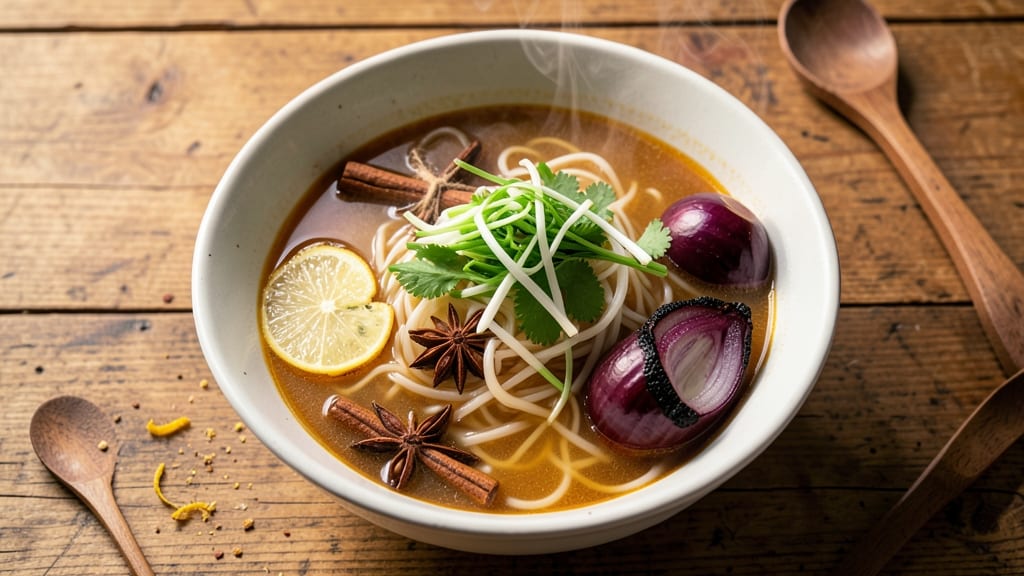
This basic pho soup recipe delivers the aromatic, comforting flavors of Vietnam's most iconic dish—fragrant star-anise broth, tender beef slices, and chewy rice noodles in perfect harmony.
The secret lies in slow-simmering spices that infuse the broth with layers of warmth, while a balance of sweet, salty, and umami transforms simple ingredients into something extraordinary. I've perfected this version to stay true to tradition while making it accessible for home cooks.
The foundation of great pho is the broth, where star anise, cinnamon, and cardamom create a complex, spiced aroma that fills your kitchen. We'll build this slowly, allowing the flavors to meld over 45 minutes of simmering.
The beef (or chicken) is marinated in fish sauce and sugar, ensuring tender slices that absorb the broth's rich flavors. Meanwhile, the rice noodles soak just long enough to become pliable but still hold their shape.
What makes this recipe work is the attention to balance—sweet onion broth, tangy fish sauce, and umami from the meat create a harmonious flavor profile. The garnishes (thinly sliced herbs, lime, bean sprouts, and jalapeños) add freshness and texture, letting everyone customize their bowl.
Whether you're making it for a weeknight dinner or a weekend project, this pho will transport you to the bustling streets of Hanoi.
The best part? Every component can be prepped ahead—marinate the meat, make the broth in advance, or even soak the noodles the night before. When you're ready to serve, it all comes together in 20 minutes of active time.
This is the pho recipe that proves restaurant-quality soup is within reach for any home cook.
Ingredients for basic pho soup
These aromatic spices and fresh ingredients transform simple broth into restaurant-quality pho.
| Ingredient | Amount | Notes |
|---|---|---|
| Star Anise Pods 🌿 | 4 whole | Whole pods for infusion |
| Cinnamon Sticks 🌿 | 2 whole | 2-inch pieces preferred |
| Cardamom Pods 🌿 | 4 whole | Lightly crushed for aroma |
| Onion 🧅 | 1 whole | Yellow or white, sliced |
| Garlic Cloves 🧄 | 6 cloves | Peeled and smashed |
| Fresh Ginger 🌿 | 3 oz | Unpeeled, sliced into coins |
| Beef Chuck Roast 🥩 | 1 ½ lb | Thinly sliced against grain |
| Fish Sauce 🍶 | ¼ cup | Red Boat brand preferred |
| Rice Noodles 🍜 | 8 oz | Banh pho or pho noodles |
| Chicken or Beef Broth 💧 | 8 cups | Homemade or high-quality store-bought |
| Sugar 🍚 | 2 tbsp | White or brown sugar |
| Lime Wedges 🍋 | 4 whole | For serving, fresh squeezed |
| Fresh Thai Basil 🌿 | ½ cup | Chopped, stems removed |
| Bean Sprouts 🌱 | 1 cup | Fresh or canned, drained |
| Jalapeño Slices 🌶️ | 2 whole | Seeded for mild heat |
| Salt 🧂 | 1 tsp | Kosher or sea salt |
The star anise, cinnamon, and cardamom are non-negotiable for that signature pho aroma. Whole Foods or Asian markets carry the best quality—look for star anise pods that are plump and unbroken. The ginger should be firm and fragrant, not woody or shriveled. For the beef, Costco or local butchers often have chuck roast pre-sliced, but if buying whole, ask for thin slices cut against the grain. The fish sauce is where flavor magic happens—Red Boat is my go-to, but any reputable brand works. Don't skimp here; it's the umami backbone of your soup.
No star anise? 1 tsp ground anise seed in a cheesecloth works, but whole pods infuse better. Subbing beef for chicken? Use chicken thighs instead of breast—they stay juicier. Fresh Thai basil is ideal, but regular basil at half the amount works in a pinch. The bean sprouts can be canned if fresh aren't available, just drain well. For extra heat, add Sriracha or chili crisp to taste. The noodles should soak just until pliable—over-soaking makes them mushy. If your broth needs more depth, add 1 tsp miso paste at the end.
Broth keeps 3-4 days in the fridge and freezes beautifully for 3 months. The marinated beef stays fresh 2 days in the fridge, so prep it ahead. Noodles soak best in room-temperature water—just cover and let sit for 15-20 minutes. Garnishes like lime and herbs stay fresh 5 days wrapped in damp paper towels. Double the broth recipe and freeze half for future quick meals—trust me, you'll want seconds.
Why You'll Love This Recipe
- Spice Cabinet Magic: I swear, if you’ve got star anise and cinnamon sticks sitting in your pantry, you’ve got a pho broth ready to go. No fancy shopping list—just pull out those whole spices, toss them in with the onion and garlic, and let them work their flavor magic while you chop a handful of herbs.
- Fragrant First Bite: That first sip? Warm, earthy, and layered—the star anise gives it a subtle licorice depth, while the cardamom adds a whisper of floral sweetness. Honestly, the broth alone is worth the effort, but add a slice of lime and fresh herbs, and it’s ridiculously good.
- Weeknight Workhorse: Between us, this is my go-to when I’m too tired to plan but still need something hearty. Double the broth, store it in jars, and you’ve got lunch or dinner covered for days. My college kids still ask for it—no fancy plating, just honest, satisfying pho.
- Budget-Friendly Comfort: Pho doesn’t have to break the bank. A few whole spices, a yellow onion, and garlic stretch into gallons of broth, and you can swap pricey cuts for chicken thighs or even tofu. Here’s what sold me—it’s the kind of meal that feels special but won’t empty your wallet.
Step-by-step instructions for star-anise infused pho broth
Let's build this aromatic Vietnamese classic with a rich, fragrant broth that's the soul of pho.
Prepare the Aromatic Spice Packet
In a small bowl, combine the 4 whole star anise pods, 2 whole cinnamon sticks, and 4 whole cardamom pods (lightly crushed). This aromatic bundle will infuse the broth with deep, complex flavors. Tie them securely with kitchen twine or place them in a spice bag to prevent them from floating or burning during cooking.
I find it helpful to lightly crush the cardamom pods with the side of a knife—this releases their essential oils without breaking them apart completely. The spices should be whole enough to strain out later but crushed enough to release their maximum aroma. Set this bundle aside until you're ready to build the broth.
Sear the Beef and Build the Broth Base
Heat a large stockpot over medium-high heat and add the 1 whole sliced onion, 6 smashed garlic cloves, and 3 oz sliced ginger. Sauté for 5-7 minutes until the onion becomes translucent and the garlic begins to turn golden. This step develops the foundational flavors of your broth.
Add the 1.5 lb thinly sliced beef chuck roast and sear for 3-4 minutes, stirring occasionally, until the beef loses its raw appearance and begins to brown. This quick sear adds depth of flavor that you won't get from raw meat. Immediately add the 8 cups chicken or beef broth and bring to a rolling boil.
Simmer the Broth with Spices and Seasonings
Reduce heat to low and add the spice bundle, 2 tbsp sugar, and 1 tsp salt. The broth should simmer gently—you'll see small bubbles breaking the surface but not a vigorous boil. This low and slow simmer for 1.5 to 2 hours allows all the flavors to meld together beautifully.
Here's the thing—don't be tempted to rush this step. The longer the spices steep, the more complex and aromatic your broth becomes. Skim any foam or impurities that rise to the surface during the first 30 minutes of simmering for a cleaner final product. The broth should reduce slightly, becoming more concentrated in flavor.
Strain and Prepare the Noodles
After simmering, carefully remove the spice bundle and discard it. Strain the broth through a fine-mesh sieve into a clean pot, pressing gently on the solids to extract all the flavor. You should have about 6-7 cups of rich, golden broth—this is your aromatic base.
While the broth strains, prepare the 8 oz rice noodles according to package instructions. I like to soak them in hot water for 10-12 minutes until they're pliable but still slightly firm—this ensures they hold up well in the hot broth without becoming mushy. Drain and set aside, ready to assemble your bowls.
Assemble and Serve the Pho
Ladle the hot broth into serving bowls, adding about 1.5 cups per bowl. Divide the drained bean sprouts, jalapeño slices, and chopped Thai basil among the bowls. Place 2 lime wedges on the side of each bowl for serving.
Let each person add their prepared rice noodles to their bowl and top with additional herbs and bean sprouts to taste. The beauty of pho is in the customization—everyone can adjust the heat, freshness, and texture to their preference. Serve immediately while the broth is steaming hot and the noodles are perfectly al dente.
Pro Tips For Making Basic Pho Soup
- CHAR THE ONIONS LOW: I learned this the hard way—blasting onions on high heat turns them bitter before they caramelize. Simmer them over medium-low for 15-20 minutes, stirring occasionally, until they’re deep golden and jammy. The slow cook gives the broth its rich, sweet base without burning the spices.
- CRUSH WHOLE SPICES: Whole star anise, cinnamon sticks, and cardamom pods add aroma, but crushing them lightly with a mortar or rolling pin releases more flavor. Just don’t pulverize them—think "lightly cracked," not dust. This balances depth without overpowering the broth.
- SKIP THE BOILING BROTH: Pho broth should simmer, not boil—boiling scalds the spices and turns the broth cloudy. Keep it at a gentle bubble, just below a rolling boil, and skim any foam that rises. Patience here makes the broth clear and aromatic.
- SAUTÉ GARLIC LAST: Cook the garlic with the onions, but pull it out 2-3 minutes before the spices go in. Raw garlic burns easily, and adding it too early can make the broth taste harsh. Freshly toasted garlic at the end adds a bright, nutty punch.
Pro cooking tips for this dish
Spice Bundle Secrets
Don't skip crushing the cardamom pods lightly with a knife—this releases their essential oils while keeping them whole for easy removal. I use a small bowl to combine the spices with kitchen twine, tying them into a neat bundle that stays submerged during simmering.
The star anise and cinnamon sticks should remain whole to avoid bitterness, but the cardamom's gentle crushing makes all the difference in aroma. 🌿
Searing Perfection
Sear the beef in batches if needed to avoid overcrowding—this prevents steaming instead of browning. I aim for a deep golden crust on the beef slices, which adds incredible depth to the broth.
Immediately add the broth after searing to halt cooking and preserve those precious Maillard reaction flavors. Never skip this step; it's what transforms good broth into extraordinary broth.
Low-and-Slow Simmer
Resist the urge to speed up the simmering process—true pho requires patience. The broth should gently bubble with just small ripples breaking the surface. I set a timer for 1.5 hours minimum, but don't be afraid to let it go 2 hours for even deeper flavor development.
The longer it simmers, the more complex and aromatic your broth becomes.
Noodle Timing
Soak the rice noodles in hot water for exactly 10-12 minutes—no more, no less. Over-soaking makes them mushy, while under-soaking leaves them too firm. I like to prepare them while the broth simmers, so they're ready to assemble at the perfect moment.
The noodles should be pliable but still hold their shape when you squeeze them gently between your fingers.
Broth Straining
Use a fine-mesh sieve or cheesecloth for straining to capture every last bit of flavor. I press gently on the solids with a wooden spoon to extract maximum essence, but avoid pressing too hard which can make the broth cloudy.
The strained broth should be golden and aromatic—this is your reward for the careful preparation. If it's not deeply colored, let it simmer uncovered for another 10 minutes to reduce and intensify the flavor.
Customization Tips
For extra richness, add 1 tsp fish sauce to each bowl before serving. I also like to include a small dish of chili oil on the table for those who want additional heat.
The beauty of pho is that everyone can personalize their bowl—some like more herbs, others prefer extra jalapeños. This makes it perfect for family meals where everyone has different preferences. 💫
Nutrition facts
Frequently asked questions
Can I make pho without star anise?
Yes, but you'll lose the signature aromatic depth. Try using 1 teaspoon ground anise seed wrapped in cheesecloth or substitute with ½ teaspoon cinnamon + ½ teaspoon cloves for warmth. The flavor won't be identical, but it'll still taste delicious. For best results, use whole spices when possible—they infuse better than ground versions.
How do I keep the beef tender in pho?
Slice the beef thinly against the grain and marinate in 1 tablespoon fish sauce + 1 teaspoon sugar for at least 30 minutes before cooking. Cook the beef just until it reaches 145°F (medium-rare) in the hot broth—overcooking makes it tough. The acidity in the fish sauce helps tenderize the meat while it cooks.
What's the best way to store leftover pho?
Store the broth separately from the noodles and garnishes. The broth keeps 3-4 days in the fridge or 3 months frozen, while the noodles stay fresh for 2 days in a sealed container. To reheat, warm the broth gently on the stove (never microwave) and add fresh noodles and garnishes when serving. The broth's flavor actually improves after resting overnight!
Can I make vegetarian pho?
Replace the beef with mushrooms (shiitake or oyster) or tofu marinated in fish sauce (or soy sauce for vegetarian). Use vegetable broth instead of beef/chicken broth. For umami depth, add 1 tablespoon miso paste to the broth during simmering. The same aromatic spices and noodles work perfectly for a plant-based version.
Why does my pho broth taste bitter?
Bitterness usually comes from overcooking the spices or using too much ginger. Simmer the broth at a gentle bubble (not a rolling boil) and remove the spice bundle after 1.5 hours. If it's still bitter, strain again through a fresh cheesecloth and add ½ teaspoon sugar to balance. Never let the broth boil vigorously after adding the spices—this extracts bitter compounds.