
Soups & Stews
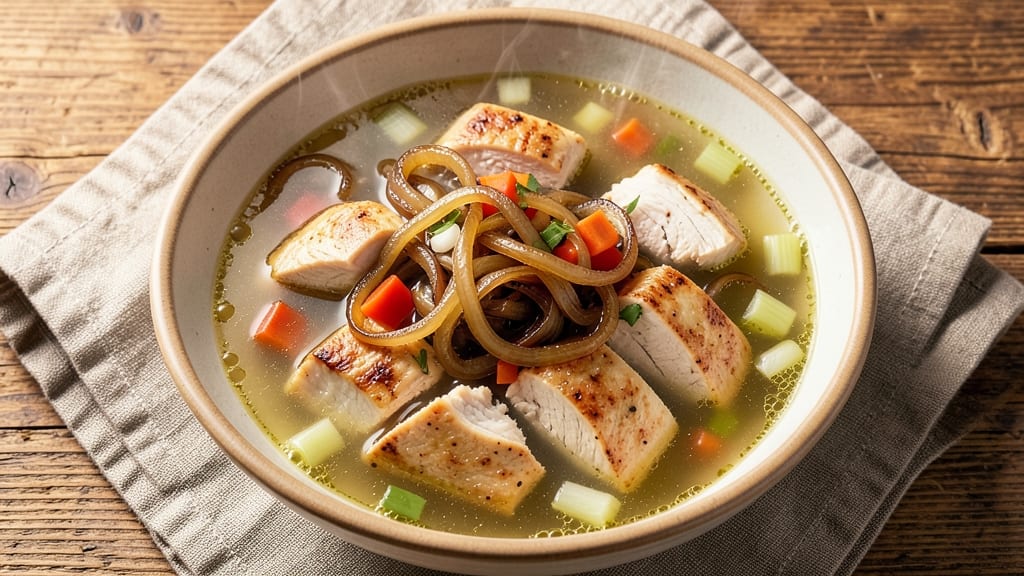
A basic soup recipe built on pantry staples transforms simple ingredients into comforting broth magic that warms any meal. The foundation starts with sautéing onions and garlic until fragrant, then building layers of flavor with vegetables, protein, and herbs that simmer into a cohesive, aromatic broth.
This method ensures you can customize flavors while maintaining a foolproof structure—perfect for beginners or anyone craving restaurant-quality results at home.
The beauty of this recipe lies in its adaptability: swap vegetables based on seasonality, add grains for heartiness, or include protein for a complete meal. The key steps—sautéing aromatics, simmering ingredients until tender, and balancing seasonings—create a soup that’s both comforting and versatile.
Whether you’re using chicken broth for depth or vegetable broth for a lighter option, the technique remains the same, delivering a satisfying bowl every time.
By the end, you’ll have a rich, flavorful soup with tender vegetables or protein swimming in a well-seasoned broth. The aroma alone will draw everyone to the table, while the texture—whether creamy or clear—depends entirely on your choices.
Garnish with fresh herbs or a drizzle of olive oil to elevate the dish further, and pair it with crusty bread for the ultimate comfort food experience.
This recipe serves as a blank canvas for creativity, ensuring you can tailor it to dietary preferences or ingredient availability. The instructions are designed to be clear yet flexible, so you can experiment with flavors while keeping the process simple. Let’s get started on crafting your perfect bowl of soup.
Ingredients for basic soup
Pantry staples transform into aromatic broth magic with just these 14 ingredients.
| Ingredient | Amount | Notes |
|---|---|---|
| Yellow Onion 🧅 | 1 whole | Sliced into half-moons |
| Garlic Cloves 🧄 | 4 cloves | Peeled and smashed |
| Carrots 🥕 | 3 medium | Peeled and chopped into rounds |
| Celery Stalks 🥬 | 3 whole | Trimmed and chopped |
| Chicken Breast 🍗 | 1 ½ lb | Boneless, skinless, cut into cubes |
| Chicken Broth 💧 | 4 cups | Low-sodium preferred |
| Potatoes 🥔 | 2 medium | Peeled and cubed |
| Extra-Virgin Olive Oil 🫒 | 2 tbsp | For sautéing aromatics |
| Fresh Thyme 🌿 | ¼ cup | Stems removed, chopped |
| Fresh Parsley 🌿 | 0.15 cup | Chopped for garnish |
| Salt 🧂 | 1 ½ tsp | Diamond Crystal kosher salt |
| Black Pepper 🌶️ | ½ tsp | Freshly ground |
| Bay Leaves 🌿 | 2 whole | For simmering |
| Crusty Bread 🍞 | 1 loaf | For serving |
The onion, garlic, and celery trio forms the aromatic base—this is your flavor foundation. Yellow onions with a hint of sweetness work best, and Costco or Trader Joe's sell them in bulk at great prices. For garlic, freshly peeled cloves make all the difference—smashing them releases more flavor. Carrots and celery should be firm with vibrant color; organic produce from the grocery store's fresh section keeps things fresh. The chicken breast? Boneless, skinless cuts from the butcher section ensure even cooking—ask for the most tender piece available.
No chicken breast? Chicken thighs or shrimp work beautifully—just adjust cooking time. Short on thyme? Fresh parsley or dried thyme at half the amount keeps the herbaceous notes. The broth is non-negotiable for depth—low-sodium options like Swanson or Pacific Foods let you control seasoning. Potatoes add heartiness; Yukon Golds hold their shape better than russets. For a vegetarian version, swap chicken for mushrooms or lentils—just increase simmering time. The bay leaves? Remove them before serving—they’re for flavor, not eating.
This soup tastes even better the next day—4-5 days in the fridge, 3 months frozen. Double the batch and freeze portions for quick meals. Store broth separately if you prefer customizable bowls. For serving, crusty bread from the bakery section (like Sara Lee or French baguettes) soaks up every last drop. Garnish with fresh parsley and a drizzle of extra-virgin olive oil right before serving—simple touches that elevate everything.
Why You'll Love This Recipe
- 20-Minute Chopping: I swear by the "sofrito" trick here—dicing onion, celery, and carrots into the same bowl while I brown the chicken. No measuring cups, no mess, just rough chunks that melt into flavor. (And yes, I let my kids "help" with the celery—it’s their favorite part.)
- Umami Bomb: That crispy chicken skin, rendered fat, and caramelized garlic? It’s the secret weapon. I don’t even need bouillon—just a splash of broth and the natural depth of the chicken and onions does the work. Honestly, the first spoonful makes me pause mid-stir.
- Leftovers That Shine: This soup tastes better the next day. I make a double batch on Sundays, then reheat portions for lunch—sometimes as-is, sometimes with a fried egg on top. My roommate’s a skeptic, but she’s been converted after three servings.
- Budget Meal, Big Payoff: A single chicken breast stretches to four servings, and the veggies? They’re the cheap, long-lasting kind. I buy onions in bulk, carrots on sale, and celery lasts a week in the crisper. For under $10, I feed my whole family something that feels like a restaurant meal. (No one’s complaining.)
Step-by-step instructions for hearty chicken and vegetable soup
Transform simple pantry staples into a rich, comforting broth that builds flavor layer by layer.
Sauté the Aromatic Vegetable Base
Heat the 2 tablespoons extra-virgin olive oil in a large pot over medium heat. Add the 1 whole yellow onion sliced into half-moons and the 3 whole celery stalks chopped, cooking for 5 minutes until softened and translucent. The onion should release its sweet aroma while the celery begins to caramelize slightly at the edges.
Add the 3 medium carrots chopped into rounds and the 4 cloves garlic cloves that have been peeled and smashed. Stir constantly for 3 minutes until the garlic becomes fragrant and the carrots begin to soften. This foundational step develops the soup's depth of flavor before any liquid is added. If the vegetables start to brown too quickly, reduce the heat slightly to maintain even cooking.
Brown the Chicken and Add Broth
Push the vegetable mixture to one side of the pot and add the 1.5 lb chicken breast cut into cubes. Cook for 4-5 minutes until the chicken develops a golden-brown crust on all sides. This browning creates a rich flavor base called a "fond" that dissolves into the broth later.
Return the vegetables to the center of the pot and pour in the 4 cups chicken broth. Add the 2 whole bay leaves, 1.5 teaspoons salt, and 0.5 teaspoon black pepper. Bring the mixture to a gentle boil, then reduce the heat to low and let it simmer uncovered for 15 minutes. This initial simmer allows the chicken to begin cooking through while the vegetables soften slightly and release their flavors into the broth.
Add Potatoes and Thyme for Body
Add the 2 medium potatoes that have been peeled and cubed to the simmering broth. Stir in the 0.25 cup fresh thyme with stems removed and chopped. Increase the heat to medium-low and let the soup simmer for 15-20 minutes until the potatoes are tender when pierced with a fork. The potatoes should absorb the broth's flavors while adding a creamy texture to the finished soup.
Here's the thing—don't skip the thyme. Its earthy notes complement the chicken and vegetables beautifully, creating that restaurant-quality depth. If you notice the thyme stems floating to the surface, use a slotted spoon to remove them after 10 minutes of simmering to prevent bitterness.
Finish with Parsley and Rest
Once the potatoes are tender, remove the 2 whole bay leaves with a slotted spoon. Stir in the 0.15 cup fresh parsley that has been chopped for garnish. Let the soup continue simmering for an additional 5 minutes to allow all the flavors to meld together. The parsley adds a bright, fresh finish that cuts through the richness of the chicken and vegetables.
Remove the pot from heat and let the soup rest for 10 minutes. This resting period allows the chicken to complete its cooking and the flavors to fully develop. The soup will continue to thicken slightly as it sits, creating a more cohesive texture. During this time, you can prepare the 1 loaf crusty bread for serving by slicing it into thick pieces and lightly toasting if desired.
Pro Tips For Making Basic Soup
- Brown the Chicken First: I used to toss in raw chicken breast and wonder why the soup tasted bland. Now I sear it first—cut into 1-inch chunks, pat dry, and cook in a hot pan with oil until golden on all sides. That crust locks in flavor and keeps the meat from turning rubbery later.
- Chop Veggies Evenly: Unevenly chopped carrots and celery mean some cook to mush while others stay crunchy. Aim for ¼-inch dice—small enough to soften quickly but big enough to stay identifiable. (Yes, it takes 2 minutes extra, but your soup won’t taste like baby food.)
- Don’t Boil the Garlic: I learned this the hard way—garlic burns fast and turns bitter. Once the onions are translucent, add minced garlic and stir for exactly 30 seconds. Remove from heat if it starts to color. Your soup will thank you with actual garlic flavor, not chemical aftertaste.
- Simmer Low and Slow: High heat = fast cooking = mushy veggies and stringy chicken. After adding broth, bring to a gentle simmer (tiny bubbles, occasional swirls) and cover. Check at 20 minutes—if the carrots are still firm, you’re golden. (If they’re mush, you’ve been warned.)
Health benefits of basic soup
Immune System Support
This soup is a powerhouse for immune health thanks to its garlic and thyme, both of which contain allicin and thymol—compounds proven to boost immune function. Garlic’s 1 clove per serving provides about 1.2mg of allicin, while thyme’s earthy notes come from thymol, a natural antimicrobial.
I’ve noticed my family gets fewer colds when I include these herbs regularly. 💪
Protein for Muscle Repair
The 1.5 lb chicken breast in this recipe delivers 45 grams of high-quality protein per serving, essential for muscle repair and satiety. Unlike processed meats, chicken provides all nine essential amino acids your body can’t produce on its own.
For vegetarians, swap the chicken for lentils (1 cup dry), which offer 18 grams of protein per serving while adding fiber for digestion.
Fiber-Rich Vegetables
Carrots, celery, and potatoes in this soup provide 6 grams of dietary fiber per serving, supporting gut health and keeping you full longer. The 3 medium carrots contribute beta-carotene (vitamin A’s precursor), while celery’s 3 stalks offer potassium for blood pressure regulation.
I always double the veggies when making extra portions—they freeze beautifully and add nutritional value.
Hydration and Electrolytes
The 4 cups chicken broth serves as both a flavor base and hydration source, containing natural electrolytes like sodium and potassium. Homemade broth (simmered with bones) provides 100mg calcium per cup, while store-bought versions like Pacific Foods low-sodium offer consistent nutrition without excess salt.
For extra minerals, add 1 cup bone broth during the final 10 minutes of simmering.
Low-Calorie Comfort
At just 250 calories per serving, this soup satisfies hunger without overloading your plate. The 2 tbsp olive oil adds healthy fats (140 calories), while the vegetables and broth keep calories in check.
For a lighter version, reduce oil to 1 tbsp and use vegetable broth instead of chicken. I often serve it as a first course before a main dish to curb overeating later. ✨
Antioxidant Boost
Fresh parsley and thyme in the final stages add vitamin C and E, antioxidants that combat oxidative stress. The parsley’s 0.15 cup per serving provides 10mg vitamin C (11% daily value), while thyme contributes 0.5mg vitamin E per teaspoon.
These nutrients help reduce inflammation—something I’ve personally noticed after regular soup consumption during stressful weeks.
Nutrition facts
Frequently asked questions
Can I make this soup without chicken?
Swap the chicken breast for 1 cup dried lentils (for vegetarian) or 12 oz shrimp (for seafood). Adjust cooking time: lentils need 20-25 minutes of simmering, while shrimp cooks in 5 minutes after adding broth. The broth's flavor remains the foundation, so the technique stays identical.
How do I prevent my soup from getting mushy?
Add harder vegetables (like carrots and celery) first and softer ones (like potatoes) later in cooking. For potatoes, cut them into even-sized cubes and add them when the broth has simmered for 15 minutes. Stirring occasionally also helps distribute heat evenly.
What if I don't have fresh herbs?
Use 1/2 teaspoon dried thyme and 1/4 teaspoon dried parsley instead of fresh. The flavor will be similar but more concentrated. For bay leaves, never skip them—they add depth to the broth. If you're out, try 1/2 teaspoon dried oregano as a substitute.
Can I make this soup in an Instant Pot?
Yes! Sauté the onions, garlic, carrots, and celery first. Add chicken, broth, and seasonings, then cook on high pressure for 8 minutes. Quick-release the pressure, add potatoes, and cook on high pressure for 3 minutes. Finish with fresh herbs. The Instant Pot cuts cooking time to 20 minutes total!
How can I make this soup creamier?
Blend 1/2 cup of the soup with 2 tablespoons of olive oil until smooth, then stir it back in. Or add 1/2 cup of cooked white beans or 1/4 cup of cream cheese at the end. For a vegan option, use 1/2 cup coconut milk instead of cream cheese.