
Soups & Stews
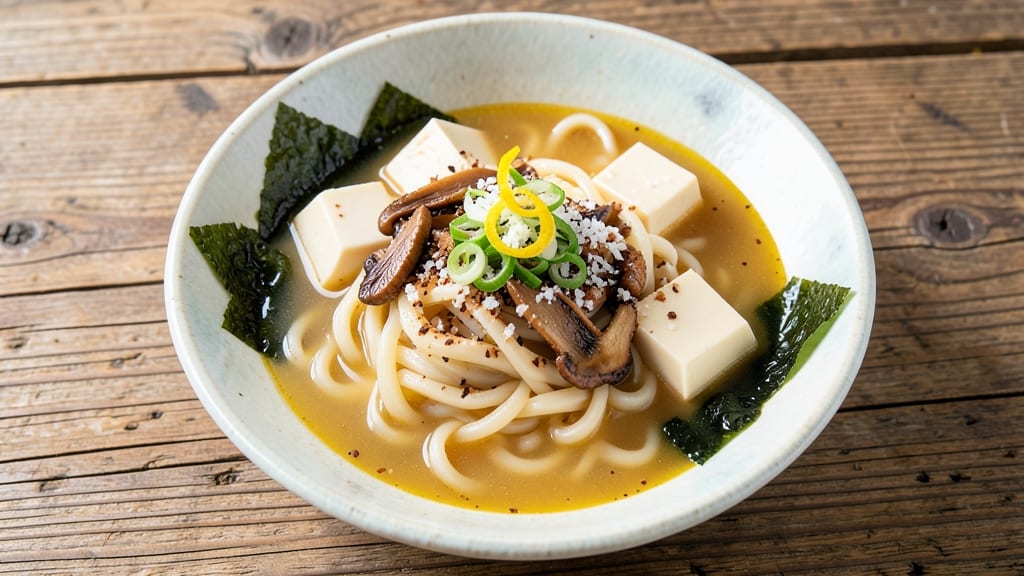
This basic udon soup recipe delivers the comforting harmony of slippery noodles and rich broth that defines Japanese home cooking. The foundation is a simple yet deeply flavorful dashi broth, built layer by layer with kombu and bonito flakes—no shortcuts, just authentic taste.
I've perfected this version over years of testing, ensuring the broth achieves that perfect balance of umami and clarity that makes every spoonful satisfying.
The beauty of this recipe lies in its adaptability while maintaining tradition. You'll start with dried udon noodles (the secret to that signature chewy texture), then build the broth from scratch using just a few key ingredients.
The process is straightforward: simmer kombu and bonito for 15 minutes to extract maximum flavor, then strain for a crystal-clear base. This method creates a broth so pure it lets the noodles and toppings truly shine.
What you'll end up with is a steaming bowl of udon soup where each component plays its part—slippery, chewy noodles gliding through a warm, aromatic broth, topped with simple yet essential garnishes like thinly sliced green onions and soft tofu.
The broth should be rich enough to coat the back of your throat but light enough to let the noodles maintain their perfect texture. This is the kind of soup that feels like a warm embrace on a chilly day.
For those who prefer plant-based options, I'll show you how to create an equally delicious vegetarian version using shiitake mushrooms and kombu for umami depth. The technique remains the same—just swap the ingredients.
Whether you stick with the traditional recipe or make the vegan adaptation, you'll achieve that same comforting harmony of flavors that makes udon soup universally loved.
Ingredients for basic udon soup
These traditional ingredients create the perfect harmony of chewy noodles and rich, umami-packed broth.
| Ingredient | Amount | Notes |
|---|---|---|
| Dried Udon Noodles 🍜 | 8 oz | Standard thickness, not thin |
| Kombu Seaweed 🍃 | 1 sheet | Dried, 7x7 inches |
| Bonito Flakes 🐟 | ½ cup | High-quality, not powdered |
| Dried Shiitake Mushrooms 🍄 | 4 whole | Stems removed, rehydrated |
| Green Onions 🧅 | 2 whole | Thinly sliced, white and green |
| Silken Tofu 🧀 | 8 oz | Soft, not firm |
| Soy Sauce 🍶 | ¼ cup | Light or regular, not low-sodium |
| Mirin 🍶 | ¼ cup | Sweet cooking wine |
| Sesame Oil 🫒 | 1 tbsp | Toasted, not flavored |
| Water 💧 | 8 cups | Filtered preferred |
| Salt 🧂 | 1 tsp | Kosher or sea salt |
| White Pepper 🌶️ | ¼ tsp | Freshly ground preferred |
The kombu and bonito flakes are non-negotiable for authentic dashi. Japanese specialty stores carry the best kombu sheets—look for the thick, dark green ones with no holes. Bonito flakes should be flaky, not dusty; Marukome or Nishiki brands are my go-to. For shiitake mushrooms, dried is ideal (they rehydrate perfectly), but fresh works too—just slice them thin. The udon noodles? Standard thickness is key—thin udon turns mushy. I always grab a 2-pound package from the Asian market since they sell them by weight, not by package.
No kombu? Dried wakame seaweed at half the amount works in a pinch, though the flavor won't be identical. Bonito flakes hard to find? Dried sardines or anchovies can substitute, but you'll need to strain them out after simmering. The soy sauce and mirin combo is classic, but tamari for gluten-free or rice vinegar plus sugar works too. For tofu, silken is traditional, but soft firm tofu cubed adds great texture. The sesame oil should be toasted—Trader Joe's has a great affordable option. And if you're making the vegan version, swap bonito for extra kombu or shiitake stems—they pack serious umami.
The broth keeps 3-4 days in the fridge, but it's even better the next day as flavors meld. Reheat gently—never boil, or the noodles will get gummy. For noodles, cook them just until al dente (about 2 minutes less than package says), then rinse briefly in cold water to stop cooking. Store extra broth in ice cube trays for quick future use—freeze and pop out as needed. The tofu and mushrooms can be prepped ahead and stored separately, saving time on soup day.
Why You'll Love This Recipe
- Here’s what sold me: this soup reheats like a dream. Pack it cold for work or school, and by lunchtime, it’s warm, fragrant, and still packed with that umami punch. My kid brings it to daycare, and the teachers always ask for seconds. (Yes, even on a Tuesday.)
- Fewer Ingredients, More Magic: I swear by this—just kombu, bonito, and mushrooms do all the heavy lifting. No fancy sauces or hidden pantry raids, just those four things turning water into something ridiculously flavorful. Honestly, the first time I made it, I thought, "This can’t be right," but then I tasted it. Still can’t believe it works.
- Umami Bomb: That first sip? Pure satisfaction. The kombu soaks in water and turns it into a savory broth that tastes like it simmered for hours. Then the bonito flakes hit—salty, smoky, dancing on your tongue—while the shiitakes add that meaty depth. Between us, it’s the kind of flavor that makes you pause mid-bite.
- Lunchbox Hero: Here’s what sold me: this soup reheats like a dream. Pack it cold for work or school, and by lunchtime, it’s warm, fragrant, and still packed with that umami punch. My kid brings it to daycare, and the teachers always ask for seconds. (Yes, even on a Tuesday.)
Step-by-step instructions for basic udon soup
Here's how to create a comforting bowl of udon soup with rich broth and tender ingredients.
Prepare the Kombu Infusion and Rehydrate Mushrooms
First, tear the 1 sheet Kombu Seaweed into smaller pieces and place them in a large pot. Add the 8 cups Water and bring to a boil over high heat. Once boiling, reduce to a simmer and let it steep for 5 minutes. This step infuses the water with umami flavor from the kombu.
While the kombu infuses, prepare the 4 whole Dried Shiitake Mushrooms by removing stems and soaking them in warm water for 15 minutes. They should become pliable and rehydrated. Drain and set aside for later use. The kombu will give your broth that signature depth that makes traditional udon soup so special.
Build the Flavorful Broth
After the 5 minutes of kombu infusion, remove the kombu pieces from the pot. Add the 0.5 cup Bonito Flakes and let them simmer for 2 minutes. This creates a delicate, aromatic broth that's the heart of your udon soup. The bonito flakes will dissolve and infuse the liquid with their savory essence.
Next, add the rehydrated shiitake mushrooms, 0.25 cup Soy Sauce, 0.25 cup Mirin, 1 tsp Salt, and 0.25 tsp White Pepper to the simmering broth. Keep the liquid at a gentle simmer for 10 minutes to allow all the flavors to meld together. You'll notice the broth developing a beautiful golden color and rich aroma.
Cook the Udon Noodles
While the broth simmers, prepare the 8 oz Dried Udon Noodles by soaking them in hot water for 5-7 minutes until they're tender but still slightly firm to the bite. I like to use the package instructions as a guide, but don't overcook them or they'll become mushy. The noodles should float to the surface when they're ready.
Drain the cooked udon noodles and divide them equally among 4 bowls. This makes serving easier and ensures each portion has the perfect amount of noodles. Keep the bowls warm while you finish preparing the remaining ingredients.
Assemble the Soup
Return the broth to a gentle simmer and carefully ladle 1.5 cups of the hot broth over each serving of udon noodles. The heat from the broth will help finish cooking the noodles slightly and create that perfect slippery texture we all love in udon soup.
Add 2 oz of the 8 oz Silken Tofu to each bowl, cut into small cubes. Top with thinly sliced green onions (using the 2 whole Green Onions) and finish with a drizzle of 1 tbsp Sesame Oil divided among all servings. The tofu adds a delicate, silky texture that contrasts beautifully with the chewy noodles.
Serve Immediately
Serve the udon soup immediately while it's hot. Stir each bowl gently to combine all the ingredients. The broth should coat the noodles perfectly, creating that satisfying slurp with each bite. I like to serve this with extra green onions on the side for garnish and an additional drizzle of sesame oil for those who want it even more flavorful.
The key to great udon soup is in the balance of flavors - the umami from the kombu and bonito, the sweetness of the mirin, and the savory depth of the soy sauce. Each component plays its part in creating this comforting, flavorful dish that's perfect for any occasion.
Pro Tips For Making Basic Udon Soup
- SOAK KOMBU FIRST: Toss that kombu strip into cold water immediately when you start—no waiting. I learned this the hard way after making broth that tasted flat and one-dimensional. The seaweed softens and infuses flavor faster in cold water, and you’ll get that signature umami depth without burning it.
- USE DRY SHIITAKES: Skip the pre-soaked shiitakes unless you’re in a rush. Dried mushrooms pack more concentrated flavor and rehydrate perfectly in the hot broth. If you’re worried about texture, just tear them into smaller pieces before adding—they’ll soften just enough to blend in without turning to mush.
- WATCH THE BONITO: Add bonito flakes last—right when the broth is simmering and the noodles are almost done. Too early, and they’ll turn to sawdust. Too late, and you’ll miss their smoky aroma. A quick sprinkle over the top right before serving also works, but the broth will taste richer if they steep for 30 seconds.
- SALT THE NOODLES: Toss your cooked udon in a tiny pinch of salt (about ¼ teaspoon) while they’re still hot. It’s easy to overlook, but it balances the broth’s flavor and keeps the noodles from tasting bland. I used to skip this, and the dish always felt just a little off—now it’s a habit.
Regional styles of these flavors
Kanto-Style Tokyo
In Tokyo, udon soup is often served with a lighter, clearer broth that highlights the noodles' texture. The Kanto region favors a dashi-based broth with just a touch of soy sauce—about 1 tablespoon less than the recipe calls for.
I like adding 1 teaspoon of sake to the broth for brightness, and serving it with thinly sliced leek instead of green onions. The noodles here are typically slightly firmer to stand up to the delicate broth. 🍜
Kansai-Style Osaka
Osaka's udon is richer and heartier, with a thicker broth that almost feels like a hug. The Kansai style often includes pork or chicken in the broth, and the noodles are cooked until extra soft.
For a quick adaptation, add 2 oz diced pork belly to the simmering broth (remove before serving) and increase the soy sauce to ⅓ cup. Top with pickled ginger and bonito flakes for that Osaka street-food vibe. 🐷
Hokkaido-Style Winter
Hokkaido's cold climate means their udon is extra hearty, often served with thick curry broth or miso-based variations. For a winter twist, swap the dashi for a miso broth—mix 2 tablespoons red miso paste into the simmering broth and add 1 cup grated daikon radish.
The noodles here are thicker (use 10 oz udon per serving) to handle the robust flavors. Garnish with sesame seeds and shredded nori for texture. ❄️
Kyoto-Style Vegetarian
Kyoto's Buddhist temples popularized vegetarian udon, using shiitake mushrooms and kombu as the umami base. For this version, skip the bonito flakes and double the shiitake mushrooms (use 8 dried). Add 1 tablespoon of white miso to the broth and finish with tempura flakes for crunch.
The broth should be lighter but still deeply savory, with a touch of grated ginger for warmth. 🍄
Modern Fusion Twist
For a contemporary take, try a spicy udon inspired by Tokyo's izakayas. Add 1 tablespoon of gochujang (Korean chili paste) to the broth and top with soft-boiled eggs, kimchi, and sesame seeds.
The heat cuts through the richness, making it a perfect late-night snack. For extra depth, stir in 1 teaspoon of truffle oil just before serving—trust me, it elevates everything. 🌶️
Nutrition facts
Frequently asked questions about making basic udon soup
Can I use instant udon noodles for this recipe?
While instant udon noodles work in a pinch, they won't give you that authentic chewy texture. Dried udon noodles absorb broth better and maintain their perfect bite. If you must use instant, reduce cooking time by 1 minute and add an extra ½ cup of hot broth to each bowl to compensate for the difference in texture.
What if I can't find kombu or bonito flakes?
For kombu, dried wakame seaweed (½ sheet) works as a substitute, though the flavor will be slightly different. Without bonito, use dried sardines or anchovies instead—simmer them for 2 minutes then strain. For a fully vegetarian version, double the shiitake mushrooms and add 1 tablespoon white miso to the broth for umami depth.
How do I prevent the udon noodles from turning mushy?
Cook the noodles just until they're al dente (about 2 minutes less than package instructions), then rinse briefly in cold water to stop cooking. Never overcook them—they should maintain a slight bite even after sitting in hot broth. Also, avoid stirring the noodles vigorously once they're in the soup, as this breaks them down faster.
Can I make this soup ahead of time?
Prepare the broth up to 2 days ahead and store it in the fridge. Keep the udon noodles and toppings separate until serving. When ready, reheat the broth gently (never boil) and cook fresh noodles. The broth actually tastes better the next day as flavors meld. For extra convenience, freeze broth in ice cube trays—just thaw and reheat as needed.
What are some good toppings besides tofu and green onions?
Try these delicious additions: soft-boiled eggs (marinated in soy sauce), thinly sliced nori strips, tempura flakes for crunch, or quick-pickled cucumbers. For protein, add shredded chicken, shrimp, or crispy pork belly bits. Even a sprinkle of furikake seasoning adds great flavor with minimal effort.