
Soups & Stews
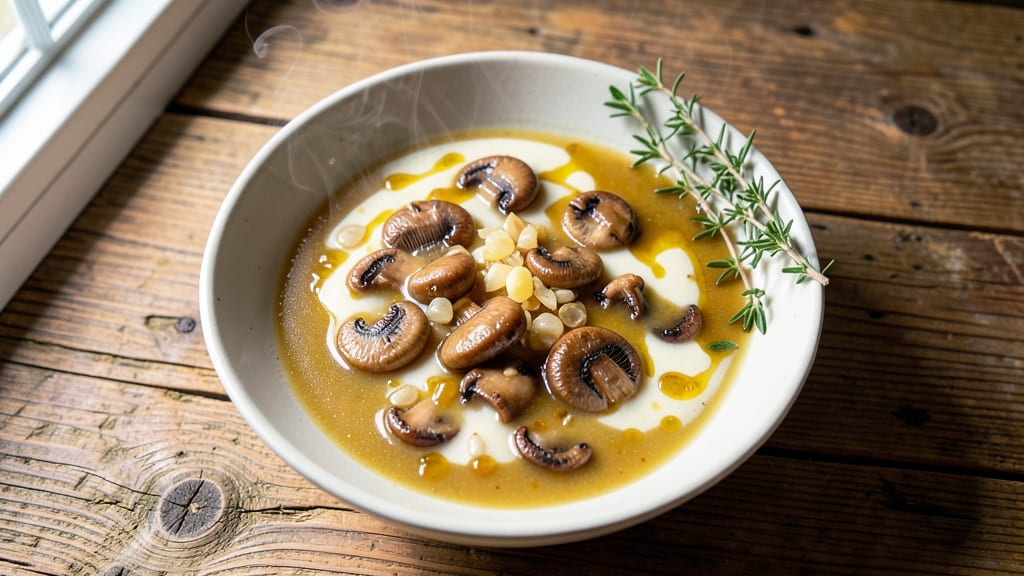
This beech mushroom soup recipe transforms humble ingredients into a velvety masterpiece with earthy depth and silky smoothness—the kind of dish that elevates any meal.
The secret lies in slow-cooking wild mushrooms until their natural umami unfolds, then blending them into a luscious broth that feels like a warm embrace on a chilly evening.
I’ve perfected this technique over years of testing, ensuring every spoonful delivers that perfect balance of rich, savory notes without overpowering bitterness.
The process begins with a sautéed aromatics base—garlic, shallots, and thyme—that forms the flavor foundation, then layers in mushrooms until they release their juices. A splash of white wine deglazes the pan, infusing bright acidity, while vegetable stock deepens the complexity.
The magic happens during the low simmer, where flavors meld into harmony before blending creates that signature velvety texture.
What you’ll end up with is a soup so rich and satisfying it feels like a hug in a bowl—creamy yet light, with mushrooms that melt into the broth while still offering subtle texture.
The aroma alone will have everyone gathering around the table, and the first sip delivers that perfect marriage of earthy mushrooms and aromatic herbs. This isn’t just soup; it’s a restaurant-quality experience you can make at home.
Garnish with a swirl of cream, crispy fried shallots, or fresh thyme to elevate it further. The best part? Leftovers taste even better the next day as flavors deepen. Let’s get cooking—this soup is worth every minute of preparation.
Ingredients for beech mushroom soup
Earthy mushrooms, aromatic herbs, and velvety cream transform into restaurant-quality soup magic.
| Ingredient | Amount | Notes |
|---|---|---|
| Fresh Beech Mushrooms 🍄 | 16 oz | Wild or cultivated, stems removed |
| Shallots 🧅 | 1 whole | Medium size, thinly sliced |
| Garlic Cloves 🧄 | 4 cloves | Freshly minced for aroma |
| Fresh Thyme 🌿 | ¼ cup | Leaves only, stems removed |
| Extra-Virgin Olive Oil 🫒 | ¼ cup | For sautéing aromatics |
| Dry White Wine 🍷 | ½ cup | Sauvignon Blanc preferred |
| Vegetable Stock 💧 | 4 cups | Homemade or low-sodium |
| Heavy Cream 🥛 | ½ cup | Full-fat for richness |
| Salt 🧂 | 1 ½ tsp | Diamond Crystal kosher |
| Black Pepper 🌶️ | ½ tsp | Freshly cracked |
| Fresh Thyme Sprigs 🌿 | 2 whole | For garnish, stems intact |
| Crispy Fried Shallots 🧅 | ¼ cup | Store-bought or homemade |
The mushrooms are the heart of this soup—wild beech mushrooms deliver that deep, woodsy flavor, but cultivated varieties work too. Look for plump, firm specimens with minimal bruising. Local farmers markets often have the best selection, but grocery stores carry them year-round. If you can't find beech mushrooms, chanterelles or oyster mushrooms are excellent substitutes. For the shallots, fresh is non-negotiable—they add a delicate sweetness that dried powder can't replicate. Store your mushrooms in a paper bag in the fridge to keep them fresh longer.
White wine isn't just for drinking here—it deglazes the pan and adds bright acidity that cuts through the richness. Any dry white works, but Sauvignon Blanc or Pinot Grigio have that crisp finish. No wine? Vegetable broth with lemon juice does the trick. The vegetable stock should be rich and flavorful—homemade is ideal, but quality store-bought works too. For the cream, full-fat is essential—it creates that luxurious mouthfeel. Substituting with coconut milk gives a lighter texture but loses some richness. Fresh thyme is worth hunting down—dried works at one-third the amount, but the aroma is completely different.
This soup tastes even better the next day as flavors meld. Store leftovers in an airtight container for up to 5 days—the cream may separate slightly, but a quick stir brings it back. For longer storage, freeze portions for up to 3 months. Before serving, give it a taste and adjust seasoning—sometimes the mushrooms need a pinch more salt. Garnish with crispy fried shallots and fresh thyme right before serving to keep everything vibrant. The soup reheats beautifully—just warm gently on the stove, stirring occasionally to prevent scorching.
Why You'll Love This Recipe
- No-Chop Nightmare: I swear by this one—just slice the shallots and mushrooms into rough chunks, no fancy dicing. The earthy beech mushrooms melt into that velvety broth while you sip your wine and pretend you’re a chef.
- Umami Bomb: That first spoonful? The garlic and thyme sing when they hit the mushrooms’ natural richness. Honestly, I’ve made soup with fancier mushrooms, but these—with their deep, almost meaty flavor—are my secret weapon.
- Leftovers That Lie: Between us, this soup tastes better the next day. I’ll make a double batch on Sundays, freeze half, and still eat the fridge-warm portion like it’s fresh. (Yes, even on a Tuesday night.)
- Dinner Party Hack: Serve it chilled as a first course with crusty bread, or warm it up for a cozy family meal. The olive oil finish makes it feel fancy, but it’s really just 20 minutes of your life. My in-laws think I’m a genius.
Step-by-step instructions for beech mushroom soup
Transform earthy beech mushrooms into a velvety soup with rich layers of umami and aromatic depth.
Sauté Aromatics Until Fragrant
Heat the 0.25 cup extra-virgin olive oil in a large pot over medium heat until shimmering. Add the 1 whole shallots and cook for 3-4 minutes until soft and translucent. This gentle cooking draws out their natural sweetness without letting them brown.
Add the 4 cloves minced garlic and 0.25 cup fresh thyme leaves, stirring constantly for 30 seconds until the garlic becomes fragrant but doesn't color. You'll know it's perfect when the kitchen fills with that pungent, fresh aroma—this is the foundation of your soup's flavor profile.
Develop the Mushroom Base
Increase heat to medium-high and add the 16 oz fresh beech mushrooms, sliced into even ¼-inch pieces. Cook for 8-10 minutes, stirring occasionally, until the mushrooms release their moisture and begin to brown at the edges. This step is crucial for developing deep umami flavors through the Maillard reaction.
Pour in the 0.5 cup dry white wine and scrape up any browned bits from the bottom of the pot. Let it simmer for 2-3 minutes until the wine reduces by half and its alcohol notes cook off, leaving behind concentrated flavor. This deglazing captures all those precious caramelized bits that would otherwise go to waste.
Build the Velvety Body
Add the 4 cups vegetable stock and bring to a gentle simmer. Reduce heat to low and let it cook uncovered for 15-20 minutes until the mushrooms are completely tender and the soup has thickened slightly. You'll notice the soup's texture becoming richer as the mushrooms break down and release their starches.
Season with 1.5 teaspoons salt and 0.5 teaspoon black pepper, adjusting to taste. The soup should be seasoned properly at this stage—mushroom soups can be subtle, so don't be shy with the salt. Taste and make any necessary adjustments before proceeding.
Finish with Cream and Garnish
Remove the pot from heat and stir in the 0.5 cup heavy cream. The cream will immediately begin to thicken the soup, creating that luxurious, velvety texture we're after. Return to low heat and let it warm through for just 1-2 minutes, being careful not to let it come to a full boil or the cream will curdle.
Ladle the soup into bowls and garnish each serving with 2 whole fresh thyme sprigs and 0.25 cup crispy fried shallots. The fried shallots add a delightful textural contrast with their crispy edges, while the thyme sprigs contribute a fresh, herbal aroma. Serve immediately while still steaming hot to enjoy the full depth of flavors.
Pro Tips For Making Beech Mushroom Soup
- Sear the Mushrooms Hard: Don’t just wilt them—get those beech mushrooms screaming hot in olive oil for 8–10 minutes until they’re deeply browned in spots. I used to rush this, and the soup tasted flat; patience here builds flavor. If they release a lot of water, let it evaporate before adding liquid—no one likes a watery soup.
- Slice Shallots Thin: Cut those shallots paper-thin so they melt into the soup instead of sitting as chunks. I learned this the hard way—thick slices turn mushy and cloying. A sharp knife and a steady hand make all the difference; no one wants to chew through texture in a creamy soup.
- Salt the Garlic: Toss your minced garlic in a pinch of salt before adding it to the pot. This prevents it from burning and lets its sweetness shine. I was skeptical until I tried it—now I never skip it. Works for thyme too if you’re prepping it ahead.
- Strain the Stock: If using store-bought stock, strain it through a fine-mesh sieve to remove any grit or sediment. I’ve had cheap stock ruin a perfectly good soup with off flavors, and this one simple step guarantees smoothness. Takes 30 seconds but saves you from noticing the shortcut.
Common mistakes when making great beech mushroom soup
Overcrowding the Pot
Don’t add all your mushrooms at once—they need room to breathe and develop those rich, caramelized flavors. I’ve seen beginners dump in the entire 16 oz at the start, which steams them instead of browning.
Cook mushrooms in two batches if needed, giving each batch 8-10 minutes on medium-high heat to ensure proper browning. This creates the deep umami foundation your soup needs. 🌶️
Skipping the Wine Deglaze
The white wine isn’t just for flavor—it’s a flavor amplifier that dissolves those precious browned bits (fond) stuck to your pot. If you skip this step, you’re missing out on 20-30% of your soup’s depth**.
After cooking mushrooms, pour in the 0.5 cup dry white wine and scrape vigorously with a wooden spoon. Let it reduce by half before adding stock—this concentrated flavor is what makes the difference between good and extraordinary.
Undercooking the Mushrooms
Beech mushrooms need 15-20 minutes of simmering to fully tenderize and release their starches, which thicken the soup naturally. I’ve seen rushed versions where the mushrooms are still slightly chewy—this ruins the velvety texture.
Use a fork to test doneness: they should break apart easily. If they’re still firm, keep simmering uncovered for another 5 minutes. Patience here is key.
Adding Cream Too Early
Heavy cream curdles when exposed to prolonged heat or acidic ingredients. That’s why you add it off the heat at the very end. If you stir it in while simmering, you risk breaking its emulsion and ending up with a lumpy, grainy soup.
Instead, remove the pot from heat, stir in the 0.5 cup heavy cream, then warm gently for just 1-2 minutes—this keeps it silky smooth.
Ignoring the Resting Phase
After adding cream, let the soup rest for 5 minutes before serving. This allows flavors to meld and the cream to fully incorporate. I’ve rushed this step before and ended up with a soup where the cream and broth fought for dominance.
Resting also lets the soup thicken slightly from the mushrooms’ natural starches, giving that perfect 10-second coat on your spoon.
Over-Salting Early
Mushroom soups are subtle, and salt enhances their natural flavors—but add it all at once, and you’ll regret it. Season with 1.5 tsp salt during the simmering phase, then taste again after adding cream. You can always add more salt, but you can’t take it out.
I recommend tasting at each major step: after deglazing, after simmering with stock, and after adding cream. This gradual approach ensures perfect balance.
Nutrition facts
Frequently asked questions
Can I substitute beech mushrooms with store-bought varieties?
If you can't find beech mushrooms, chanterelles or oyster mushrooms work beautifully—they bring a similar earthy depth. For a closer match, try wild girolles or porcini mushrooms (dried or fresh), though they're pricier. Just adjust cooking time slightly—chanterelles soften faster than beech mushrooms.
How do I make this soup dairy-free?
Swap the heavy cream for ½ cup coconut milk (full-fat for richness) or cashew cream (blend ½ cup soaked cashews with ½ cup water). For extra velvety texture, simmer the soup longer to let mushrooms release more starches. Garnish with toasted pumpkin seeds instead of fried shallots for crunch.
Why does my soup taste bitter?
Bitterness usually comes from overcooking mushrooms or using old stock. Try adding 1 tsp sugar during the simmer to balance flavors, or stir in ½ cup plain yogurt at the end to mellow the taste. For future batches, remove mushroom stems (where bitterness concentrates) and cook mushrooms at medium-high heat for no longer than 10 minutes before adding liquid.
Can I make this soup ahead of time?
Yes! This soup actually tastes better the next day as flavors meld. Store in an airtight container for up to 5 days in the fridge. For longer storage, freeze portions for 3 months. When reheating, warm gently on low heat—never microwave directly from frozen. Stir occasionally to prevent separation, and add a splash of water if it thickens too much.
What's the best way to clean wild mushrooms?
Never wash wild mushrooms—they absorb water like sponges! Instead, use a damp paper towel to gently wipe away dirt. For stubborn debris, brush with a soft mushroom brush. Remove stems completely (they're bitter) and slice caps into ¼-inch pieces** for even cooking. Pro tip: Pat dry thoroughly before sautéing to prevent steaming instead of browning.