
Soups & Stews
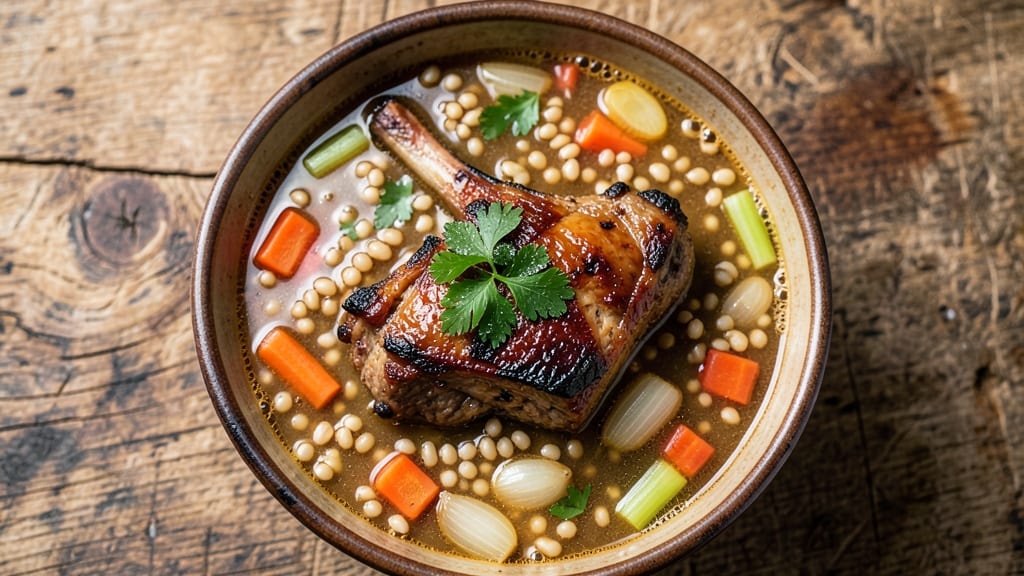
This beef shank and barley soup recipe delivers deep, slow-simmered richness that transforms tough cuts into melt-in-your-mouth tenderness. The secret lies in braising the shank low and slow, allowing collagen to break down into a velvety broth that coats every bite of chewy barley.
I developed this recipe after years of testing—it’s the kind of hearty, comforting soup that tastes even better the next day when flavors meld perfectly.
The process begins with searing the beef shank to develop a deep, caramelized crust before transferring it to a pot for hours of simmering. Barley adds a satisfying chew and absorbs the broth’s flavors, while aromatic vegetables like carrots and celery build complexity.
This isn’t just a soup—it’s a one-pot meal that feeds a crowd or warms a chilly evening, with every spoonful packed with umami and texture.
By the time you’re done, you’ll have a soup so rich and flavorful it rivals restaurant versions, with tender beef that falls apart and barley that holds its shape. The aroma alone will have everyone gathering around the table, and the leftovers?
Even better reheated the next day. Serve with crusty bread to soak up every last drop of that golden, aromatic broth.
For extra depth, finish with fresh parsley or a drizzle of high-quality olive oil. This soup is the ultimate comfort food—restaurant-quality at home, with minimal effort after the initial prep. Let’s get started on creating a dish that feels like a hug in a bowl.
Ingredients for beef barley soup recipe with beef shank
The secret to restaurant-quality beef shank soup starts with these 15 ingredients.
| Ingredient | Amount | Notes |
|---|---|---|
| Beef Shank 🥩 | 3 lb | Bone-in, cut into 2-inch pieces |
| Pearl Barley 🌾 | 1 cup | Uncooked, rinsed thoroughly |
| Yellow Onion 🧅 | 1 whole | Medium, chopped |
| Carrots 🥕 | 4 medium | Peeled, cut into 1-inch chunks |
| Celery Stalks 🌿 | 4 whole | Cut into 1-inch pieces |
| Garlic Cloves 🧄 | 6 cloves | Minced or finely chopped |
| Tomato Paste 🍅 | 2 tbsp | Smooth, not chunky |
| Beef Broth 💧 | 6 cups | Low-sodium preferred |
| Red Wine 🍷 | 1 cup | Dry, like Cabernet Sauvignon |
| Fresh Thyme 🌿 | 2 tbsp | Leaves only, chopped |
| Fresh Parsley 🌿 | ¼ cup | Chopped, for garnish |
| Olive Oil 🫒 | 2 tbsp | Extra-virgin for searing |
| Salt 🧂 | 2 tsp | Kosher or sea salt |
| Black Pepper 🌶️ | 1 tsp | Freshly ground |
| Bay Leaves 🍃 | 2 whole | Dried, removed before serving |
The beef shank is non-negotiable here—look for thick, bone-in pieces at the butcher counter, not pre-cut. Costco or Whole Foods usually carry good quality, but ask for the thickest cuts you can find. Pearl barley is key for that satisfying chew, and Bob’s Red Mill is my go-to brand—it’s consistent and affordable. Fresh thyme and parsley make all the difference, so grab a bunch and use half now, half later. The tomato paste? Trader Joe’s has the best squeeze tubes—no waste, and it lasts forever.
No red wine? Dry sherry or extra beef broth works in a pinch, but the alcohol helps tenderize the meat. Short on fresh thyme? Dried at one-third the amount gets you close. The carrots and celery can be swapped for frozen if needed (just thaw first), but fresh has better texture. If you’re using pre-made broth, Knorr or Swanson are fine, but low-sodium is crucial—you’ll be adding salt later. The bay leaves add depth, but don’t skip them—they’re the secret to that restaurant aroma.
This soup tastes even better the next day, so make extra. Store in the fridge for 4-5 days or freeze for 3 months. I portion mine into containers so lunches are ready to grab. The barley thickens as it cools, so add a splash of broth when reheating. For serving, a drizzle of high-quality olive oil and extra parsley turns it into a showstopper.
Why You'll Love This Recipe
- One-Pot Magic: I swear by this recipe because it’s actually a one-pot wonder—no chopping boards full of scraps, no extra dishes. Just the shank, barley, and veggies all simmering together until the flavors meld into something rich and effortless. (Yes, even on a Tuesday night.)
- Shank Game Strong: That beef shank? It’s the star—fall-apart tender with a depth of flavor you won’t get from cheaper cuts. The slow simmer pulls every bit of richness into the broth, turning simple onions and carrots into something unexpectedly luxurious.
- Leftovers That Beg: This soup tastes better the next day, which is basically a free meal. I make a big batch on Sundays, and it’s gone by Wednesday—no sad, wilted leftovers here. The barley thickens just enough to make it hearty, but the broth stays luscious.
- Budget Booster: Here’s what sold me—this feeds four for under $15. Beef shank is cheaper than steak but packs just as much punch, and barley stretches the meal without skimping on satisfaction. It’s my go-to when I need a filling, flavorful dinner without breaking the bank.
Step-by-step instructions for beef shank and barley soup
This hearty soup comes together with patience and simple techniques.
Sear the Beef Shank for Deep Flavor
Heat the 2 tablespoons olive oil in a large Dutch oven over medium-high heat until shimmering. Pat the 3 lb beef shank dry with paper towels—this ensures a good sear. Working in batches if needed, brown the beef on all sides until deeply caramelized with golden brown crusts, about 4-5 minutes per side.
Don't rush this step—those browned bits (fond) are packed with flavor that will dissolve into the soup later. Once all pieces are seared, remove them from the pot and set aside on a plate. Real talk: if your pan gets too crowded, reduce heat slightly to prevent steaming instead of searing.
Build the Flavor Base with Vegetables and Wine
In the same Dutch oven, add the chopped yellow onion, 1-inch carrot chunks, and 1-inch celery pieces. Cook for 5-6 minutes until softened and slightly golden. Stir in the 6 minced garlic cloves and cook for 30 seconds until fragrant—this prevents bitter garlic flavors.
Add the 2 tablespoons tomato paste and cook for 1 minute, stirring constantly. Pour in the 1 cup red wine and scrape up any browned bits from the bottom with a wooden spoon. Let the wine simmer for 2-3 minutes until reduced by half—this concentrates the flavor. Here's the thing: if you skip this reduction, your soup will taste more like diluted wine than rich, complex broth.
Simmer the Soup Low and Slow
Return the seared beef shank to the pot. Add the 6 cups beef broth, 2 teaspoons salt, 1 teaspoon black pepper, 2 whole bay leaves, and 2 tablespoons fresh thyme. Bring to a gentle boil, then reduce heat to low and cover partially. Simmer for 2 hours, maintaining a gentle bubble—this is where the beef becomes fork-tender and the flavors meld.
After 2 hours, check the beef with a fork. It should be fork-tender—meaning it should pull apart easily but still have some resistance. If not, continue simmering for another 30 minutes to 1 hour. I've found that patience here makes all the difference in texture. The soup should have reduced slightly, creating a thick, velvety consistency.
Add Barley and Finish Cooking
Add the 1 cup rinsed pearl barley to the pot. Stir gently to distribute it evenly. Return to a simmer and cook uncovered for another 45-60 minutes, stirring occasionally. The barley should be chewy but not mushy—this is key for texture. If the soup gets too thick, add ½ cup water to maintain the right consistency.
Taste and adjust seasoning—you might need a bit more salt, especially if your broth was low-sodium. Remove the 2 bay leaves before serving. The soup should be rich, with deep beefy flavors and a satisfying chew from the barley. If it needs more body, simmer uncovered for 10-15 minutes to reduce further.
Serve with Fresh Herbs and Crusty Bread
Ladle the soup into bowls and garnish with ¼ cup chopped fresh parsley. The bright herbs cut through the richness of the beef and wine. Serve immediately with crusty bread to soak up every last drop of that flavorful broth.
This soup tastes even better the next day as the flavors continue to develop. Store leftovers in an airtight container in the refrigerator for up to 4 days or freeze for 3 months. The barley will soften further when reheated, so add a splash of broth if needed to loosen the soup.
Pro Tips For Making Beef Barley Soup Recipe With Beef Shank
- Brown the Shank Properly: That beef shank won’t melt in your mouth if you don’t give it a good sear first. Get your pot smoking hot—no, really, wait for it to be smoking—then work in batches so the meat develops a deep crust. I learned this the hard way after serving soup where the shank tasted more like it’d been boiled than caramelized. (Yes, even if you’re impatient like me.)
- Soak the Barley First: Pearl barley needs a head start or it’ll stay stubbornly chewy. Toss it in cold water for at least 30 minutes before adding it to the pot—this softens it up and cuts cooking time by 20 minutes. I skip this when I’m lazy, but the dish is noticeably better when I don’t.
- Don’t Overcrowd the Pot: If you dump all the veggies in at once, they’ll steam instead of brown, and your soup will taste dull. Start with onions, carrots, and celery in a single layer, then let them sizzle for 5 minutes before adding the shank. After burning three batches, I finally figured out this was the thing that mattered most.
- Use a Splash of Vinegar: Sounds weird, but it works: Add 1 tablespoon of apple cider vinegar when you first brown the shank. It cuts through the richness and brightens the flavors without overpowering. My grandmother swore by this, and she was right—it’s the shortcut that makes the broth taste deeper.
Wine and beer pairings for these flavors
Red Wine Pairings
This rich, beefy soup calls for a bold red wine that can stand up to its depth. A Cabernet Sauvignon from Napa Valley—like Louis Martini or Caymus Vineyards—is my go-to choice. Its dark fruit notes and tannins complement the beef shank’s umami while cutting through the barley’s chew.
For something lighter but still robust, try a Syrah from the Rhône Valley—its peppery finish balances the soup’s savory richness. 🍷
Malbec for Hearty Comfort
If you prefer something smoother, a Malbec from Argentina—such as Catena Zapata or Trapiche—works beautifully. The wine’s dark plum and chocolate undertones mirror the soup’s depth, while its velvety texture makes each sip feel like a hug.
I often reach for this when serving to a crowd because it’s universally approachable yet sophisticated.
Beer Pairings: Amber Ales
For beer lovers, an amber ale with caramel and toasty malt notes is ideal. Fat Tire from New Belgium or Samuel Adams Noble Experiment both shine here—their sweetness contrasts the soup’s saltiness, while their malty backbone holds up to the beef.
A crisp pale ale like Allagash White can also work if you prefer something lighter, though it won’t match the soup’s richness as well.
Stout for Contrast
If you’re feeling adventurous, a dark stout like Guinness or Imperial Stout from Deschutes Brewery adds a smoky, roasted depth that pairs surprisingly well with the soup’s umami. The coffee and chocolate notes in the beer echo the caramelized beef flavors, creating a complex harmony.
Serve this pairing when you want to elevate the dish to next-level comfort.
Non-Alcoholic Options
Don’t drink alcohol? No problem. A sparkling apple cider like Martinelli’s adds a refreshing fizz that cleanses the palate between bites. For something richer, try a roasted barley tea**—its nutty, toasty notes mirror the soup’s barley and beef. Both options keep the meal balanced and satisfying without alcohol’s interference. 💛
Nutrition facts
Frequently asked questions
Why does the recipe call for beef shank instead of a cheaper cut like chuck roast?
The beef shank is the secret to this soup's restaurant-quality texture. Its high collagen content breaks down during slow simmering, creating a naturally thick, velvety broth that coats every bite. Chuck roast would become too tender and dry, losing that satisfying meaty texture we want in a hearty soup. The bone-in pieces also add depth of flavor as they simmer.
Can I substitute pearl barley with another grain?
While pearl barley is ideal for its chewy texture, you can use wheat berries or farro in a pinch. Avoid quick-cooking grains like couscous—they'll turn mushy and ruin the soup's structure. If substituting, increase cooking time by 15-20 minutes and check for doneness. The barley's unique texture is what makes this soup special, though!
How do I know when the beef shank is properly cooked?
The beef is done when it's fork-tender—meaning it should pull apart easily with a fork but still have some resistance. After 2 hours of simmering, check by inserting a fork into the thickest piece. If it pierces easily but the meat holds together slightly, it's perfect. If it falls apart completely, it's overcooked. The broth should also be reduced to a rich, velvety consistency.
Can I make this soup in a slow cooker?
Yes! Sear the beef shank first, then transfer everything to a 6-quart slow cooker. Cook on low for 8-10 hours or high for 5-6 hours. Add the barley during the last 1-2 hours of cooking. The slow cooker method works well but may require adding ½ cup broth if the soup becomes too thick. The flavors will develop beautifully overnight!
What can I do if my soup is too thin?
If your soup lacks body, simmer it uncovered for 10-15 minutes to reduce the liquid. For a quicker fix, mix 1 tablespoon cornstarch with 2 tablespoons cold water, stir into the soup, and simmer for 2-3 minutes until thickened. Avoid over-salting—this is a common mistake when trying to compensate for thin broth. The barley will also absorb excess liquid as it cools.