
Soups & Stews
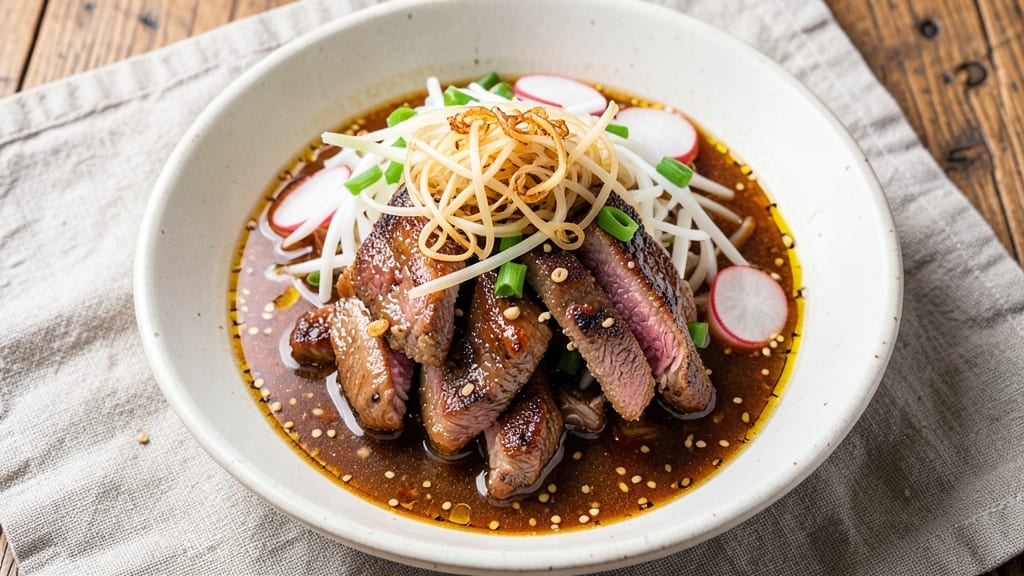
This beef bulgogi soup recipe transforms tender marinated beef into a rich, aromatic broth that balances sweet and savory notes perfectly. The secret lies in caramelizing the marinade—sugar, soy sauce, and sesame oil—to create deep, complex flavors that infuse every spoonful.
I’ve simplified the process without sacrificing authenticity, so you get restaurant-quality results at home with just a few key techniques.
The beef starts with a marinade that tenderizes while building layers of flavor—think sweet, umami, and a hint of garlic and ginger. As it simmers, the broth develops a velvety texture, rich enough to coat rice noodles and melt-in-your-mouth tofu.
What makes this soup special is how the ingredients come together: crisp vegetables hold their bite, the beef stays juicy, and the broth is deep enough to stand alone or serve as a base for a hearty meal.
By the time you’re done, you’ll have a bowl of soup that’s both comforting and elegant—warm, fragrant, and packed with texture. The caramelized edges of the beef contrast beautifully with the soft noodles and silky broth, while a sprinkle of sesame seeds adds a final touch of sophistication.
This is the kind of dish that feels like a hug on a chilly day, yet still impresses when you’re entertaining.
Pair it with steamed rice or a side of kimchi to round out the meal, and you’ve got a complete, satisfying experience. The best part? Every step is designed to build flavor gradually, so you end up with a soup that’s better than takeout—and far more rewarding to make.
Let’s get started.
Ingredients for beef bulgogi soup
Sweet caramelized beef meets silky broth and chewy noodles in this comforting bowl.
| Ingredient | Amount | Notes |
|---|---|---|
| Beef Chuck Roast 🥩 | 1 ½ lb | Cut into thin strips |
| Rice Noodles 🍜 | 8 oz | Wide or medium width |
| Soy Sauce 🍶 | ½ cup | High-quality, low-sodium |
| Brown Sugar 🍯 | ¼ cup | Packed firmly |
| Sesame Oil 🫒 | 2 tbsp | Toasted for aroma |
| Garlic Cloves 🧄 | 6 cloves | Minced finely |
| Fresh Ginger 🌿 | 2 tbsp | Grated finely |
| Green Onions 🧅 | 4 whole | White and green parts |
| Carrots 🥕 | 2 medium | Julienned into matchsticks |
| Firm Tofu 🧈 | 1 block | Cut into cubes |
| Sesame Seeds 🌰 | 1 tbsp | Toasted lightly |
| Vegetable Oil 🫒 | 2 tbsp | For high-heat searing |
| Water 💧 | 6 cups | For broth base |
| Salt 🧂 | 1 ½ tsp | Kosher or sea salt |
| Black Pepper 🌶️ | ½ tsp | Freshly ground |
The beef is where this soup shines—chuck roast gives you that tender, caramelized texture. Grab a 1.5 lb piece from the butcher section (they’ll cut it for you) or use pre-sliced bulgogi beef if you’re short on time. For extra flavor, marinate it overnight, but even 30 minutes makes a difference. Korean markets often have pre-made bulgogi marinade if you want to skip the prep. The rice noodles? Look for wide or medium-width—they hold up better to the broth than thin vermicelli.
No sesame oil? Toasted peanut oil works in a pinch—just skip the sesame seeds at the end. Brown sugar can be swapped for white sugar or honey, but brown adds that caramelized depth. The tofu is optional, but it soaks up all the broth flavor beautifully. Firm tofu holds its shape better than silken. For the carrots, baby carrots julienned work if you’re lazy—just make sure they’re thin enough to cook quickly. The broth base can be beef or vegetable, but low-sodium soy sauce is key—regular brands add too much salt.
This soup tastes even better the next day—reheats perfectly in the microwave or on the stove. Store the broth separately if you’re not using all the noodles, as they get mushy when reheated. Keeps for 4-5 days in the fridge, or freeze the broth portion for 3 months. Double the batch—it’s that good. I like to portion the noodles separately so I can customize my bowl each time.
Why You'll Love This Recipe
- One-Pot Magic: The chuck roast practically melts into tender, caramelized ribbons while you stir—no fancy searing or braising required. I throw everything in one pot, let it simmer, and by the time the noodles soften, the house smells like a Korean BBQ joint.
- Sweet-Savory Bomb: That perfect balance of soy’s umami and brown sugar’s warmth? It’s like a hug in a bowl. The sesame oil finish ties it all together—rich, nutty, and just a little addictive.
- Leftover Hero: This soup only gets better the next day. The flavors meld deeper, the noodles soak up all that beefy broth, and I’m left with a pot that feeds my family for days without extra effort.
- Budget BBQ Night: A chuck roast stretches farther than you’d think, and rice noodles cost pennies. Honestly, I’ve made this for under $10 per serving—way more impressive than takeout, and way cheaper than a steakhouse.
Step-by-step instructions for beef bulgogi soup
This hearty soup brings together tender beef, fragrant aromatics, and chewy rice noodles in a sweet-savory broth.
Marinate and Sear the Beef
In a large bowl, combine the 1.5 lb beef chuck roast cut into thin strips with 0.5 cup soy sauce, 0.25 cup brown sugar, 2 tbsp sesame oil, 6 cloves minced garlic, and 2 tbsp grated fresh ginger. Mix well until the beef is fully coated in the marinade. Let it sit for at least 15 minutes—this ensures deep flavor penetration.
Heat 2 tbsp vegetable oil in a large pot over medium-high heat. Working in batches, add the marinated beef and sear for 2-3 minutes per side until deep golden brown. The beef should release easily from the pan—this means it's ready. Remove the beef and set it aside temporarily. You'll notice the aroma filling your kitchen as the marinade caramelizes slightly during searing.
Build the Flavorful Broth
In the same pot, add 2 medium julienned carrots and sauté for 3 minutes until they begin to soften. Add 4 whole green onions, sliced into 1-inch pieces, and cook for another 2 minutes until fragrant. Pour in 6 cups water and bring to a boil. Once boiling, reduce heat to medium-low and add the seared beef back into the pot.
Simmer the beef for 45-50 minutes until it becomes fork-tender. The broth will reduce slightly and develop a rich, caramelized depth. Stir occasionally to prevent sticking, and taste the broth—it should balance sweetness from the brown sugar with the umami of the soy sauce. If needed, add a pinch of salt to enhance the flavor.
Add Tofu and Prepare Noodles
Cut the 1 block firm tofu into 1-inch cubes and add them to the simmering broth. Let them cook for 10 minutes until they absorb the flavors and become slightly warm throughout. Meanwhile, prepare the 8 oz rice noodles by soaking them in hot water for 8-10 minutes until they are soft but still slightly chewy. Drain and set aside.
Here's where the soup comes together: return the pot to a gentle simmer and add the cooked noodles. Toss them gently to coat evenly in the broth. The noodles should absorb the flavors quickly—this is the moment the soup transforms from a simple broth to a harmonious dish. If the broth seems too thick, add a splash of hot water to loosen it.
Finish and Serve
Remove the pot from heat and stir in 1 tbsp toasted sesame seeds and 0.5 tsp black pepper. The sesame seeds add a nutty crunch, while the pepper brings a subtle heat to balance the sweetness. Taste and adjust seasoning if needed—this is your chance to fine-tune the flavors to your liking.
Ladle the soup into bowls and garnish with the remaining green onions, sliced thinly. Serve immediately while the noodles are warm and the broth is steaming. Each spoonful should deliver a perfect balance of tender beef, chewy noodles, and a sweet-savory broth that's rich with layers of flavor. Enjoy with a side of steamed greens or a simple cucumber salad for a complete meal.
Pro Tips For Making Beef Bulgogi Soup
- Sear the Chuck First: Throw that beef chuck in a screaming-hot pan with a splash of oil before anything else—you’re not just browning, you’re building flavor. I used to skip this and ended up with bland broth; the Maillard reaction here is non-negotiable.
- Cut Sugar into Fat: Brown sugar clumps like a stubborn toddler, and dumping it dry into hot oil just makes a mess. Mix it with 1 tablespoon of sesame oil first—it dissolves smoothly and coats the beef evenly. Trust me, your soup won’t turn into caramelized sludge.
- Don’t Boil the Noodles: Rice noodles turn to mush faster than you can say “second serving.” Cook them in the hot broth off the heat for 1-2 minutes, stirring constantly—just until they soften. They’ll finish absorbing flavor without falling apart.
- Save the Broth: After searing the beef, deglaze that pan with a splash of soy sauce and a splash of water—scrape every last bit of fond off. That’s where half the depth comes from. I learned this the hard way when I wiped out the pan “for cleanliness” and got sad, weak soup.
Flavor customization for this beef bulgogi soup
Sweet-Savory Balance
Adjust the sugar-to-soy ratio to suit your taste—start with ½ cup soy sauce and ¼ cup brown sugar for classic bulgogi sweetness. For a deeper umami kick, swap 2 tbsp of the sugar for 1 tbsp gochujang (Korean chili paste) or 1 tbsp fish sauce.
I find adding 1 tsp honey at the end brightens the broth beautifully. 🍯
Spicy Heat Options
Add ½ tsp red pepper flakes or 1 tbsp sriracha to the broth for a subtle kick. For authentic Korean heat, stir in 1 tsp gochugaru (Korean red pepper flakes) and ½ tsp gochujang during the final simmer.
If you love fiery flavors, toss in 1-2 slices of fresh chili (like Thai bird’s eye) and remove them before serving.
Umami Boosters
Enhance the depth with 1 tbsp miso paste or 2 dried shiitake mushrooms (soaked and sliced) added to the broth. For a richer taste, deglaze the pot with 2 tbsp dry sherry after searing the beef.
I also love adding 1 tsp toasted sesame paste to the marinade for an extra nutty layer.
Vegetable Variations
Swap carrots for shredded daikon radish or thinly sliced cabbage—both add a refreshing crunch. For a heartier bowl, include ½ cup sliced shiitake mushrooms or 1 cup baby spinach (added in the last 2 minutes of cooking).
If you prefer texture, add ½ cup cooked soba noodles for a fusion twist.
Protein Swaps
Replace beef with thinly sliced pork shoulder (marinate with 1 tbsp apple cider vinegar) or chicken thighs (use 1 tbsp honey in the marinade). For a vegetarian option, use extra-firm tofu marinated in 1 tbsp soy sauce + 1 tsp grated ginger and pan-fried until crispy. 🌱
Broth Depth Adjustments
For a lighter broth, reduce water to 4 cups and add 2 cups beef or vegetable stock. For extra richness, simmer 1 tbsp butter or 1 tsp sesame oil into the finished broth.
If you love creamy soups, stir in ¼ cup coconut milk at the end—it pairs surprisingly well with the caramelized beef.
Nutrition facts
Frequently asked questions
Can I use pre-made bulgogi beef for this soup?
Pre-made bulgogi beef saves time while keeping the authentic flavor. Just sear it in 2 tbsp vegetable oil for 2-3 minutes per side until caramelized, then proceed with the broth. The marinade will still infuse the soup beautifully. For extra richness, add 1 tbsp toasted sesame paste to the broth while simmering.
How do I prevent the rice noodles from getting mushy?
Soak the noodles in hot water for only 8-10 minutes—they should be soft but still hold shape when drained. Add them to the broth just before serving, or cook them separately and toss in the last 2 minutes of simmering. For extra texture, use half cooked/half raw noodles in each bowl.
What's the secret to making the broth extra flavorful?
Caramelize the marinade by searing the beef until golden brown first—this builds deep, complex flavors. For extra depth, deglaze the pot with 2 tbsp dry sherry after searing, or add 1 tbsp miso paste and 2 dried shiitake mushrooms to the broth. Simmering the beef for 45-50 minutes ensures maximum flavor extraction.
Can I make this soup spicier?
Yes! Add ½ tsp red pepper flakes or 1 tbsp gochujang (Korean chili paste) to the broth while simmering. For authentic heat, stir in 1 tsp gochugaru (Korean red pepper flakes) during the final 5 minutes. Remove any whole chili slices before serving if you prefer a milder heat with visible spice.
How long will the leftovers keep?
The soup tastes even better the next day! Store it in an airtight container in the fridge for up to 4-5 days. Reheat gently on the stove, adding a splash of water if the broth thickens. For longer storage, freeze the broth portion separately for up to 3 months—it reheats beautifully while keeping the noodles fresh.