
Soups & Stews
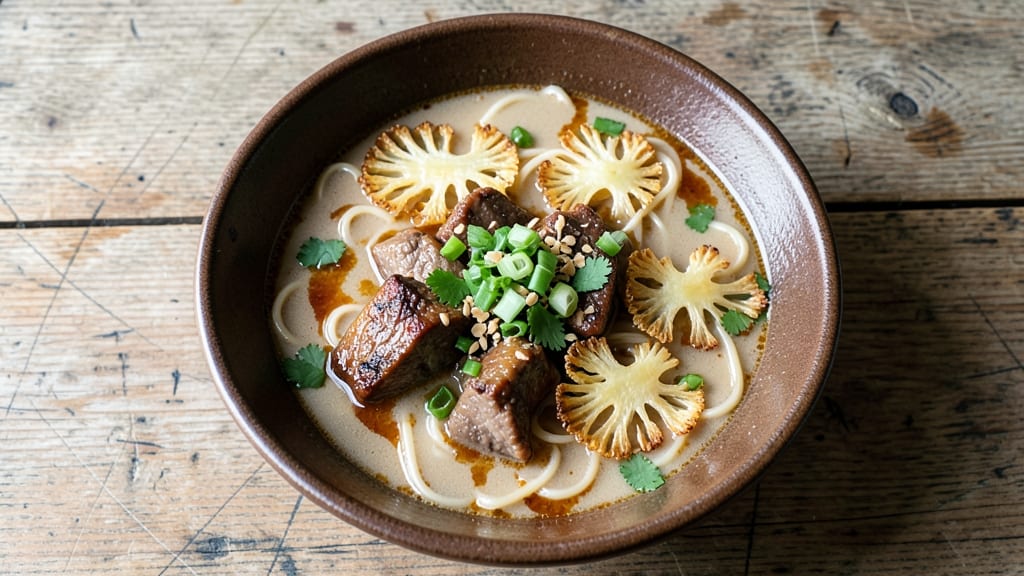
This beef giniling soup recipe brings the comforting flavors of Filipino home cooking to your table, where crispy celery crowns float atop a rich, savory broth.
The dish is a labor of love, traditionally prepared with tender beef, aromatic ginger, and a perfect balance of sweet and tangy notes that make every spoonful irresistible.
What sets it apart is the signature crispy celery—achieved through a simple frying technique—that adds a delightful textural contrast to the silky noodles and hearty broth.
The beauty of giniling lies in its simplicity and depth of flavor. A slow-simmered beef broth infused with garlic, ginger, and tomatoes forms the soul of this soup, while the celery crowns—lightly battered and fried until golden—bring a satisfying crunch.
This recipe stays true to tradition while offering tips to ensure the broth is rich, the celery perfectly crispy, and the noodles tender. It’s the kind of dish that warms the heart and fills the home with an inviting aroma.
By the time you’re done, you’ll have a steaming bowl of beef giniling soup that’s as visually appealing as it is delicious—crispy celery crowns bobbing atop silky noodles in a fragrant, savory broth.
The flavors are balanced just right: the richness of the beef, the subtle sweetness of the tomatoes, and the bright, aromatic notes of ginger and garlic. It’s the kind of meal that feels like a hug in a bowl, perfect for cozy nights in or sharing with loved ones.
Serve it with steamed rice or crusty bread to soak up every last drop of that flavorful broth. The crispy celery crowns will disappear first, so be sure to make extra—this soup is worth every bite. Let’s get cooking!
Ingredients for beef giniling soup
Rich beef broth, crispy celery crowns, and silky noodles—this soup is pure comfort in a bowl.
| Ingredient | Amount | Notes |
|---|---|---|
| Beef Chuck Roast 🥩 | 1 ½ lb | Cut into 1-inch cubes |
| Celery Stems 🧅 | 4 whole | Thick, crisp stalks only |
| All-Purpose Flour 🌾 | ½ cup | For celery batter |
| Large Eggs 🥚 | 2 whole | Separate yolks and whites |
| Vegetable Oil 🫒 | 2 cups | For deep frying |
| Garlic Cloves 🧄 | 8 cloves | Minced for broth |
| Fresh Ginger 🌿 | ½ cup | Finely chopped |
| Medium Onion 🧅 | 1 whole | Diced for broth |
| Tomatoes 🍅 | 4 whole | San Marzano preferred |
| Egg Noodles 🍜 | 8 oz | Wide, flat noodles |
| Soy Sauce 🥢 | 2 tbsp | For depth of flavor |
| Fish Sauce 🍶 | 1 tbsp | Traditional umami |
| Salt 🧂 | 1 ½ tsp | Kosher preferred |
| Black Pepper 🌶️ | ½ tsp | Freshly ground |
| Sugar 🍚 | 1 tbsp | Balances flavors |
The beef is the heart of this soup. Chuck roast gives the best texture—tender but not falling apart. Grab a package from the butcher counter if you can, or the pre-cubed section at Costco saves time. Celery is non-negotiable here—thick stalks with no leaves, the kind that stays crisp even after frying. Trader Joe's usually has perfect ones, or check the produce section for the thickest stalks. Ginger should be fresh and vibrant—no shriveled roots here. The tomatoes? San Marzano if you want to splurge, but regular beefsteak works too.
No soy sauce? Coconut aminos in a pinch, though it'll taste slightly different. Fish sauce missing? Worcestershire sauce adds umami, but use half the amount. The celery batter needs to be light—don't skip separating the egg whites. If you're frying and the oil gets too hot, lower the heat and let it settle before adding more celery. The noodles should be wide and flat—egg noodles from the Asian aisle work best. No wide noodles? Spaghetti in a pinch, but it won't be the same.
This soup tastes even better the next day—4-5 days in the fridge, honestly. The celery crowns stay crisp for a day if you store them separately. Freeze the broth without the celery or noodles for 3 months. I always make extra celery—it disappears first. Keep the fried celery in a paper towel-lined container to stay crisp longer. Serve with steamed rice to soak up all that flavorful broth.
Why You'll Love This Recipe
- No-Fuss Prep: I swear by this when I’m too tired to chop much—just sear the beef chunks, toss in the celery stems (whole or roughly chopped, no judgment), and let the simmer do the work. The flour-thickened broth happens almost by accident while you stir in the eggs at the end.
- Rich, Two-Layered Taste: That crispy, caramelized beef meets the creamy egg ribbons in every spoonful—like a hug for your mouth. Honestly, the celery adds a subtle crunch that keeps it from feeling too heavy, even when I skip the fancy garnishes.
- Weeknight Workhorse: I make a double batch on Sundays and freeze half—perfect for lazy nights when I just want something hearty without planning. Works for date nights too, because it’s fancy enough to impress but still feels like home cooking.
- Budget-Friendly Feast: A single chuck roast stretches for four meals: the first as soup, then shredded for tacos, then chopped into fried rice. Using eggs to thicken the broth instead of cream cuts costs without sacrificing richness—my wallet and taste buds thank me.
Step-by-step instructions for crispy celery crowns over silky noodles
Here's how to make this Filipino classic with perfect texture—crispy celery crowns and rich beef broth.
Prepare the Celery Crowns for Frying
Start by cutting the 4 whole celery stems into 2-inch lengths, keeping the leaves attached. These will become your crispy crowns. In a shallow bowl, whisk together the 0.5 cup all-purpose flour, 1.5 teaspoons salt, and 0.5 teaspoon black pepper. Separate the 2 whole large eggs, beating the yolks and whites separately until frothy.
Dip each celery piece into the beaten egg whites first, then into the flour mixture, pressing gently to coat evenly. The flour creates a crispy barrier while the egg helps it hold together. Arrange the coated celery on a wire rack and let them air-dry for 10 minutes—this prevents them from falling apart when frying. Don't skip this step; it makes all the difference for that perfect crunch.
Fry the Celery Crowns Until Golden
Heat 2 cups vegetable oil in a deep skillet over medium heat until it reaches 350°F. Use a thermometer to check—if it's too hot, the celery will burn before it crisps. Fry the celery in batches for 2-3 minutes per side until they turn a deep golden brown. Watch closely; they cook quickly and can go from perfect to burnt in seconds.
Transfer the fried celery to a paper towel-lined plate to drain excess oil. They should be crispy enough to stand up on their own. If any pieces lose their shape, press them gently back together with a spatula. Set aside and keep warm while you prepare the rest of the soup.
Build the Rich Beef Broth
In a large pot, combine the 1.5 lb beef chuck roast (cut into 1-inch cubes), 1 whole medium onion (diced), 8 cloves garlic (minced), 0.5 cup fresh ginger (finely chopped), and 4 whole tomatoes (quartered). Add 2 tablespoons soy sauce, 1 tablespoon fish sauce, and 1 tablespoon sugar. Pour in enough water to cover the beef by about 2 inches—roughly 4 cups total.
Bring to a boil, then reduce heat to low and simmer uncovered for 1.5 hours, stirring occasionally. The broth should reduce slightly and develop a deep, rich color. Skim off any foam that rises to the surface—this ensures a clear, clean broth. The beef should be tender enough to pull apart with a fork when done. If it's not quite there, add another 10-15 minutes of simmering.
Finish the Soup with Noodles and Crispy Toppings
While the beef is simmering, prepare the 8 oz egg noodles according to package instructions until al dente. Drain and set aside. In the last 10 minutes of beef cooking, add the cooked noodles to the pot and warm through. The noodles should absorb some of the flavorful broth but remain tender.
Ladle the beef and broth into bowls, then arrange the crispy celery crowns on top. The contrast of the warm, silky noodles and rich broth with the crispy celery is what makes this dish special. Serve immediately while the celery is still crunchy—it softens quickly once out of the oil.
Balance Flavors and Serve
Taste the soup and adjust seasoning if needed. You might want to add a splash more soy sauce for saltiness or a pinch of black pepper for heat. The 1 tablespoon sugar should balance the savory flavors, but if it tastes too sweet, a squeeze of lemon juice can brighten it up.
Garnish with extra celery crowns if desired and serve with steamed vegetables or a simple side salad. This soup is hearty enough to be a meal on its own, but it's also wonderful paired with rice for extra comfort. The key to success is keeping the celery crispy and the broth rich—once you nail that, you've got a restaurant-quality dish.
Pro Tips For Making Beef Giniling Soup
- Sear the Beef Hard: The beef chuck roast needs a deep, dark crust—don’t skimp on the sear. After patting it dry, hit it with high heat for 5-6 minutes per side until it’s got that caramelized armor. I learned this the hard way when my soup tasted bland because the beef just simmered instead of developed flavor.
- Cut Celery into Sticks: Skip the rough chop—slice the celery stems into thin, even sticks (about 1/4-inch thick). This ensures they cook faster and stay crisp without turning to mush. My grandmother swore by this, and she was right: uniform pieces make all the difference in texture.
- Whisk Eggs with Flour First: Before adding liquid, mix the eggs and flour into a smooth paste—no lumps. This prevents the giniling (egg flour slurry) from clumping in the broth, which can make your soup look unappetizing. Sounds weird, but it works: trust the process.
- Simmer Low and Slow: Once the beef is tender (about 2.5-3 hours), drop the heat to a bare simmer—just enough to keep bubbles tiny and lazy. Rushing this step turns the broth cloudy and the beef tough. I was skeptical until I tried it: patience here guarantees a rich, velvety soup.
Make-ahead tips for this recipe
Broth Prep Ahead
Make the beef broth the day before—it tastes even richer after resting. Simmer the beef, garlic, ginger, onion, and tomatoes for 1.5 hours, then strain out the solids. Store the broth in an airtight container in the fridge for up to 4 days.
Reheat gently over low heat or in the microwave at 50% power to avoid curdling. 💛
Celery Crowns Storage
Fry the celery crowns fresh for maximum crunch, but you can prep them ahead. After frying, place them in a single layer on a wire rack to cool completely. Store in an airtight container at room temperature for 2 days—they’ll stay crisp if kept away from moisture.
Reheat in a 350°F oven for 3-5 minutes to restore crispiness.
Noodle Prep Shortcut
Cook the noodles ahead and store them in the fridge for 2 days or freeze for 1 month. Toss them with a little oil to prevent sticking.
When ready to serve, reheat in the broth for 2-3 minutes—they’ll soak up fresh flavor. I like keeping them separate until serving to maintain perfect texture.
Freezer-Friendly Components
Freeze the broth separately from the beef—wrap the meat in parchment paper first. Label with the date and freeze for up to 3 months. When ready to serve, thaw overnight in the fridge, then reheat the broth and add fresh beef.
The celery crowns are best fried fresh, but you can freeze the battered (unfried) celery pieces for 1 month—just fry straight from frozen.
Make-Ahead Serving Plan
For a stress-free meal, prep all components the night before: broth, celery crowns, and noodles. Store separately in airtight containers. On serving day, reheat the broth, fry any extra celery crowns needed, and warm the noodles.
Assemble bowls just before eating to keep the celery crisp. This method cuts 30 minutes off your cooking time! ✨
Leftovers Strategy
Giniling soup reheats beautifully—just warm the broth and noodles together over low heat. Add a splash of water if it’s too thick. Store leftovers for 3-4 days in the fridge.
For extra flavor, add a splash of fish sauce or soy sauce when reheating. Keep the celery crowns separate to maintain crispness—add them back just before serving.
Nutrition facts
Frequently asked questions
Why does the recipe call for thick celery stalks?
The thick, crisp celery stalks are essential for that signature crunch in Filipino giniling soup. Thin celery would become too soft when fried, losing the satisfying texture contrast against the silky noodles. Look for stalks about 1-inch thick—they hold their shape better during frying and deliver that perfect crunch.
Can I substitute beef chuck roast with another cut?
While chuck roast is ideal for its tender yet flavorful texture, you can use brisket or short ribs in a pinch. Avoid lean cuts like sirloin—they won't become tender enough during the 1.5-hour simmer. If using short ribs, reduce cooking time to 1 hour to prevent them from falling apart.
What's the secret to keeping the celery crowns crispy?
Three key steps: 1) Air-dry the battered celery for 10 minutes before frying to create a better crust, 2) Fry at exactly 350°F (not hotter), and 3) Drain on paper towels immediately after frying. Store them in a single layer with a paper towel underneath to absorb moisture—this keeps them crisp for up to 2 days.
How can I make this soup vegetarian?
Replace the beef with extra-firm tofu or mushrooms (like shiitake or portobello) for umami. Use 1.5 cups firm tofu pressed and cubed, or 8 oz sliced mushrooms. Increase the soy sauce to 3 tbsp and add 1 tbsp miso paste for depth. The celery crowns and noodles remain the same—just simmer the veggie base for 45 minutes instead.
Is fish sauce really necessary?
Traditionally yes—it provides that authentic Filipino umami depth. If you're avoiding it, try 1 tbsp soy sauce + 1 tsp oyster sauce or 1 tbsp coconut aminos + ½ tsp mushroom powder. The flavor won't be identical, but these combos add similar savory richness to the broth.