
Soups & Stews
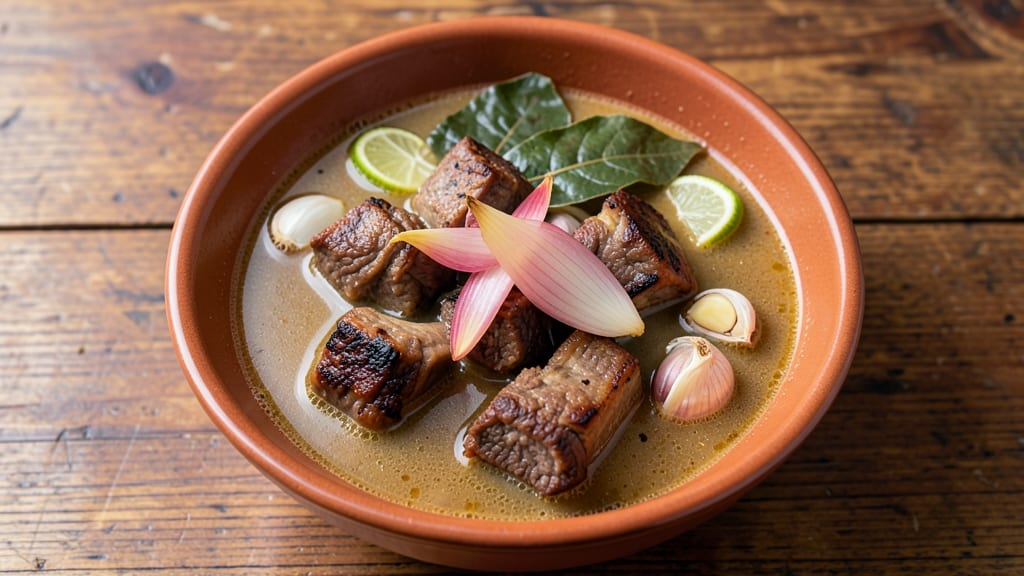
This beef nilaga soup recipe transforms tough cuts of beef into melt-in-your-mouth tenderness through slow simmering—a Filipino comfort classic that warms the soul. The secret lies in layering aromatics like bay leaves and ginger with hearty vegetables, creating a fragrant broth that absorbs every ounce of beef flavor over hours.
What starts as a simple pot of ingredients becomes a deeply satisfying meal that feels like home, especially on chilly evenings or when you crave that familiar, hearty taste.
The beauty of nilaga is its simplicity—just a few quality ingredients working together to create something extraordinary. You'll begin with beef bones or chunks that release collagen into the broth, while vegetables like potatoes, carrots, and cabbage soften perfectly.
The herbs, particularly the bay leaves and lemongrass, infuse the broth with a subtle, aromatic depth that elevates the dish beyond basic beef soup. This method ensures the meat stays tender while the broth remains rich and flavorful, making it a dish that’s both nourishing and deeply comforting.
By the time you finish simmering, you’ll have a steaming pot of soup where every spoonful delivers tender beef, perfectly cooked vegetables, and a broth so flavorful it tastes like it’s been simmering for hours.
The aroma alone will have everyone gathered around the table, and the first bite will confirm why nilaga is a staple in Filipino homes—it’s the kind of meal that feels like a hug in a bowl.
Serve it with steamed rice to soak up every last drop of that savory broth, and you’ve got a complete, satisfying dinner.
This recipe isn’t just about the food; it’s about the tradition, the warmth, and the effortless comfort of a meal that brings people together.
Whether you’re making it for a family gathering or a cozy night in, the slow-simmered tenderness of the beef and the aromatic broth will make it a dish you’ll return to again and again. Let’s get started on creating this timeless Filipino comfort food.
Ingredients for beef nilaga soup
Simple ingredients that transform into a soul-warming Filipino comfort classic.
| Ingredient | Amount | Notes |
|---|---|---|
| Beef Chunks 🥩 | 2 lb | Bone-in for flavor, cut into 2-inch pieces |
| Beef Bones 🦴 | 1 ½ lb | For rich broth, any size |
| Yellow Onion 🧅 | 1 whole | Quartered, skin on for color |
| Garlic Cloves 🧄 | 6 cloves | Smashed for deeper flavor |
| Fresh Ginger 🌿 | 1 inch | Thinly sliced, peeled |
| Bay Leaves 🍃 | 2 whole | For aromatic depth |
| Lemongrass 🌿 | 1 stalk | Bruised, cut into 2-inch pieces |
| Potatoes 🥔 | 2 medium | Russet, cut into chunks |
| Carrots 🥕 | 4 medium | Whole, peeled |
| Green Cabbage 🧅 | ½ head | Cut into wedges |
| Tomatoes 🍅 | 4 medium | Roma or vine-ripened |
| Salt 🧂 | 1 ½ tsp | Kosher or sea salt |
| Black Peppercorns 🌶️ | ½ tsp | Crushed, not ground |
| Fish Sauce 🍶 | 1 tbsp | For umami depth |
| Water 💧 | 8 cups | Enough to cover ingredients |
The beef is the heart of nilaga, so don't skimp. Bone-in cuts and bones give you that signature rich broth—look for chuck roast or oxtail at Filipino markets or the butcher counter. If you can't find bone-in beef, beef shank works too. The aromatics—garlic, ginger, bay leaves, and lemongrass—are non-negotiable. Filipino grocery stores often carry lemongrass in the frozen section, but fresh is better if you can find it. For ginger, organic with skin on is ideal—just peel before using. The potatoes and carrots should be firm, not waxy, so they hold up during the long simmer.
No lemongrass? Substitute with 1 tsp lemongrass paste or extra ginger. No fish sauce? Soy sauce or Worcestershire works in a pinch, but the umami won't be quite the same. For tomatoes, Roma or vine-ripened are best—they hold up better than beefsteak varieties. The cabbage can be green or red, but green is traditional. If you're short on time, pre-cut frozen veggies work, but fresh is always better. The fish sauce adds that signature Filipino flavor—Red Boat or Tiparos brands are top-tier, but any good-quality fish sauce will do.
This soup tastes even better the next day, so make extra. Store leftovers in the fridge for 4-5 days or freeze for 3 months. The broth thickens as it cools, so add a splash of water when reheating. For serving, keep the broth hot and the rice steaming—everyone should have their own bowl. The meat and veggies reheat beautifully, so this is a great make-ahead meal for busy nights. If you're serving a crowd, double the recipe—nilaga is always welcome.
Why You'll Love This Recipe
- One-Pot Magic: The beef bones and chunks simmer together—no extra pots, no mess. Just toss everything in, let it bubble, and walk away while the flavors meld into something rich and effortless.
- Ginger-Garlic Bomb: That fresh ginger and crushed garlic? They turn this soup into a flavor explosion—warm, aromatic, and just spicy enough to wake up your taste buds without overpowering.
- Leftovers That Shine: The broth gets better the next day, and the beef stays tender. I’ll be real: my freezer’s always stocked with nilaga because reheating it is just as good as the first bite—sometimes even better.
- Budget Feast for Crowds: Beef bones stretch into gallons of broth, and chunks feed a whole family for pennies. Honestly, it’s the kind of meal where everyone leaves happy, and your wallet stays happy too.
Step-by-step instructions for beef nilaga soup
Here's how to create this hearty Filipino comfort dish with melt-in-your-mouth beef and fragrant herbs.
Prepare the Beef and Broth Base
In a large pot, combine the 2 lb beef chunks and 1.5 lb beef bones. Add the quartered yellow onion with skin on, smashed garlic cloves, sliced ginger, bay leaves, bruised lemongrass, and 8 cups water. Bring to a boil over high heat, then immediately reduce to a gentle simmer. You'll see the water turn cloudy as the meat releases impurities - this is normal and should take about 10 minutes.
Once boiling, skim off any foam that rises to the surface using a fine-mesh skimmer or ladle. This creates a cleaner broth. Let the mixture simmer uncovered for 1 hour, stirring occasionally. The beef should be tender when pierced with a fork, and the broth will develop a rich, golden color from the caramelizing aromatics.
Add Vegetables for Perfect Texture
After the initial hour, add the whole peeled carrots and potato chunks to the pot. These heartier vegetables need time to soften properly. Return to a gentle simmer and cook for another 30 minutes. You'll notice the broth will reduce slightly as it absorbs the flavors from the meat and aromatics, creating a more concentrated taste.
Here's the thing - don't rush this step. The vegetables should cook until they're fork-tender but still hold their shape. If you see the broth getting too thin, you can carefully pour off about 1 cup of broth to maintain proper consistency. The vegetables should be just tender enough to pierce easily with a fork but not falling apart.
Finish with Tomatoes and Seasonings
Add the green cabbage wedges and Roma tomatoes to the pot. The cabbage should cook for about 15 minutes until just tender - it should still have some bite. Stir in the crushed black peppercorns and 1.5 tsp salt, then taste the broth. The fish sauce adds that signature umami depth, so add it gradually - start with 1 teaspoon and adjust to taste. You're aiming for a balance of savory, slightly sweet, and tangy flavors.
Simmer for an additional 10 minutes, allowing all the ingredients to meld together. The tomatoes should break down slightly, releasing their juices into the broth. The cabbage should be bright green and just tender enough to eat without being mushy. This is where the soup comes together - all the flavors harmonizing in perfect balance.
Adjust Consistency and Serve Warm
Taste the soup one final time and adjust the seasoning if needed. If the broth is too thin, you can remove the beef and vegetables, reduce the broth by about 25% over medium-high heat, then return everything to the pot. For a thicker soup, you can mash some of the potatoes slightly to help thicken the broth naturally.
Serve the beef nilaga immediately in deep bowls, making sure each serving has a generous portion of beef, vegetables, and broth. The soup should be piping hot - the steam rising from the bowl will carry those wonderful aromas to your guests. This comforting dish is best enjoyed fresh from the stove, with warm rice on the side to soak up every last drop of that flavorful broth.
Pro Tips For Making Beef Nilaga Soup
- Char the Bones First: I learned this the hard way—skipping the char step means bland broth. Sear the beef bones in a dry pot until they darken slightly (about 5-7 minutes), then add water. The Maillard reaction unlocks deeper flavor, and your nilaga won’t taste like boiled beef.
- Slice Ginger Thin: Thick ginger chunks sit like rocks in your soup. Use a mandoline or sharp knife to slice it paper-thin—this way, it infuses the broth evenly without overpowering. (Yes, even if you’re impatient like me.)
- Simmer Low and Long: Nilaga isn’t a quick fix—it’s a labor of love. After the initial boil, drop the heat to the lowest setting possible and let it bubble gently for at least 2 hours. The longer it simmers, the richer the collagen turns into gelatin, making your soup thick and velvety.
- Use Onion Peels Too: Toss the onion peels into the pot with the bones—they’re packed with flavor and add color without extra effort. (Your future self will thank you.) Just strain them out before serving if you’re feeling fancy.
Essential equipment for perfect results
Large Stock Pot
Nilaga demands a large, heavy-bottomed stock pot—at least 8-quart capacity—to accommodate all ingredients while allowing room for simmering. I use a Le Creuset Dutch oven (5.5-quart) for smaller batches, but a 6-quart All-Clad stainless steel pot is my go-to for standard servings.
The deep sides prevent spills when skimming foam, and the heavy base ensures even heat distribution. 🔥
Fine-Mesh Skimmer
A fine-mesh skimmer (like the OXO Good Grips) is essential for removing impurities during the initial boil. I skim for 10-15 minutes to clarify the broth before adding vegetables. Without it, the soup risks cloudiness or off-flavors.
Pro tip: Use a ladle with a strainer if you don’t own a skimmer—just pour the broth through a colander into a clean pot.
Immersion Blender
For a creamy texture without overcooking, blend the broth directly in the pot using an immersion blender (I love the Ninja BN601). Pulse for 10-15 seconds after removing the beef and bones—this emulsifies the collagen into a silky consistency.
Skip this step for traditionalists, but it’s a game-changer for modern palates. 💫
Instant-Read Thermometer
Monitoring the broth temperature (aim for 185–200°F) ensures tender beef without overcooking. A Thermoworks ThermoPop lets me check internal temps of the beef chunks—160°F for medium-rare or 170°F for well-done.
This prevents dry meat while keeping the broth rich. No thermometer? Use the fork test: beef should pierce easily but still hold shape.
Steam Basket
To keep vegetables intact, I use a stainless steel steam basket (like the Farberware) for the cabbage and tomatoes in the final 15 minutes. This preserves their texture while they absorb broth flavors. Alternatively, nestle them in a heatproof colander lined with cheesecloth for a DIY solution. 🌿
Fish Sauce Dispenser
A small squeeze bottle (or even a clean medicine dropper) makes dosing fish sauce precise. I add it gradually—start with ½ tsp, taste, then adjust—since it’s potent. Brands like Red Boat or Tiparos have consistent quality, but a glass dropper ensures you don’t overshoot.
Trust me, you’ll thank yourself when the broth hits that perfect umami balance. 🍶
Nutrition facts
Frequently asked questions about beef nilaga soup
Can I use chicken or pork instead of beef?
While beef is traditional, you can absolutely use chicken thighs or pork shoulder for a different flavor profile. For chicken, increase simmering time to 45-60 minutes for tender meat. Pork works well too, but reduce fish sauce to ½ tablespoon—pork has its own natural richness. The broth will have a lighter color but still pack plenty of flavor.
Why does my nilaga broth turn cloudy?
Cloudiness usually means unskimmed impurities or undercooked aromatics. Always skim foam during the initial 10-minute boil—this removes blood and fat. If it's still cloudy, simmer uncovered for 10 extra minutes—the heat will help clarify. For a crystal-clear broth, strain through a fine-mesh sieve before serving (just return the solids to the pot).
Can I make nilaga in an Instant Pot?
Yes! Sauté aromatics (onion, garlic, ginger) for 3 minutes, then add all ingredients and pressure cook for 40 minutes on high. Natural release for 10 minutes before opening. The Instant Pot cuts cooking time by half while keeping the meat tender. Just add vegetables in the last 15 minutes of cooking to avoid mushiness.
What's the best way to store leftovers?
Store in airtight containers for 4-5 days in the fridge or 3 months in the freezer. The broth thickens when cold, so add ¼ cup water when reheating. For freezer storage, cool completely first—hot soup creates ice crystals. Reheat gently on the stove (never microwave) to preserve texture.
Is nilaga soup healthy?
It's packed with protein from beef, fiber from vegetables, and collagen-rich broth that supports joints. The slow cooking process makes nutrients more bioavailable. Just watch sodium—reduce salt to 1 tsp and use low-sodium fish sauce. For extra nutrition, add spinach in the last 5 minutes** of cooking.