
Soups & Stews
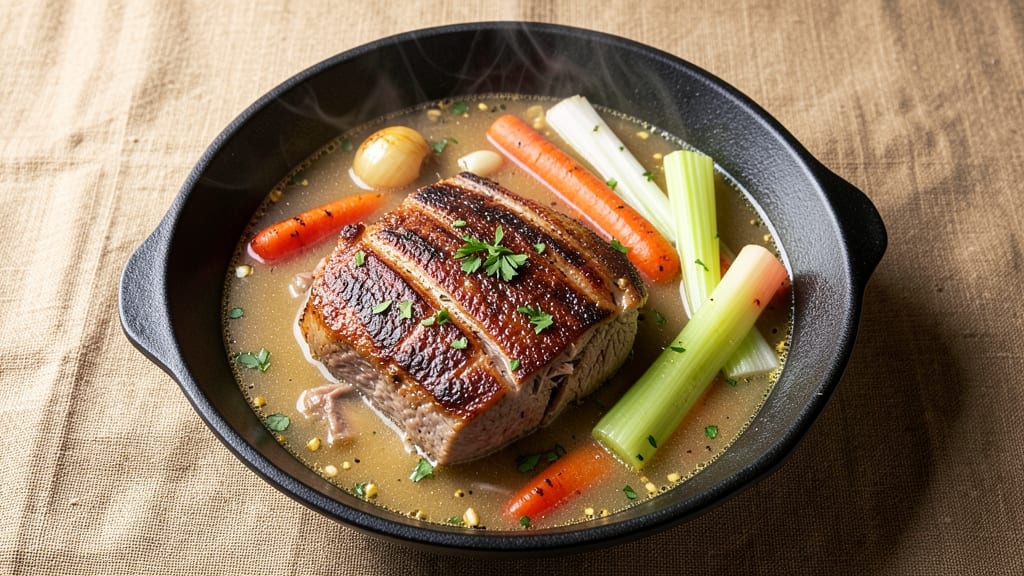
This healthy beef soup recipe transforms classic comfort into a lightened-up, protein-packed meal that warms without weighing you down. The secret lies in lean beef, low-sodium broth, and a rainbow of vegetables that turn a simple pot of soup into a nutritional powerhouse.
I developed this version after realizing most beef soups rely on heavy cream or excessive salt—this one delivers hearty flavor without the guilt.
What sets this recipe apart is the balance: tender chunks of beef, fiber-rich vegetables, and a broth that's rich without being heavy. Using pressure cooking cuts prep time while preserving nutrients, and the optional whole-grain addition (like barley or quinoa) turns it into a satisfying, balanced meal.
The best part? Every ingredient works together to create a soup that's as good for you as it is delicious.
By the time you're done, you'll have a steaming bowl of soup with lean protein, vibrant vegetables, and a depth of flavor that comes from slow-cooked aromatics and herbs—not from excess fat or salt.
The texture is perfect: fork-tender beef, al dente vegetables, and a broth that's rich enough to sip but light enough to enjoy without heaviness.
This recipe works as a standalone meal or pairs beautifully with a side salad for extra freshness. The beauty of this version is its flexibility—swap vegetables based on what's seasonal, adjust the protein to your preference, and make it your own while keeping it health-focused. Let's make this nourishing soup.
Ingredients for beef soup recipe healthy
Lean beef, vibrant vegetables, and aromatic herbs create a nourishing bowl of healthy beef soup.
| Ingredient | Amount | Notes |
|---|---|---|
| Lean Beef Chuck Roast 🥩 | 1 lb | Trimmed of visible fat |
| Low-Sodium Beef Broth 💧 | 4 cups | Homemade or high-quality store-bought |
| Carrots 🥕 | 3 medium | Peeled and cut into chunks |
| Celery Stalks 🧅 | 3 whole | Trimmed and cut into pieces |
| Yellow Onion 🧅 | 1 medium | Peeled and quartered |
| Garlic Cloves 🧄 | 4 cloves | Peeled and smashed |
| Tomatoes 🍅 | 2 medium | Diced, ripe but firm |
| Whole-Grain Barley 🌾 | ½ cup | Rinsed before cooking |
| Fresh Parsley 🌿 | ¼ cup | Chopped for garnish |
| Fresh Thyme 🌿 | 1 tbsp | Leaves only, no stems |
| Fresh Bay Leaves 🌿 | 2 whole | Removed before serving |
| Olive Oil 🫒 | 1 tbsp | Extra-virgin for richness |
| Salt 🧂 | ½ tsp | Kosher or sea salt |
| Black Peppercorns 🌶️ | ½ tsp | Freshly cracked |
The beef is everything here—lean chuck roast gives you the perfect balance of tenderness and protein without excess fat. Costco or Whole Foods carry excellent options, but any well-marbled chuck roast works. Trim any visible fat before cooking to keep this dish light. For the broth, low-sodium is non-negotiable—homemade is ideal, but Pacific Foods or Imagine brands are solid store-bought choices. The vegetables? Fresh is best, but frozen carrots and celery work in a pinch if you're short on time. Just make sure they're cut evenly so everything cooks at the same rate.
No fresh thyme? Dried works at one-third the amount, but it won't have that same bright flavor. Short on barley? Quinoa or brown rice are great swaps—just adjust cooking time. The tomatoes can be canned if fresh aren't available, but San Marzano is the gold standard for canned. For the onions, yellow or red both work, but yellow has a slightly sweeter flavor that pairs well with beef. If you're using frozen veggies, thaw and drain them first—no one wants soggy soup. The garlic? Fresh is non-negotiable here—powdered just won't cut it for the depth of flavor.
This soup tastes even better the next day as flavors meld. Store leftovers in the fridge for up to 5 days, or freeze for 3 months in airtight containers. I like to portion it into individual containers so I can grab and heat a single serving. The barley keeps well too—cook it separately and add it back in when reheating. For extra freshness, always add the parsley and a splash of broth just before serving. The bay leaves? Remove them before serving—no one wants to bite into one!
Why You'll Love This Recipe
- No Chopping Chaos: I swear by the "mirepoix shortcut": just buy pre-cut celery and carrots, dice the onion in 10 seconds with a knife block, and boom—you’re done. That beef chuck roast? Toss it in whole, and it practically melts into tender shreds while you sip your coffee.
- Rich Without the Guilt: Here’s what sold me—low-sodium broth plus a splash of apple cider vinegar for depth. The carrots and celery sweeten as they simmer, while the beef chuck delivers that deep, savory punch. It’s the kind of soup where you finish your bowl and still feel like you ate something good for you.
- Leftovers That Don’t Lie: Between us, this soup only gets better after day two. The flavors meld into this cozy, hearty goodness that turns into my lunch for three days. Freeze half for when you’re too tired to cook, and thaw it straight into a pan—no defrosting drama.
- Budget Beef Magic: A single chuck roast stretches to feed four (or five if you’re feeding teenagers). Pair it with a bag of frozen carrots and a head of celery from the back of the fridge, and you’ve got a meal that costs less than takeout but tastes like you slaved over it. Honestly, it’s my secret weapon for stretching a paycheck.
Step-by-step instructions for lightened-up beef soup
Here's how to create a hearty yet healthy beef soup packed with protein and flavor.
Sear the Beef for Deep Flavor
Heat a large Dutch oven over medium-high heat. Add the 1 tablespoon olive oil and let it warm for 30 seconds until shimmering. Pat the 1 lb lean beef chuck roast dry with paper towels—this ensures a good sear. Place the beef in the pot and brown it on all sides, about 5 minutes total. You're looking for a deep golden crust, not blackened spots.
Once the beef is well-browned, remove it from the pot and set it aside. This searing step develops rich flavors that will infuse your broth throughout the cooking process. Don't skip it—it's what transforms basic broth into something extraordinary.
Build the Aromatic Vegetable Base
In the same Dutch oven, add the 1 medium yellow onion (quartered), 3 whole celery stalks (cut into pieces), and 3 medium carrots (cut into chunks). Cook for 5 minutes, stirring occasionally, until the vegetables soften slightly and release their natural juices. This pre-cooking step prevents them from turning to mush later.
Add the 4 cloves garlic cloves (peeled and smashed), 1 tablespoon fresh thyme, and 2 whole fresh bay leaves. Stir everything together and cook for another 1 minute until the garlic becomes fragrant. This aromatic base forms the flavor foundation of your soup.
Simmer the Beef and Vegetables
Pour in the 4 cups low-sodium beef broth and bring the mixture to a gentle boil. Return the beef to the pot, along with the 2 medium tomatoes (diced). Reduce heat to medium-low and let it simmer uncovered for 45 minutes. This initial simmering time allows the beef to become tender while the vegetables soften.
After 45 minutes, use tongs to remove the beef from the pot and set it aside. You'll shred it later, but first, we need to cook the barley separately to prevent it from becoming mushy in the soup.
Cook the Barley Separately
In a separate saucepan, combine the 0.5 cup whole-grain barley with 2 cups water (or enough to cover by about 1 inch). Bring to a boil, then reduce heat to low, cover, and simmer for 20 minutes. The barley should be tender but still hold its shape—it should be al dente, not falling apart.
Drain any excess water and set the cooked barley aside. This separate cooking method ensures your barley maintains its texture rather than turning to mush in the soup. The barley adds wonderful chewiness and a nutty flavor that complements the beef perfectly.
Finish the Soup and Season
Return the beef to the Dutch oven and shred it using two forks, removing any large pieces of fat or connective tissue. Stir in the cooked barley and simmer the entire soup for another 15 minutes to allow all the flavors to meld together. The soup should be thick enough to coat the back of a spoon but still have a pleasant broth consistency.
Season with the 0.5 teaspoon salt and 0.5 teaspoon black peppercorns (freshly cracked). Taste and adjust the seasoning if needed—remember, we're keeping this healthy by using low-sodium broth, so you might need to add a bit more salt than usual. Remove the 2 whole fresh bay leaves before serving.
Garnish and Serve Warm
Ladle the soup into bowls and garnish each serving with 0.25 cup fresh parsley (chopped). The parsley adds a fresh, bright note that cuts through the richness of the beef and barley. Serve immediately while hot—this soup tastes best fresh from the pot, with all the flavors at their peak.
This lightened-up beef soup delivers all the comforting qualities of traditional beef soup while being packed with lean protein and fiber-rich barley. Each bowl is hearty enough to satisfy but healthy enough to enjoy regularly. The secret lies in the proper technique—searing the beef, pre-cooking the vegetables, and cooking the barley separately—all of which ensure perfect texture and flavor in every spoonful.
Pro Tips For Making Beef Soup Recipe Healthy
- SEAR THE ROAST FIRST: That lean chuck needs a proper crust before it goes into the broth—otherwise, you’re just simmering gray meat. Hit your pot with 2 tablespoons of oil over medium-high heat, then sear the roast on all sides until deep brown (about 4-5 minutes per side). The extra effort locks in flavor and keeps the meat from turning mushy later.
- CHOP VEGETABLES UNIFORM: I used to toss in carrots and celery in random sizes, and they’d end up either undercooked or falling apart. Cut them into ½-inch pieces—same size, same shape—so they all cook evenly without one batch turning to mush while another stays crunchy. (Yes, even if it takes 10 extra minutes.)
- SIMMER LOW AND SLOW: Skimping on simmer time or cranking the heat turns beef soup into a sad, watery mess. After the initial 10-minute boil, drop the heat to a bare simmer (just tiny bubbles breaking the surface) and let it cook for at least 2 hours. This breaks down collagen without overcooking the meat—trust me, your future self will notice.
- USE THE BROTH TWICE: That first batch of broth after the roast starts cooking is packed with flavor—don’t pour it down the drain. Strain it, return it to the pot, and use it as the base for your soup. Then, add fresh low-sodium broth to reach your desired volume. It’s the lazy person’s way to upgrade flavor without extra effort.
Wine and beer pairings for these flavors
Crisp White Wine
A chilled Sauvignon Blanc from New Zealand or Loire Valley is my go-to pairing—its bright acidity and citrus notes cut through the richness of the beef while complementing the herbal thyme and parsley garnish.
Look for wines with 12-13% ABV to balance the soup's heartiness without overwhelming it. A glass of Cloudy Bay Sauvignon Blanc or Oyster Bay elevates the meal to restaurant-quality. 🍷
Light Red Options
If you prefer red wine, opt for a Pinot Noir with delicate tannins and red fruit flavors—think Willamette Valley or Burgundy varieties. The 12.5% ABV Eveline Pinot Noir from Oregon pairs beautifully, as its cherry and earthy undertones harmonize with the beef's depth.
Avoid bold Cabernets or Shiraz, which can clash with the soup's lighter profile.
Craft Beer Pairings
A crisp Belgian Witbier like Hoegaarden or Blue Moon adds a refreshing contrast with its citrusy coriander notes and effervescence. For a malty option, try a German Helles Lager (like Weihenstephaner Original)—its subtle sweetness complements the barley without overpowering the beef.
Avoid heavy IPAs or stouts, which would dominate the dish.
Non-Alcoholic Choices
For a non-alcoholic option, a sparkling apple cider (like Martinelli's) adds a festive touch with its crisp acidity. Alternatively, an iced hibiscus tea (brewed with 1 tbsp dried hibiscus per cup) provides a tart, floral contrast that enhances the soup's herbal notes.
Both options keep the meal light and refreshing.
Seasonal Adaptations
In summer, swap wine for a rosé like Whispering Angel, which balances the soup's warmth with its crisp, fruity profile. During winter, a light-bodied Chianti (around 13% ABV) adds earthy notes that complement the barley and beef.
Always serve wine slightly cooler than room temperature (50-55°F) for optimal flavor.
Nutrition facts
Frequently asked questions
Can I use ground beef instead of chuck roast for this healthy beef soup?
You can, but the texture will be different. Ground beef will make the soup thicker and more like a stew. For a lighter version, use 93% lean ground beef and reduce the cooking time to 20 minutes after adding the broth. The flavor will be similar, but you'll lose the tender chunks that make this soup so satisfying.
How do I make this soup even lower in sodium?
Skip the added salt entirely and boost flavor with extra garlic, fresh herbs, and a splash of lemon juice before serving. Use no-salt-added broth and add a pinch of smoked paprika or onion powder for depth. The natural umami from the beef will carry the dish. For extra potassium, add a handful of spinach at the end.
What's the best way to reheat leftovers without making the soup watery?
Reheat only the amount you need in a saucepan over medium-low heat, stirring frequently. Add 1-2 tablespoons of water or broth if it gets too thick. Never microwave directly from the fridge—this breaks down the barley and makes the soup mushy. For best results, reheat for 3-5 minutes until steaming.
Can I make this soup in an Instant Pot for quicker cooking?
Yes! Sear the beef first, then add all ingredients except barley. Cook on high pressure for 25 minutes, then quick-release. Cook barley separately as directed. The Instant Pot version cooks 40% faster while keeping all the nutrients. Just be careful with the quick-release to avoid overcooking the vegetables.
What vegetables can I swap in for a lower-carb version?
Replace barley with cauliflower rice (cook for 5 minutes) and swap carrots/celery for zucchini and mushrooms. Add spinach or kale at the end for extra greens. This keeps the soup under 10g net carbs per serving while maintaining heartiness. The mushrooms add great umami to compensate for the missing barley.