
Soups & Stews
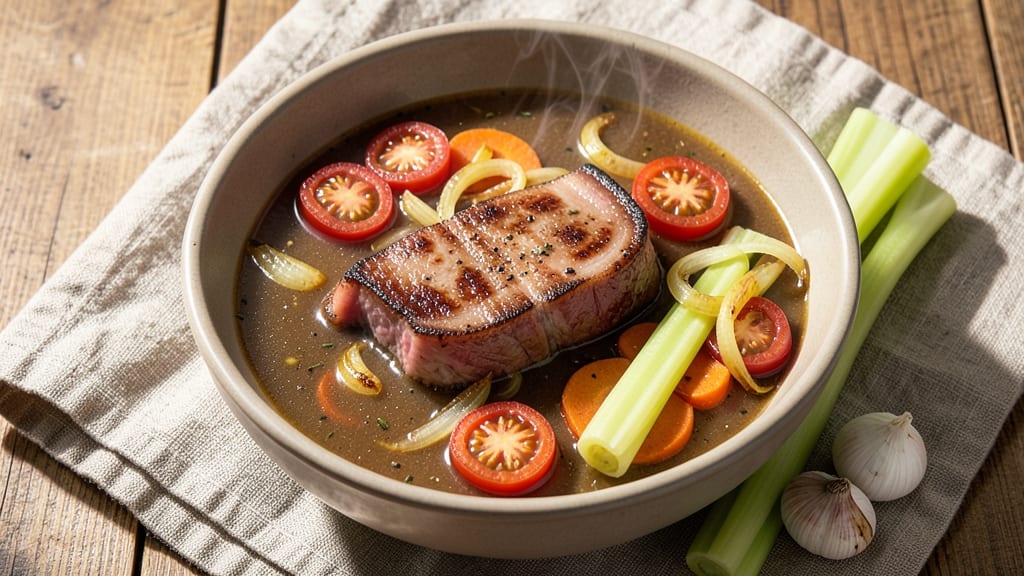
Slow-cooking beef tongue transforms tough meat into tender, melt-in-your-mouth perfection that forms the heart of this rich umami soup. The key lies in patience—hours of gentle simmering break down the collagen, yielding a velvety broth and silky texture that rivals any restaurant version.
I first discovered this technique while researching traditional Eastern European recipes, where beef tongue was a centerpiece for celebrations.
This recipe balances authenticity with approachability, using simple pantry staples to create depth without complexity. The slow-cooking process develops layers of savory flavor as the tongue releases its natural gelatin, while aromatics like bay leaves and peppercorns add subtle warmth.
What makes it special is how the final broth—thickened naturally by the meat's collagen—coats every spoonful with unmatched richness.
By the time you serve this soup, you'll have achieved a dish that's both comforting and impressive: tender beef tongue that practically dissolves, a golden-brown broth infused with herbs, and optional garnishes like pickled onions or fresh parsley to brighten the plate.
The aroma alone will draw everyone to the table, while the texture delivers that satisfying contrast between crisp edges and melting centers.
Perfect for chilly evenings or special occasions, this soup scales beautifully from intimate dinners to crowd-pleasing gatherings. The leftovers reheat even better, making it an ideal make-ahead project. Let's create this professional-quality dish in your kitchen.
Ingredients for beef tongue soup
Simple ingredients transform into velvety, restaurant-quality beef tongue soup with hours of slow cooking.
| Ingredient | Amount | Notes |
|---|---|---|
| Beef Tongue 🐄 | 2 lbs | Fresh, cleaned, trimmed |
| Yellow Onions 🧅 | 2 whole | Peeled, halved lengthwise |
| Carrots 🥕 | 4 medium | Peeled, cut into chunks |
| Celery Stalks 🧆 | 4 whole | Cut into 1-inch pieces |
| Garlic Cloves 🧄 | 6 cloves | Peeled, lightly crushed |
| Tomatoes 🍅 | 4 whole | Roma or vine, crushed |
| Bay Leaves 🌿 | 3 whole | Dried, standard size |
| Black Peppercorns 🌶️ | 1 tbsp | Whole, lightly crushed |
| Allspice Berries 🌶️ | 1 tsp | Whole, lightly crushed |
| Salt 🧂 | 2 tsp | Kosher or sea salt |
| Apple Cider Vinegar 🍎 | 2 tbsp | For tenderizing tongue |
| Fresh Parsley 🌿 | ¼ cup | Chopped, for garnish |
| Pickled Red Onions 🧅 | ½ cup | For serving, optional |
| Water 💧 | 8 cups | Or good-quality broth |
The beef tongue is the star here—look for fresh, clean-cut pieces from a butcher or specialty store like Whole Foods. The thicker the tongue, the more gelatin it releases during cooking, which creates that signature silky texture. If you can't find fresh, vacuum-sealed tongues from Costco or Trader Joe's work too, just add 30 minutes to the cooking time. The key to prep is a good scrub with a vegetable brush and a quick soak in apple cider vinegar—this tenderizes the meat and removes any lingering gamey flavors.
No fresh bay leaves? Dried work perfectly, but reduce to 2 leaves. Short on allspice? Cinnamon sticks or cloves add warmth without overpowering. The tomatoes can be canned—San Marzano if you want the best—but fresh Roma tomatoes have more depth. For the vegetables, carrots and celery can be swapped for turnips or leeks if you're feeling adventurous. The pickled onions are optional but add a bright contrast that cuts through the richness—store-bought works, or quick-pickle your own in 1:1 vinegar to water with a pinch of salt.
This soup tastes even better the next day as the flavors meld. Store in an airtight container in the fridge for up to 5 days, or freeze portions for 3 months. I like to portion it into single-serving jars so I can grab one straight from the freezer. The tongue will get even more tender with reheating—just warm it gently on the stove with a splash of water or broth. Garnish with fresh parsley right before serving to keep it vibrant.
Why You'll Love This Recipe
- One-Pot Magic: I swear by this recipe—just toss the beef tongue, onions, carrots, and celery into a pot with garlic and broth, then let it simmer. No fancy equipment, no stress, and honestly? That’s all it takes.
- Rich, Deep Umami: The beef tongue transforms into something tender and luxurious, while the onions caramelize into sweet, savory layers. Between us, the garlic and celery add just enough bite to keep it from being too heavy—perfect balance.
- Meal Prep Gold: This soup tastes even better the next day, which means I make a big batch on Sundays and portion it out for lunches. My kids grab it for school, and my partner takes it to work—no one complains.
- Budget-Friendly Luxury: Beef tongue is cheaper than steak but feels like a special occasion. I stretch it with carrots and celery for bulk, and the flavor? Ridiculously satisfying. Best of all, it keeps for days without losing its richness.
Step-by-step instructions for slow-cooked beef tongue soup
Here's how to transform tough beef tongue into melt-in-your-mouth tenderness with deep umami flavor.
Prepare and Tenderize the Beef Tongue
Begin by rinsing the 2 lbs beef tongue thoroughly under cold water, then pat it completely dry with paper towels. This step is crucial for even cooking and flavor absorption. Place the tongue in a large pot and cover it completely with the 8 cups water. Add the 2 tbsp apple cider vinegar and 2 tsp salt, then bring to a gentle boil over medium heat.
Once boiling, reduce heat to low and let the tongue simmer uncovered for 1 hour. This initial simmer helps break down connective tissues and infuse the liquid with subtle tanginess. Here's the thing—don't skip this step. The vinegar and salt work together to tenderize the meat, creating that luxurious texture we're after. After 1 hour, drain the liquid and set the tongue aside temporarily.
Build the Flavorful Vegetable Base
In the same pot, add the 2 whole yellow onions (peeled and halved), 4 medium carrots (peeled and cut into chunks), and 4 whole celery stalks (cut into 1-inch pieces). Place the pot over medium heat and cook the vegetables for 8-10 minutes, stirring occasionally, until they begin to soften and release their natural sweetness.
Add the 6 cloves garlic (peeled and lightly crushed), 4 whole tomatoes (crushed), 3 whole bay leaves, 1 tbsp black peppercorns (lightly crushed), and 1 tsp allspice berries (lightly crushed). Stir well to combine all ingredients. You'll notice the aromatics immediately intensify—the garlic will perfume the kitchen, and the spices will create a warm, earthy foundation. Pour in the 8 cups water (or good-quality broth) and bring the mixture to a gentle simmer.
Slow-Cook the Beef Tongue to Perfection
Return the beef tongue to the pot and add enough water to cover it completely—approximately 4 cups should suffice. The liquid should come about halfway up the sides of the tongue. Bring the mixture to a gentle boil, then immediately reduce heat to low and maintain a very slow simmer at 180-190°F. This low temperature is key to achieving tender meat without drying it out.
Cover the pot and let the soup cook for 3-4 hours. Here's the moment that matters: check the tenderness after 3 hours by inserting a fork into the thickest part of the tongue. If it slides in easily with minimal resistance, your tongue is ready. If not, continue cooking for another 30-60 minutes. The soup should reduce slightly, concentrating the flavors and creating a rich, velvety broth.
Finish and Serve with Fresh Garnishes
Once the beef tongue is fork-tender, carefully remove it from the pot and let it rest on a cutting board for 10 minutes. This resting period allows the juices to redistribute, ensuring each slice remains moist. While the tongue rests, skim any excess fat from the surface of the soup and discard it—this helps create a cleaner, more elegant presentation.
Slice the beef tongue into ½-inch thick pieces against the grain for maximum tenderness. Return the sliced tongue to the pot and gently warm through for 2-3 minutes. Ladle the soup into bowls and garnish each serving with 0.25 cup fresh parsley (chopped) and 0.5 cup pickled red onions (optional). The bright acidity of the pickled onions cuts through the richness of the soup, balancing the deep umami flavors perfectly.
Pro Tips For Making Beef Tongue Soup
- BLANCH THEN SCOUR: That beef tongue won’t tenderize properly if you skip this step—no matter how long you simmer. Bring it to a boil for 10 minutes, then peel off the skin with a paring knife while it’s still hot. I learned this the hard way after trying to scrape off dried-on skin with a butter knife (it didn’t end well).
- CUT ONIONS LARGE: Tiny diced onions burn before the tongue is done. Use 1-inch chunks—they’ll soften faster and caramelize without turning bitter. Yes, even if it looks rustic, that’s the point.
- SIMMER LOW AND LONG: The tongue needs 3+ hours at a gentle simmer, not a rolling boil. If it’s bubbling hard, you’re cooking it like a steak. Cover it and let it melt into the broth—patience here makes the difference between tough and fall-apart tender.
- SALT THE WATER: A tablespoon of kosher salt in the initial simmering water keeps the tongue from absorbing too much later. I used to skip this, and the broth always ended up bland—now it’s rich and balanced from the start.
Flavor customization for beef tongue soup
Spicy Heat Boost
Add 1 tbsp of hot sauce (like Tabasco or Cholula) or 1 tsp of cayenne pepper directly to the broth during the final 30 minutes of cooking. For a smoky kick, stir in ½ tsp of smoked paprika or a dash of liquid smoke.
This variation works especially well if you love bold, fiery flavors—just remember to taste as you go. The heat will complement the rich umami perfectly. 🌶️
Creamy Comfort Twist
Stir in ½ cup of heavy cream or coconut milk during the last 10 minutes of cooking for a luxurious, velvety texture. I often add this with a pinch of nutmeg for warmth.
For extra richness, top each serving with a dollop of sour cream or a sprinkle of grated Parmesan right before serving. This version feels indulgent yet remains balanced with the soup's natural depth.
Herb-Infused Brightness
Swap the allspice for 1 tbsp of fresh thyme or rosemary during the vegetable base step. Add 2 sprigs of fresh dill or tarragon when returning the tongue to the pot for a bright, herbal note.
Finish with extra herbs like chives or cilantro for a fresh, vibrant garnish. This variation feels lighter but still deeply flavorful, perfect for spring or summer.
Smoky BBQ Fusion
Replace the apple cider vinegar with ¼ cup of BBQ sauce (like Stark's or Sweet Baby Ray's) during the initial tenderizing step. Add 1 tbsp of brown sugar and a pinch of smoked salt to the broth for a sweet-savory balance.
Top with crumbled bacon or pickled jalapeños for a Southern-inspired twist. This version is ideal for BBQ lovers who want a hearty, smoky soup. 🔥
Earthy Mushroom Depth
Add 8 oz of cremini or shiitake mushrooms, sliced, to the vegetable base step. The mushrooms will absorb the broth's flavors while adding an extra layer of umami. For a richer texture, blend ½ cup of the soup and stir it back in for a velvety consistency.
This variation feels heartier and more earthy, perfect for autumn or winter meals.
Citrus Zing Finish
Finish the soup with a splash of lemon juice or orange zest (about 1 tbsp of juice and 1 tsp of zest). The citrus brightens the rich flavors and adds a refreshing contrast.
I also like to garnish with thinly sliced radishes or mandarin orange segments for a pop of color and freshness. This version is especially refreshing in warmer months. 🍊
Nutrition facts
Frequently asked questions
Why does beef tongue need so much cooking time?
Beef tongue contains dense connective tissue that requires 3-4 hours of slow cooking to break down into tender, melt-in-your-mouth perfection. The low-and-slow method at 180-190°F transforms collagen into gelatin, creating that signature velvety texture and rich broth. Skipping this step leaves the meat tough and chewy.
Can I use a pressure cooker to speed up the process?
Yes! A pressure cooker reduces cooking time to about 90-120 minutes on high pressure. First, follow the initial 1-hour vinegar simmer to tenderize, then pressure cook with all aromatics for 1-1.5 hours. Quick-release the pressure and let the tongue rest 10 minutes before slicing. The texture will be slightly different but still tender.
What if my beef tongue smells gamey?
Gamey odors often come from improperly cleaned or old meat. Soak the tongue in cold milk or lemon juice for 30 minutes before cooking to neutralize odors. Always buy from reputable butchers and check for freshness. If the smell persists, try adding extra bay leaves or a splash of vinegar to the broth.
How do I store and reheat leftovers?
Store in an airtight container in the fridge for up to 5 days or freeze for 3 months. Reheat gently on the stove with a splash of water or broth to restore richness. Never microwave directly from frozen—thaw overnight first. The flavors actually deepen overnight!
What's the best way to serve this soup?
Pair with crusty sourdough bread or crusty rolls to soak up the velvety broth. For contrast, add pickled vegetables (like red onions or cucumbers) or a dollop of sour cream. Serve with a simple green salad dressed with lemon vinaigrette to balance the richness.